
The Coolest Offbeat Attraction in Each U.S. State

This lesson highlights some of the most unique and offbeat attractions across each U.S. state, showcasing quirky sites that offer a blend of history, art, and fun. From Alabama’s self-flushing Fort Gaines to Alaska’s Hammer Museum, each state features an unusual destination that reflects its character and charm. The lesson encourages exploration and appreciation of these distinctive places, inviting travelers to discover the unexpected treasures found throughout the country.
11 Surprising Stories Behind Amazing Artworks

This lesson explores the fascinating stories behind iconic artworks, revealing the challenges and inspirations that shaped them. From Claude Monet’s struggles to create his beloved gardens to Gustav Klimt’s “Woman in Gold” and its tumultuous history during the Nazi invasion, each narrative highlights the intricate relationship between art and the human experience. These tales not only enhance our appreciation of the artworks but also deepen our understanding of the historical and personal contexts that influenced their creation.
60 Regional Foods You Shouldn’t Eat Anywhere Else (Ep.204)

In this lesson, John Green explores a variety of unique regional foods from across the United States, highlighting dishes that are emblematic of their respective areas. From Southern staples like chitlins and Hoppin’ John to Midwestern specialties like Goetta and Cincinnati chili, each region offers distinct culinary experiences that reflect its culture and traditions. The lesson encourages viewers to appreciate and try these local delicacies, emphasizing the importance of regional cuisine in American food culture.
Why do Americans use Fahrenheit? – Big Questions – (Ep. 37)

In this lesson, Craig explores the reasons behind the continued use of the Fahrenheit scale in the United States, tracing its origins to German scientist Daniel Gabriel Fahrenheit in 1724. Despite attempts to transition to the metric system and Celsius, particularly in the 1960s, cultural preferences and perceptions of temperature have led to the persistence of Fahrenheit in everyday use, especially in weather reporting and certain scientific contexts.
Food History: Chocolate
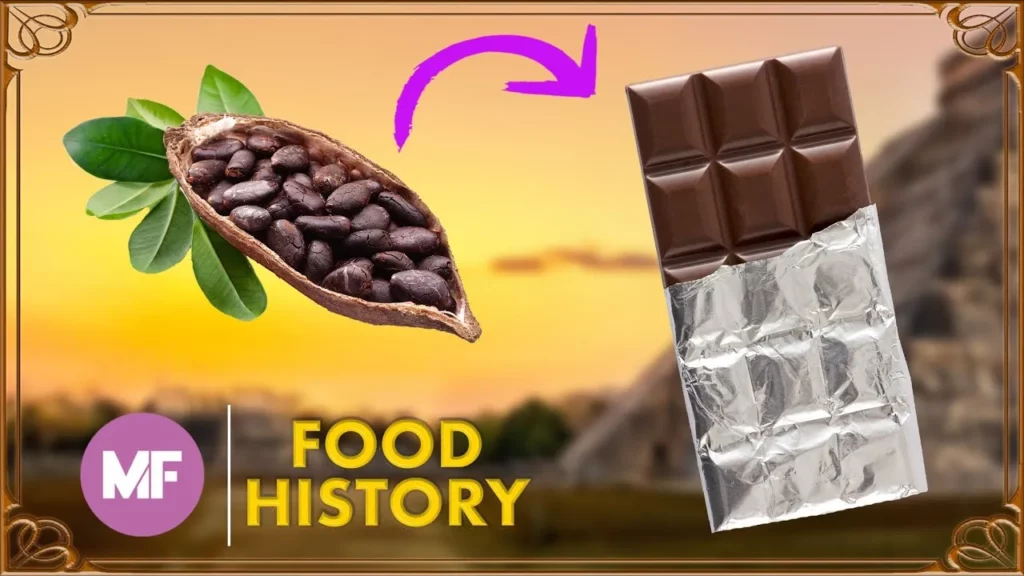
The lesson on the history of chocolate explores its transformation from a sacred drink in ancient Mesoamerican cultures to the beloved sweet treat we enjoy today. It highlights the origins of chocolate from the cacao tree, its significance in Maya and Aztec societies, and its introduction to Europe, where it evolved into various forms, including modern chocolate bars. The lesson also touches on notable figures in chocolate history, such as Napoleon and Thomas Jefferson, and emphasizes the importance of cocoa butter in maintaining chocolate’s quality.
Why do we cry? – Big Questions – (Ep. 202)

The lesson explores the science and reasons behind crying, highlighting its emotional and physiological aspects. It explains how the brain regulates crying through the amygdala and hypothalamus, and discusses the evolutionary benefits of crying as a social signal for help. Additionally, it notes differences in crying frequency between men and women, influenced by biological and cultural factors, ultimately emphasizing that crying is a natural and healthy expression of human emotion.
The 15 Most Expensive “Blanks” Ever

The lesson explores the fascinating world of the most expensive items ever sold, highlighting notable examples such as Leonardo da Vinci’s Codex Leicester, which was purchased by Bill Gates for over $30 million, and the record-breaking sale of the painting “Salvator Mundi” for $450 million. It also covers unusual auction items, including George Washington’s pistols and a kidney stone sold by William Shatner, showcasing the diverse range of collectibles and their historical significance. The lesson emphasizes the intersection of art, history, and pop culture in the realm of high-value auctions.
How to Shave with a Straight Razor — Be More Interesting (Pt. 8 of 8)
In this lesson, master barber Kevin from Frank’s Chop Shop teaches the art of straight razor shaving, highlighting its precision and sophistication compared to modern electric razors. He emphasizes the importance of proper preparation, essential tools like a badger hair brush, and a step-by-step process that includes using a hot towel, stretching the skin, and shaving in the direction of hair growth for optimal results. By mastering this classic technique, individuals can achieve a longer-lasting shave while enjoying a revitalizing grooming experience.
29 States with Weird Nicknames for their Residents Show Ep. 512

In this lesson, John Green explores the quirky and unusual nicknames for residents of various U.S. states, highlighting the origins and meanings behind terms like “Muskrats” for Delawareans and “Hoosiers” for Indiana residents. The lesson showcases how these nicknames reflect local culture, history, and geography, inviting curiosity and engagement with the unique identities of each state.
200 Random Facts Presented Without Context

The lesson presents a collection of 200 random facts spanning various topics, including history, culture, science, and unique trivia. Each fact is presented without context, encouraging curiosity and engagement from the audience. The diverse range of information highlights intriguing insights about notable figures, historical events, and peculiarities of the world, making it a fun and educational experience.