
36 Facts about Tea Show Ep. 417

In this lesson, John Green explores the fascinating world of tea, sharing fun facts about its history, types, and cultural significance. He highlights that tea, derived from the *Camellia sinensis* plant, is the second most popular beverage globally and discusses its various forms, from black to white tea. The lesson also touches on tea’s historical uses as currency, its role in pirate culture, and its health benefits, while encouraging appreciation for this beloved drink.
26 Alcoholic Drinks (Ep.16)

In this lesson, John Green explores the intriguing history and origins of various alcoholic beverages, highlighting popular drinks like piña coladas, juleps, and sangrias. He shares fascinating anecdotes about the evolution of cocktails and their names, such as the Alabama slammer and the Bloody Mary, while emphasizing the cultural significance and stories behind these drinks. The lesson concludes with a reminder to always check labels for ingredients, reflecting the show’s commitment to curiosity and knowledge.
Why are people ticklish? – Big Questions – (Ep. 39)

The lesson explores the intriguing phenomenon of ticklishness, highlighting that laughter from tickling is primarily a reflex rather than a response to mood. Research indicates that tickling activates specific brain areas associated with laughter and instinctive responses, suggesting it may have evolved as a defense mechanism or a bonding activity between parents and children. While the exact reasons for ticklishness remain unclear, various theories provide insights into its potential roles in our lives.
Why does daylight saving time vary by country? – Big Questions – (Ep. 209)

In this lesson, Craig explores the concept of Daylight Saving Time (DST), explaining its origins, variations by country, and the ongoing debate about its effectiveness in saving energy and impacting health. While many countries in North America and Europe observe DST, others, particularly in Asia and Africa, do not, leading to diverse practices and opinions on its benefits. The lesson highlights specific examples, such as Russia’s changes and the decisions made by states like Arizona and Hawaii, illustrating the complexities surrounding the adoption of DST worldwide.
34 Historical Fashion Facts Show Ep. 513

In this lesson, John Green explores intriguing historical fashion facts, highlighting how clothing has evolved over thousands of years and the cultural significance behind various styles. He discusses the origins of clothing and shoes, unique fashion trends from around the world, and the rise of modern fashion, emphasizing how societal changes have influenced what people wear. The lesson also touches on the impact of historical events on fashion, such as the Revolutionary War and World War II, and concludes with insights into cultural traditions surrounding mourning attire.
27 Siblings of Famous Historical Figures Show Ep. 421

In this lesson, John Green explores the intriguing lives of siblings of famous historical figures, highlighting their significant yet often overlooked contributions and stories. From Walt Disney’s brother Roy, who played a crucial role in the company’s success, to Cleopatra’s brother Ptolemy XIII, whose jealousy led to exile, the lesson reveals how these siblings shaped history in various ways. The discussion also touches on the artistic, political, and personal challenges faced by these individuals, showcasing the complex dynamics of familial relationships throughout history.
How Mad Magazine Changed Comedy & Angered the FBI
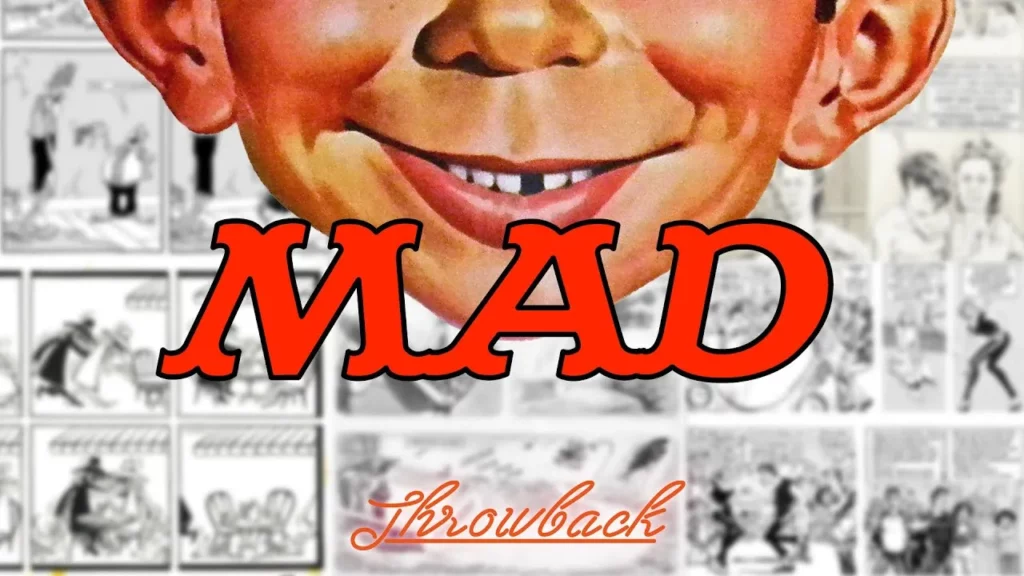
The lesson explores the significant impact of *Mad Magazine* on comedy and its cultural landscape, particularly in the 1950s when humor that critiqued society was rare. Created by Harvey Kurtzman, *Mad* gained notoriety for its parodies, such as “Super Duper Man,” which led to legal challenges and increased its popularity, ultimately influencing the counterculture movement and shaping modern comedic styles. Despite its decline and eventual cessation of new issues in 2019, *Mad Magazine* remains a pivotal force in the evolution of humor and satire in American pop culture.
39 Fun Museum Facts Show Ep. 426

In this lesson, John Green explores the intriguing history and unique facts about museums, tracing their origins from ancient Greek temples dedicated to the muses to modern institutions like the Ashmolean Museum, the first public museum established in 1683. He highlights various aspects of museums, including their revenue sources, notable collections, and the intersection of art with tax laws, while also sharing quirky anecdotes about famous museums and their exhibits. Overall, the lesson emphasizes the cultural significance of museums and their role in preserving art and history.
Misconceptions about Caffeine (Ep. 24)

In this lesson, we explored various misconceptions about caffeine, clarifying that coffee generally contains more caffeine than energy drinks like Red Bull and that espresso has less caffeine per ounce than regular coffee. We also discussed the effects of caffeine on hydration, heart disease, osteoporosis, weight loss, and sleep, emphasizing that moderate caffeine consumption can have health benefits rather than being inherently harmful.
45 Odd Facts About US Presidents (Ep.3)

In this lesson, John Green presents a collection of quirky and intriguing facts about U.S. Presidents, highlighting their unique personalities and lesser-known stories. From Gerald Ford’s modeling career to Herbert Hoover’s invention of a sport, the lesson showcases the fun and surprising aspects of presidential history, including their hobbies, pets, and memorable moments. The engaging anecdotes serve to humanize these historical figures, making their stories more relatable and entertaining.