
Food History: Ramen
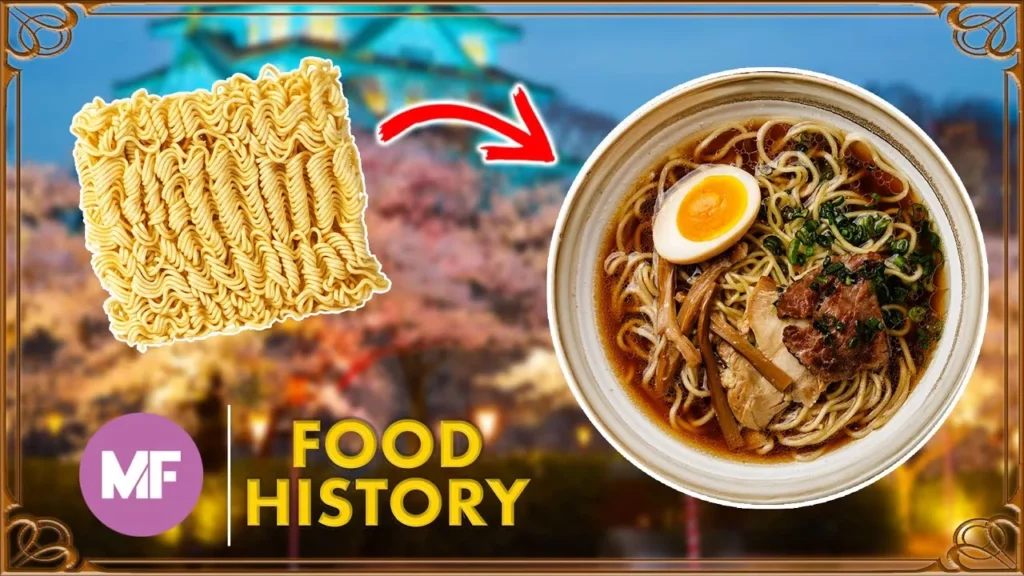
The lesson on the history of ramen explores its origins, evolution, and cultural significance, tracing its roots back to Chinese noodle-making traditions introduced to Japan around 400 AD. It highlights key moments, such as Momofuku Ando’s creation of instant ramen in 1958, which transformed the dish into a global convenience food, while also noting the resurgence of traditional ramen stalls and regional variations in Japan. Today, ramen continues to evolve, reflecting differences in preparation and consumption between Japan and the U.S.
What is the origin of the high five? – Big Questions – (Ep. 27)

In this lesson, Craig explores the intriguing origins of the high five, tracing its roots from the earlier “low five” gesture popular during the Jazz Age to various stories that claim to explain its inception. Notable moments include baseball player Glenn Burke’s celebratory high five in 1977 and a basketball practice in 1978-79 that popularized the term, particularly after it was mentioned during the 1980 NCAA Final. Ultimately, while the exact origin remains uncertain, these anecdotes highlight the high five’s evolution into a widely recognized celebratory gesture.
Why Don’t Spiders Stick to Their Own Web? – Big Questions (Ep. 9)

In this lesson, Craig explores the intriguing question of why spiders don’t get stuck in their own webs. He explains that spiders are adept at navigating their webs by using the tips of their legs to minimize contact with the sticky silk, and their legs have tiny bristles that further reduce adhesion. Additionally, researchers are investigating the possibility of a non-stick coating on spider legs, while also noting that different spider species create various types of webs, some of which are less sticky than others.
22 Horror Movie Facts Show Ep. 334

This lesson explores intriguing facts about horror movies, highlighting their origins, iconic films, and behind-the-scenes stories. It reveals fascinating anecdotes, such as Steven Spielberg’s eerie experience with “Paranormal Activity” and the original titles of classics like “Halloween” and “The Texas Chainsaw Massacre.” Additionally, it touches on the marketing strategies that blurred the lines between fiction and reality, as well as chilling occurrences on set, making it a captivating journey through the horror genre.
How Do They Make Decaf Coffee? – Big Questions – (Ep.1)

The lesson explains the process of making decaf coffee, highlighting that while it significantly reduces caffeine content, decaf is not entirely caffeine-free. It details the decaffeination methods, including the supercritical carbon dioxide method and the direct solvent method, and provides a brief history of decaf coffee’s invention, emphasizing the evolution to safer techniques. Overall, it offers insight into how coffee lovers can enjoy their beverage with minimal caffeine.
Is blood ever blue? – Big Questions (Ep. 17)

The lesson debunks the myth that blood is blue when it lacks oxygen, explaining that blood is actually a darker shade of red. The blue appearance of veins is attributed to the scattering of light and the brain’s color constancy, which causes blue light to scatter more than red light, making the veins look blue despite the red color of the blood inside. Understanding these scientific principles helps clarify why this common misconception exists.
Why is my voice different when I hear a recording? – Big Questions – (Ep. 207)

This lesson explains why our recorded voice sounds different from what we hear when we speak. It highlights the role of bone-conducted sound, which makes our voice seem deeper to us, while recordings capture only the sound waves traveling through the air, resulting in a higher-pitched version. Additionally, the lesson touches on the mere exposure effect, which explains our preference for the familiar sound of our own voice as we typically hear it.
20 Facts About Abraham Lincoln (And His Family) – List Show (308)

This lesson explores the life and legacy of Abraham Lincoln, highlighting key aspects of his early life, family, political career, and significant achievements. It reveals interesting facts, such as Lincoln’s preference for his full name over the nickname “Abe,” his relationships, and his role in pivotal events like the Lincoln-Douglas debates and the passage of the 13th Amendment. The lesson concludes by reflecting on Lincoln’s enduring impact on American history and the legacy he left behind.
What is dirt made out of? – Big Questions (Ep. 15)

In this lesson, Craig explains the composition and significance of dirt and soil, highlighting the key differences between the two. Soil, which supports plant life, is formed from the breakdown of rocks and organic matter, containing minerals, water, air, and organic material. The lesson also covers the various types of soil influenced by factors like climate and topography, the importance of soil pH for plant growth, and how to test soil quality.
BONUS VIDEO: Pork Chop Party Fund (Ep.210.5)
This lesson explores the intriguing history and fun facts about pigs in America, highlighting their cultural significance, such as Cincinnati’s nickname “Porkopolis” and the origins of popular dishes like Eggs Benedict. It also delves into quirky terminology related to pigs, including the measurement “hogshead,” and shares anecdotes about pigs in literature and old-time slang. Overall, the lesson emphasizes the rich legacy of pigs and their influence on language, cuisine, and storytelling.