
What Do The Olympic Rings Mean? #olympicsports #olympics #history
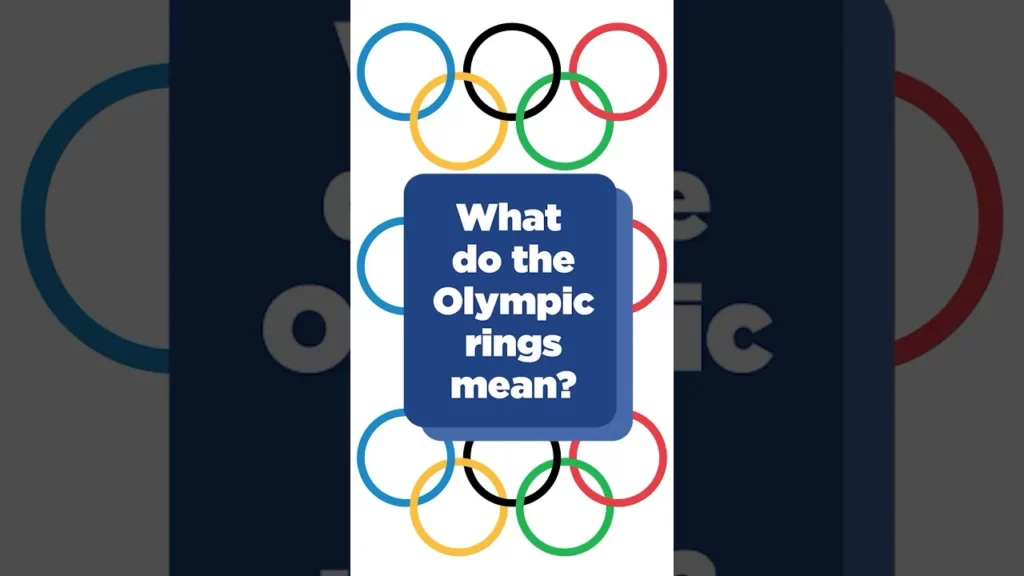
The Olympic rings, designed by Pierre de Coubertin in 1913, symbolize the unity of the five major parts of the world—Africa, the Americas, Asia, Europe, and Oceania—coming together for the Olympic Games. The colors of the rings were selected to represent the national flags of participating countries, ensuring inclusivity. Ultimately, the rings embody the spirit of friendship, cultural exchange, and peace among nations through sports.
One Urban Legend From Each State: Michigan #history #urbanlegends #michigan

The lesson explores a Michigan urban legend about a ship that mysteriously disappeared during its inaugural journey across the Great Lakes in 1679, never reaching its intended destination. Various theories surround its fate, including possible attacks, crew rebellion, or a fierce storm, with an eerie twist involving a curse from a local prophet. This tale highlights the enduring mysteries of the Great Lakes and the captivating stories that link us to history.
26 Things You Didn’t Know about Barbie Show Ep. 335

In this lesson, John Green explores the fascinating history and cultural significance of Barbie, revealing that she hails from the fictional town of Willows, Wisconsin, rather than Malibu. Created by Ruth Handler in 1959, Barbie has taken on over 150 careers and has become a global icon, representing diverse nationalities while also facing controversies that challenge traditional gender roles. Despite these challenges, Barbie remains a beloved figure, with her popularity reflected in the staggering sales figures that surpass the number of babies born in the U.S. each year.
Why are butterflies called “butterflies”? – Big Questions (Ep. 13)

The lesson explores the origins of the word “butterfly,” debunking the myth that they were once called “flutterbys” and tracing the name back to Middle and Old English. Various theories are presented regarding the inclusion of “butter” in the name, including the color of some butterflies’ wings and a Dutch connection to butterfly droppings. Additionally, the lesson highlights the intriguing cultural and linguistic variations of the term “butterfly” across different languages, showcasing how stories and language shape our understanding of these beautiful insects.
37 Ways you Might be Weird Show Ep. 407

In this lesson, John Green highlights various ways individuals can be unique, supported by intriguing statistics from surveys. From uncommon habits like throwing birthday parties for pets to surprising lifestyle choices such as not using smartphones in the bathroom, the lesson emphasizes that many people possess distinctive traits and preferences that set them apart from the majority. Ultimately, it encourages embracing individuality and recognizing the value of being different.
What causes motion sickness? – Big Questions – (Ep. 210)
This lesson explores the causes of motion sickness, which occurs when there is a mismatch between the signals received by the inner ear and the eyes regarding movement. It discusses three main types of motion sickness, various theories explaining its mechanisms, and ongoing research aimed at finding effective treatments. Understanding these concepts can help individuals recognize and manage their experiences with motion sickness.
Why Do Olympic Swimmers Wear Two Caps? #olympics #swimming #parisolympics2024

Olympic swimmers wear two swim caps to reduce drag and enhance their speed in the water. The inner latex cap helps keep the cap secure, while the outer silicone cap smooths out any bumps, creating a more streamlined shape. Additionally, this two-cap system helps keep goggles in place, ensuring they stay secure during races.
How does the Olympic flame stay lit? #olympics #openingceremony #history

The Olympic flame, a symbol of the Olympic Games, is lit in Olympia, Greece, using a parabolic mirror that focuses sunlight, making it an environmentally friendly tradition. After being ignited, the flame embarks on a scenic torch relay to the host city, protected by high-tech containers to keep it lit, although it may occasionally extinguish and be relit using backup torches. This tradition, which dates back to ancient Greece, represents peace and unity, connecting people worldwide through the spirit of the Olympics.
How Much Gold Is In An Olympic Gold Medal? #history #olympics #parisolympics2024
The lesson explains that Olympic gold medals are not made of solid gold; instead, they are primarily composed of sterling silver with only a thin layer of gold, weighing at least six grams. Additionally, it highlights unique features of the medals, such as the incorporation of historical elements like iron from the Eiffel Tower for the 2024 Paris Olympics, and emphasizes the significance of each medal’s design, which reflects the culture of the host country.
What did the original colonists sound like? – Big Questions – (Ep. 36)

In this lesson, we explored the accents of the original colonists and how they differ from modern British accents. We learned that both British and American accents during the time of the colonists were rhotic, meaning the “R” sound was pronounced, unlike in today’s Received Pronunciation. The evolution of British accents, particularly the shift away from rhotic pronunciation, was influenced by social changes in the late 18th century, leading to the development of the accent we recognize today.