
27 Unbelievable Local Traditions (Ep.214)

In this lesson, John Green explores 27 unique and often bizarre local traditions from around the world, highlighting events such as the cheese-rolling competition in Gloucestershire, England, and the Monkey Buffet Festival in Thailand. These traditions range from the whimsical, like the Baby Jumping festival in Spain, to the adventurous, such as the Running of the Bulls in Pamplona, showcasing the diverse ways communities celebrate culture and history. Each tradition reflects local customs and brings people together in fun and sometimes outrageous ways.
Why Do Olympic Athletes Get Free Condoms? #history #olympics

The tradition of providing free condoms to Olympic athletes began in 1988 to help prevent the spread of HIV and promote safe sex practices. While the initiative has a serious purpose, it has also become a lighthearted aspect of the vibrant social scene in the Olympic Village, with memorable incidents highlighting its popularity. As the Paris 2024 Games approach, organizers plan to distribute around 300,000 condoms, emphasizing the importance of health and safety for athletes while promoting awareness of safe sex practices globally.
41 Facts About Dogs (Ep.213)

In this lesson, John Green shares 41 fun and fascinating facts about dogs, covering their history, famous canine companions, and unique abilities. From the origins of specific breeds to the roles dogs have played in popular culture and even presidential history, the lesson highlights the deep bond between humans and dogs, as well as the remarkable talents and characteristics of our furry friends.
Why is ginger a palate cleanser? – Big Questions – (Ep. 38)

In this lesson, Craig explains the concept of a palate cleanser, which is used to clear lingering flavors between different dishes, enhancing the enjoyment of each new taste. He highlights ginger, particularly pickled ginger (gari), as an effective palate cleanser in Japanese cuisine, emphasizing that its vinegar content is key to removing residual flavors and refreshing the palate.
Where Did Last Names Come From? – Big Questions (Ep. 8)

In this lesson, Craig explores the origins of last names, tracing their development across various cultures, including ancient China, Japan, Korea, Greece, Rome, and England. He highlights how surnames evolved from family names and occupations to reflect personal identities and social roles, illustrating the diverse ways different societies have adopted and adapted naming conventions over time. Ultimately, the lesson emphasizes the rich historical significance of last names and their cultural variations.
What makes a permanent marker permanent? – Big Questions – (Ep. 28)

The lesson explains the science behind permanent markers, highlighting their three main components: solvent, colorant, and resin. The solvent allows the ink to flow smoothly, the colorant provides vibrant colors, and the resin ensures the ink adheres to surfaces and is water-resistant, making the marks difficult to wash away. While permanent markers are designed to last, they can fade over time, especially when exposed to outdoor conditions.
The “Stress Hormone” Doesn’t Exist
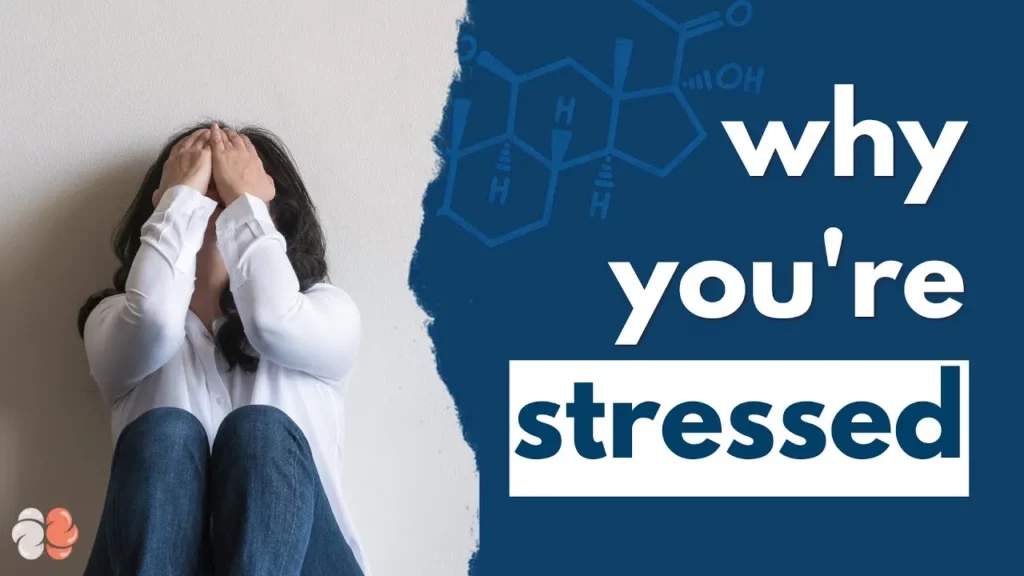
The lesson emphasizes that the concept of a single “stress hormone,” primarily cortisol, is an oversimplification of the complex physiological and psychological responses to stress. It highlights the roles of various hormones, including adrenaline, in the body’s stress response and suggests that managing stress effectively involves reframing our perceptions of it, viewing challenges as opportunities for growth rather than threats. By understanding the multifaceted nature of stress, individuals can empower themselves to adopt a more positive outlook and improve their overall well-being.
How to Think Like Einstein

The lesson “How to Think Like Einstein” explores the creative processes that underpin innovative thinking, highlighting Einstein’s unique contributions to both science and fashion. It emphasizes three key mental skills—bending, breaking, and blending—that enhance creativity and suggests practical strategies for fostering these skills, such as engaging with diverse information and collaborating with others. Ultimately, the lesson encourages individuals to embrace their creative potential and adapt their thinking to generate groundbreaking ideas.
Do You Own Your Cells?

The lesson “Do You Own Your Cells?” explores the legal and ethical implications surrounding the ownership of human cells after medical procedures. It highlights landmark cases, such as “Moore v. the University of California” and the story of Henrietta Lacks, to illustrate how once cells are removed from the body, they can be used for research without the donor’s consent, raising questions about individual rights, profit sharing, and the ethical responsibilities of researchers. Ultimately, the lesson encourages reflection on the balance between scientific advancement and personal autonomy in the context of medical research.
Stop Trying to be Happy (do THIS instead)

The lesson emphasizes the importance of shifting our focus from the elusive pursuit of happiness to the more attainable goal of contentment. It critiques the traditional view of happiness as something dependent on external circumstances and achievements, highlighting the flaws in the “happiness pie” concept and the dangers of the “hedonic treadmill.” Instead, it advocates for practices like mindfulness and gratitude, which can foster a sense of peace and acceptance in the present moment, ultimately leading to genuine well-being.