
How Many Things Can You Do At Once?
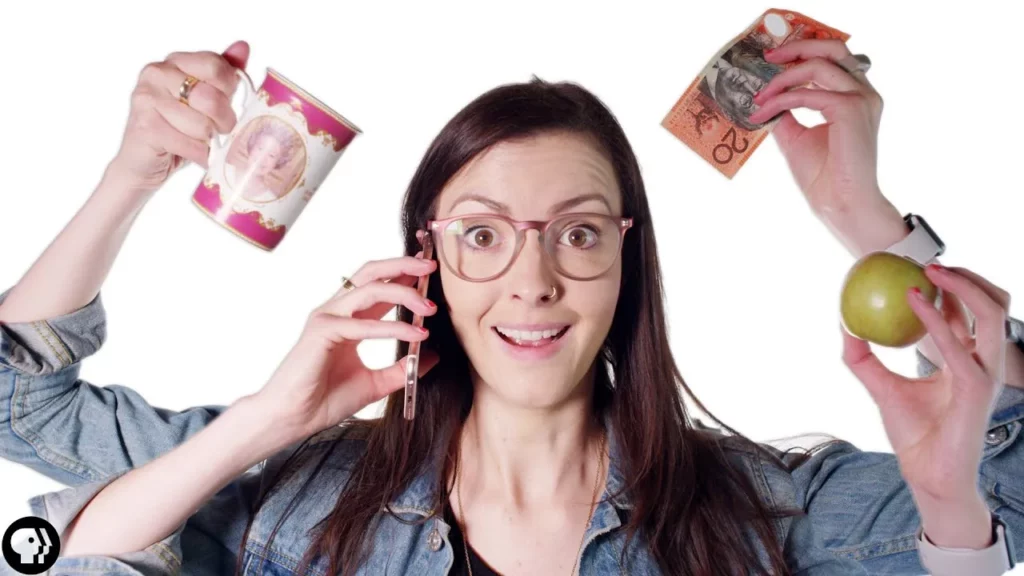
The lesson explores the concept of multitasking, revealing that what we often perceive as multitasking is actually task-switching, which can hinder performance due to the brain’s adjustment time. While most people struggle to effectively manage multiple attention-demanding tasks simultaneously, a small percentage known as supertaskers can genuinely multitask without a decline in performance. The lesson emphasizes that multitasking exists on a spectrum, and while some individuals may excel at combining familiar tasks, attempting to juggle multiple complex tasks typically leads to poorer outcomes.
How to cope when life is terrible
In the lesson “How to Cope When Life Feels Overwhelming,” the author shares personal experiences of loss and health challenges, emphasizing the importance of resilience and coping strategies. By incorporating daily exercise, eliminating alcohol, and practicing gratitude through journaling, the author highlights how these science-backed methods can help manage stress and improve overall well-being. The lesson encourages individuals to find their own coping mechanisms and to be gentle with themselves during difficult times.
The Strange Location of Your Second Brain
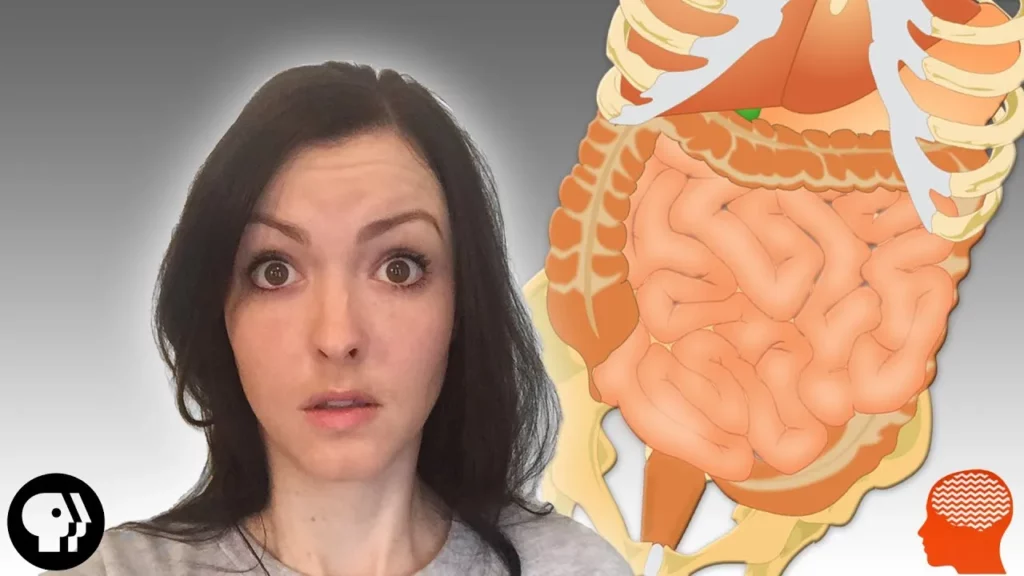
The lesson explores the concept of the gut as our “second brain,” highlighting the enteric nervous system’s role in influencing emotions and behaviors independently of the central brain. It discusses the microbiome’s impact on mental states, supported by research showing that gut bacteria can affect anxiety levels and stress responses. Additionally, the lesson emphasizes the benefits of prebiotics and probiotics in promoting mental well-being, illustrating the gut’s significant influence beyond digestion.
Big Tech’s Battle For Our Attention
The lesson “Big Tech’s Battle For Our Attention” explores the concept of the attention economy, highlighting how our focus has become a valuable commodity that companies compete for, often leading to distraction and shorter attention spans. It discusses the evolution of persuasion through technology, the impact of divided attention on our experiences, and the importance of reclaiming our focus in a world dominated by digital distractions. Ultimately, it encourages reflection on how we engage with technology and the significance of managing our attention for a fulfilling life.
Why do You Get a Brain Freeze?
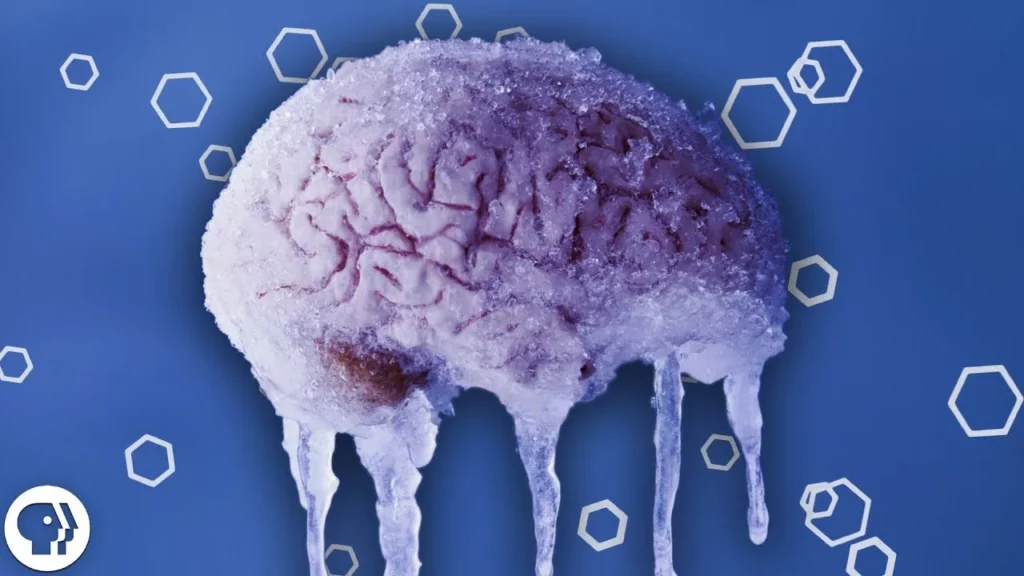
The lesson explains that a brain freeze, medically known as “spheno-palatine ganglioneuralgia,” occurs when cold food causes blood vessels in the mouth to constrict and then dilate, triggering pain signals that are misinterpreted as coming from the brain. This phenomenon, known as referred pain, typically lasts only a few seconds to a few minutes, and can be alleviated by warming the roof of the mouth or consuming cold treats more slowly. Understanding the cause of brain freeze can help individuals manage and prevent the discomfort associated with it.
3 Quick Psychology Tests! ft. Steve Zaragoza, Bree Essrig & Elliott Morgan

In this lesson, we explored three engaging psychology tests that illustrate how our perceptions and understanding evolve over time. The Water Glass Challenge and Coin Row Puzzle demonstrate children’s initial misconceptions about volume and quantity, while the Knox Cube Test assesses memory and pattern recognition skills. Additionally, fun questions about colors and emotions highlight the importance of curiosity and the acceptance of uncertainty in our learning process.
I read 75,000 YouTube comments

The lesson explores the intriguing parallels between Marmosets and humans in the context of learning through video, highlighting a study where Marmosets successfully learned to operate a complex fruit contraption by watching instructional videos. It also recounts the journey of an educational YouTube channel that has produced numerous videos, emphasizing the importance of audience feedback and community support in shaping content. The creator aims to continue producing science-based videos that enhance understanding of various topics, inviting viewer engagement to foster a collaborative learning environment.
What’s The Best Way to Teach Science? | BrainCraft BTS

In the lesson “What’s The Best Way to Teach Science?” the speaker reflects on their journey in science education, emphasizing the importance of engaging young learners and the effectiveness of problem-solving approaches over traditional methods. Through their experiences with BrainCraft, they explore various teaching formats, from educational videos to more cinematic presentations, ultimately concluding that there is no one-size-fits-all method for teaching science; instead, diverse approaches can cater to different audiences and enhance learning. The key takeaway is the value of continuous questioning and experimentation in both education and the scientific process.
These Tiny Cells Shape Your Life
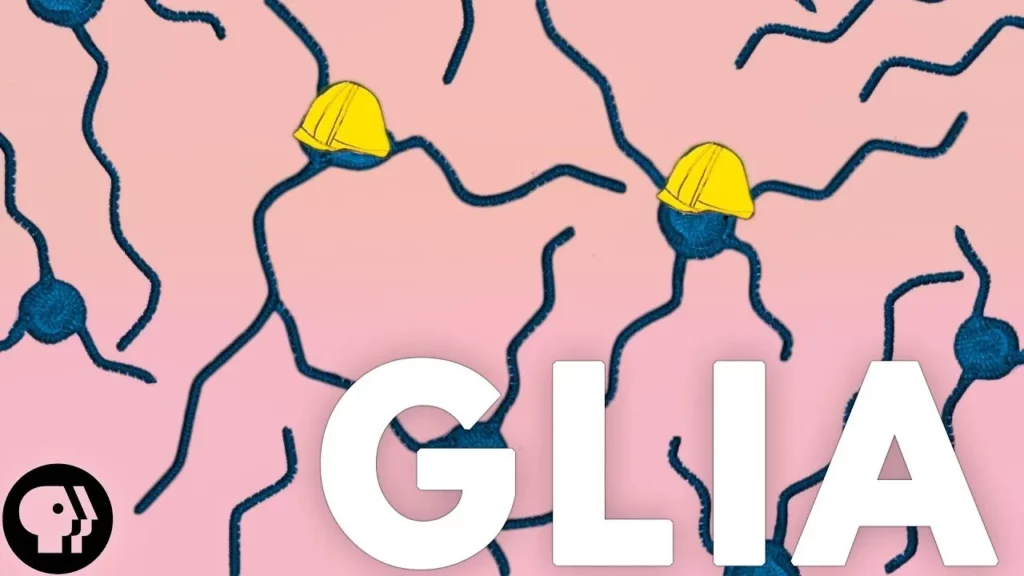
The lesson explores the development of the brain from infancy to adulthood, highlighting the processes of myelination and synaptic pruning that enhance brain efficiency and functionality. It emphasizes the role of glial cells, particularly microglia, in managing synaptic connections and maintaining brain health, while also discussing the implications of imbalances in pruning related to disorders like autism and Alzheimer’s disease. To support brain health throughout life, the lesson advocates for practices such as prioritizing sleep, maintaining a balanced diet, exercising, and engaging in mentally stimulating activities.
Are You Really Open-Minded? (or can I change your mind?)

The lesson explores the concept of intellectual humility as a means to foster open-mindedness and reduce societal divisions. It emphasizes the importance of acknowledging the fallibility of our beliefs and the value of effective communication, particularly through storytelling and understanding differing perspectives. Ultimately, the journey highlights that engaging with opposing viewpoints can enhance personal growth and lead to more meaningful discussions, even if it doesn’t always result in changing someone else’s mind.