
Fact-checking My First Video… Here’s How I Was Wrong
In this lesson, the speaker revisits the topic of memory and technology, reflecting on their first video about the potential impact of digital reliance on our cognitive abilities. Through the lens of a 2009 aviation incident, they explore how technology may alter our memory processes, emphasizing the shift from memorizing facts to remembering where to find information, a phenomenon known as the “Google effect.” Ultimately, while technology can enhance our ability to access information, it raises questions about the implications for our memory and intelligence.
Why Everything Takes Longer Than You Expect
The lesson discusses the common cognitive bias known as the “planning fallacy,” which leads individuals to underestimate the time required for tasks, often resulting in delays and frustration. It highlights contributing factors such as Parkinson’s Law, which states that work expands to fill the available time, and Hofstadter’s Law, which asserts that tasks will take longer than expected even when accounting for potential delays. To improve time estimates, the lesson suggests relying on past experiences and planning as if estimating for someone else, ultimately helping individuals allocate their time and resources more effectively.
Your Biological Clock at Work
The lesson explains the concept of the circadian rhythm, which is the body’s natural sleep cycle that regulates alertness and sleepiness throughout the day. It highlights key times for waking up, peak alertness, optimal activity levels, and preparing for sleep, emphasizing the influence of factors like light and temperature on this cycle. Additionally, it offers practical tips for improving sleep quality, such as reducing screen time before bed.
Better Sleep in One Night | Sleeping With Friends
In the final round of “Sleeping With Friends,” contestants Melissa and Donna compete to enhance their sleep quality through various challenges, including a unique “disco nap” and the selection of sleep aids. They learn valuable strategies such as memory techniques and breathing exercises to improve their sleep, ultimately highlighting the importance of sleep for overall health and well-being. The lesson emphasizes that with the right tools and techniques, anyone can achieve better sleep.
The Nature of Memory
The lesson explores the evolution of memory from its esteemed status in Ancient Greece, where it was viewed as a sign of intelligence, to a more scientific understanding in modern times. It distinguishes between declarative and procedural memory, highlights the fallibility and creativity of memory, and discusses the paradox of forgetting, which, while often seen as a negative, can actually enhance cognitive flexibility and the ability to learn new information. Ultimately, the lesson emphasizes that memories are not only foundational to our identity but are also shaped by our experiences and perceptions.
3 Common Misconceptions About Sugar
The lesson addresses three common misconceptions about sugar: that it causes hyperactivity in children, that it directly rots teeth, and that different areas of the tongue sense different tastes. Research shows that children’s behavior is influenced more by their environment than sugar intake, while tooth decay is primarily caused by bacteria feeding on sugars left on teeth rather than sugar itself. Additionally, the myth of the “Tongue Map” has been debunked, revealing that taste buds for all flavors are distributed throughout the tongue, not confined to specific areas.
5 Ways to Get Better Sleep (backed by science)
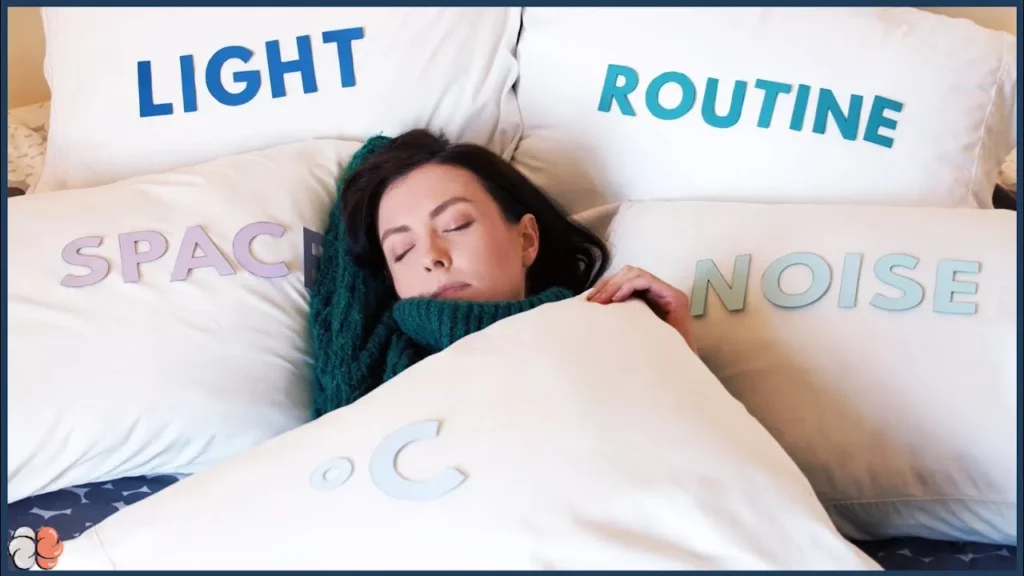
The lesson outlines five science-backed strategies to improve sleep quality, emphasizing the importance of a consistent sleep schedule, controlling light exposure, minimizing noise, ensuring comfort, and separating work and sleep spaces. By implementing these changes gradually, individuals can enhance their sleep experience and overall well-being. The key takeaway is that small behavioral adjustments can lead to significant improvements in sleep quality.
Your Brain in Virtual Reality
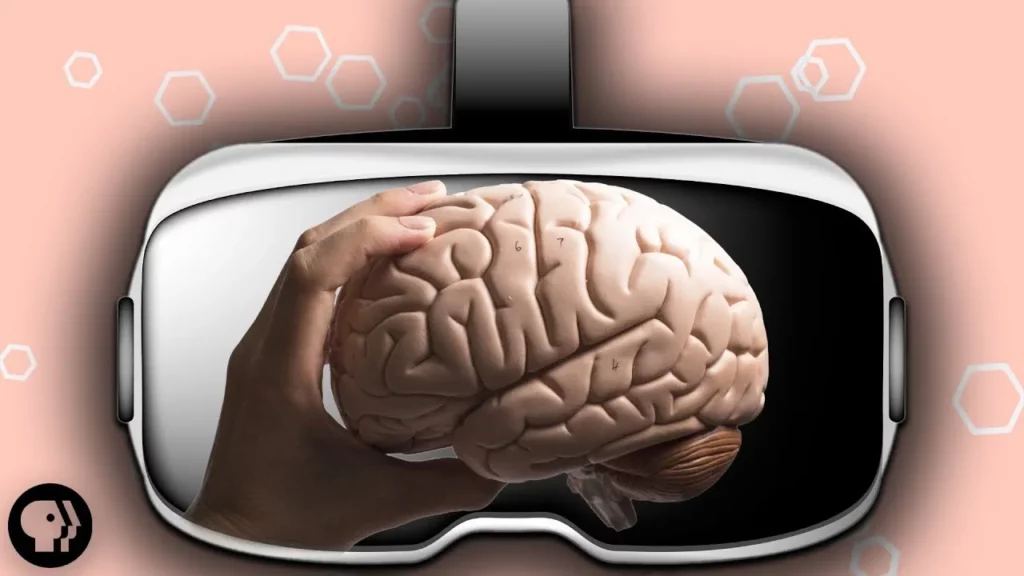
The lesson explores the philosophical implications of virtual reality (VR) through the thought experiment known as the “Brain in a Vat,” which questions the nature of reality and our perception of it. It highlights how both human and animal brains encode spatial information similarly in real and virtual environments, emphasizing the importance of sensory cues in creating a convincing sense of presence in VR. Ultimately, the lesson encourages reflection on how our internal perceptions and external stimuli shape our understanding of reality, with ongoing research aimed at enhancing VR applications across various fields.
Why Most Personality Tests Are Wrong
The lesson discusses the limitations and inaccuracies of many popular personality tests, particularly the Myers-Briggs Type Indicator (MBTI), which lacks scientific validation and consistency. It contrasts these tests with the Big Five personality traits model, which is considered more reliable and scientifically supported, as it assesses individuals on a spectrum rather than categorizing them into fixed types. Ultimately, while personality can influence well-being, it is also malleable, and individuals can work on traits like agreeableness and conscientiousness to enhance their life satisfaction.
Artificial Intelligence Can Hallucinate, Too.
The lesson discusses the challenges artificial intelligence (AI) faces in image recognition, particularly in distinguishing between similar-looking objects, such as dogs and food items. While AI can achieve high accuracy with training, it can still make mistakes and even “hallucinate” by misidentifying objects due to subtle changes in images. This highlights the ongoing need for advancements in AI, especially in recognizing 3D objects, to improve its reliability in critical applications like autonomous vehicles.