
Do You Have an Inner Voice?
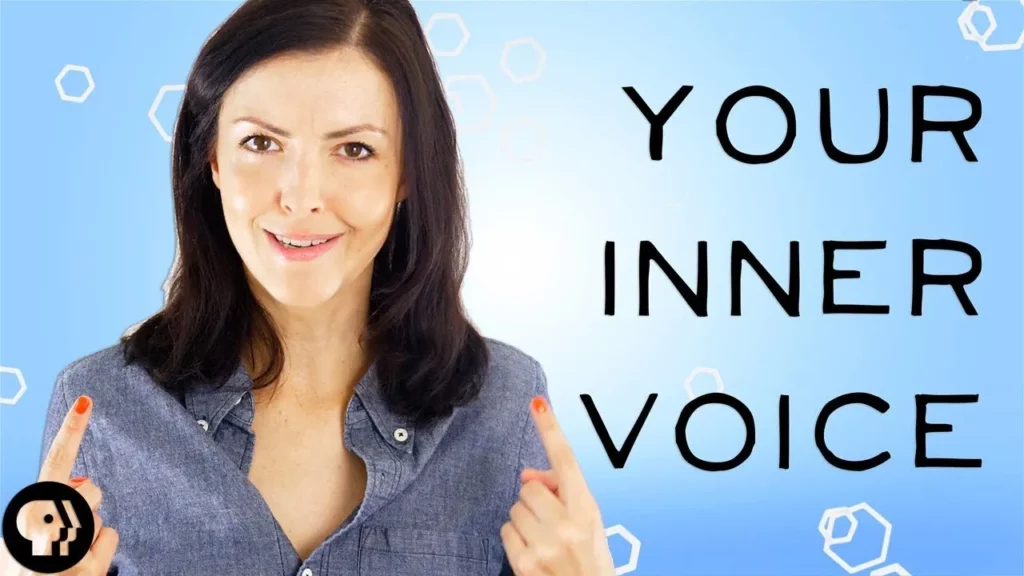
The lesson explores the concept of the inner voice and how individuals experience thinking differently, highlighting three main types of thinkers: verbal, pattern, and visual. It discusses an experiment that illustrates how our inner voice functions and how it can vary in tone and pitch, as well as a study showing that reading dialogue activates the auditory cortex, suggesting a connection between reading and hearing in our minds. Ultimately, the lesson emphasizes the uniqueness of each person’s mental experience, revealing that not everyone has an inner monologue or perceives their thoughts in the same way.
What’s the Value of a Life?
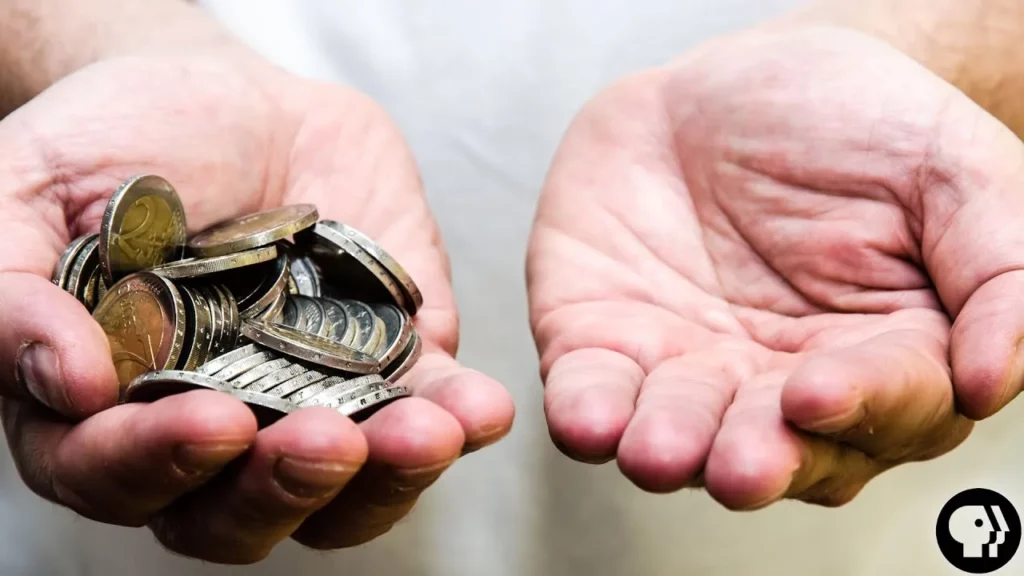
The lesson explores the complex and often uncomfortable topic of valuing human life through the lens of resource allocation in healthcare, exemplified by Maria, a hospital administrator, and Nicky, a boy in need of a liver transplant. It highlights the economic perspective of assigning a monetary value to lives, as seen in compensation funds, while also addressing ethical dilemmas like the Trolley Problem, which challenge our perceptions of worth based on personal connections and citizenship. Ultimately, the lesson emphasizes that the value of life transcends monetary measures, rooted in the immeasurable impact individuals have on their loved ones and society.
How Exercise Can Improve Your Memory
The lesson emphasizes the significant impact of regular exercise on memory and brain health, highlighting a study that demonstrated improved memory performance in individuals who engaged in aerobic activities compared to those who participated in stretching exercises. The findings suggest that exercise promotes growth in the hippocampus, the brain region associated with memory, partly due to the production of brain-derived neurotrophic factor (BDNF), which enhances neuronal connectivity. Ultimately, the lesson encourages a reevaluation of exercise not only as a means for physical fitness but also as a vital contributor to cognitive function.
Small Talk Can Make You Happier. Here’s How to Master it.
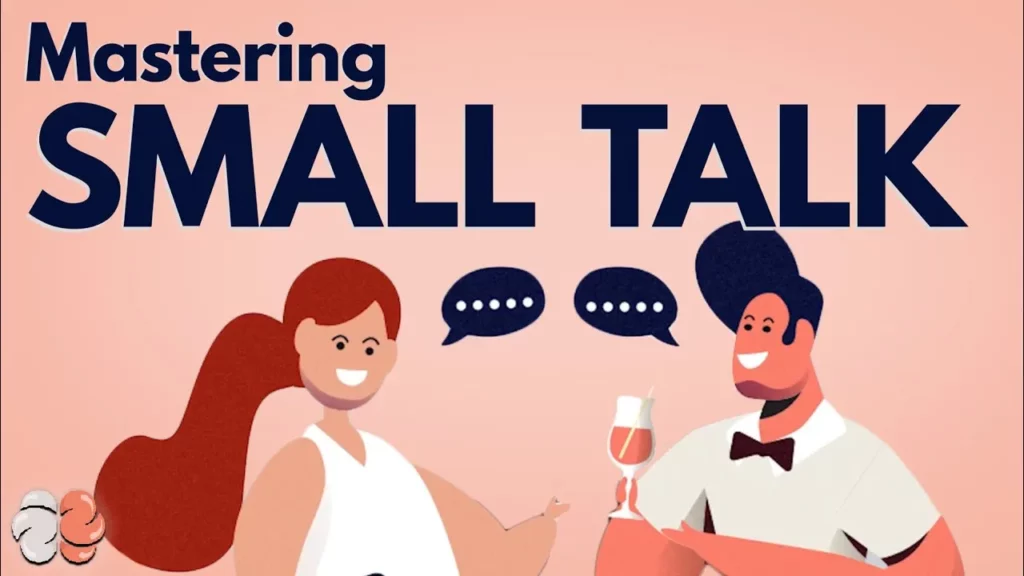
The lesson emphasizes that engaging in small talk can enhance happiness and foster connections, despite initial apprehensions about how others perceive us. Research reveals the “liking gap,” suggesting that people often underestimate how much others enjoy their company, and provides practical tips for initiating conversations, such as asking engaging questions and staying attentive. Ultimately, mastering small talk can lead to personal and professional benefits, making it a valuable skill to develop.
How to Stay Motivated, Using Psychology.
The lesson emphasizes the importance of understanding intrinsic and extrinsic motivation to enhance commitment to long-term goals. It highlights that intrinsic motivation, which stems from personal enjoyment and meaning, is more effective for achieving success than extrinsic motivators like rewards. By identifying what genuinely interests you and surrounding yourself with motivated individuals, you can boost your motivation and improve focus in both personal and professional settings.
The Neuroscience of Creativity
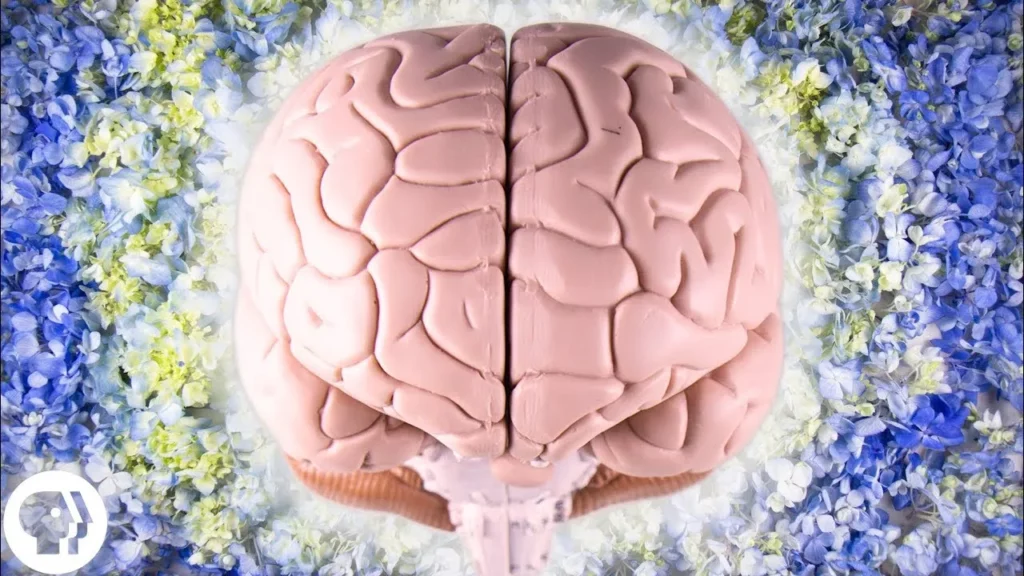
The lesson explores the neuroscience of creativity, beginning with the example of a curious nematode worm named Steve, which highlights the basic form of curiosity present even in simple organisms. It then delves into the complexity of the human brain, emphasizing how its unique structure, with 86 billion neurons and intricate connections, fosters creativity through the collaboration of various brain networks that generate spontaneous thoughts and refine them into innovative ideas. The lesson concludes by hinting at the potential for unlocking individual creative abilities, setting the stage for further exploration in the series.
Pink Song | Colors Song for Kids ESL & EFL | Colors Song | ESL for Kids
In this lesson, children embark on a fun adventure to explore the color pink, discovering various pink objects and learning about pink animals like flamingos and pink flowers such as roses and tulips. The lesson includes a catchy song to engage the children and encourages them to continue exploring colors in their surroundings, highlighting the beauty and joy that colors bring to the world.
Opposites for Kids
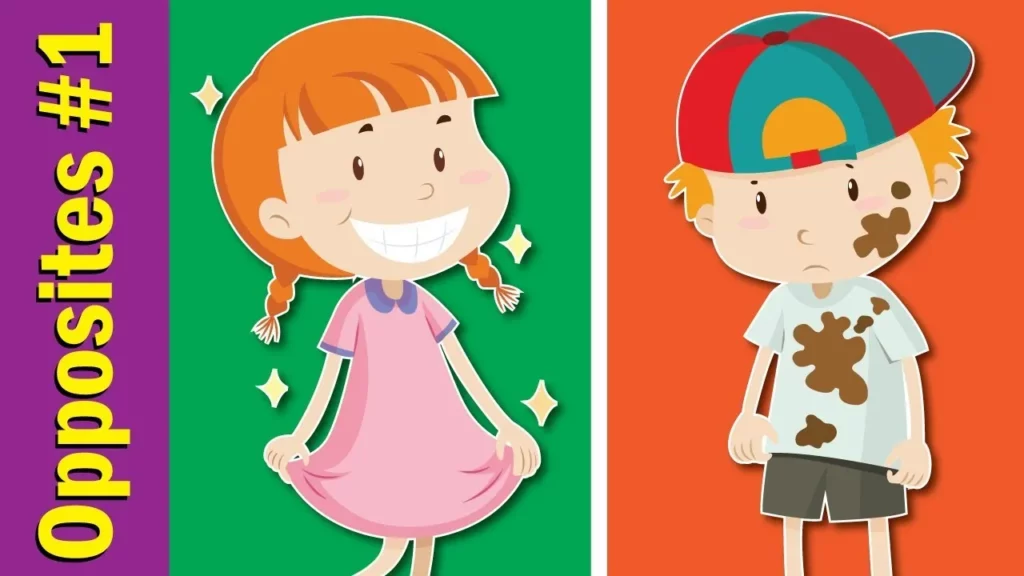
In today’s lesson, we explored the concept of opposites, which are words that have completely different meanings. We learned examples such as fast vs. slow, clean vs. dirty, and happy vs. sad, and practiced saying them together. The lesson emphasized the fun of discovering opposites in our everyday lives.
Learn 10 Food Names in English
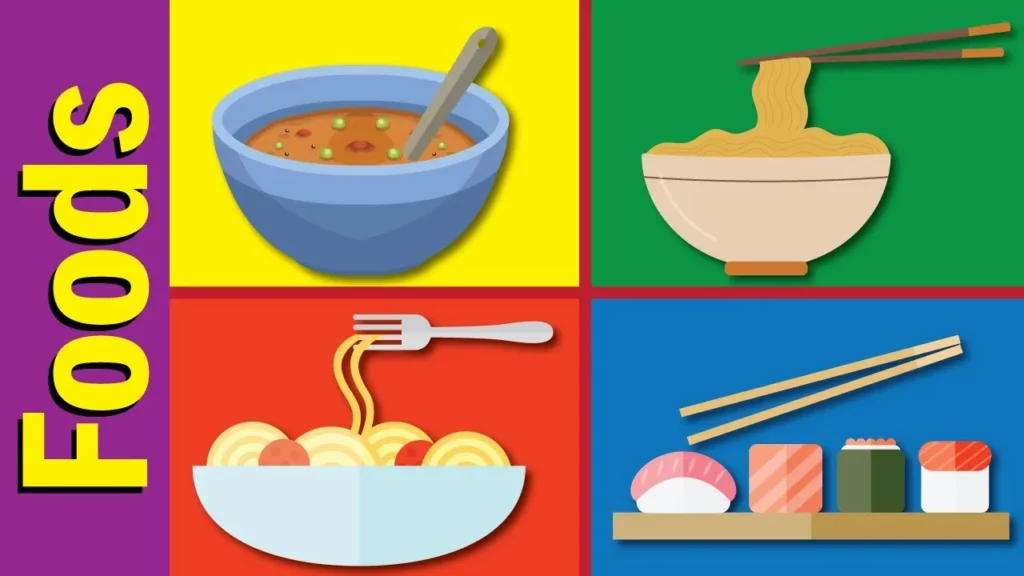
In the “Yummy Food Adventure!” lesson, participants explore a variety of delicious foods, including salad, rice, sushi, and pasta, while learning to name and appreciate them. The lesson also includes fun facts about each food item, emphasizing their nutritional benefits and cultural significance. Overall, it encourages children to try new foods and enjoy healthy eating.
Toys Vocabulary in English | Toys words
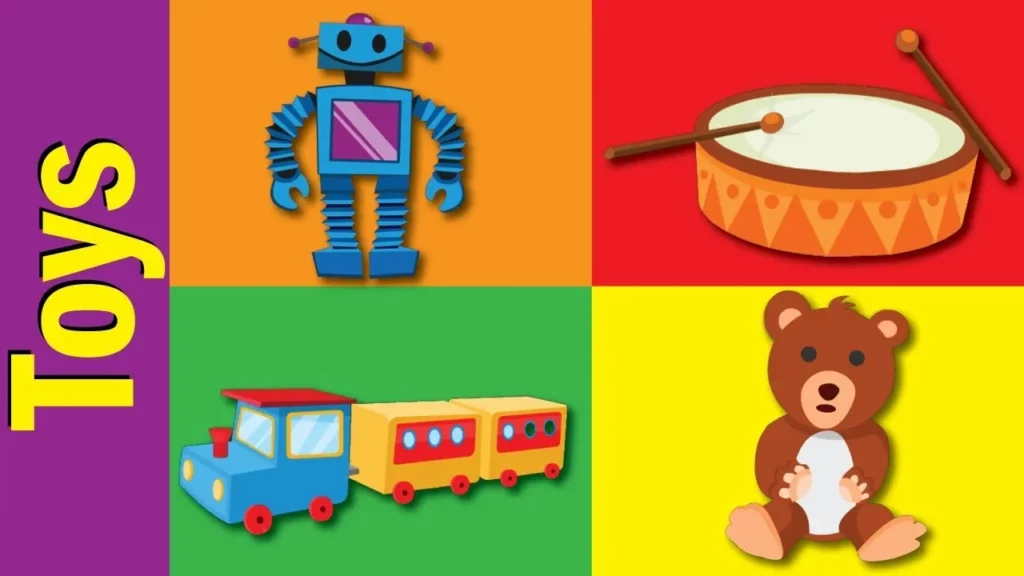
In this lesson, children are introduced to various fun toys, such as teddy bears, toy trains, and Lego blocks, encouraging them to recognize and appreciate their own toys at home. The lesson includes interactive elements, prompting children to say the names of the toys together, fostering engagement and participation. Overall, it’s a joyful exploration of toys that promotes learning through play.