
Amazing Effects of Sleep (And Lack of it)
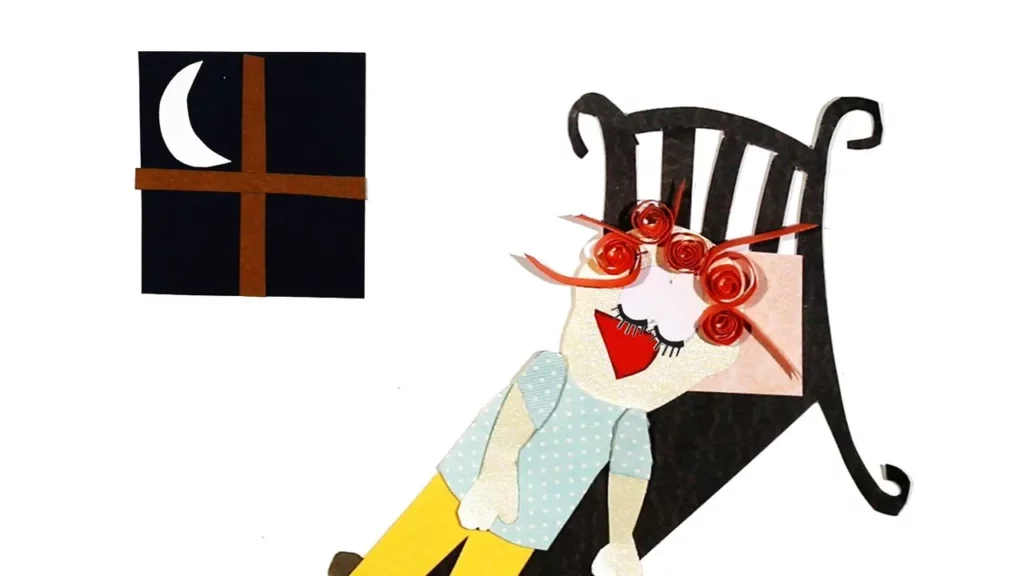
The lesson highlights the critical importance of sleep for both physical and mental health, contrasting historical views with modern research findings. An experiment from the 1930s involving a man named Z demonstrated that while it is possible to stay awake for extended periods without immediate harm, contemporary studies reveal that sleep deprivation can lead to serious health issues, including depression and heart disease. Adequate sleep is essential for memory consolidation and overall well-being, with experts recommending 7 to 9 hours of sleep each night to optimize cognitive function and health.
Everything You’ve Heard About Oxytocin is Wrong

The lesson “Everything You’ve Heard About Oxytocin is Wrong” explores the complexities of oxytocin, often labeled as the “cuddle chemical,” and debunks common myths surrounding its effects on emotions and behavior. While oxytocin plays a role in social bonding and can influence feelings, its impact is nuanced and not solely linked to simple actions like hugging, which may not significantly alter oxytocin levels or emotional states. Ongoing research continues to reveal the hormone’s dual nature, suggesting it can foster both positive and negative social behaviors.
Do Opposites Really Attract?
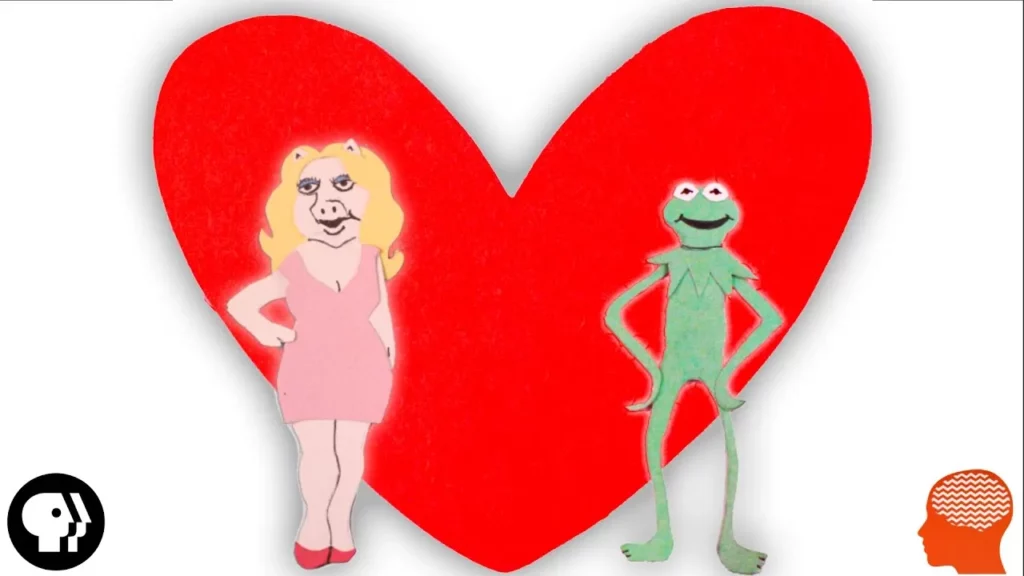
The lesson explores the concept of attraction in relationships, questioning the common belief that “opposites attract.” While research indicates that people often choose partners with similar traits—a phenomenon known as “positive assortative mating”—there are instances where opposites do attract, particularly in terms of genetic compatibility. Ultimately, the dynamics of attraction are complex and influenced by individual chemistry, making it a unique experience for each couple.
Does Smiling Make You Happy?
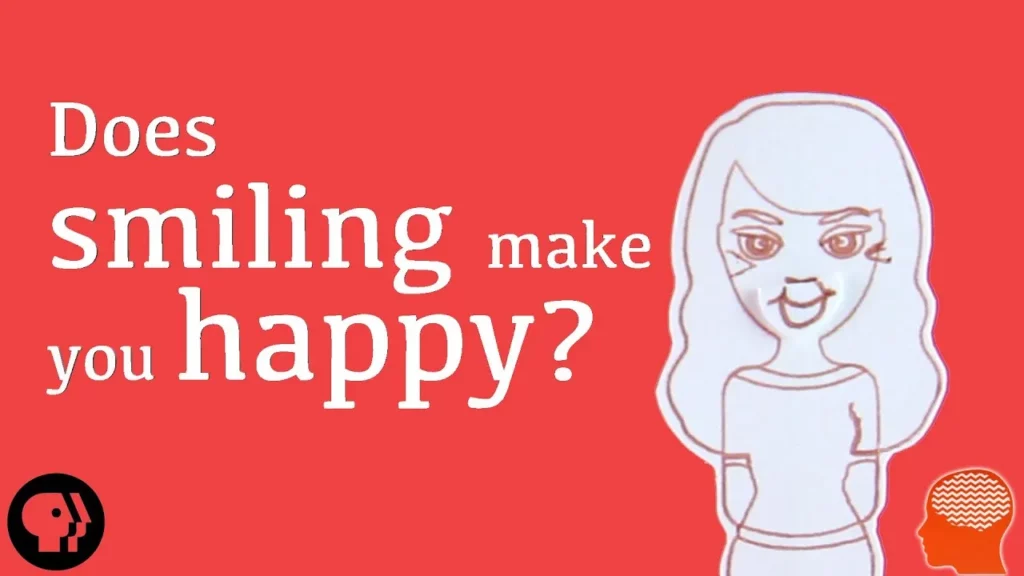
The lesson explores the relationship between smiling and happiness, starting with Guillaume Duchenne’s discovery of the muscles involved in genuine smiles, known as “Duchenne smiles.” It discusses the facial feedback hypothesis, which suggests that smiling can influence our emotions, supported by research showing that both genuine and even forced smiles can lead to increased feelings of happiness and reduced stress. Ultimately, the lesson encourages using smiling as a simple yet effective tool to improve mood.
The Man With a Hole in His Brain
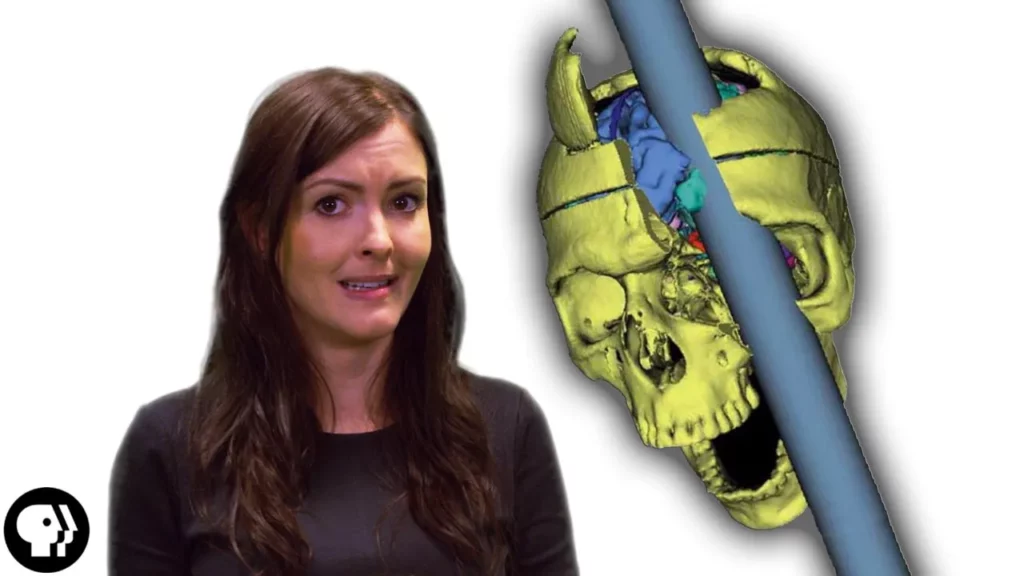
The lesson discusses the extraordinary case of Phineas Gage, a railway foreman who survived a severe brain injury in 1848 when an iron rod penetrated his frontal lobe. While he initially appeared to recover, significant changes in his personality highlighted the role of the frontal lobes in social behavior and decision-making, leading to the understanding of frontal lobe disorder. Gage’s accident has had a lasting impact on neurology, providing early evidence of the localization of cognitive functions in the brain and influencing modern research on brain injuries and their effects on behavior.
The Upside of Forgetting
The lesson “The Upside of Forgetting” explores the reasons behind forgetfulness and its benefits. It discusses theories such as decay and interference, which explain how memories fade or compete with new information, and highlights the role of proteins like Musashi and Adducin in memory formation. Ultimately, the lesson emphasizes that forgetting is a natural and necessary process that helps keep our brains flexible and focused on what truly matters.
The Sounds That Are Unbearable (Misophonia explained)

The lesson explores Misophonia, a condition characterized by intense emotional and physical reactions to specific sounds, such as chewing or tapping. It highlights that individuals with Misophonia experience these sounds as distressing due to differences in brain processing, leading to heightened sensitivity compared to the general population. While Misophonia is not officially recognized as a disorder, understanding it can foster support for further research and potential treatments.
One Weird Visual Illusion Explained

The lesson explores the concept of ambiguous figures and visual illusions, highlighting how certain images can be perceived in multiple ways, such as a young woman and an older woman in the same picture. It introduces a fun home experiment that creates the illusion of a hole in your hand using a rolled-up piece of paper, explaining the phenomenon of binocular rivalry, where the brain alternates between different images from each eye. This exercise demonstrates the brain’s remarkable ability to process visual information and how perception can change even when the visual input remains constant.
The Unexpected Effects of Knitting
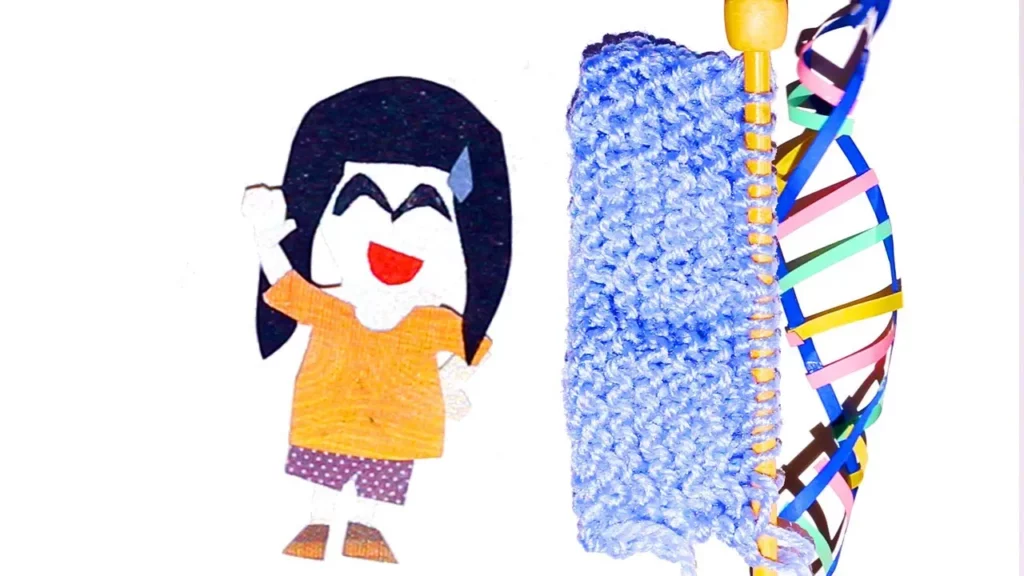
The lesson explores the psychological and physiological benefits of knitting, highlighting a study where over 80% of participants reported improved mental well-being after engaging in this creative activity. Knitting, along with other rhythmic and repetitive tasks, can trigger a relaxation response that reduces stress and anxiety, enhances brain health, and even influences gene expression related to cellular function and aging. The lesson emphasizes the importance of creative activities in promoting calmness and happiness, while also suggesting community projects like knitting neurons to further engage and benefit the brain.
Can You Visualise This? (Aphantasia Explained)
The lesson on Aphantasia explores the condition where individuals are unable to create mental images, often described as having a “blind mind’s eye.” Through examples like Andy’s experience and the case of Patient MX, the lesson illustrates how people with Aphantasia rely on words and concepts rather than visual imagery, leading to a deeper understanding of this unique cognitive phenomenon. The growing interest in Aphantasia highlights the diversity of human experiences and the ongoing research aimed at uncovering the underlying mechanisms of this condition.