
Learn The English Alphabet for Kids
In today’s lesson, we explored the alphabet by focusing on the letters A through H, learning their sounds and associated words. Each letter was introduced with examples, such as “A” for “apple” and “B” for “bike,” encouraging students to practice pronunciation. The lesson emphasized the fun of learning letters and sounds, aiming to build confidence in young learners as they become familiar with the alphabet.
Trading One to Tens | 1st Grade | Math
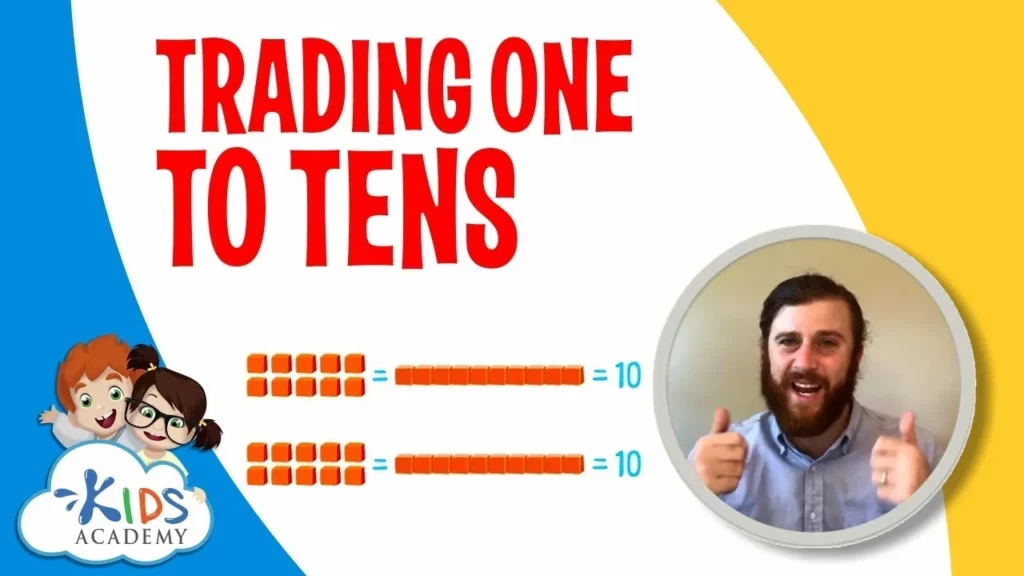
In today’s lesson, we explored the concept of base 10 blocks, focusing on the small cubes that represent the number one and the longer blocks, or “longs,” that represent the number ten. We learned how to trade ten cubes for one long through various counting examples, reinforcing the idea that grouping ten small blocks creates a larger block. This foundational understanding of base 10 blocks will help us better grasp numbers and their relationships.
Sorting and Matching Activities. Same and Different for Preschool and Kindergarten
In today’s lesson, we learned about sorting with the help of Eddie the Elephant, focusing on identifying similarities and differences among various objects. Through fun examples involving balloons, stars, ducks, cars, and animals, we practiced sorting by color, size, shape, and position. The lesson emphasized the importance of observation in sorting and encouraged creativity and engagement in the sorting process.
4th Of July For Kids – Independence Day | Story with Interesting Facts for Children
The lesson explains the significance of the 4th of July, or Independence Day, which commemorates the approval of the Declaration of Independence on July 4, 1776, marking America’s freedom from British rule. It highlights the importance of independence, the creation of the Constitution, and the Bill of Rights, which protect the freedoms of American citizens. Ultimately, the 4th of July is celebrated as a day to honor freedom and the efforts of those who contributed to making America a free nation.
Know Your Money – US Coins Counting for 1st Grade
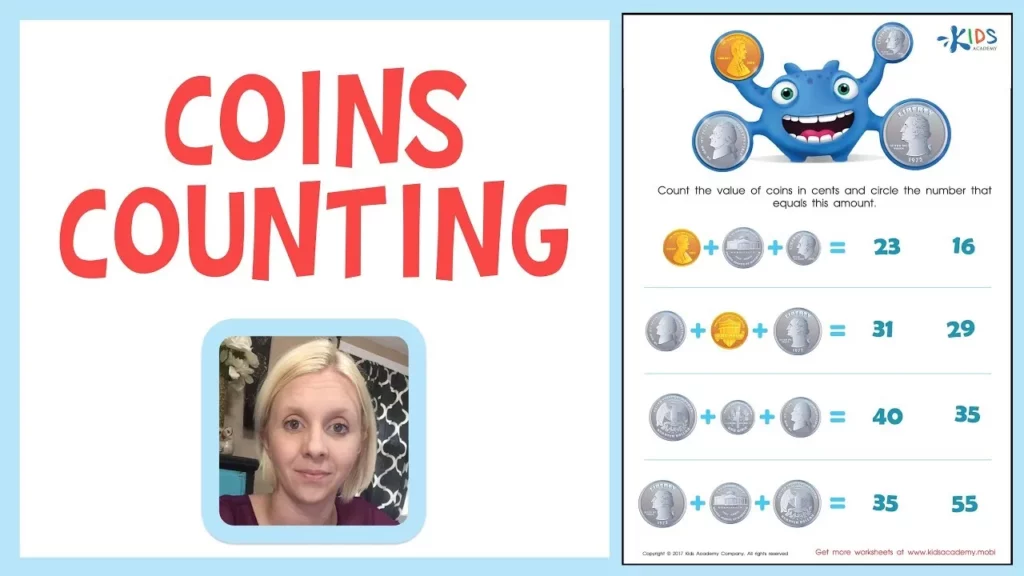
In today’s lesson, we explored the world of coins, learning about their values and how to count them. We examined four types of coins—pennies, nickels, dimes, and quarters—and practiced adding their values together through various examples, ultimately enhancing our coin-counting skills. Great job to everyone for participating and practicing!
Puss in Boots Story | Read Aloud Bedtime Story for Kids
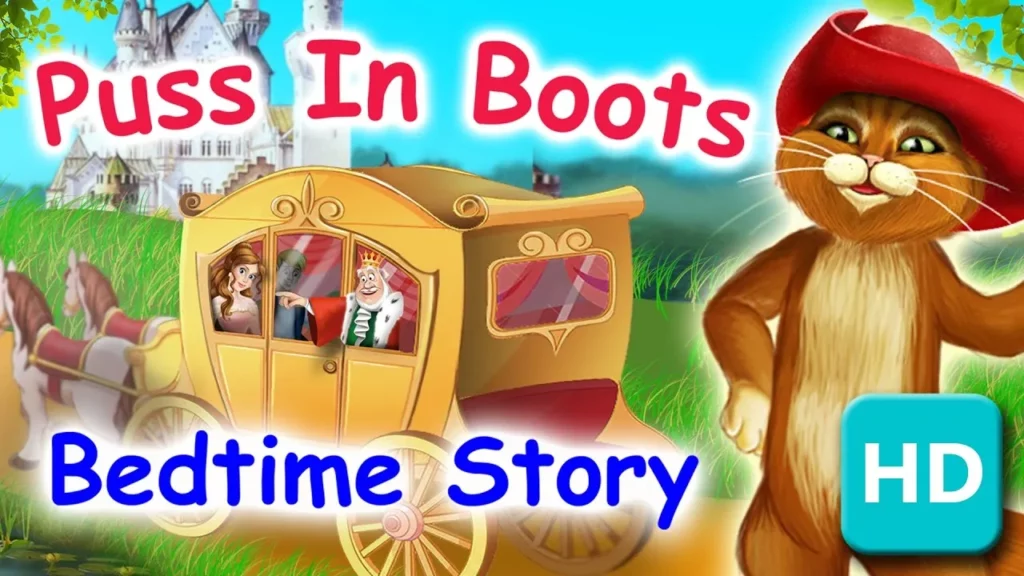
In “The Adventures of Puss in Boots,” a young man inherits a cat, which he initially sees as a disadvantage compared to his brothers’ inheritances. However, the clever cat devises a series of clever schemes that elevate the young man to the status of the noble Marquis de Carabas, ultimately leading to his marriage to the king’s daughter and a life of prosperity. The story highlights themes of resourcefulness, cleverness, and the idea that appearances can be deceiving.
Force, Work and Energy for Kids | Types of Energy | Pushing and Pulling
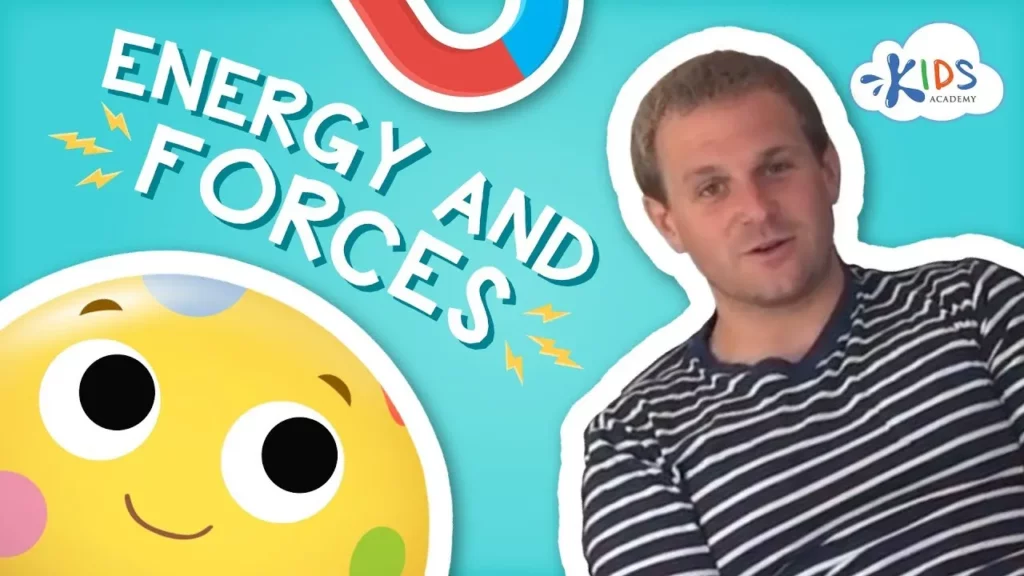
In this lesson, Andrew and his friend Paulie introduce the concepts of energy and force, explaining how they help us understand movement in our everyday lives. They discuss various types of energy, such as chemical, electrical, light, and wind energy, and illustrate how force, including the special force of gravity, plays a crucial role in moving objects. The lesson emphasizes the connection between energy and force, making science relatable and engaging for learners.
How To Keep Track With Tally Marks | How To Use Tally Marks
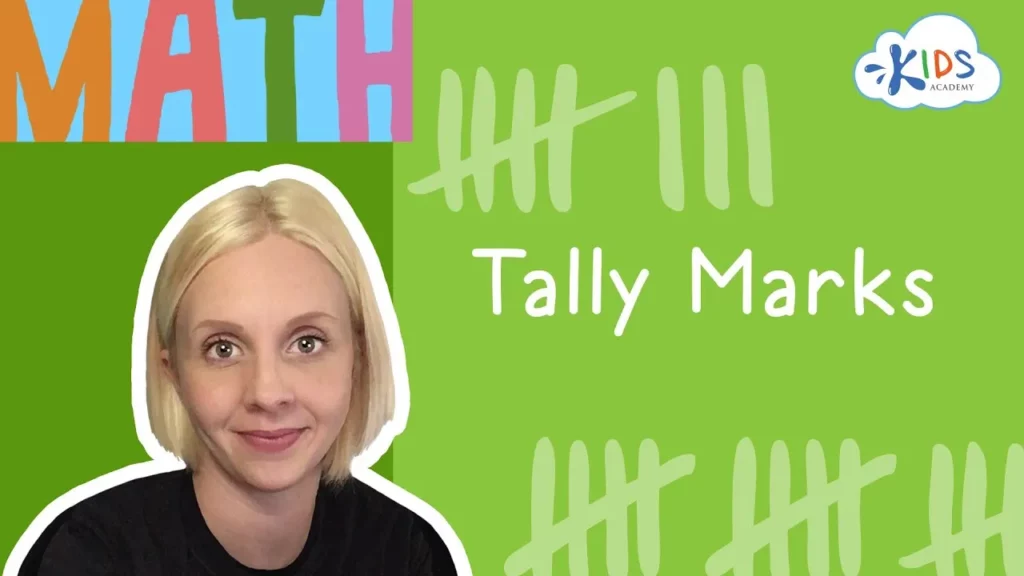
In today’s lesson, we explored the concept of tally marks as a fun and effective way to count and organize information. Through the “Bugs Tally” worksheet, we practiced counting various bugs, learning how to represent numbers using simple lines, especially grouping them in fives for easier counting. By the end of the lesson, students gained confidence in using tally marks and enjoyed the counting process.
Practice Verbs – Building Vocabulary – Grade 2
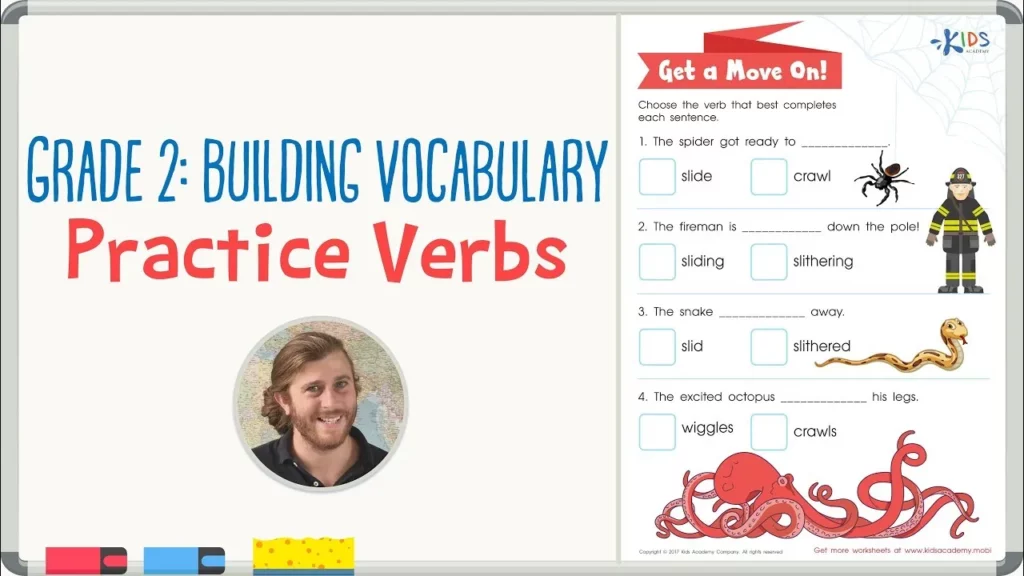
In today’s lesson, we explored the importance of choosing the correct action words, or verbs, to complete sentences about different animals and professions. Through examples involving a spider, fireman, snake, and octopus, we learned how to identify the appropriate verb based on the actions associated with each subject. Remember to think about what the subject does and practice regularly to enhance your verb selection skills!
Types of Winter Sports for kids + Quizzes!
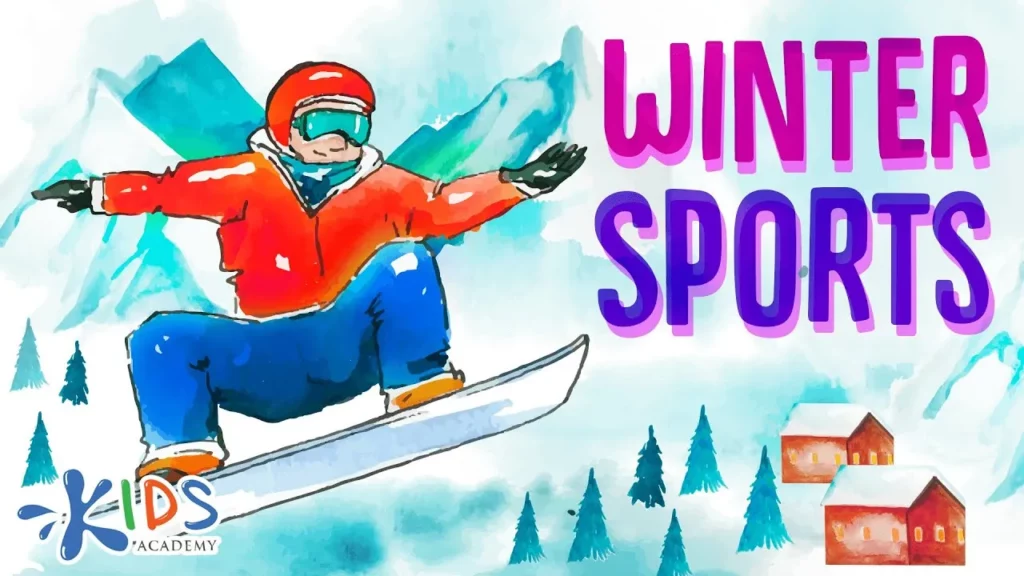
In today’s lesson, we explored various exciting winter sports from around the world, including skiing, snowboarding, ice skating, ice hockey, biathlon, bobsledding, curling, and luge. Each sport offers unique thrills and challenges, whether it’s racing down snowy mountains or gliding gracefully on ice. The lesson encourages students to appreciate the diversity of winter sports and to engage in fun activities during the chilly season.