
Practice Place Value for 1st Grade
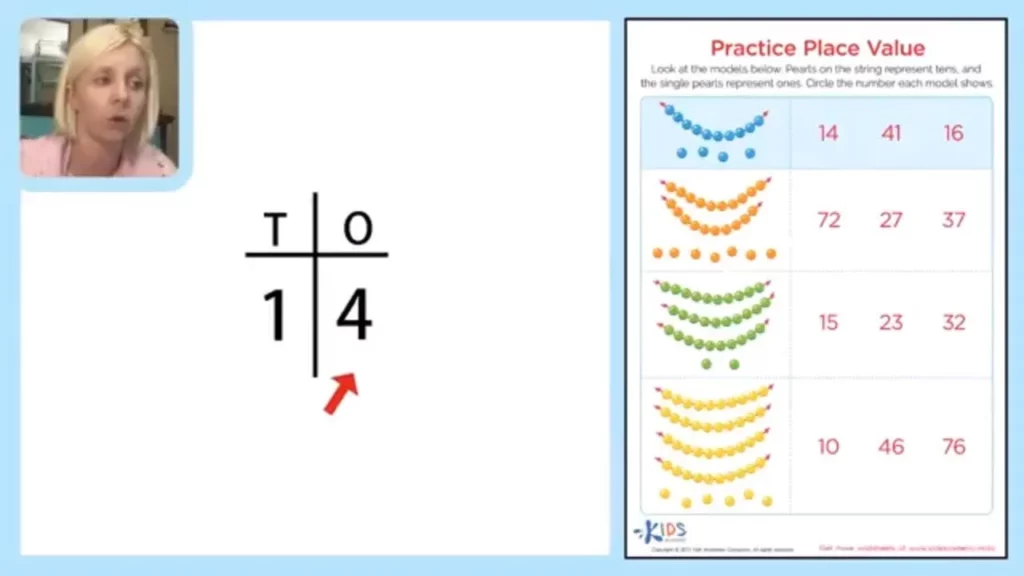
In today’s lesson, we explored the concept of place value using pearls on a string to represent tens and ones. By counting strings of pearls for tens and individual pearls for ones, we practiced forming numbers and utilized a T-chart to visually organize our findings. Great job on mastering place value, and keep practicing to enhance your number skills!
Matching & Logic Games for Kids | Problem Solving Games
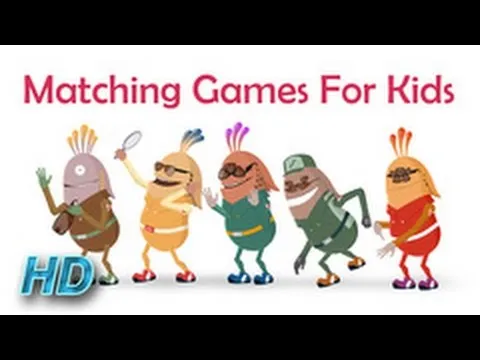
In this lesson, Nash and his friends from the planet Wutania invite participants to help them find their special space glasses, which were mixed up during a space storm. Each character has a different number of eyes and requires glasses with a corresponding number of lenses, providing an engaging way for learners to practice counting and problem-solving. Once all the glasses are found, the group expresses gratitude and excitement for their upcoming space adventures.
Learn Numbers for Kids Teach Counting How To Learn Easy The Numbers For Kids
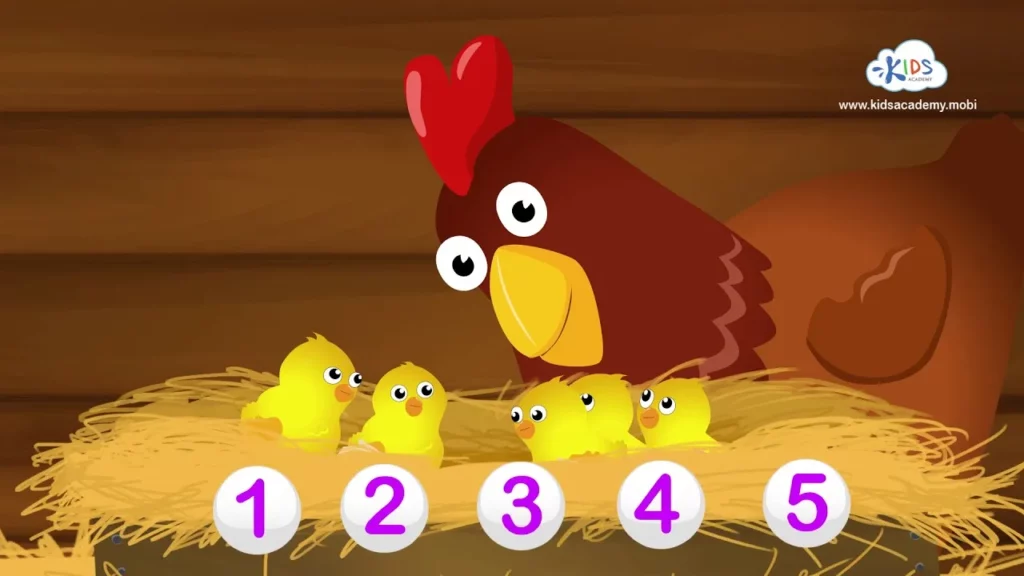
In this lesson, Chloe invites children to join her in counting the adorable chicks that hatch from shiny chicken eggs. As each egg hatches, they count together from one to five, reinforcing their counting skills in a fun and engaging way. The lesson concludes with Chloe expressing gratitude for their participation and encouraging a sense of joy in learning.
Days of the Week and Months of the Year Songs + More Nursery Rhymes & Kids Songs
In this lesson, students learn about the days of the week and the months of the year, emphasizing the sequence and names of each. The lesson encourages engagement by inviting students to repeat the days and months, highlighting the fun and uniqueness of each. It concludes by motivating learners to continue practicing with family and friends, reinforcing the idea that every day is an opportunity for new learning.
Round Down to the Nearest 100 | Math for 3rd Grade
In this lesson, students learn how to round numbers to the nearest hundred by focusing on the tens place. The key rule is that if the tens digit is five or higher, they round up, while if it’s four or lower, they round down, turning the tens and ones places into zeros. Practical examples, such as rounding visitor numbers for landmarks, help reinforce these concepts and encourage students to practice their rounding skills.
Learn to Play Chess | King and Queen Mate
In this lesson, Coach Rob teaches the king and queen checkmate, a fundamental chess technique that allows players to win by effectively coordinating their king and queen against the opponent’s king. The process involves three steps: positioning the queen to restrict the enemy king’s movement, mirroring the king’s moves to gradually reduce his escape options, and finally bringing in your own king to secure the checkmate. Mastering this skill is essential for every chess player, and practice will enhance your abilities on the board.
The king of the cats | Fairy tales | Learn Like Nastya
In “The Tale of the Two Brothers and the Mysterious Cat,” brothers El Shender and Fergus experience an unexpected adventure when Fergus goes hunting and encounters a magical scene involving a funeral for a cat king. After navigating through a thick fog and discovering a hidden church inside a tree, Fergus learns that their own black cat is the new king of the cats. The story highlights themes of curiosity, the bond between brothers, and the whimsical nature of unexpected events.
Equivalent Fractions | Math for 3rd Grade
In this lesson, we explored the concept of equivalent fractions, which are different fractions that represent the same part of a whole. Through engaging examples, such as comparing one-fourth to two-eighths and two-thirds to six-ninths, we learned how fractions can look different but still hold the same value. Remember, the numerator indicates how many parts we have, while the denominator shows how many equal parts the whole is divided into, encouraging students to practice and discover equivalent fractions on their own.
Learn to Play Chess | Double Attack or Fork
In this lesson, we explored the concept of the “double attack” or “fork” in chess, a strategic move that allows a player to threaten two of their opponent’s pieces simultaneously, making it difficult for the opponent to defend both. Through examples and puzzles, we learned how to identify optimal positions for executing double attacks and emphasized the importance of practice in mastering this tactic. Remember, all chess pieces can perform double attacks, so always be on the lookout for opportunities to attack multiple targets at once!
Fractions Practice | Math for 2nd Grade
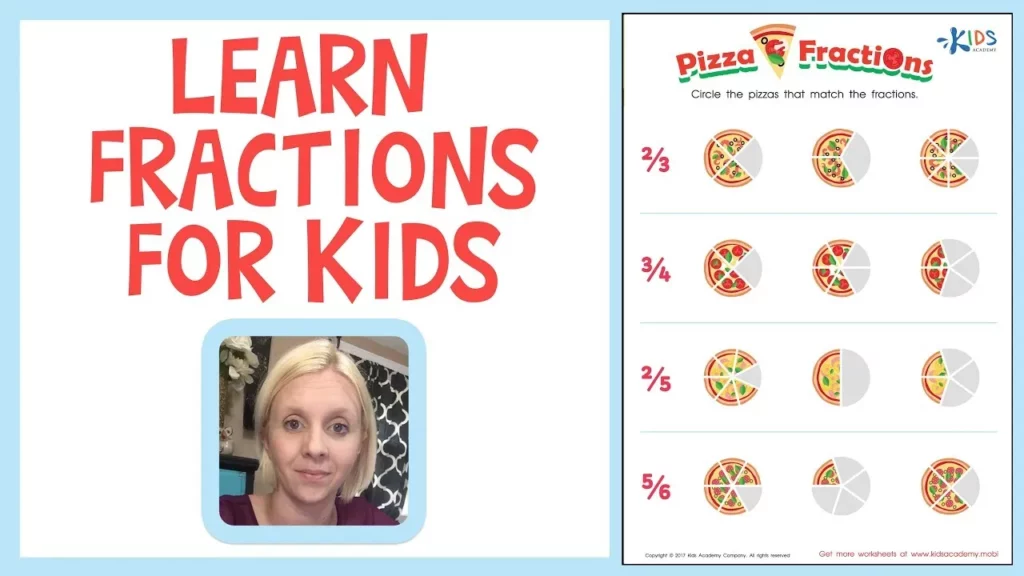
In today’s lesson, we explored fractions using the fun and relatable concept of pizza slices. We learned how to identify and match fractions, such as 2/3, 3/4, 2/5, and 5/6, to their corresponding pizzas by counting the total pieces and the pieces shown. By engaging with this hands-on activity, students gained a better understanding of how fractions represent parts of a whole in a delicious context!