
How To Sort Objects for Kids | Sorting & Matching Games for Children
In this engaging lesson, children embark on an ocean adventure with Leo and his friends as they help find hiding spots from a hungry shark. The lesson continues with various activities, including helping a wizard fix a storm’s chaos, restoring colors to a town, organizing birthday cakes, cleaning a bathroom, matching clothes, and sorting objects by size. Each segment encourages participation and critical thinking while fostering creativity and problem-solving skills.
Learn Numbers up to 20 for Preschool and Kindergarten | Counting for Kids
In today’s lesson, we explored the concept of numbers and counting through engaging stories and characters. We learned about the significance of zero, counted floors with Bernie, chicks with Chloe, turtles with Michael, and celebrated birthdays with Matt, reinforcing our counting skills along the way. The lesson emphasized the joy of learning numbers through fun activities and collaboration.
Phonics Blends For Kids | BL, CL, Gl, SL, FL | Consonant Blends
In today’s story time, we read “Two Friends,” which follows Clara and Sal as they enjoy a snowy day together. Throughout the story, we focused on identifying L blends, where two letters combine to create a unique sound, such as in the words “sled” and “plate.” The lesson emphasized listening for these sounds while enjoying the adventures of Clara and Sal.
Learn to Play Chess – Chess Notation Names of Squares
In this introductory lesson to chess, Robert Lazorczyk guides students through understanding the chessboard and the naming of its squares using a combination of files and ranks, such as a8 and b3. He emphasizes the importance of square names for reading chess literature and participating in tournaments, where notation is essential for tracking moves. Students are encouraged to practice naming squares while playing to enhance their familiarity with the game.
Learn to Play Chess – Special Moves: Castling | Chess for Kids
In this lesson, young chess enthusiasts learned about the special move called castling, which involves moving both the king and a rook simultaneously to enhance the king’s safety. The lesson covered the mechanics of castling, including the two types—kingside and queenside—along with the rules that must be followed and situations where castling is not allowed. Players are encouraged to castle early in the game to protect their king effectively.
Geometry for 1st and 2nd grade – Geometry Review – Hexagon, Trapezoid, Pentagon and more
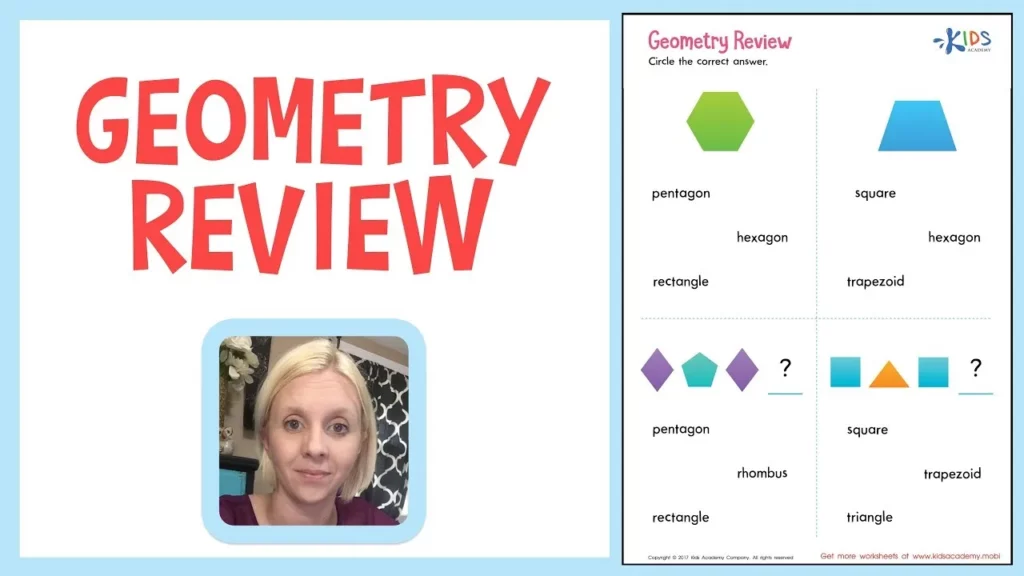
In today’s lesson, students explored various geometric shapes by identifying them based on the number of sides and their characteristics, such as recognizing a hexagon and a trapezoid. They also engaged in pattern recognition by determining the next shapes in sequences, reinforcing their understanding of both shapes and patterns. Overall, the lesson emphasized fun and interactive learning to help students become more familiar with geometry.
Suffixes ER, NESS for Kids | English Grammar for 2nd Grade
In today’s lesson, we explored the concept of suffixes, specifically “-er” and “-ness,” which help us understand the roles of people and qualities of things. Through the story “Our Neighborhood,” we met characters like Thomas, Megan, and Sara, who exemplified these suffixes in their professions and traits. We also practiced identifying words with suffixes, enhancing our vocabulary and comprehension skills.
Finding Tens – Counting numbers in a Group of 10 | Math for 1st Grade
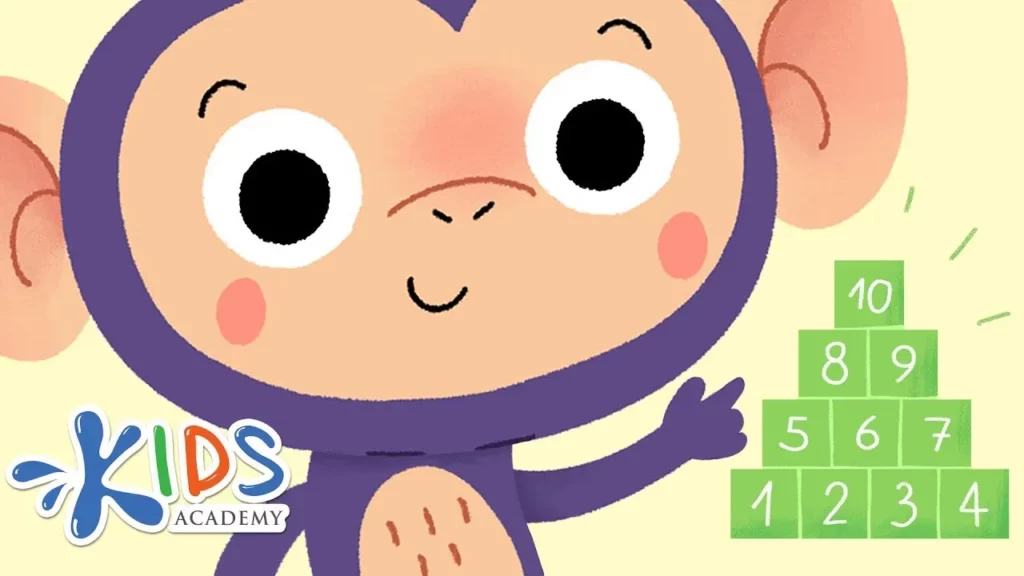
In today’s lesson, we explored the number 10 through fun activities like counting blocks and animals. We learned to recognize groups of 10 by counting red, orange, and green blocks, as well as finding groups of 10 animals at the zoo. The lesson emphasized the joy of counting and discovering patterns in everyday life.
Learn Letters Q to T | Preschool & Kindergarten
In today’s lesson, we explored the letters Q, R, S, and T, each associated with fun words like “Queen,” “Rocket,” “Seal,” and “Train.” We engaged in imaginative activities, such as pretending to be a seal and discussing the exciting aspects of each word. The lesson emphasized the joy of learning letters and encouraged students to continue discovering them in their surroundings.
Women Who Changed the World. The Greatest Women in Science. Education for Kids
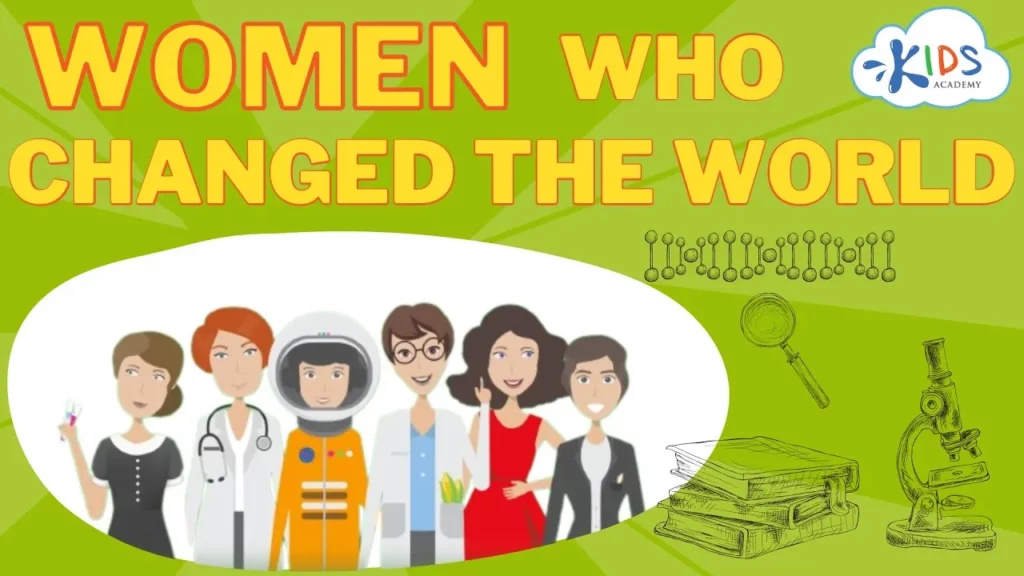
The lesson “Celebrating Amazing Women in Science” highlights the significant contributions of women in various scientific fields, showcasing figures like Sally Ride, Elizabeth Blackwell, Marie Curie, Barbara McClintock, Maria Beasley, and Hedy Lamarr. Each of these women broke barriers and made groundbreaking discoveries, from space exploration to medical advancements and technological innovations. The lesson aims to inspire young girls to pursue their interests in science and recognize the vital role women have played in shaping our world.