
Towns and Cities: Urban and Rural Communities | Social Studies for Kindergarten
In today’s lesson, we explored the concept of a town, highlighting its cozy and friendly characteristics compared to larger cities. Through engaging activities and pictures, we identified common features of towns, such as small houses, farmland, and narrow roads, reinforcing our understanding of what makes a town special. Great job on this fun learning adventure!
Match Exactly the Same | Matching & Logic Games for Kids
In today’s lesson, we played a fun matching game where we identified toys that looked exactly the same based on their size, color, and shape. We practiced finding matching items like shovels, sandcastles, buckets, and toy cars, learning to distinguish between those that were identical and those that were similar but not quite the same. Remembering these matching tips will help us become better at finding perfect pairs in the future!
Months of The Year for Kids | Learn 12 Months of the Year
In this lesson, children are introduced to the months of the year, learning about each month’s unique characteristics and seasonal changes. The lesson emphasizes the fun and special aspects of each month, encouraging kids to engage with the content by repeating the names of the months together. Overall, it promotes a sense of curiosity and appreciation for the yearly cycle.
Rounding Numbers to the Nearest 10 and 100 | Math for 3rd Grade
In this lesson, students learn how to round numbers to the nearest hundred by examining the tens place digit. If the tens digit is 5 or greater, they round up, while if it’s 4 or less, they round down, turning the tens and ones places into zeros. The lesson also introduces rounding to the nearest ten, reinforcing the concept with practical examples and exercises to enhance understanding.
Social Studies for Kids Recycling, Civil Rights, The Right to Vote
In today’s lesson, we explored the importance of recycling, learning how to sort trash into recycling and waste bins, and understanding what materials can be recycled. We also discussed civil rights, highlighting the struggles against segregation and the contributions of activists like Rosa Parks and Martin Luther King Jr. Finally, we covered the concepts of laws, rights, and responsibilities, emphasizing how laws protect citizens and ensure fairness in society.
Place Value for Kids: Ones and Tens – Place Value Blocks | Math for 1st Grade
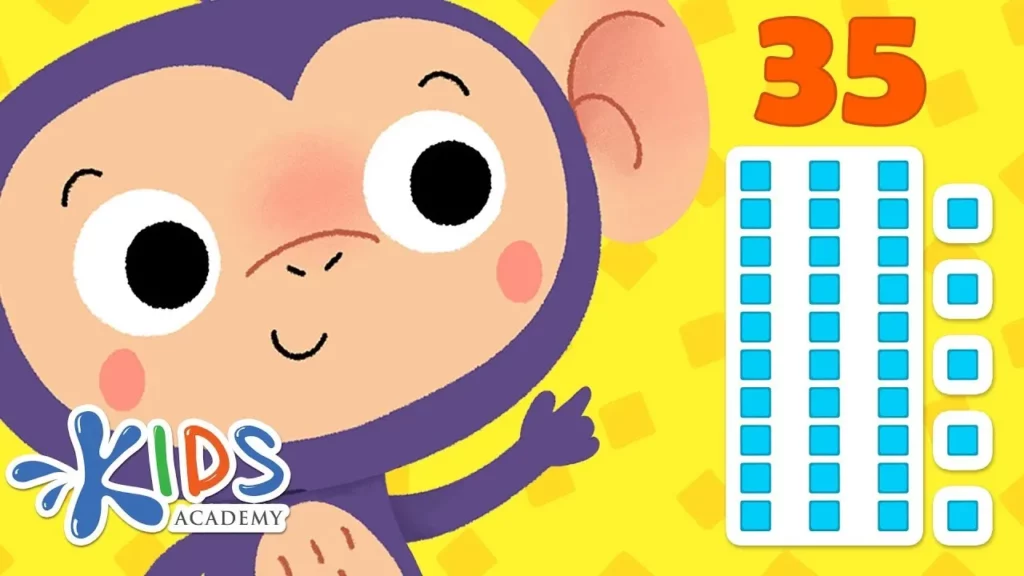
In this lesson, students explore the number 10 through various counting activities, including counting blocks and animals, which helps them recognize patterns and groupings. They also learn about place value, understanding how digits represent different values in numbers, and practice counting with pearls to reinforce the concepts of tens and ones. The lesson concludes with transportation-themed exercises that further solidify their understanding of counting and place value.
Colors Song | Learn Colors – Children Song – Nursery Rhymes
In this lesson, young explorers embark on a colorful adventure to learn about various colors, including red, blue, green, yellow, white, gray, black, brown, orange, purple, and pink. Each color is introduced with relatable examples from everyday life, encouraging children to identify and celebrate the vibrant hues around them. The lesson concludes by emphasizing the beauty and joy that colors bring to our world, inspiring continued exploration.
Easy Science Experiments for Preschool & Kindergarten with Sound
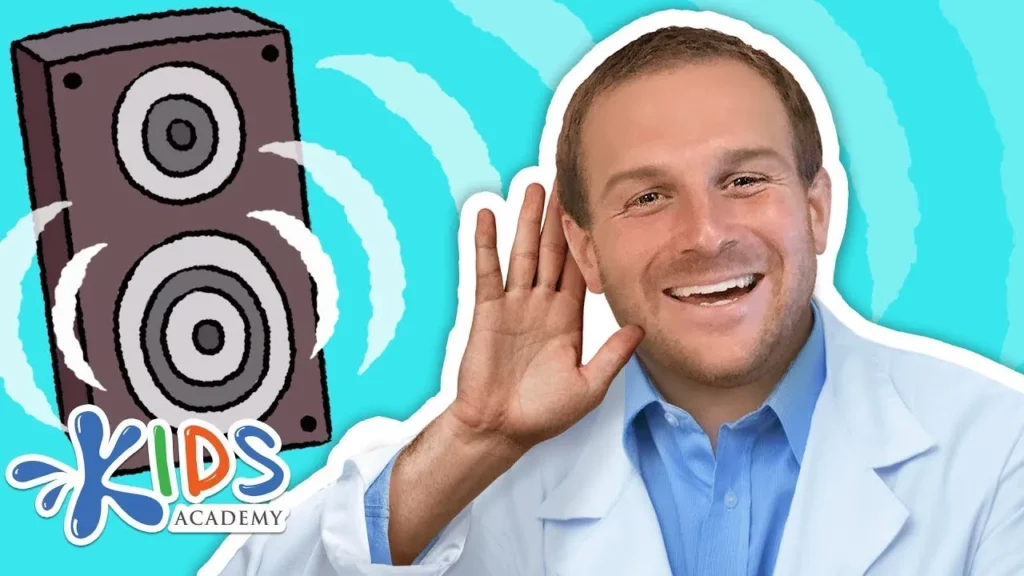
In this lesson, Andrew and Molly introduce the concept of sound, explaining that it is a type of energy produced by sound sources that create vibrations. They discuss how sounds travel through the air to our ears and highlight the role of musical instruments in producing sound through vibrations. The lesson encourages exploration of sounds in our environment and includes a fun experiment to demonstrate how different objects create varying sounds.
Suffixes ER, NESS, FUL, LESS, LY, ABLE – English Grammar
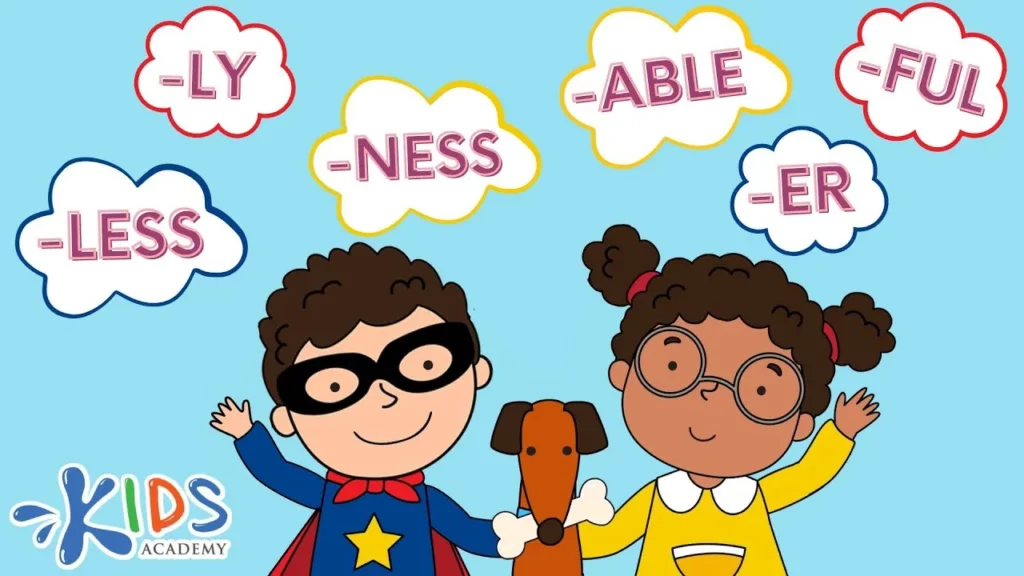
In today’s lesson at Kids Academy, we explored the concept of suffixes, specifically focusing on “ness” and “er,” through the engaging story “Our Neighborhood.” We met various neighborhood friends, such as Thomas the dog walker and Megan the baker, while learning how suffixes change the meanings of words, like “baker” indicating someone who bakes. Additionally, we introduced other suffixes like “ful,” “less,” “ly,” and “able,” enhancing our understanding of how these endings modify words and their meanings.
Arrays for Kids | Math for 2nd Grade
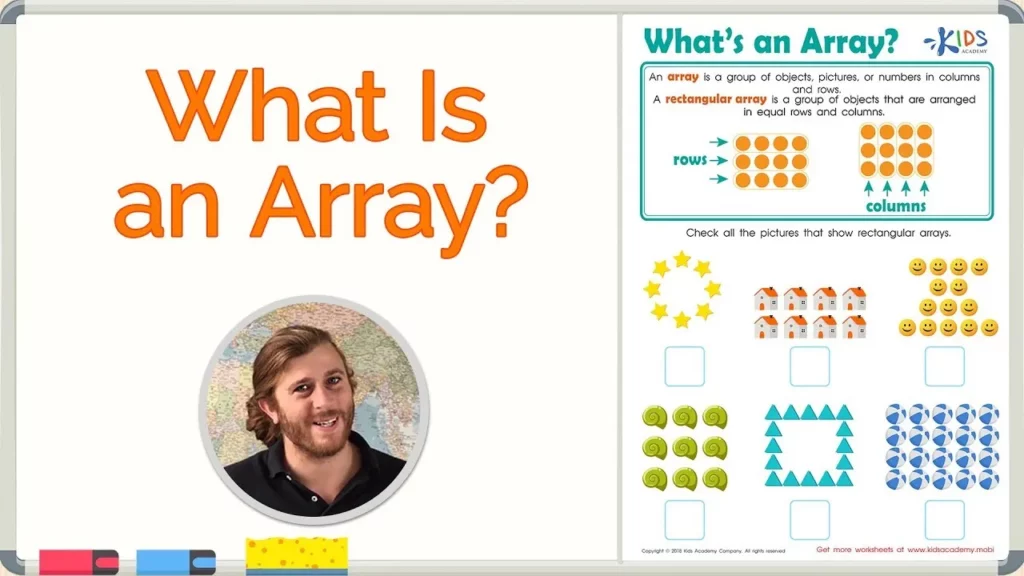
In today’s lesson, Teacher Mike introduced the concept of arrays, explaining that they are groups of objects, pictures, or numbers arranged in neat rows and columns. Through examples, students learned how to identify rectangular arrays by ensuring that each row and column contains the same number of items, which helps simplify counting and lays the groundwork for understanding multiplication. The lesson concluded with a reminder that recognizing arrays can enhance organization and counting skills.