
Counting with Tally Marks and Tally Charts | Math for Kindergarten & 1st Grade
In today’s lesson, we explored the concept of tally marks, a simple and effective way to count and organize items, such as animals at the zoo. By grouping counts in sets of five, we learned how to represent numbers visually, making counting easier and more efficient. Overall, tally marks serve as a fun tool for organizing information and enhancing our counting skills.
Sort the Same Group Two Different Ways | Preschool and Kindergarten
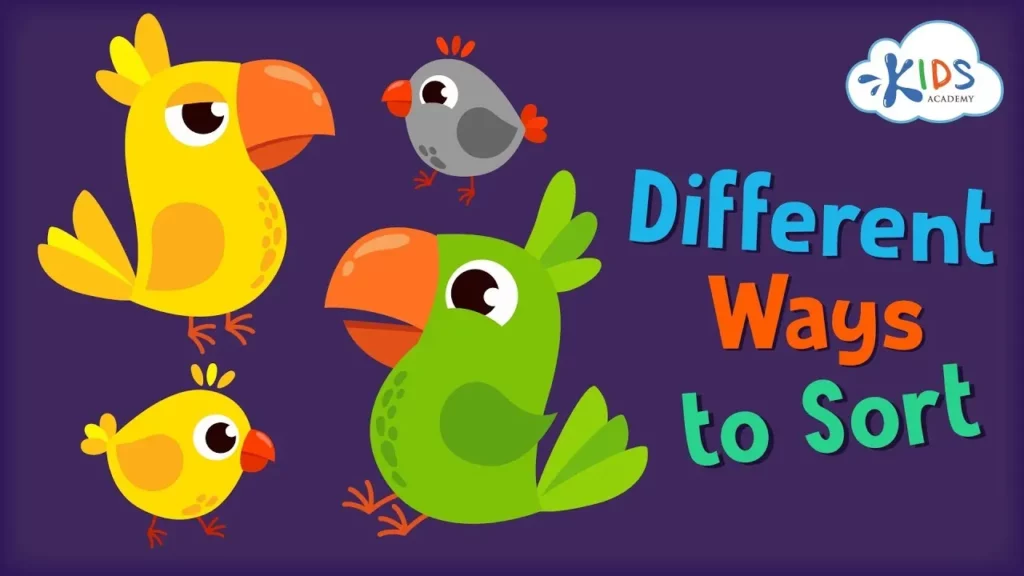
In today’s lesson, we explored the concept of sorting by grouping items based on shared characteristics. We practiced sorting toy cars first by color, identifying red cars regardless of their size, and then by size, focusing on small and big cars. Finally, we applied our sorting skills to birds, reinforcing that items can be categorized in multiple ways, making sorting a fun and versatile activity!
Long and Short Vowel Sounds for Kids | A E I O U
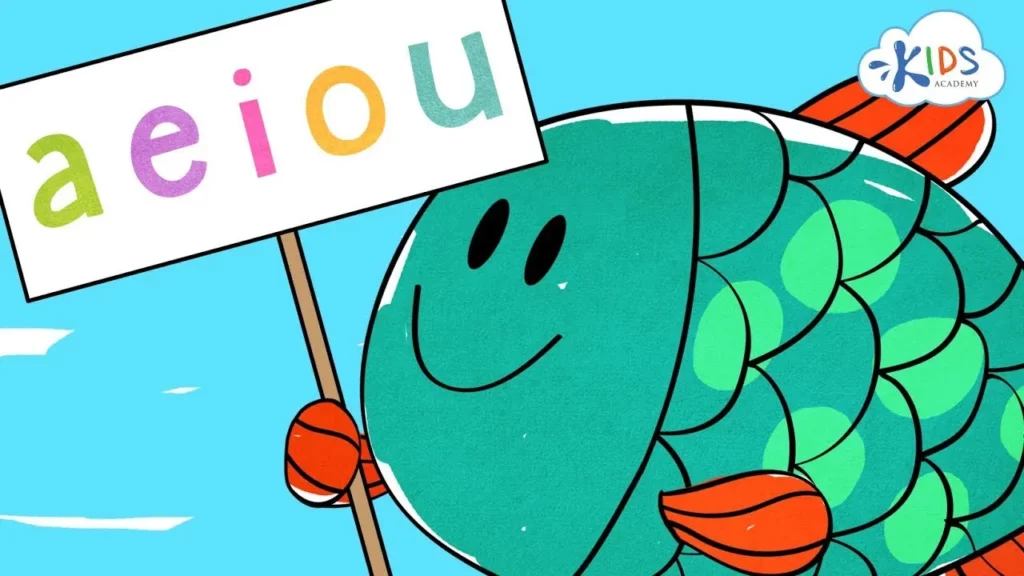
In today’s lesson, we explored vowel sounds, focusing on the distinction between short and long vowels. We practiced identifying short vowel sounds in words like “octopus” and “umbrella,” and long vowel sounds in words such as “cake” and “ice.” Through interactive games and exercises, students enhanced their understanding and sorting skills of vowel sounds, setting the stage for continued learning.
Learn to Read | Phonics for Kids | ELA Lessons for Kindergarten & Grade 1
In today’s lesson, we explored how words are formed using letters from the alphabet, starting with simple examples like “dog,” “cat,” and “mop.” We learned about the importance of spaces between words for readability, how to create words by combining sounds, and the difference between uppercase and lowercase letters. Finally, we practiced reading sentences from top to bottom and left to right, encouraging students to continue practicing their reading and writing skills independently.
Light and Sound for Children| Science for Kids
In today’s lesson, we explored the fascinating concepts of sound and light, two forms of energy that play a crucial role in our daily lives. Sound is created through vibrations that travel through the air, allowing us to hear music and other sounds, while light consists of tiny waves that help us see by bouncing off objects. Together, sound and light enhance our communication and understanding of the world, encouraging us to continue exploring their wonders.
Native Americans for Kids: Cherokee, Apache, Navajo, Iroquois and Sioux
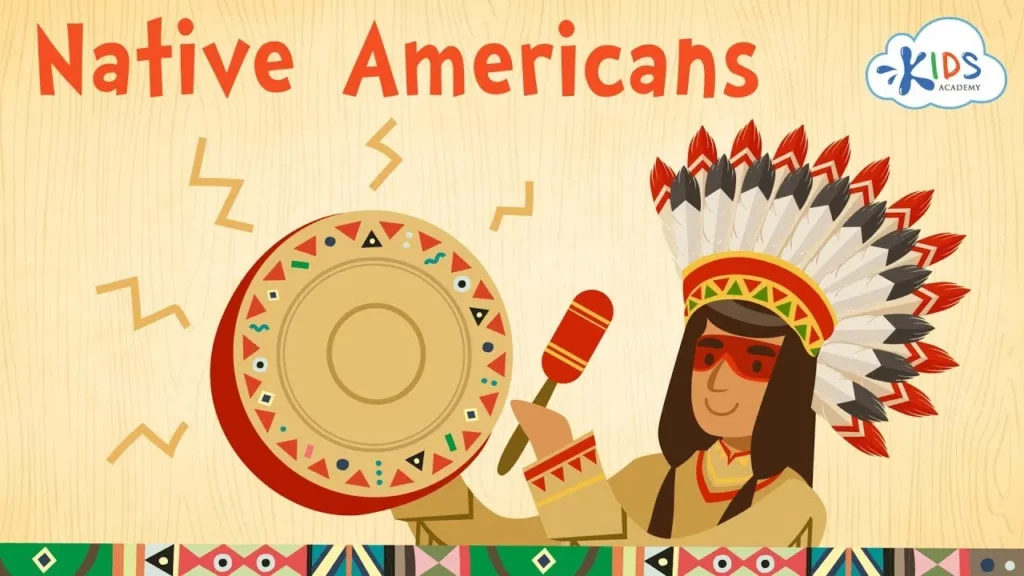
In today’s lesson, we explored the rich cultures of Native Americans, the first inhabitants of the United States, focusing on five prominent tribes: Cherokee, Sioux, Navajo, Iroquois, and Apache. Through a fun word search game, we learned about each tribe’s unique characteristics, skills, and traditional shelters, such as the wigwam. This adventure highlighted the diversity and significance of Native American cultures and their contributions to history.
What is a Community? | Communities & Neighbors | Social Studies for 1st Grade
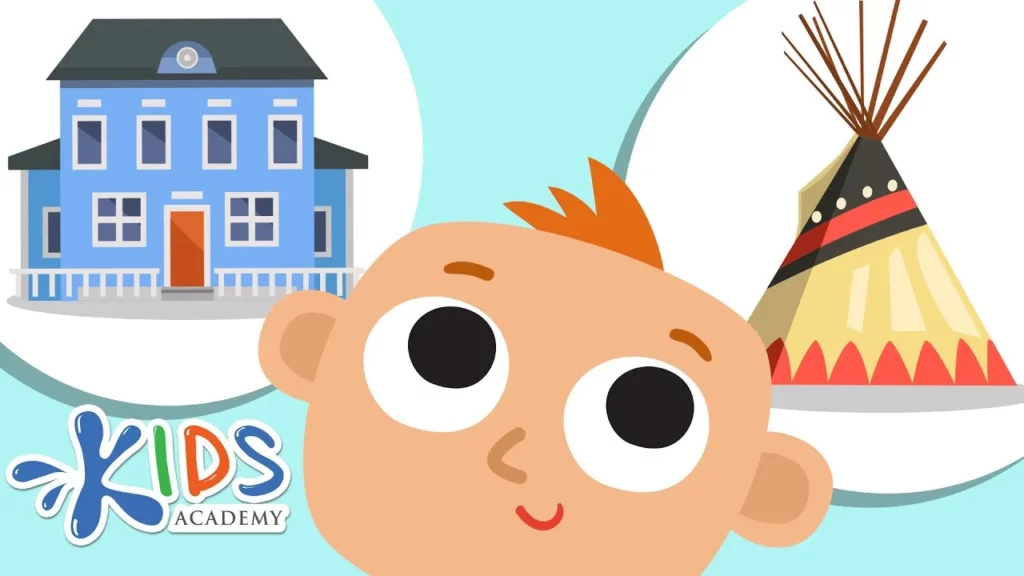
In this lesson, students explore the concept of communities, learning about the various elements that make up a community, such as playgrounds, police officers, and libraries. They also discover the characteristics of towns, identify neighbors, and recognize different types of homes, while engaging in interactive activities to reinforce their understanding. The lesson concludes with a focus on family members, encouraging students to appreciate the connections within their communities and families.
English Alphabet for Kids | Learn Letter P
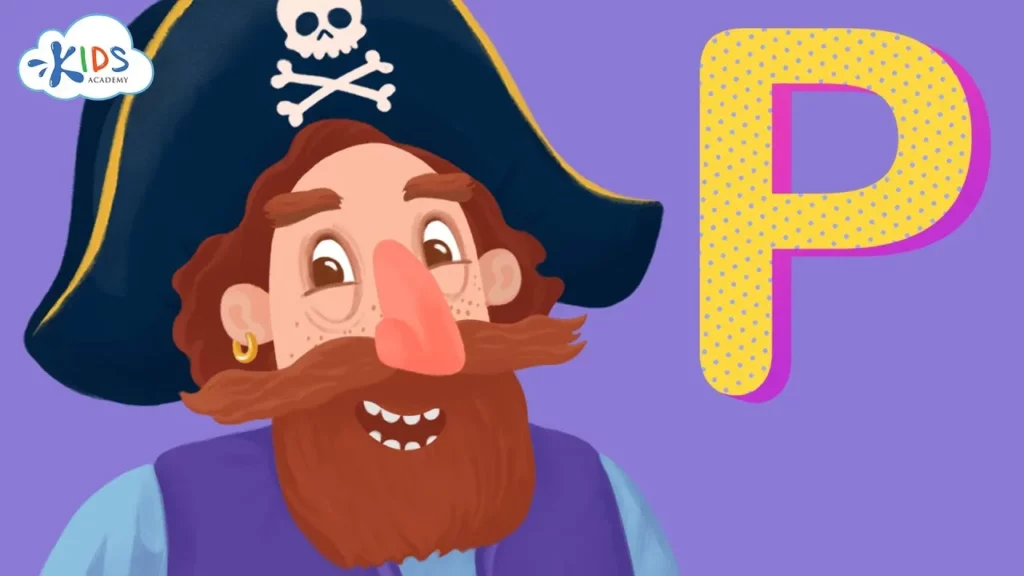
In this lesson, young learners embark on an exciting adventure centered around the letter P, exploring words like “pirate,” “pig,” “pup,” and “pizza.” Through engaging descriptions and sounds associated with each word, children are encouraged to participate and have fun while learning. The lesson concludes with a reminder to continue exploring and discovering more letters and words.
Pushing and Pulling: What is the Difference? | Force and Energy for Kids
In today’s lesson, we explored the concept of forces, which are the pushes and pulls that make objects move. Using a toy truck as an example, we learned that forces are essential for motion, whether it’s pushing a toy away or pulling it closer. We also played a fun game to identify different scenarios as pushes or pulls, reinforcing our understanding that forces are all around us and play a crucial role in our everyday activities.
Episode 3: Chess Army – Learn to Play Chess | Cartoon for Kids
In this lesson, students are introduced to the world of chess, focusing on the importance of the chess clock and the various pieces that make up the game. They learn about the roles and movements of different chess pieces, including pawns, bishops, knights, and rooks, emphasizing the strategic nature of chess. The lesson concludes with a preview of the next session, which will cover the names of the squares on the chessboard and further explore piece movements.