
Learn Number 1 | Preschool & Kindergarten | Learn Like Nastya
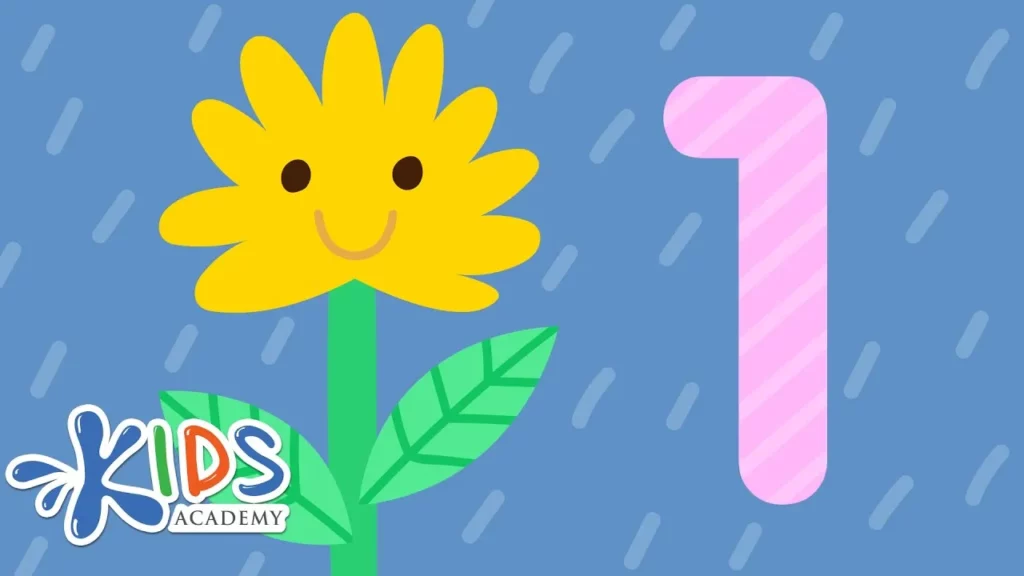
In this lesson, children learn about the number one through engaging examples, such as one flower, one flower pot, one watering can, and one mom. The lesson emphasizes the concept of singularity by encouraging kids to repeat phrases like “one flower pot” and “one mom,” culminating in a fun summary that combines all the elements. It also invites children to continue their learning journey through the Kids Academy app.
Comparing Numbers: 2-Digit Numbers | Math for 1st Grade
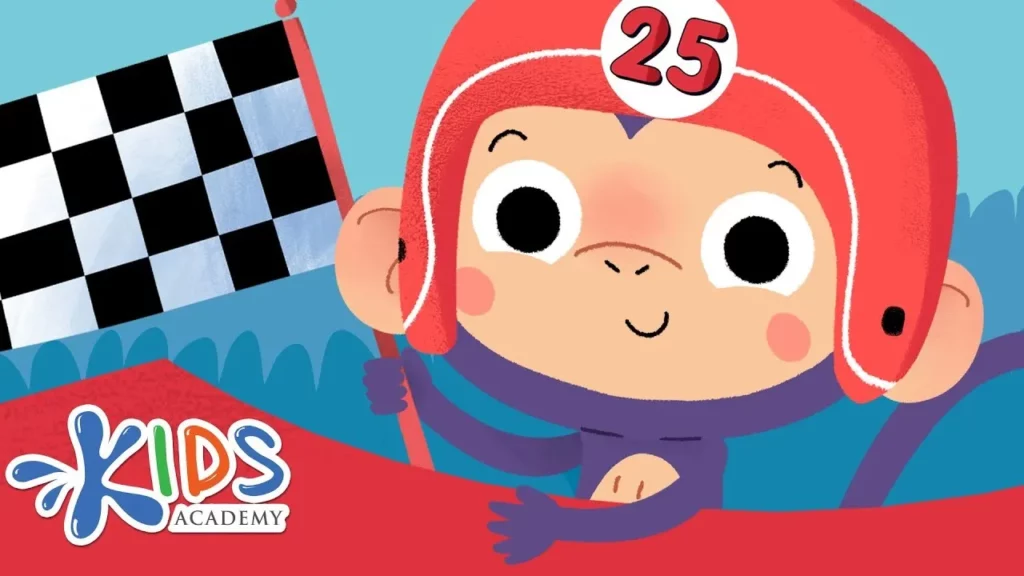
In this lesson, students explore the concept of comparing numbers using a fun racetrack theme. They learn to identify and compare numbers by examining the tens and ones places, using examples like 25 and 31 to illustrate how to determine which number is greater or smaller. The lesson emphasizes the importance of place value in making these comparisons, encouraging students to practice identifying larger and smaller numbers.
Sorting & Logic Games for Kids | Sorting Objects into 2 Groups
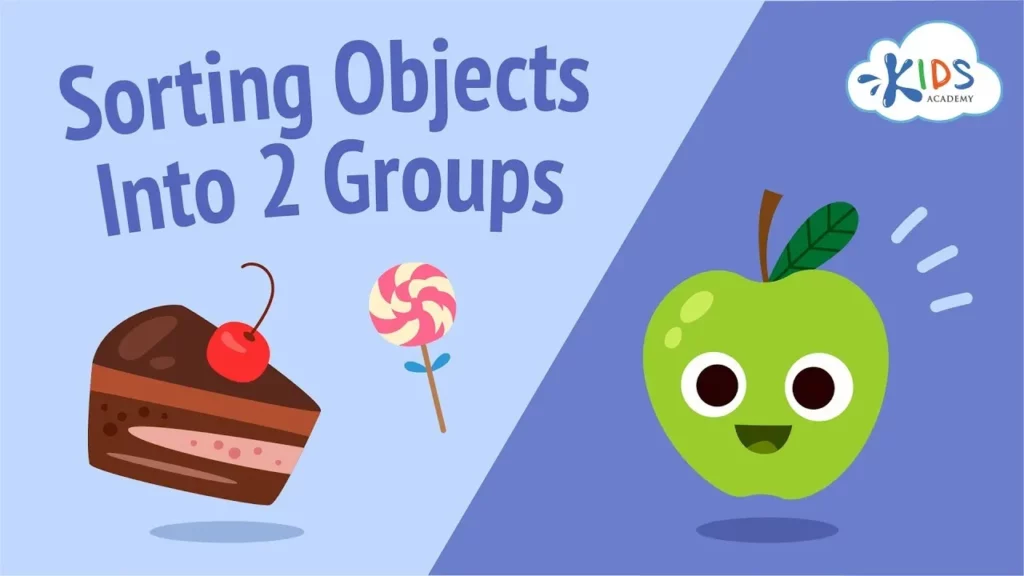
In today’s lesson, young learners explored the concept of sorting by categorizing items based on similarities and differences. They practiced sorting elephants by color and food into healthy and unhealthy groups, reinforcing their understanding of classification. The lesson emphasized that sorting is not only fun but also a valuable skill for learning about the world.
Force and Motion for Kids | Ramps | Science Experiments for Kids
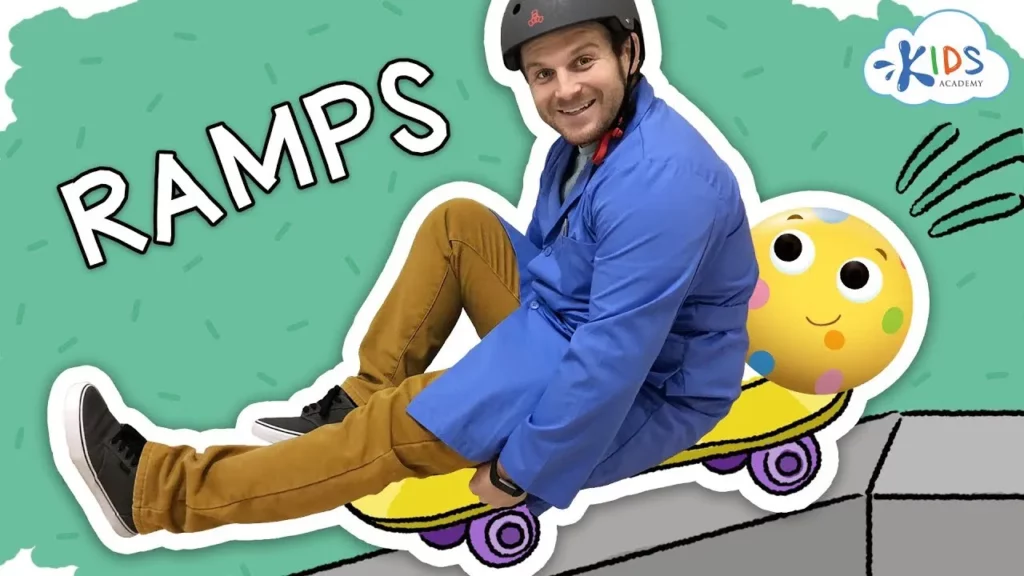
In this lesson, students explore the concept of ramps and their practical applications, particularly at a skatepark. They learn about the principles of force and motion through hands-on experiments, testing how different weights and heights affect the distance objects travel down a ramp. The lesson emphasizes safety while highlighting the fun and educational aspects of using ramps in everyday life.
How to Play Chess? Episode 3: Chess Army – Learn to Play Chess
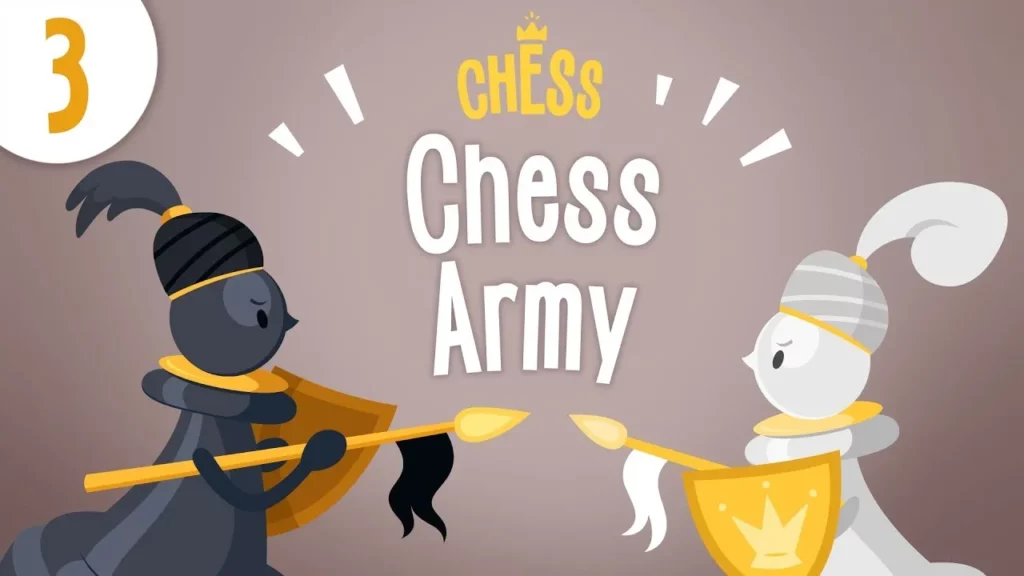
In this lesson, students are introduced to the fundamentals of chess, including the importance of the chess clock for managing game time and the various chess pieces that make up each player’s army. They learn about the unique movements of bishops, knights, and rooks, as well as the layout of the chessboard, which consists of 64 squares and 32 pieces at the start of the game. The lesson sets the stage for future exploration of the chessboard’s squares and strategic movement.
What is Energy? | Types of Energy: Light, Heat, Water, Electrical and Wind
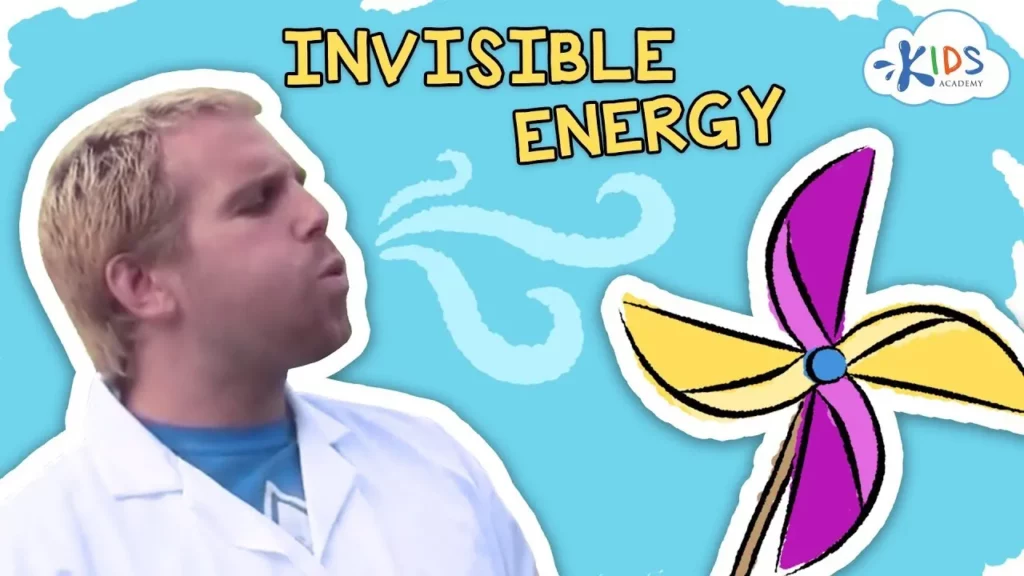
In this lesson, students are introduced to wind energy, a type of energy that is invisible but can be felt and observed through its effects, such as making kites fly and flags wave. Through a hands-on experiment using a fan and various objects, learners discover how wind energy can move lighter items more easily than heavier ones. The lesson concludes by explaining how wind turbines harness wind energy to generate electricity for homes, encouraging students to continue exploring the fascinating world of energy.
Silent Letters for Kids | Reading & Pronunciation
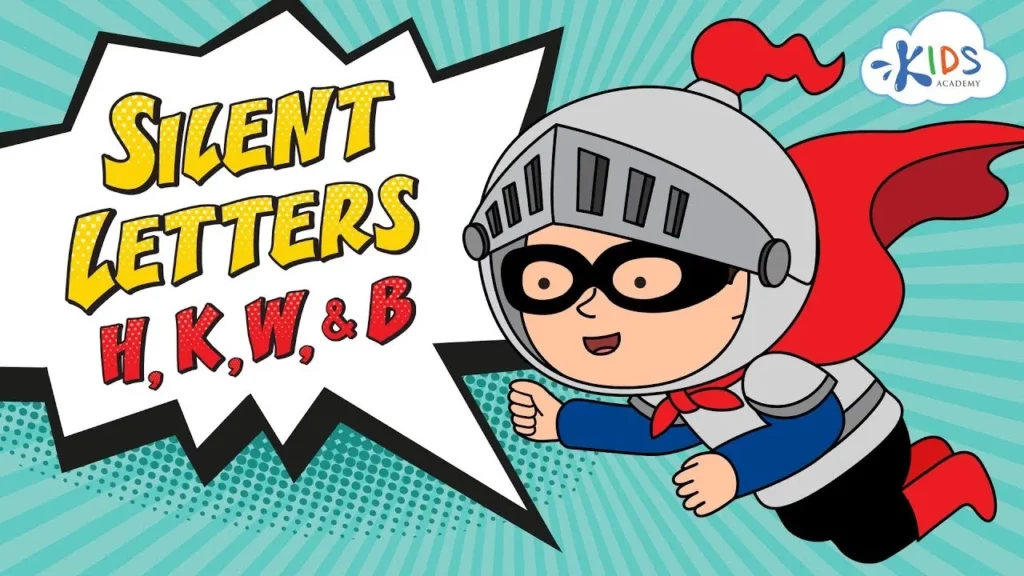
In this lesson, Chris, the Word Whiz, introduces the concept of silent letters—letters in words that are not pronounced. Through engaging examples, such as the silent “k” in “knight,” the silent “h” in “honest,” the silent “b” in “thumb,” and the silent “w” in “wrap,” learners are encouraged to identify and practice recognizing these sneaky letters in various words. The lesson emphasizes the importance of being aware of silent letters to enhance reading skills and invites participants to share their own examples.
Long and Short Vowels for Kids: A E I O U | Learn English Grammar
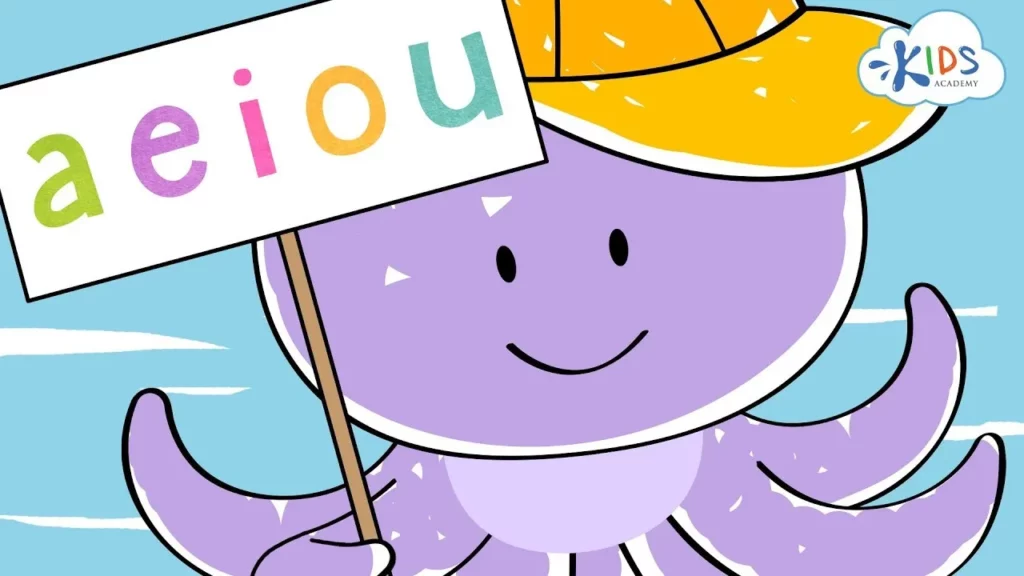
In today’s lesson, “Welcome to Vowel Fun!”, we explored the concept of vowels, focusing on the differences between short and long vowel sounds. We practiced identifying and sorting words based on their vowel sounds, learning that short vowels make quick sounds while long vowels pronounce their names. Great job to everyone for participating and enhancing your understanding of vowels!
What is a Neighbor Social Studies for Kindergarten
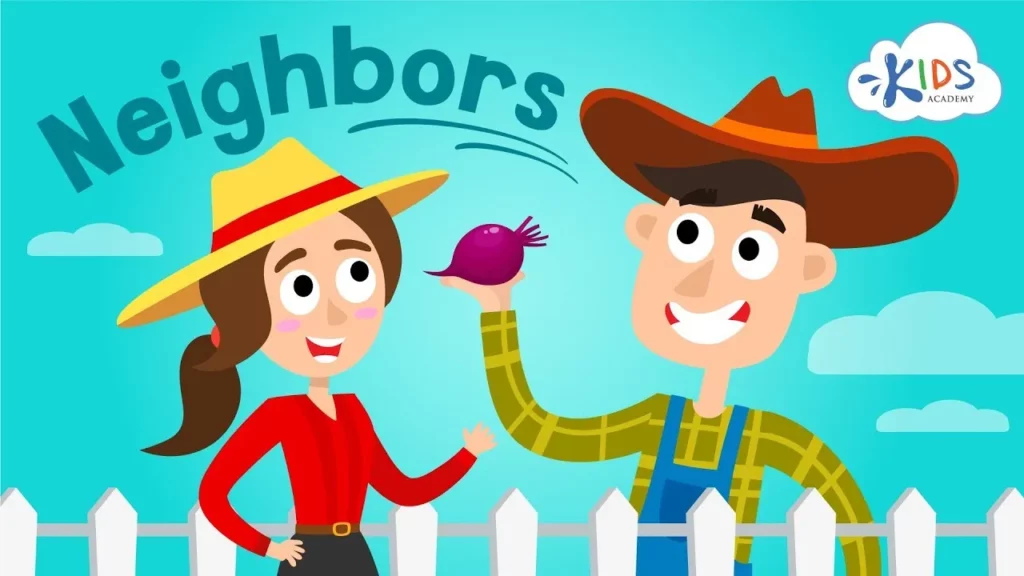
In today’s lesson, we explored the concept of neighbors, who are people living close to each other and part of a community. Through engaging activities and pictures, we identified who qualifies as neighbors and recognized that they often interact in shared spaces like parks. Great job learning about the importance of neighbors and community!
Community Helpers for Kids | Jobs & Occupations for Preschool and Kindergarten
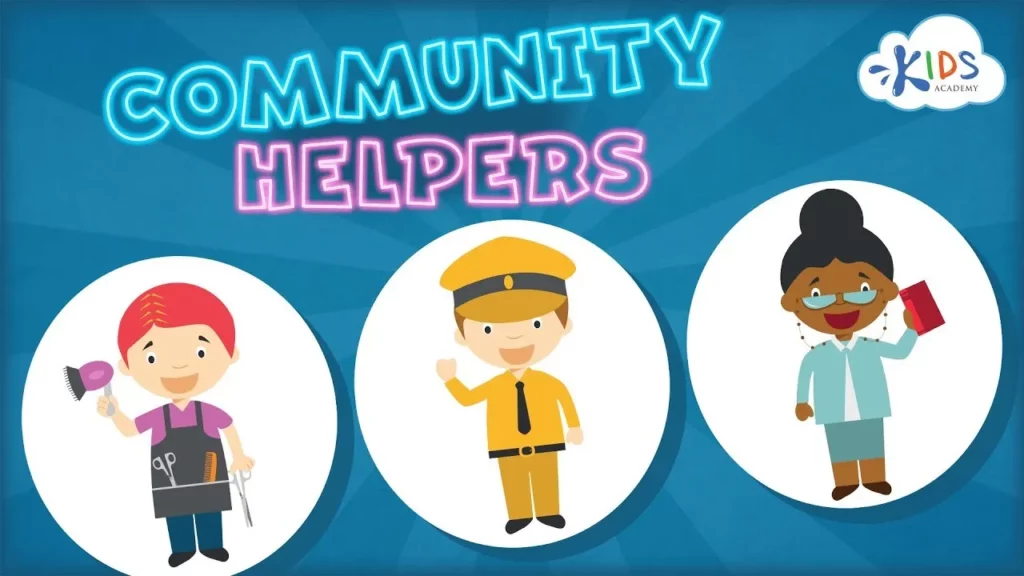
In today’s lesson, we explored the important roles of community helpers, such as police officers, doctors, hairdressers, librarians, and bus drivers, who contribute to our neighborhoods in various ways. Through engaging trivia questions, we learned how to identify which community helper to turn to for specific needs, reinforcing the idea that each helper has a unique responsibility that supports our daily lives. Thank you for joining us on this fun learning adventure!