
‘Please Please the Bees’ read by Rashida Jones
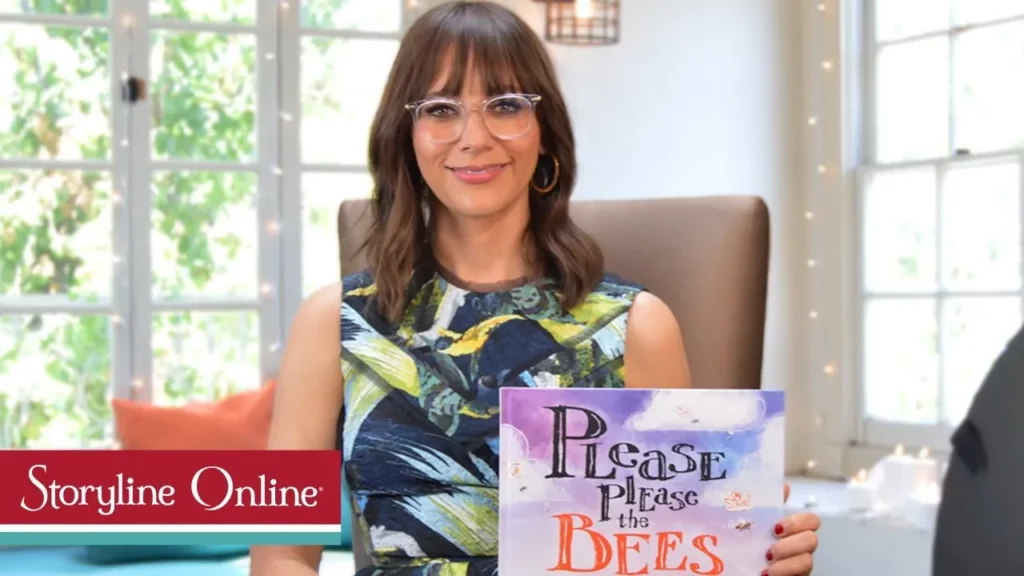
In the story “Please Please the Bees,” we meet Benedict the Bear, who enjoys a sweet routine centered around honey provided by the bees. When the bees go on strike due to neglect of their needs, Benedict learns the importance of cooperation and caring for others, ultimately helping the bees and restoring their relationship. The lesson emphasizes the value of mutual respect and support in fostering a harmonious community.
‘Quackenstein Hatches a Family’ read by Kristen Bell

In today’s storytime, we explored “Quackenstein Hatches a Family,” where a lonely duck named Quackenstein adopts an orphaned egg, only to be surprised when it hatches into a platypus. Through their journey, Quack learns that families can come in different forms and that love and care can bridge differences. The story emphasizes the importance of embracing diversity and finding joy in unexpected connections.
‘The Kissing Hand’ read by Barbara Bain
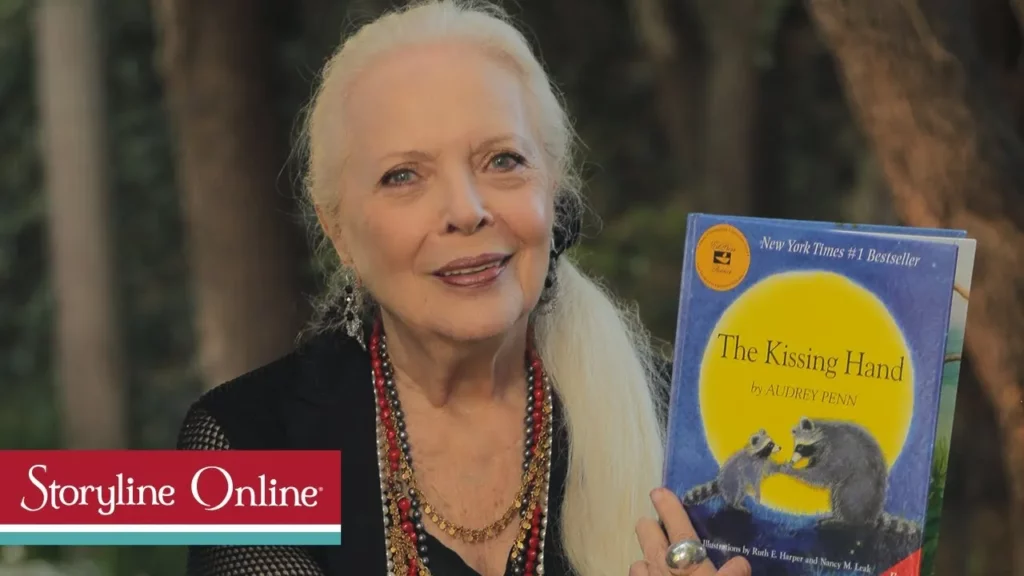
In today’s story time, we explored “The Kissing Hand,” which tells the tale of Chester Raccoon, who feels anxious about starting school. His mother comforts him by sharing a special secret: the Kissing Hand, a loving gesture that reminds Chester he is always loved, even when apart. The story emphasizes the importance of love and connection, reassuring little learners that they are never truly alone.
‘Harry the Dirty Dog’ read by Betty White

In today’s story time, we learned about Harry, a playful dog who loves adventures but dislikes taking baths. After getting extremely dirty from his escapades, Harry missed his family and cleverly used a hidden scrubbing brush to ask for a bath, leading to a joyful reunion. The lesson highlights the importance of home and the happiness that comes from being clean and loved.
‘How I Learned Geography’ read by Ed O’Neill
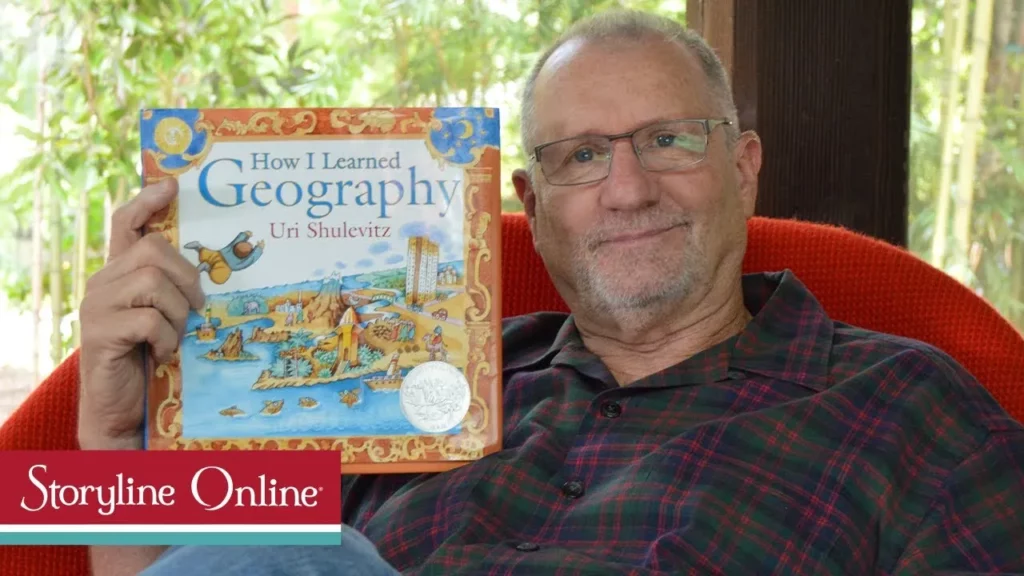
In the lesson “Discovering the World Through a Map,” students explore the story “How I Learned Geography” by Uri Shulevitz, which follows a boy whose life is transformed by a map after his family is displaced by war. Despite their hardships, the boy finds joy and adventure through his imagination as he learns about distant places, illustrating the power of creativity and exploration. The lesson encourages students to embrace storytelling and maps as gateways to new experiences and worlds.
‘Remember to Dream, Ebere’ read by Cynthia Erivo
In today’s Storytime lesson, we explored the enchanting tale “Remember to Dream, Ebere,” written by Cynthia Erivo and illustrated by Charnelle Pinkney Barlow. The story follows Ebere as she learns to embrace her imagination and dreams, discovering that she is the captain of her own dreams and encouraged to dream big and boldly. The lesson emphasizes the importance of nurturing creativity and believing in the power of one’s dreams, reminding us that everyone has unique dreams that are valuable to the world.
What is the most dangerous animal in the world?
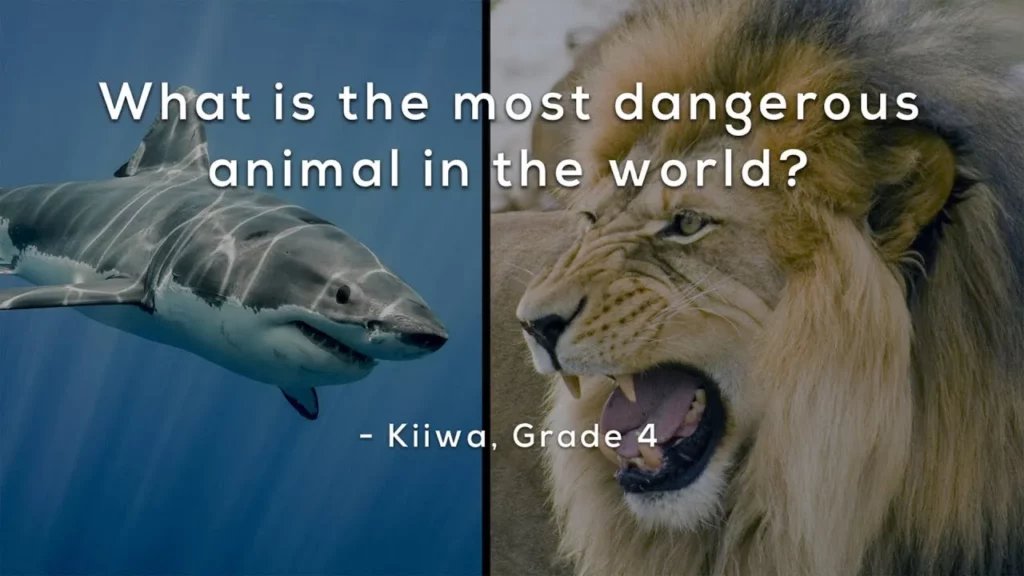
In this lesson, Doug introduces his pet bearded dragon, Mr. Lizard, and transitions to a discussion about dangerous animals, highlighting that the most dangerous animal in the world is surprisingly the mosquito. Despite their small size, mosquitoes can transmit serious diseases like malaria and dengue fever, making them a significant health threat, especially in tropical regions. Doug encourages curiosity and invites questions for future discussions, emphasizing the importance of staying informed and safe.
How do you fix a broken heart?

In this lesson, we explore the significance of the heart, understanding that it functions as a vital pump that circulates blood throughout the body, delivering essential oxygen and nutrients. Through the inspiring story of Dr. Daniel Hale Williams, who bravely performed one of the first heart surgeries despite facing racial barriers, we learn the importance of perseverance and the belief that everyone deserves quality medical care. The lesson encourages curiosity and the pursuit of knowledge about the wonders of the human body and the world around us.
Why are the Olympic Games so popular?

In this lesson, students explore the Olympic Games, learning about their historical origins in ancient Greece and how they have evolved into a global celebration of athleticism and inclusivity. The lesson highlights the excitement of competition, the rigorous training athletes undergo, and the significance of medals, while also discussing the inclusion of diverse sports and athletes, including those with disabilities. Ultimately, it encourages students to think about the future of the Games and their own interests in learning.
Has anything like the coronavirus ever happened before?
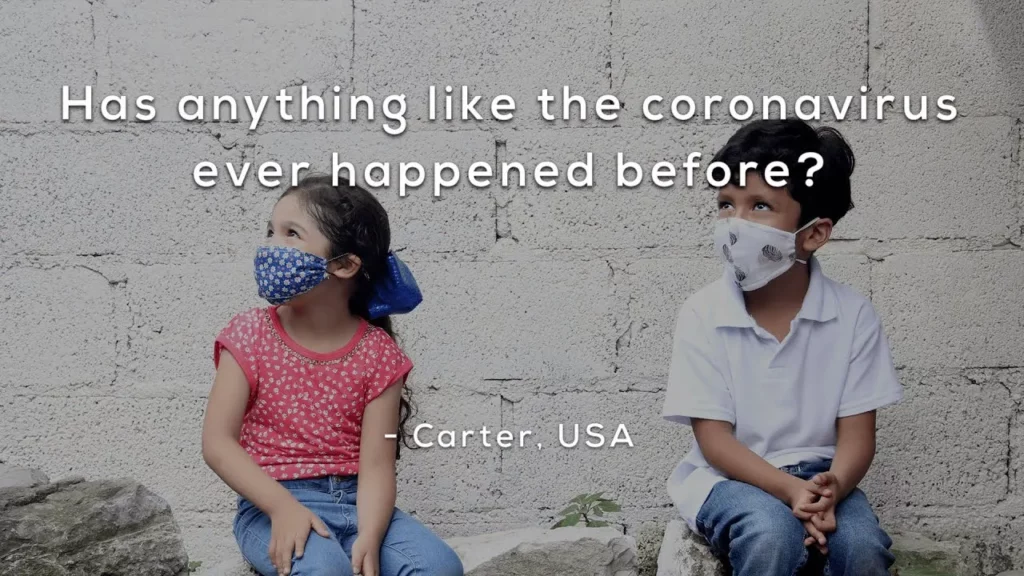
The lesson explores the historical context of pandemics, comparing the coronavirus outbreak of 2020 to the 1918 influenza pandemic. It highlights how both events led to significant changes in daily life, such as social distancing and school closures, while emphasizing the resilience of people in overcoming such challenges. The lesson reassures that, despite the fear associated with viruses, advancements in medical treatment and the strength of communities can help us navigate difficult times.