
Who invented candy?

The lesson explores the history of candy, tracing its origins back to ancient civilizations that created sweet treats using honey and fruit. It highlights the significant contribution of Ancient India, where the discovery of sugar cane led to the creation of “khanda,” the precursor to modern candy. Today, candy has evolved into a diverse array of treats enjoyed worldwide, but it’s important to consume it in moderation.
Do bats really drink blood?
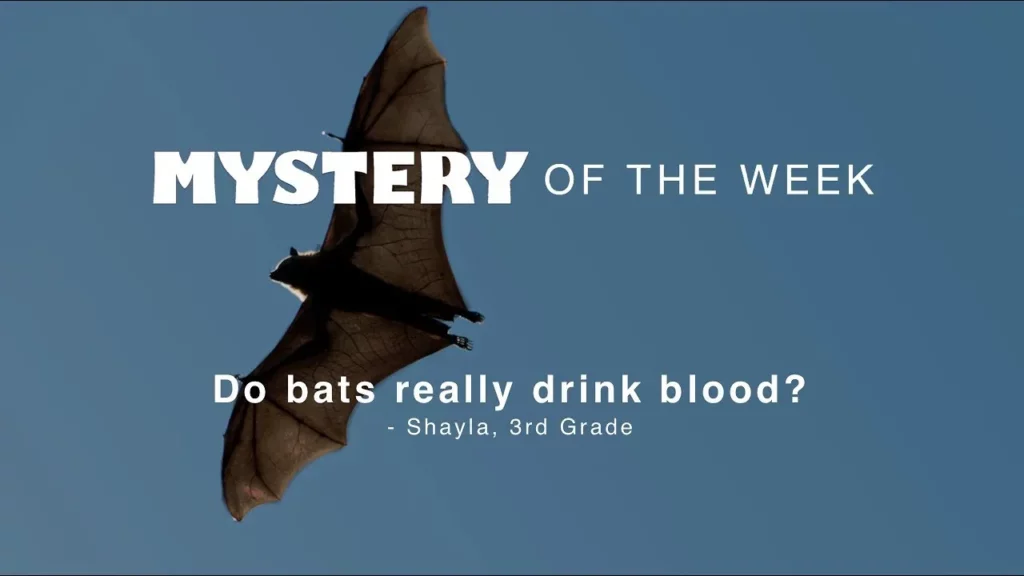
In this lesson, Doug introduces the fascinating world of bats, addressing common misconceptions such as the idea that all bats drink blood. While vampire bats do consume blood, most bats primarily eat insects or fruit, making them beneficial for controlling pests like mosquitoes. Doug encourages curiosity about bats and invites viewers to observe them safely in their natural habitats.
Why are people making such a big deal about the eclipse?
In this lesson, students learn about solar eclipses, specifically the total solar eclipse that occurred on August 21, 2017, and the science behind why they happen. The lesson emphasizes the importance of safety when viewing an eclipse, highlighting the use of eclipse glasses to protect one’s eyes. It encourages curiosity and exploration of astronomical phenomena, inviting students to learn more about eclipses and the wonders of the universe.
Why are people making such a big deal about the Space X launch?

In the lesson “Blast Off with SpaceX: The Falcon Heavy Adventure,” students learn about the groundbreaking launch of the Falcon Heavy rocket by SpaceX on February 6, 2018, and its significance in making space travel more accessible. The lesson highlights Elon Musk’s vision for affordable space exploration, the innovative technology of reusable rockets, and the exciting milestone of sending a car into space, all while inspiring curiosity about future missions to Mars.
How do broken bones heal?

In this lesson, we learn about the healing process of broken bones through the story of Doug, who broke his arm while sledding. When a bone breaks, it can be painful, and doctors use X-rays to diagnose the injury. Bones have the remarkable ability to heal themselves over time, often requiring support like a cast or sling to ensure proper alignment and strength during recovery.
Who invented ice skates?
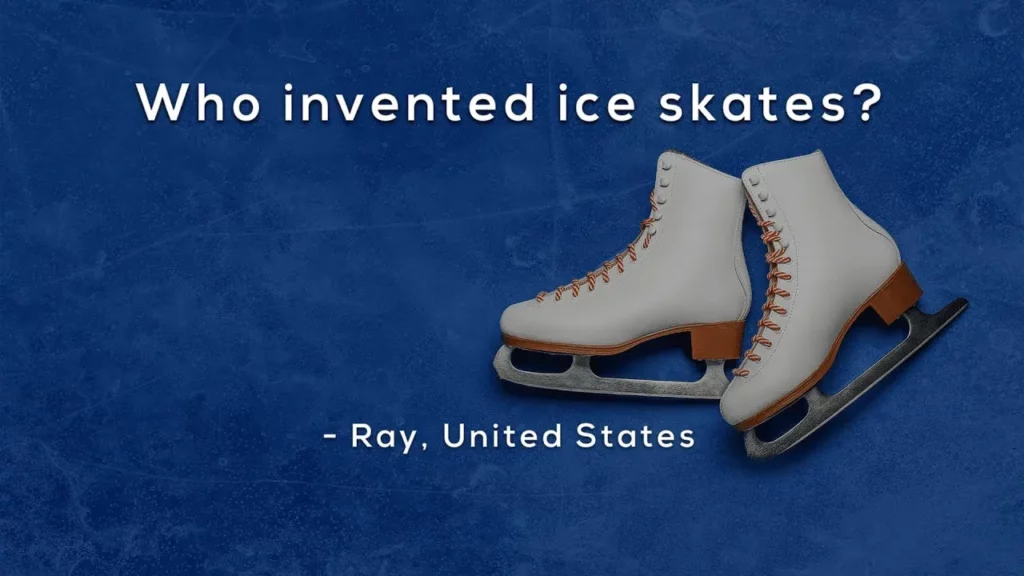
In this lesson, students explore the fascinating history and evolution of ice skates, starting from their origins in Finland where early skaters used animal bones to glide across frozen lakes. The lesson highlights how ice skates have transformed over time, from cumbersome bone designs to modern skates with metal blades and specialized features, making ice skating a popular winter activity. It encourages curiosity and further exploration of various topics beyond ice skating.
Why do whales sing?
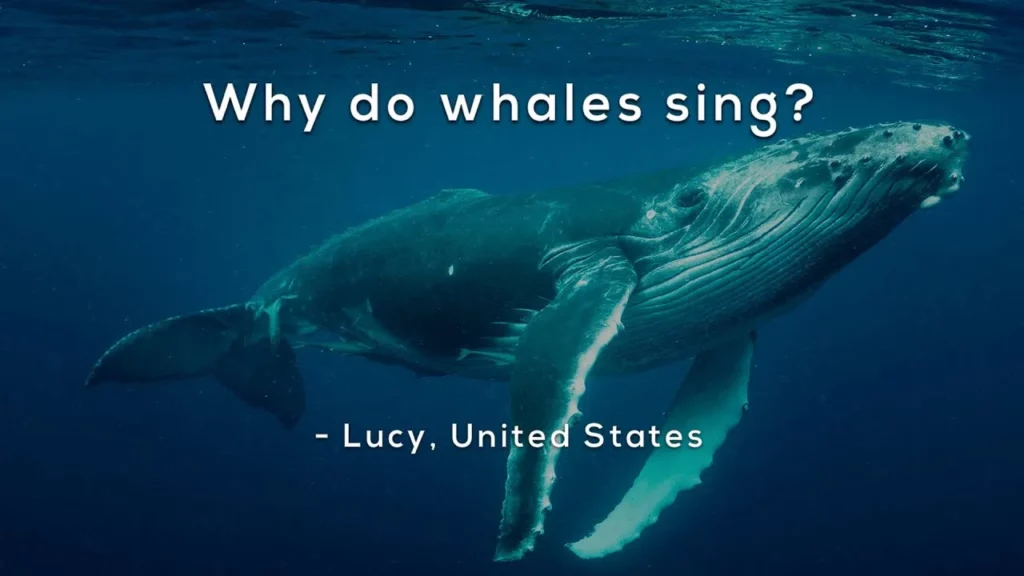
In this lesson, we explored the fascinating world of whale songs and discussed why these magnificent creatures sing. While scientists have several theories, including attracting mates, protecting their territory, and communicating with their pods, the exact reasons remain a mystery. Understanding whale songs is crucial, especially as ocean noise increases, impacting their ability to communicate and thrive.
How do vaccines work?
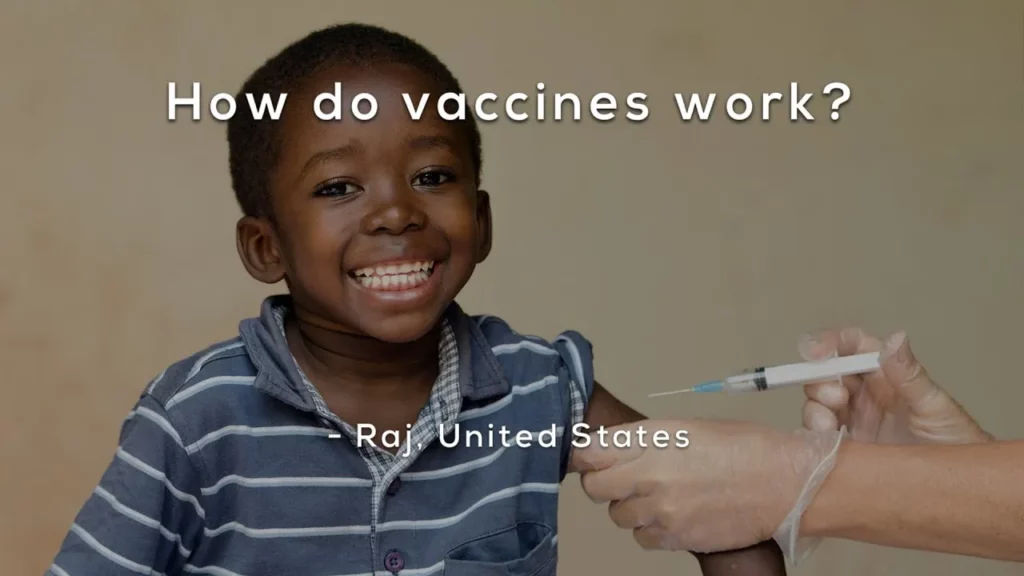
This lesson explains how vaccines work to protect us from diseases by training our immune system to recognize and fight off germs before we get sick. It highlights the historical example of smallpox and cowpox, illustrating how exposure to a milder disease can provide immunity. Additionally, it emphasizes the importance of vaccines in preventing the spread of illnesses and maintaining public health.
What is the biggest spider in the world?
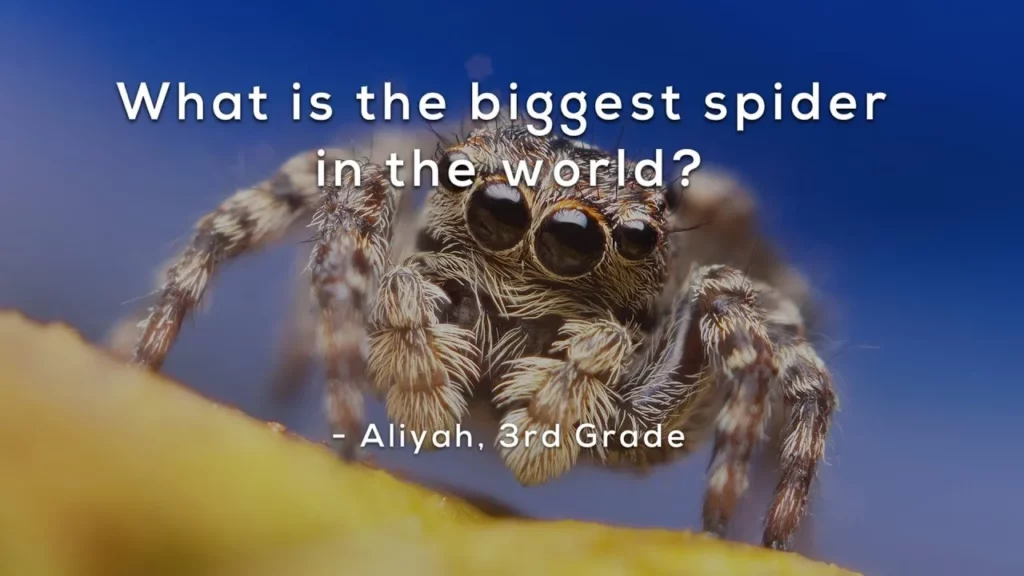
In today’s lesson, we explored the fascinating world of spiders, distinguishing between common fears and the reality that most spiders are harmless and play important roles in their ecosystems. We answered Aliyah’s question about the biggest spider, discussing both the Goliath birdeater and the giant huntsman, highlighting the complexities of measuring size. The lesson encouraged curiosity about spiders and included a fun activity to engage students further.
How do scientists learn about wild animals?
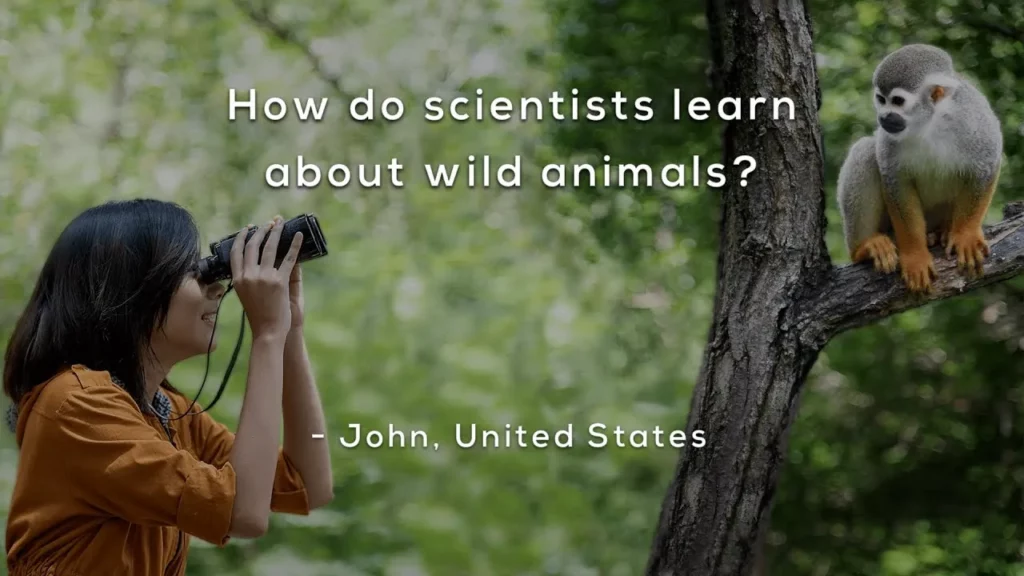
In this lesson, students learn about the innovative use of technology, such as the spy hummingbird camera, to study wildlife without disturbing them. The lesson highlights the pioneering work of Jane Goodall, who patiently observed chimpanzees in their natural habitat, leading to significant discoveries about their behavior and tool use. Students are encouraged to explore their surroundings and observe local wildlife, fostering curiosity and a deeper understanding of the natural world.