
What’s the fastest baseball ever thrown?
In this lesson, we learned about Jim Abbott, a remarkable baseball player who played with one hand, showcasing incredible skills and adaptability. We also explored the fascinating world of baseball throwing speeds, from the fastest pitch on Earth to the astonishing speed achieved by astronauts in space, and discovered that the secret to throwing fast lies in the stretching of ligaments, much like a rubber band. Ultimately, the lesson encourages curiosity and highlights the unique abilities of both human athletes and machines.
Why don’t people eat ostrich eggs?
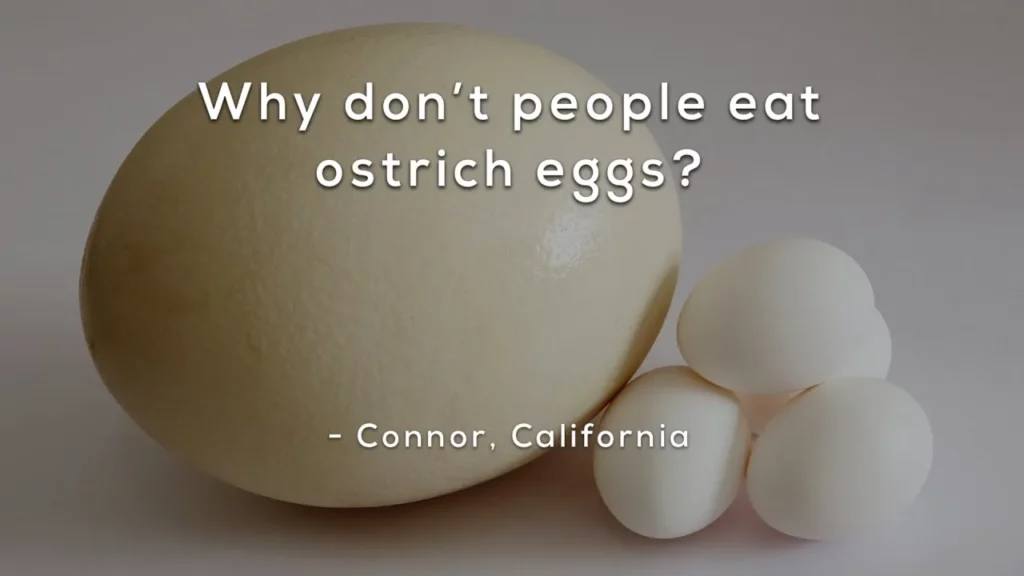
In this lesson, we explored the fascinating world of eggs, focusing on ostrich eggs, which are the largest laid by any living animal. While ostrich eggs contain enough yolk to make a giant omelet, their thick shells make them impractical for everyday consumption compared to chicken eggs. Additionally, we learned about other types of eggs people eat, including duck, goose, and even fish eggs, highlighting the diversity and culinary significance of eggs in various cultures.
How did people clean their teeth before toothpaste was invented?
In this lesson, we explore how people maintained oral hygiene before the invention of modern toothpaste. Ancient civilizations, such as the Egyptians, used natural ingredients like salt, pepper, and dried flowers to create early forms of toothpaste, while others relied on frayed sticks and tooth powders made from ground rocks or seashells to clean their teeth. Despite the lack of contemporary dental products, many ancient cultures managed to keep their teeth healthy by avoiding sugary foods and employing creative cleaning methods.
Are mermaids real?
In the lesson “Discovering the Mystery of Mermaids,” students learn about the mythical nature of mermaids and the origins of their stories. The lesson explores how sailors in ancient times may have mistaken marine animals like dugongs and manatees for mermaids, leading to widespread folklore. Ultimately, while mermaids are fictional, the lesson encourages curiosity about the ocean and its real-life wonders.
Can any animal outrun a cheetah?
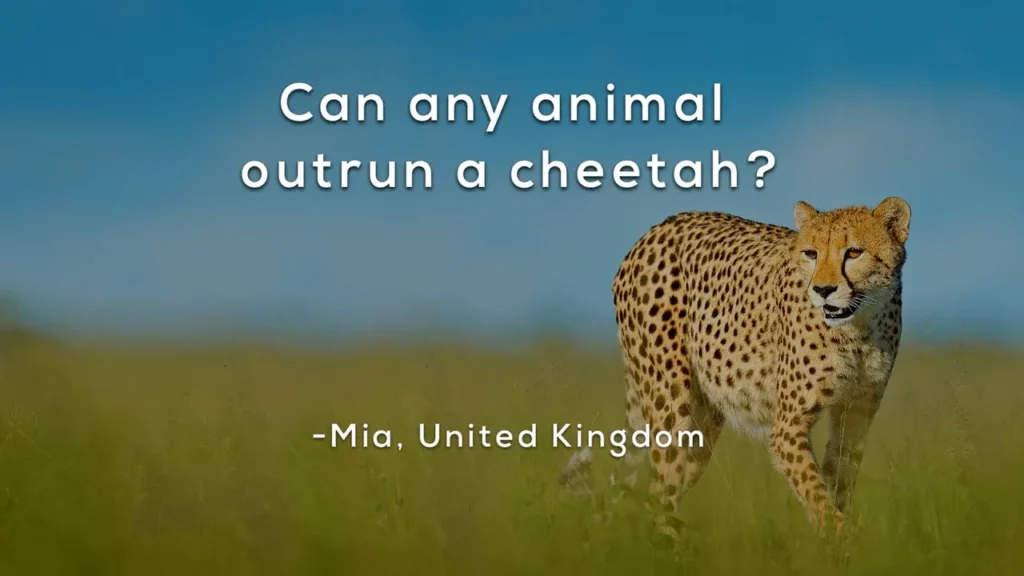
In today’s lesson, we explored the incredible speed of some of the fastest creatures on Earth, focusing on Paralympic runner Alan Oliveira, who achieved remarkable speeds using prosthetic legs. We learned that cheetahs are the fastest land animals, capable of reaching speeds over 60 miles per hour due to their unique physical adaptations, while pronghorns, the second fastest, excel in long-distance running and can potentially outrun cheetahs if given a head start. This highlights the fascinating diversity of speed in the animal kingdom and the remarkable abilities of both humans and wildlife.
What do garbage trucks do with garbage?
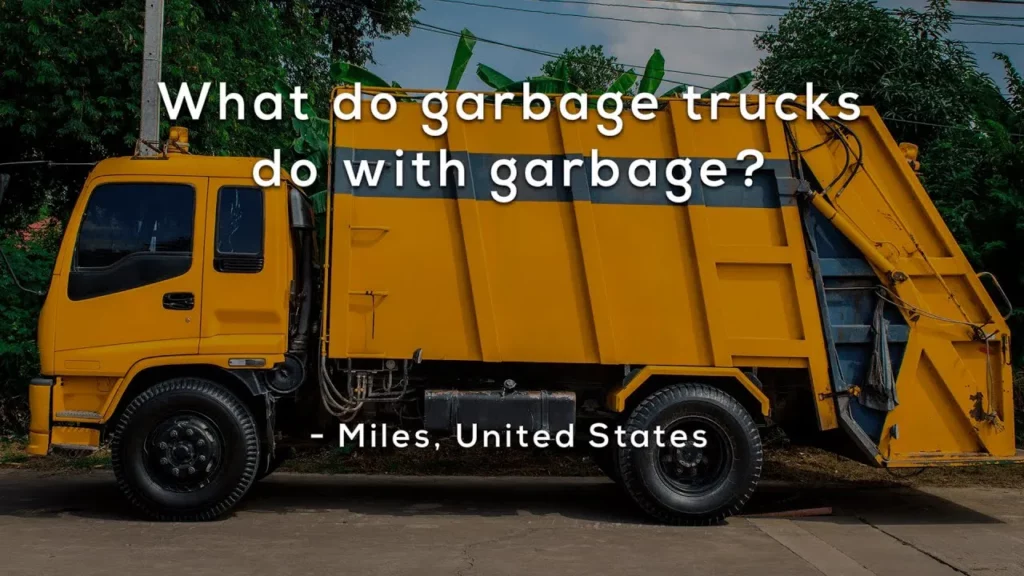
In this lesson, students learn about the journey of garbage after it is collected by garbage trucks, including its destination in landfills and the environmental challenges associated with them, such as leachate and methane emissions. The lesson also highlights alternative waste management methods, such as composting, incineration for energy, and recycling, encouraging students to actively participate in reducing waste through donations, recycling, and using reusable containers. Overall, the lesson emphasizes the importance of understanding and improving our garbage management practices for a healthier planet.
How do germs get inside of your body?
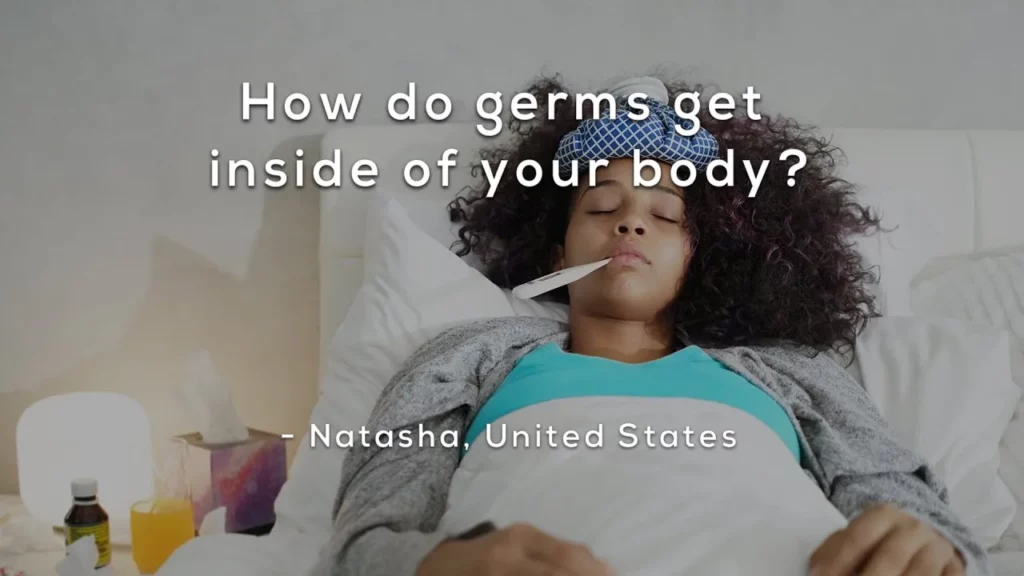
In this lesson, we learned about germs, tiny living organisms that can cause illness when they enter our bodies through openings like the mouth, nose, and eyes. To prevent sickness, it’s essential to maintain cleanliness by washing our hands and covering our mouths when sneezing or coughing. Understanding how germs operate empowers us to take proactive steps in protecting our health and encourages ongoing curiosity about the world around us.
What’s the most dangerous animal in the ocean?
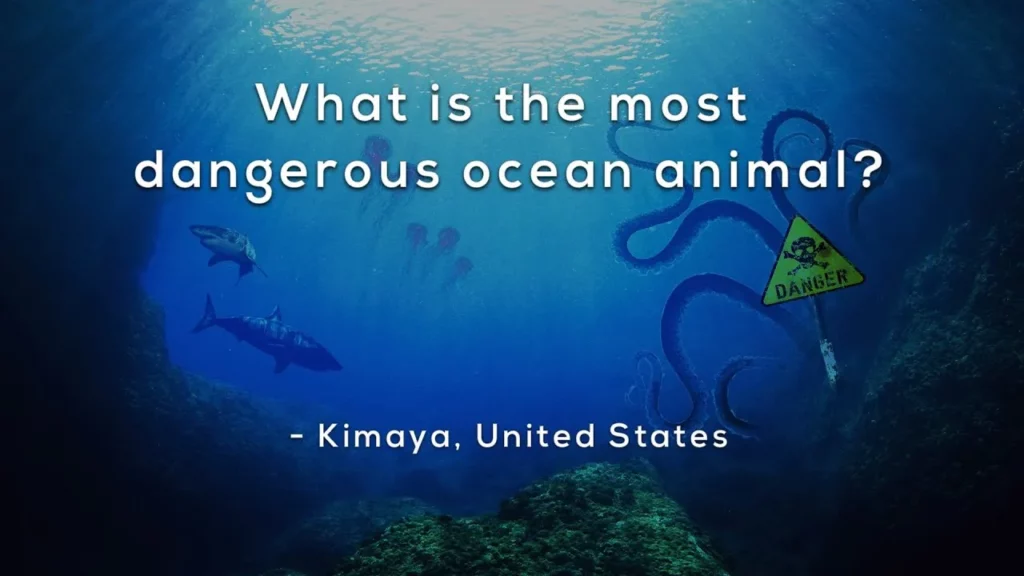
In this lesson, Danny takes us on an exciting exploration of the ocean, introducing us to its unique and fascinating creatures, such as the leafy sea dragon and the red handfish. He discusses the dangers posed by certain ocean animals, including the great white shark and the venomous blue-ringed octopus, while emphasizing the importance of safety measures like swimming with a buddy and being aware of one’s surroundings. Ultimately, Danny encourages curiosity about the ocean and its inhabitants, reminding us that while some creatures may seem scary, many are harmless and intriguing.
Why do people eat turkey on Thanksgiving?
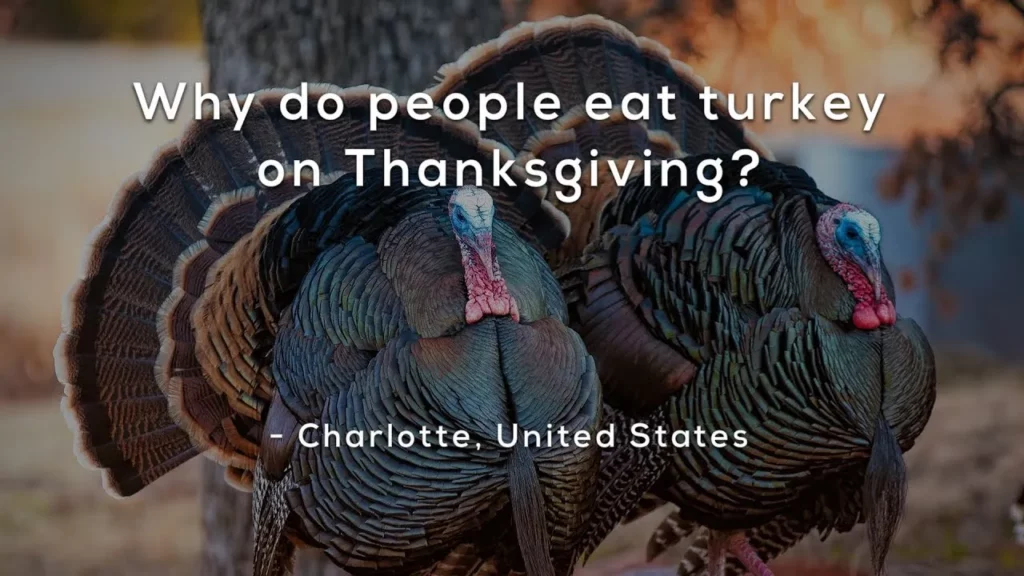
The lesson explores the tradition of eating turkey on Thanksgiving, highlighting the bird’s unique characteristics and its historical significance. It explains that Thanksgiving originated as a harvest celebration in fall, with early English settlers in North America adopting and adapting their holiday to include local foods like turkey, which became a symbol of the holiday. The lesson encourages curiosity and appreciation for the diverse customs surrounding Thanksgiving today.
Do astronauts ever feel motion sick in space?
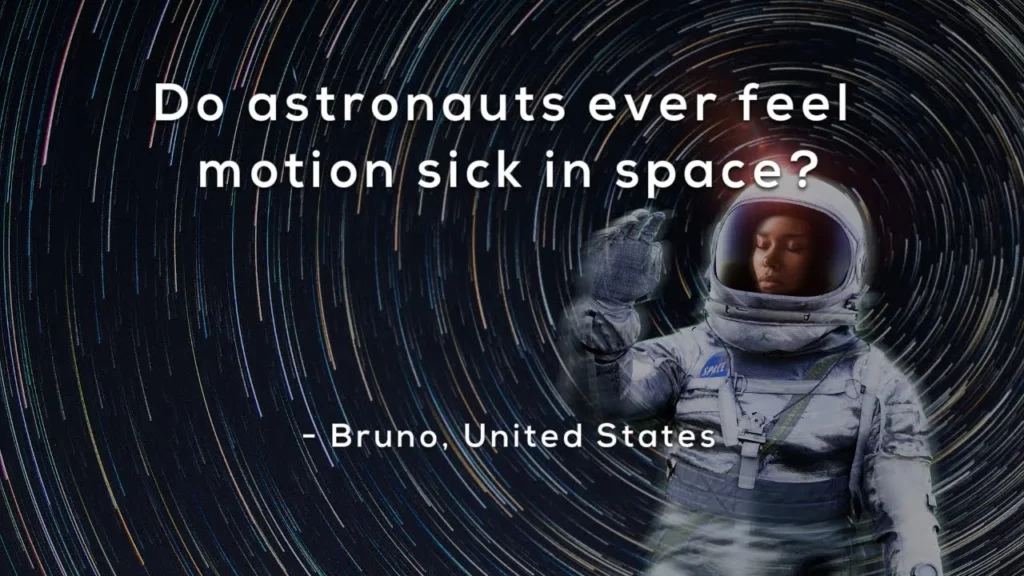
In this lesson, Danny explores the concept of motion sickness, particularly focusing on its effects on astronauts in space and the science behind it. He discusses how motion sickness occurs due to conflicting signals in the brain and highlights Dr. Patricia Coings’ innovative mind exercises that help astronauts manage their symptoms. The lesson encourages students to apply similar calming techniques in their own lives when experiencing discomfort or anxiety.