
Why does the moon turn blood red during a lunar eclipse?
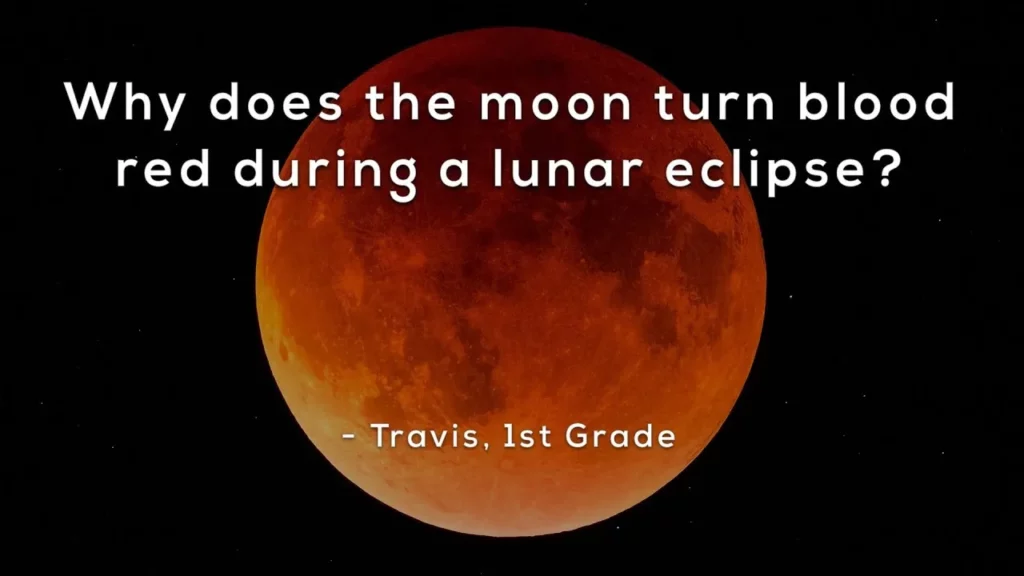
In this lesson, we explored the fascinating phenomenon of a lunar eclipse, which occurs when the Earth positions itself between the Sun and the Moon, casting a shadow that causes the Moon to appear reddish-orange. This color change is due to sunlight bending through the Earth’s atmosphere, similar to the hues seen during sunrise and sunset. Watching a lunar eclipse is easy and safe, requiring no special equipment, and it’s a captivating event that invites curiosity about the wonders of the night sky.
Is a tomato a fruit or a vegetable?

In this lesson, Jay introduces the concept of fruits and vegetables, using the example of his mango tree to illustrate how fruits develop from flowers. He explains that while tomatoes are often categorized as vegetables in grocery stores, they are technically fruits because they grow from flowers and contain seeds. The lesson encourages curiosity about the plant world and highlights the importance of understanding how different plants grow.
Why do fireflies glow?
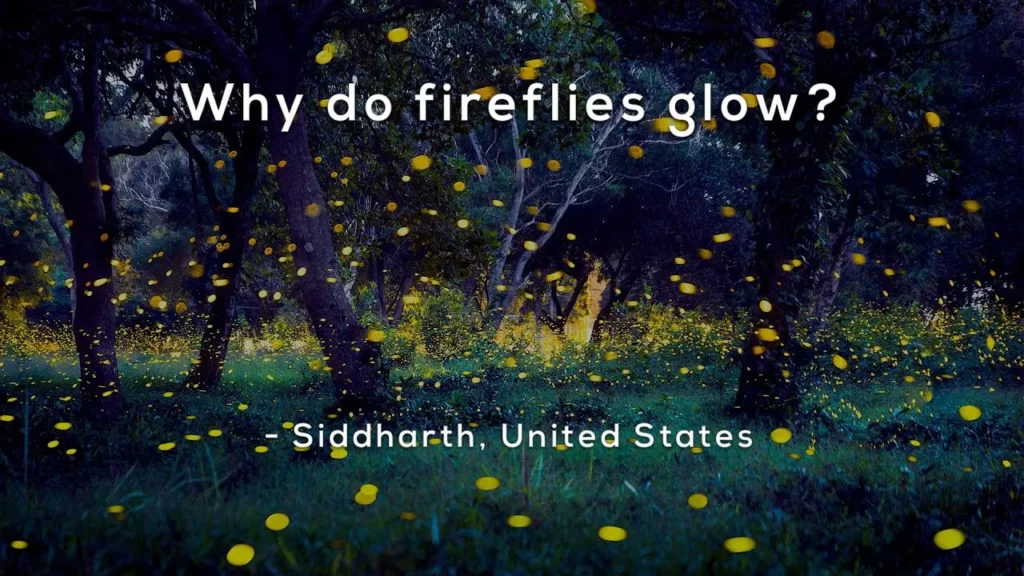
In this lesson, we explored the fascinating world of fireflies, learning that they produce their unique glow through a chemical reaction within their bodies. Their flashing lights serve as signals for communication, helping male and female fireflies locate each other in the dark, with each species having its own distinct flash pattern. The lesson encourages curiosity and further exploration of the natural wonders around us.
What does a scientist do?
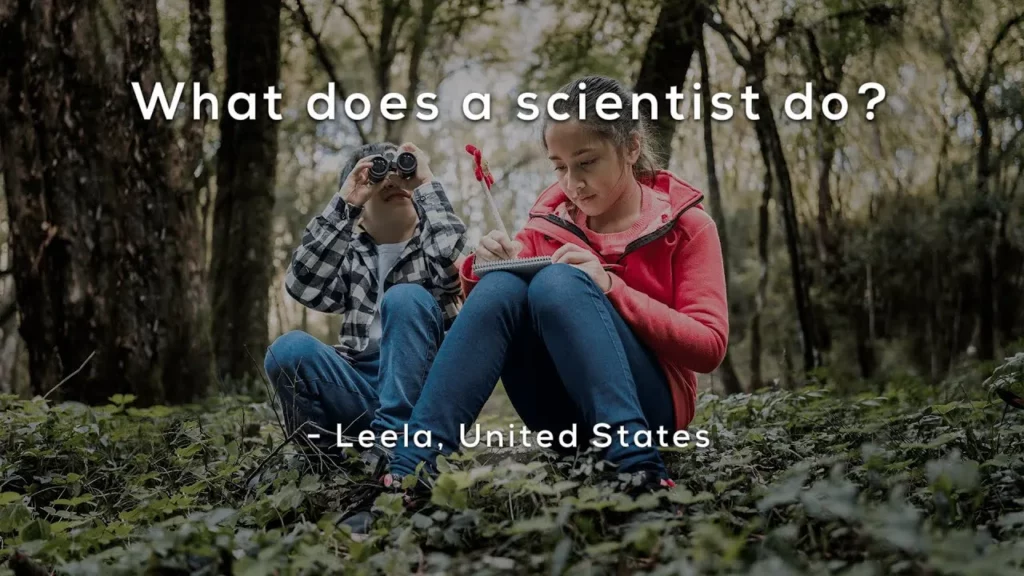
In this lesson, Jay introduces the concept of what scientists do, emphasizing that they make observations, ask questions, conduct experiments, and share their findings. By relating scientific activities to everyday experiences, such as playing at the playground, Jay encourages curiosity and exploration, inviting students to engage in their own scientific inquiries. The lesson highlights that anyone can be a scientist by staying curious and actively seeking to understand the world around them.
Why can’t we remember being babies?

The lesson explores the intriguing question of why we can’t remember our experiences as babies, attributing this phenomenon to the underdevelopment of our brains during infancy. It highlights that while babies can remember certain things, like faces and simple actions, they struggle to form narrative memories due to their limited vocabulary. Additionally, the lesson encourages practicing memory techniques, inspired by memory champion Nischal Narayanam, to enhance one’s ability to remember.
Can my pet understand what I’m saying?

The lesson explores whether pets can understand human language, highlighting that while pets may not comprehend every word, they can respond to specific commands and cues. Through examples like Chaser, a dog that learned over 1,000 words, and the importance of tone and body language, the lesson emphasizes that communication with pets involves a combination of verbal language, vocal tone, and physical gestures. Ultimately, understanding these forms of communication can enhance our relationships with our pets and reveal their own ways of expressing feelings.
What’s the longest anyone’s ever stayed awake?

The lesson “Sleeping in Unusual Places” explores the concept of sleep and its importance through various unique sleeping experiences, such as sleeping in spaceship-like pods on cliffs or in ice hotels. It highlights the story of Randy Gardner, who attempted to break the record for staying awake, revealing the negative effects of sleep deprivation, including difficulty concentrating and hallucinations. Ultimately, the lesson emphasizes that sleep is essential for our well-being, as our brains even take brief naps when we are awake to cope with fatigue.
Who invented school?
This lesson introduces the concept of school, exploring its diverse forms and historical evolution. It highlights the journey from informal community learning to the establishment of structured schools, emphasizing the efforts of individuals like Catharine Beecher and Ruby Bridges in advocating for equitable education. The lesson encourages students to reflect on their own experiences with school and consider ways to improve it for everyone.
How are video games made?
The lesson explores the intricate process of video game creation, starting from a simple idea to the final product. It highlights the various roles involved, including game designers, artists, programmers, and testers, emphasizing that creating a game is a collaborative effort that can take years to complete. The lesson encourages curiosity and exploration, reminding us that every game has a story behind its development.
How were LEGO bricks invented?
The lesson explores the fascinating world of Lego, highlighting its innovative design that allows for sturdy construction without the need for glue or tape. It traces the history of building toys leading to the invention of Lego bricks, which feature a unique design that enables them to stick together securely, fostering creativity and imagination in building. The lesson encourages curiosity and the idea that creativity can flourish with any materials at hand.