
Is the five-second rule true?
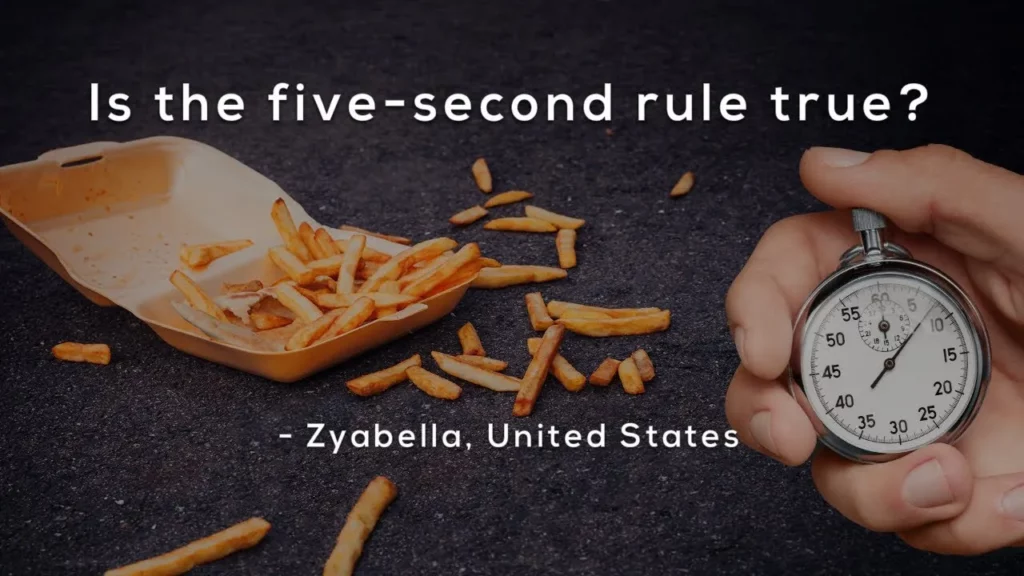
In this lesson, Esther explores the validity of the 5-second rule, which suggests that food dropped on the floor is safe to eat if picked up quickly. Scientific studies indicate that germs can transfer to food almost instantly upon contact with surfaces, making it unsafe to eat dropped food, especially from dirty areas. Instead of relying on the 5-second rule, Esther emphasizes the importance of washing hands for at least 20 seconds to reduce the spread of germs.
Why do we yawn?
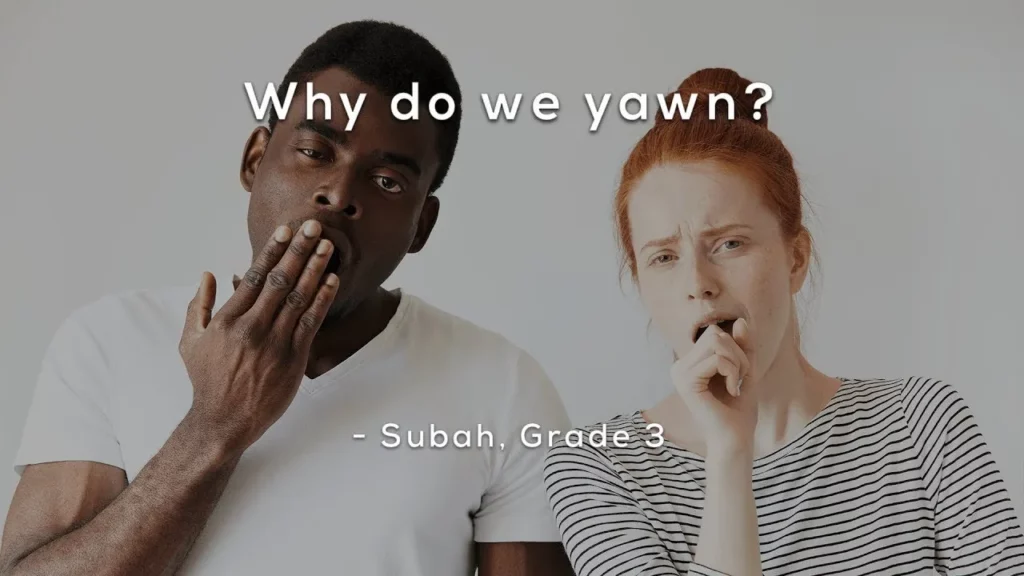
In this lesson, we explore the phenomenon of yawning, which is a common behavior that occurs when we are tired or bored. Although yawning is often thought to help increase oxygen intake, scientific research suggests that this is not the case, and the exact reason for yawning remains a mystery. Interestingly, yawning is contagious, and it occurs not only in humans but also in various animals, highlighting its intriguing nature.
Has a shooting star ever landed on someone?
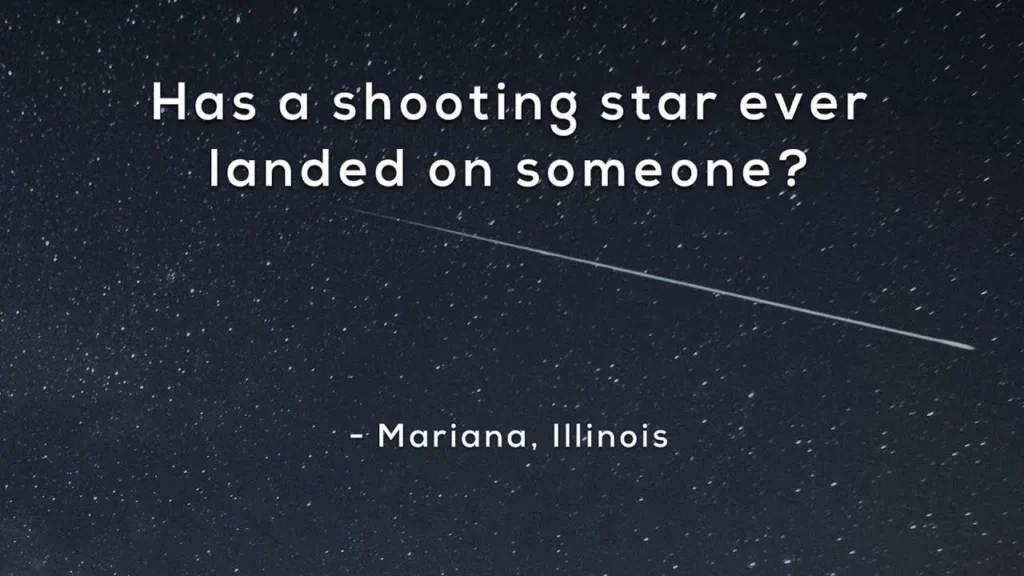
The lesson explores the phenomenon of shooting stars, which are actually meteors—rocks from space that glow as they enter Earth’s atmosphere. While it’s extremely rare for a meteor to hit a person, there have been notable incidents, such as a meteor striking a parked car and another hitting a woman while she was napping. The lesson encourages curiosity about the mysteries of the universe and the nature of meteors.
How are waves made in the ocean?

In this lesson, we explored how ocean waves are created, primarily focusing on the role of wind in generating waves. While factors like boats and marine animals can cause waves, it is the wind that predominantly influences their size and frequency, even allowing waves to travel from distant storms. The lesson also highlighted the ongoing mysteries of ocean waves, inviting curiosity and further exploration into the wonders of the ocean.
Why is it so hard for firefighters to put out wildfires?
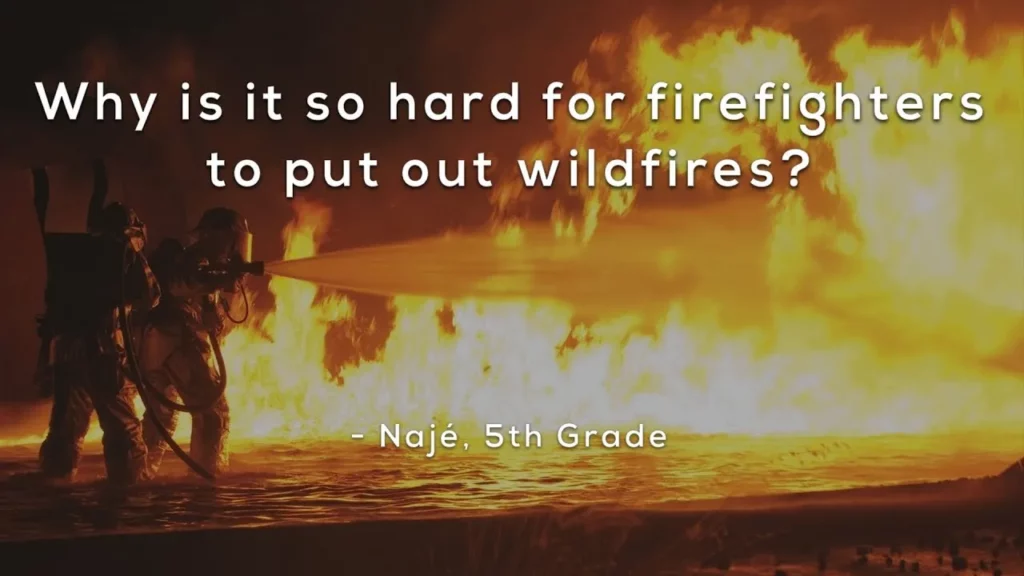
In this lesson, we explored the challenges of wildfires, particularly how their vast size and the lack of water make them difficult to extinguish. Firefighters combat wildfires by removing the fuel that sustains them, using techniques like creating firebreaks and sometimes even starting controlled burns to prevent larger fires from spreading. Ultimately, the lesson highlights the bravery and ingenuity of firefighters in protecting communities from these devastating natural events.
How do polar bears walk on ice and snow?
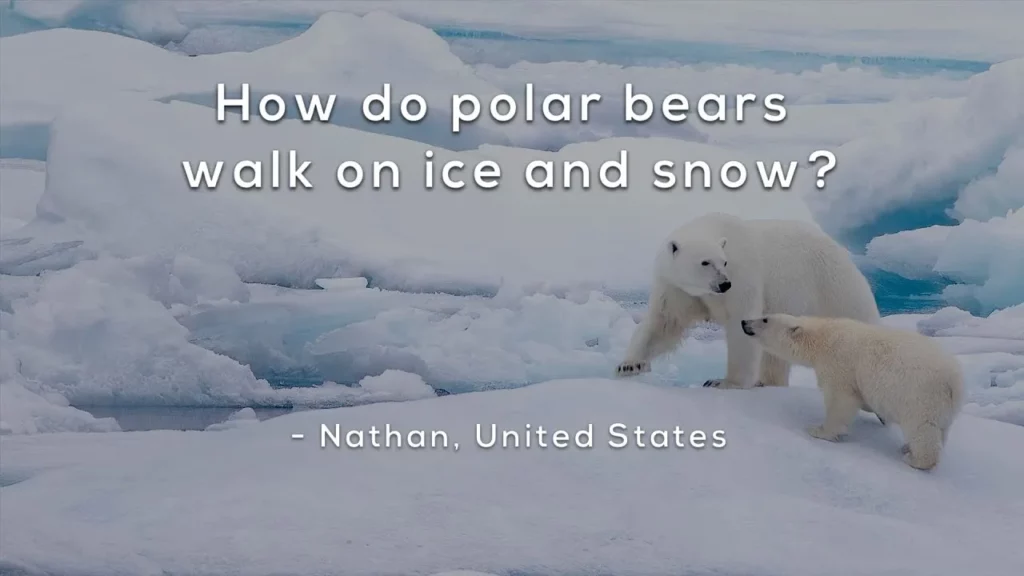
In this lesson, we explore the fascinating abilities of polar bears, particularly how they navigate and walk on ice and snow without slipping. Their large paws, covered in thick fur and equipped with tiny bumps called “pilla,” provide them with excellent grip, allowing them to travel long distances in search of food, primarily seals. The lesson encourages curiosity and experimentation, inspiring learners to think about how nature can inform innovations in grip and traction for human use.
How do lizards regrow their tails?
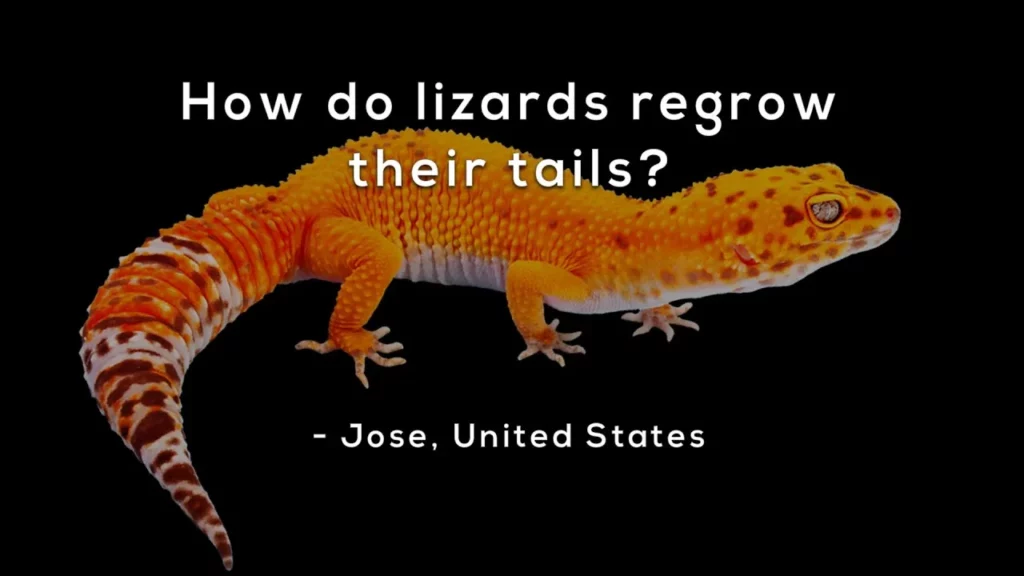
In this lesson, we explore how lizards can regrow their tails after losing them as a defense mechanism against predators. This remarkable ability, known as regeneration, involves the formation of a regeneration bud that develops into new cells for the tail. While humans cannot regrow limbs like lizards, we possess our own form of adaptation, allowing us to learn and invent solutions to overcome physical challenges.
Why do we get goosebumps when we’re cold?
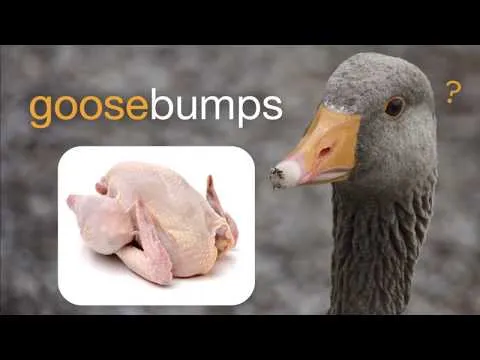
Goosebumps are tiny bumps that appear on our skin when we feel cold, resembling the skin of a featherless bird. This reaction, which also occurs in animals like cats and birds, causes their fur or feathers to stand up, helping them retain warmth by trapping air. While goosebumps don’t serve a significant purpose for humans, they highlight our connection to the animal kingdom and encourage curiosity about the natural world.
How do magicians trick people?
In this lesson, we explore how magicians use the art of distraction to create seemingly impossible tricks, such as making objects move or appearing to float. By focusing the audience’s attention in one direction while performing the secret action elsewhere, magicians create the illusion of magic. To uncover these secrets, one must observe carefully and think like a detective, much like scientists do when solving puzzles.
Why do leaves change color in the fall?
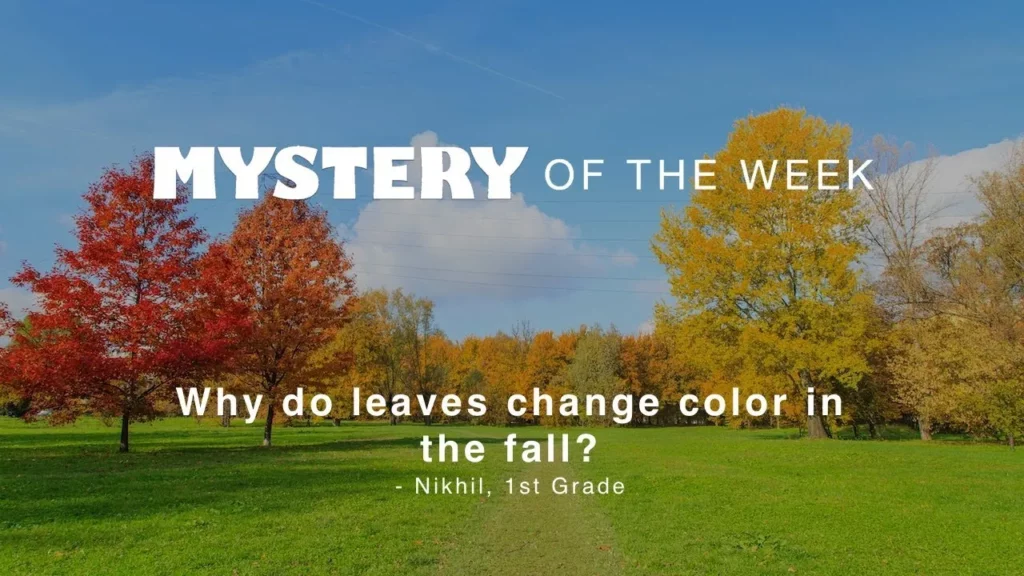
Leaves change color in the fall due to the reduction of chlorophyll as trees prepare for winter, allowing hidden pigments like yellow, orange, and red to become visible. This process is a natural part of the tree’s strategy to conserve nutrients for the colder months, rather than a sign of illness. The lesson encourages curiosity about nature and the wonders of seasonal changes.