
Why don’t all trees lose their leaves in the fall?
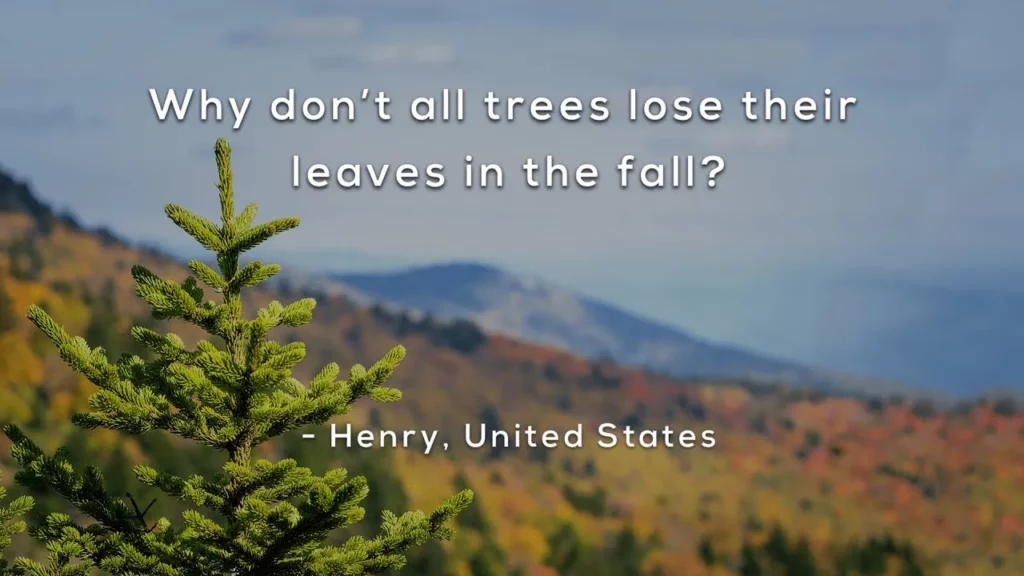
In this lesson, we explored why some trees, specifically deciduous trees, lose their leaves in the fall while evergreen trees retain theirs. Deciduous trees shed their broad leaves to prevent damage from heavy snow accumulation, while evergreen trees have needle-like leaves that allow snow to slide off, protecting their branches. Additionally, trees conserve vital nutrients by pulling green material back into their trunks as temperatures drop, showcasing the fascinating adaptations of nature.
Why are tornadoes so hard to predict?
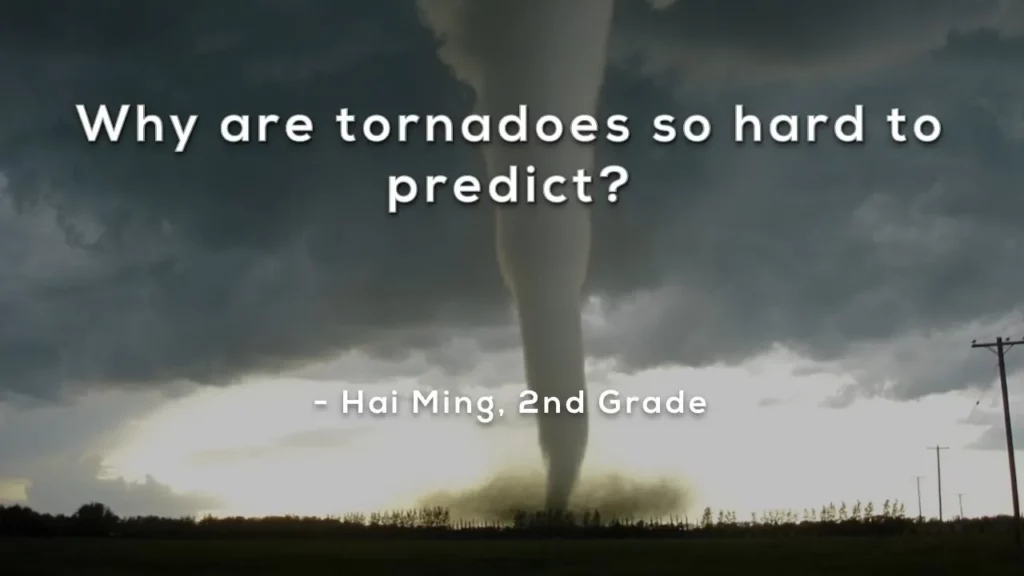
In this lesson, Doug explores the nature of tornadoes, emphasizing their unpredictability and the challenges faced by scientists in forecasting them. Unlike hurricanes, which can be predicted days in advance, tornadoes form rapidly and can cause destruction with little warning, often leaving only about 13 minutes for people to seek shelter. The lesson highlights ongoing efforts to improve tornado prediction using advanced technology and understanding of weather patterns, while also encouraging curiosity about other scientific questions.
Can animals get a sunburn?
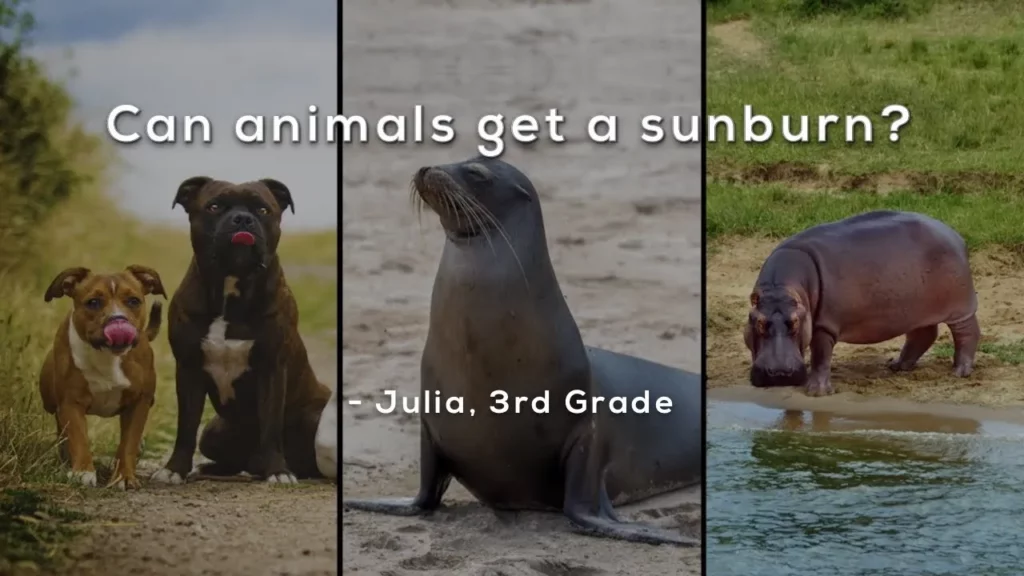
In this lesson, Doug explores the question of whether animals can get sunburned, particularly focusing on those with little fur or feathers, like elephants and pigs. While most animals are protected by their fur or feathers, those without such coverings can indeed get sunburned and often use natural methods, like mud or special secretions, to shield their skin from the sun. The lesson encourages curiosity and highlights the unique adaptations animals have developed for sun protection.
How dangerous is it to look at the Sun?
In this lesson, we learned about the dangers of looking directly at the sun, as its powerful rays can cause permanent damage to our eyes. To safely observe a solar eclipse, special eclipse glasses are recommended, which block out 99% of the sun’s light, making it safe to view. Always remember to protect your eyes from the sun’s harmful effects!
How do astronauts get ready for space?
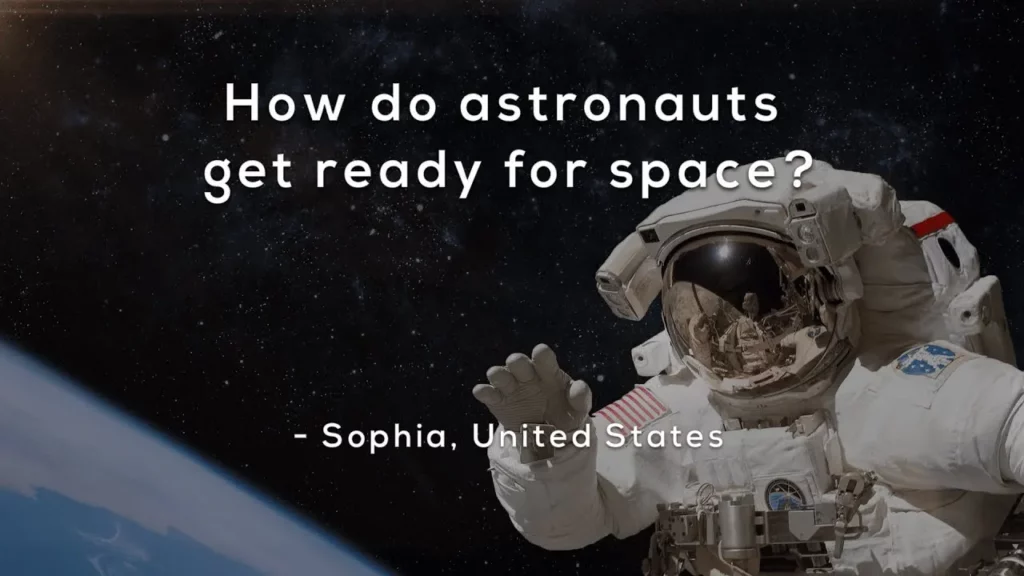
The lesson “Exploring the Moon: A Journey of Discovery” highlights the historic significance of the first moon landing in 1969 and the upcoming Artemis program, which aims to return astronauts to the moon for extended missions. It emphasizes the rigorous training astronauts undergo, including simulations in underwater environments and desert terrains, to prepare for the challenges of lunar exploration. The lesson also underscores the importance of diversity in space exploration, as the Artemis mission will mark a significant milestone by allowing the first woman and the first person of color to walk on the moon.
Why do some people get carsick?

The lesson explains car sickness, a form of motion sickness that can occur when traveling in vehicles like cars, buses, or airplanes. It highlights how conflicting signals from our senses—such as our inner ear sensing movement while our eyes see stationary objects—can confuse the brain and lead to feelings of nausea. To alleviate symptoms, it suggests focusing on external scenery to help synchronize sensory input, and notes that individual susceptibility to motion sickness varies, leaving room for future research and potential solutions.
Why don’t people fall out of roller coasters when they go upside down?
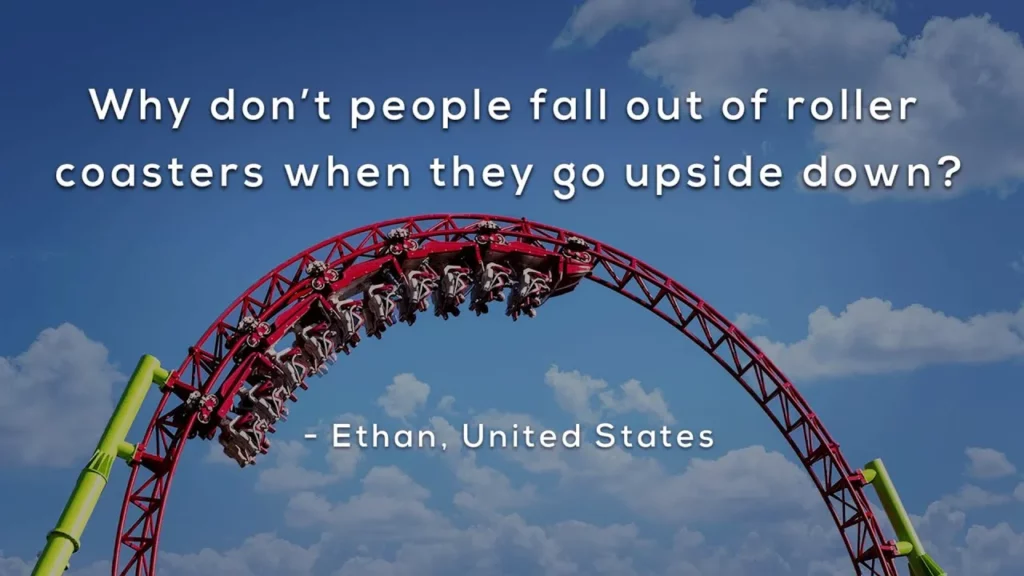
In this lesson, we explore the science behind why people don’t fall out of roller coasters, even when they go upside down. The key factors include the effects of gravity and the forces experienced during rapid motion, which keep riders securely pressed into their seats. Additionally, safety features like seat belts enhance protection, reminding us of the importance of safety while enjoying thrilling rides.
How do polar animals survive the cold?
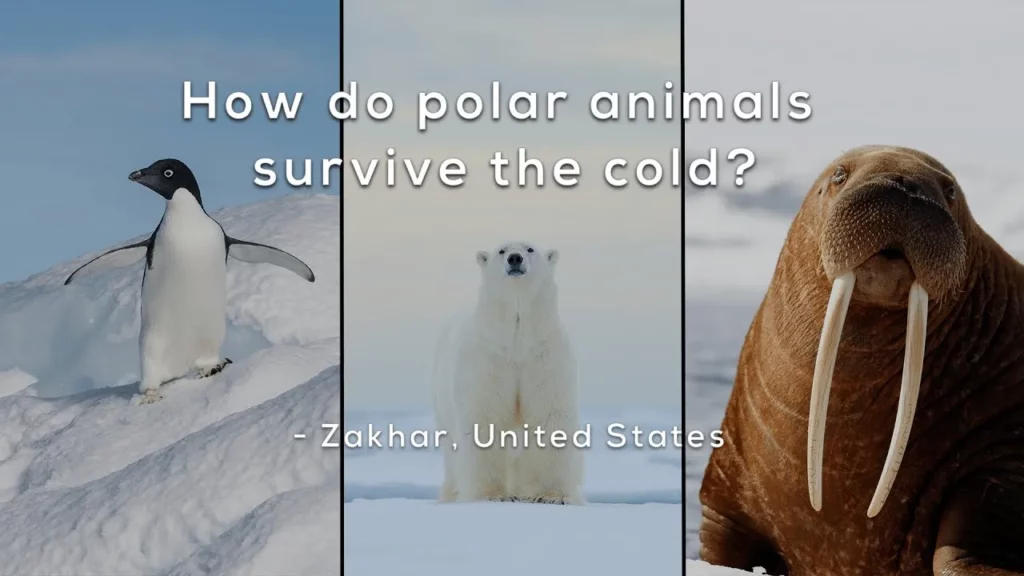
In this lesson, we explored how polar animals survive in extreme cold temperatures, utilizing adaptations like thick fur and blubber to maintain warmth. Animals such as Arctic foxes and polar bears rely on these features, while penguins huddle together to conserve heat, and small creatures like lemmings dig tunnels for shelter. Overall, these fascinating adaptations highlight the ingenuity of nature in helping wildlife thrive in harsh environments.
Mystery Doug – New 5-minute videos for your students
In “Doug’s Fun Learning Adventure,” Doug invites students to join him on an engaging learning journey through weekly videos that explore real student questions. Each episode features a quick, interactive mystery-solving session, complete with discussions and captivating visuals. Students can also participate by voting on future questions and submitting their own, fostering a curious and collaborative learning environment.
How do bees make honey?
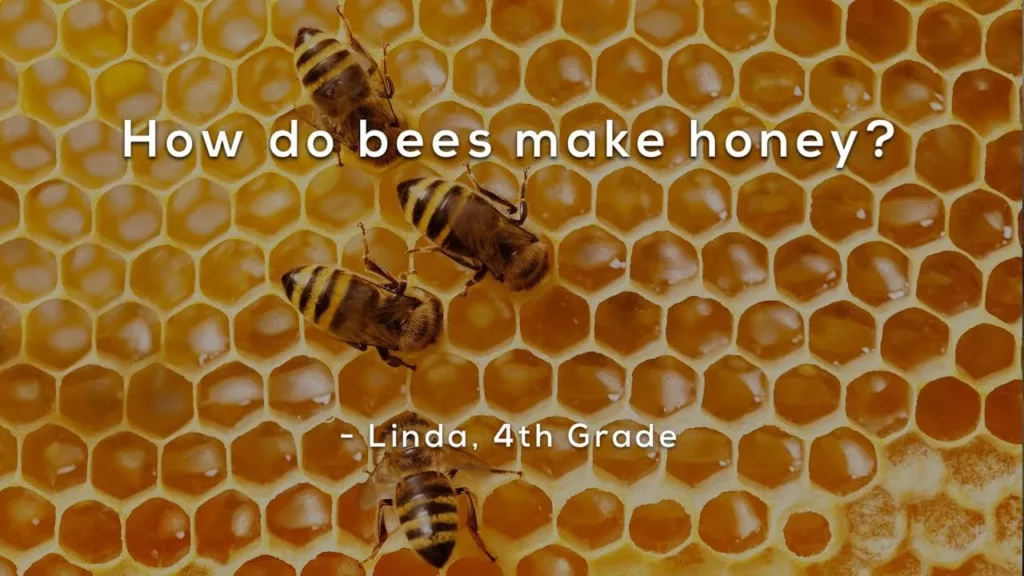
In this lesson, we explore the fascinating process of how bees make honey, starting from their collection of nectar from flowers to the transformation of that nectar into honey through a unique process involving enzymes. Once the honey is created, bees store it in wax honeycombs for nourishment during lean times. Additionally, we learn that farmers harvest the excess honey produced by bees, allowing us to enjoy this sweet treat while ensuring the bees have enough food for themselves.