
Why do zebras have stripes?
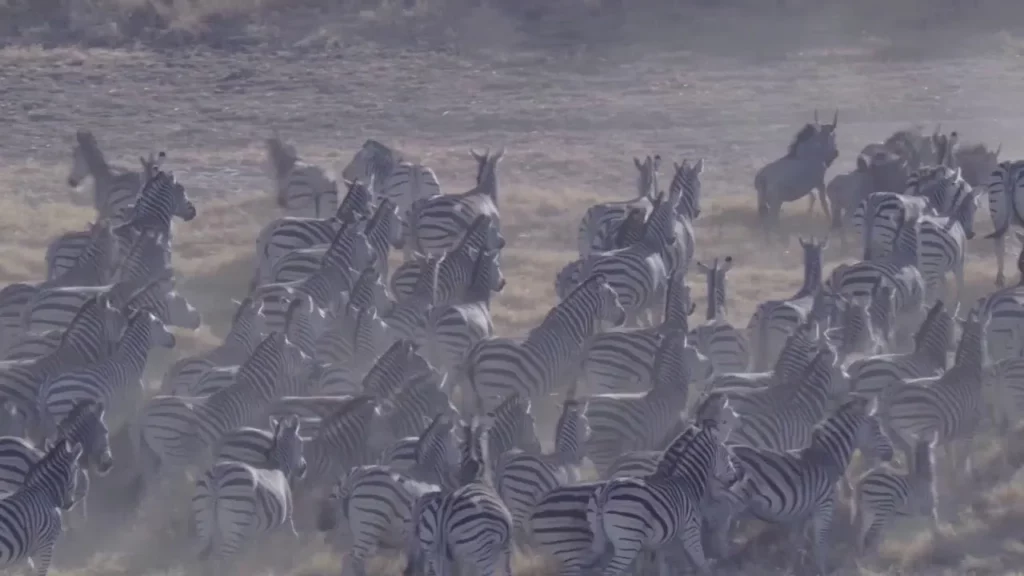
In this lesson, we explored the fascinating reasons behind zebras’ distinctive black and white stripes. While it may seem that the stripes would make zebras more visible to predators, they actually serve to confuse predators when zebras move in herds, creating a disorienting mass of stripes. Additionally, the unique patterns may help zebras recognize each other, highlighting the complexity of nature’s adaptations.
How do braces work?

In this lesson, Esther explains how braces work to move teeth into better positions in the mouth. Braces consist of small pieces attached to each tooth, connected by a wire that applies gentle pressure, prompting the bones to adapt and create space for the teeth to shift. This process highlights the fascinating relationship between dental appliances and the body’s ability to change bone structure for improved oral function.
Why is snow white?
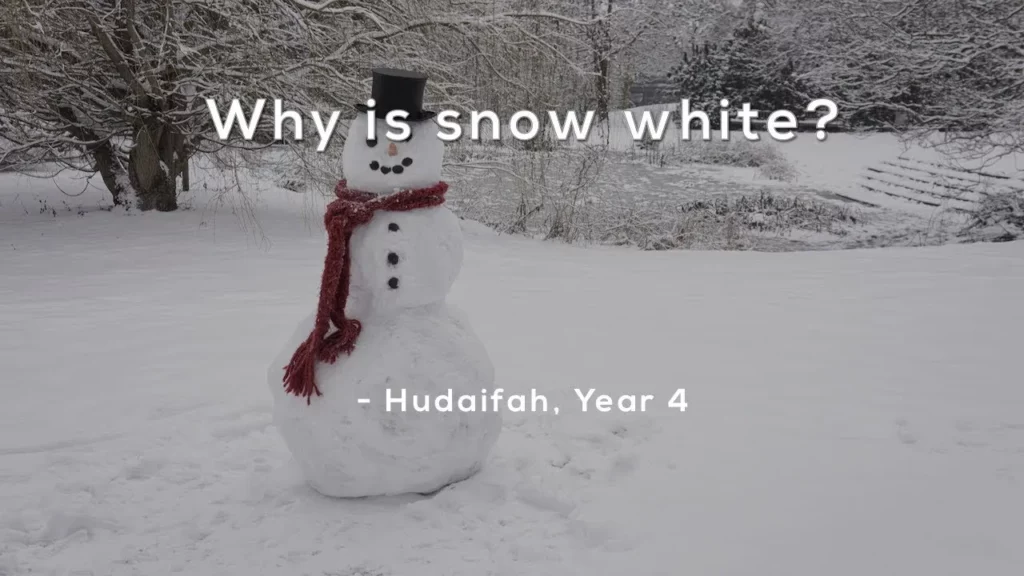
In this lesson, we explored the question “Why is snow white?” by examining the composition of snowflakes, which are made of clear ice but appear white due to their many edges and bumps when piled together. We also discussed how the color of light affects the appearance of snow, noting that it can take on different hues depending on the lighting conditions. To reinforce the concepts learned, a fun activity was suggested where students can create their own paper snowflakes.
Are aliens real?
In this lesson, students explore the intriguing question of whether aliens exist, discussing the reasons behind our curiosity about extraterrestrial life and the ongoing search for signs of it through initiatives like SETI. While no definitive evidence of aliens has been found, the lesson encourages students to appreciate the wonders of life on Earth and to remain curious about the mysteries of the universe.
Is Pluto a planet?
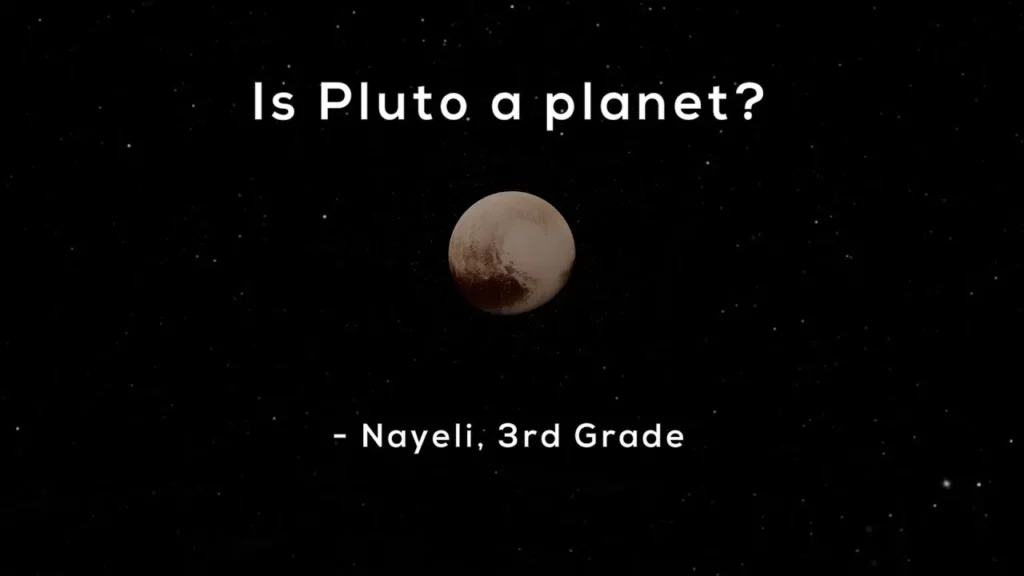
The lesson explores the debate surrounding Pluto’s classification as a planet, highlighting its discovery in 1930 and the subsequent changes in scientific understanding that led to its reclassification as a “minor planet” in 2006. It discusses the excitement of the New Horizons mission, which provided clear images of Pluto, revealing its unique features, and encourages curiosity about the mysteries of the universe. Ultimately, while Pluto may not be considered a major planet, it remains an intriguing object of study in our solar system.
Why isnt Pluto a planet anymore?
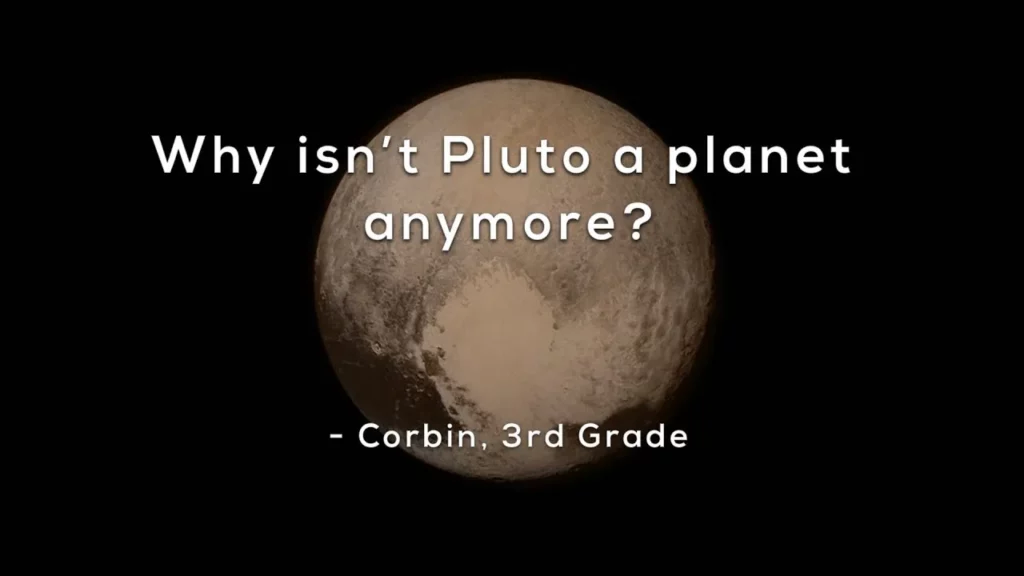
The lesson explains why Pluto is no longer classified as a major planet, highlighting the discovery of numerous small celestial bodies in the Kuiper Belt, similar to Pluto, which changed our understanding of what constitutes a planet. It draws a parallel with Ceres, which was once considered a planet but is now classified as an asteroid due to the discovery of many similar objects. The lesson emphasizes the evolving nature of scientific classifications and encourages curiosity about the universe.
Is there really a pole at the North Pole?

In this lesson, we explored the North Pole, addressing common misconceptions such as the existence of an actual pole at the North Pole. We learned that the North Pole is simply a frozen area of the Arctic Ocean without a physical pole, and we discussed the historical significance of explorers reaching both the North and South Poles, as well as the unique wildlife found in each region. The lesson encourages curiosity and the pursuit of knowledge about our planet.
Can you make lava?
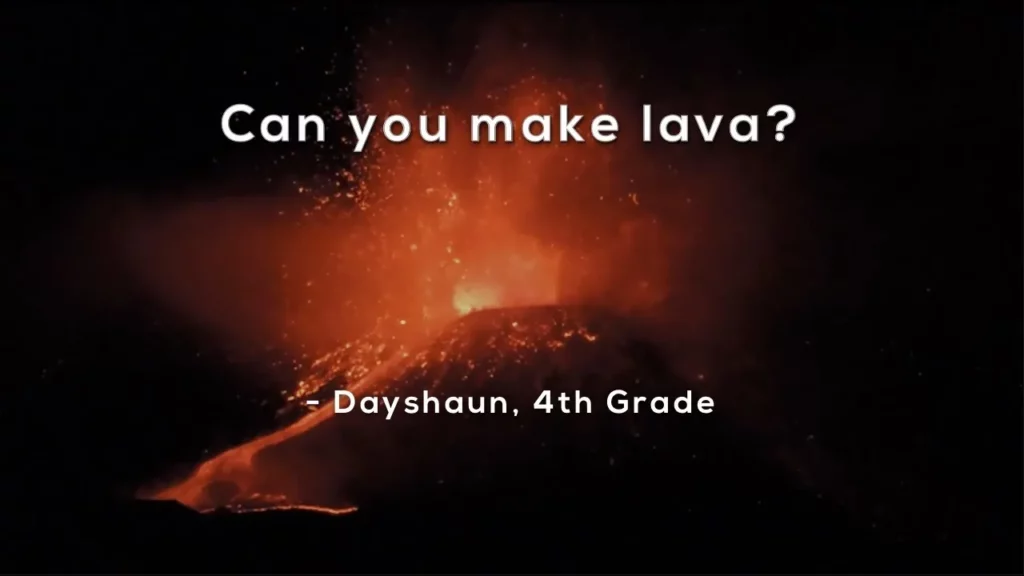
In this lesson, Doug introduces the fascinating world of lava, explaining its properties and formation. He discusses the difference between molten lava and lava rock, and how scientists can create lava in a lab by heating rocks. The lesson emphasizes the natural processes that lead to lava formation deep within the Earth and encourages curiosity about geological phenomena.
Why do we call them donuts?
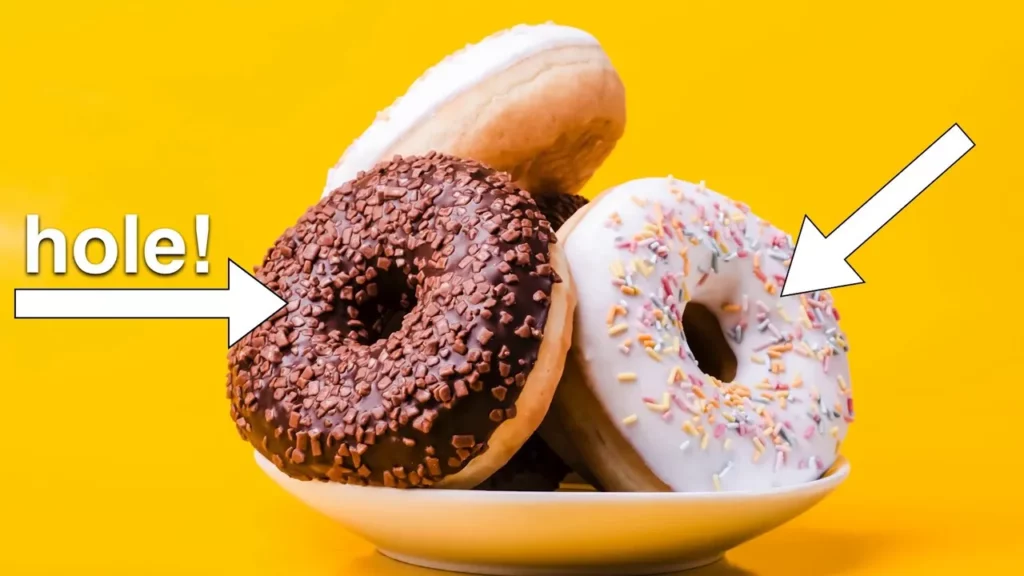
In this lesson, we explore the origins of the word “donut” and discover that it is derived from the older spelling “doughnut,” which combines “dough” (the main ingredient) and “nut,” a term used by the Dutch to describe the shape of the original fried dough balls. By using an etymology dictionary, we learn how language evolves and the stories behind the names of everyday items. The lesson encourages curiosity about words and invites further exploration of their histories.
Why do penguins have wings if they can’t fly?
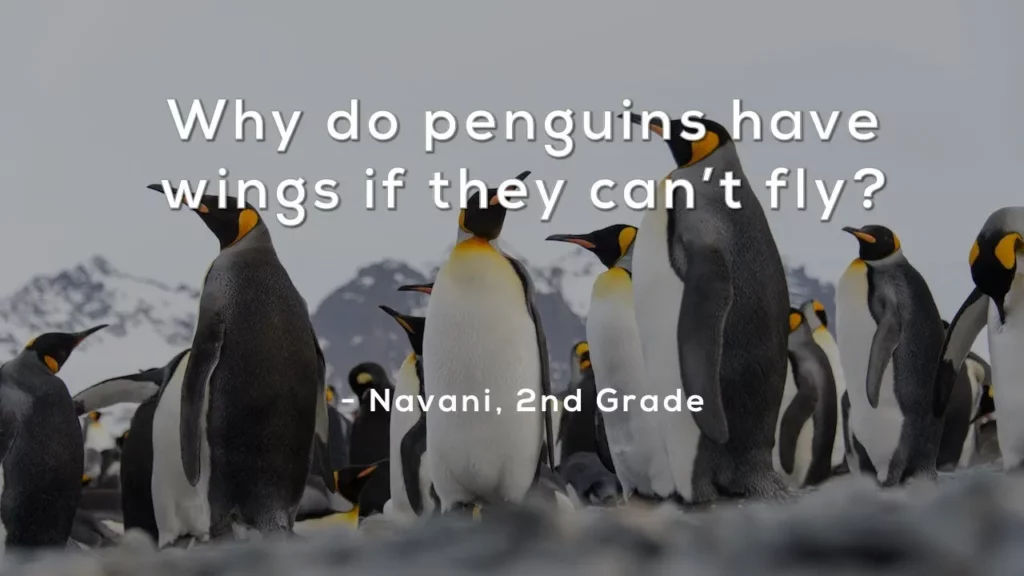
In this lesson, we explored why penguins have wings despite being unable to fly. Penguins use their wings as paddles to swim efficiently underwater, allowing them to catch fish, and their wing structure is adapted for this purpose with stiff, smooth feathers. This highlights the unique adaptations of penguins that enable them to thrive in their aquatic environment.