
How are pencils made?
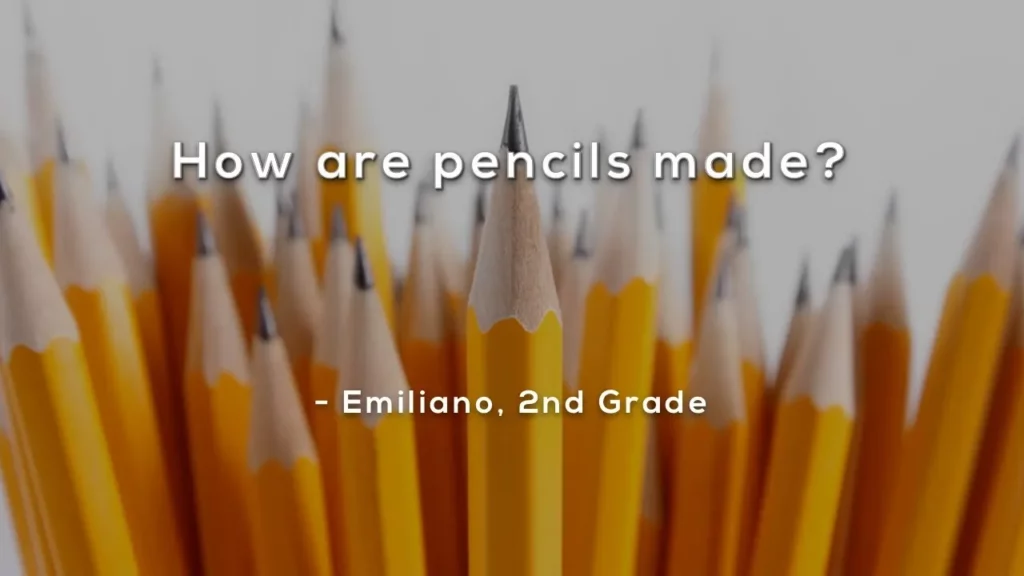
In this lesson, we explored the fascinating process of how pencils are made, starting from their historical predecessors like quills and charcoal. We learned that modern pencils consist of graphite encased in wood, and the manufacturing process resembles making a sandwich, where wood serves as the outer layers and graphite as the filling. Ultimately, pencils provide a clean and efficient writing tool, showcasing the cleverness of their invention.
What causes the Northern Lights?
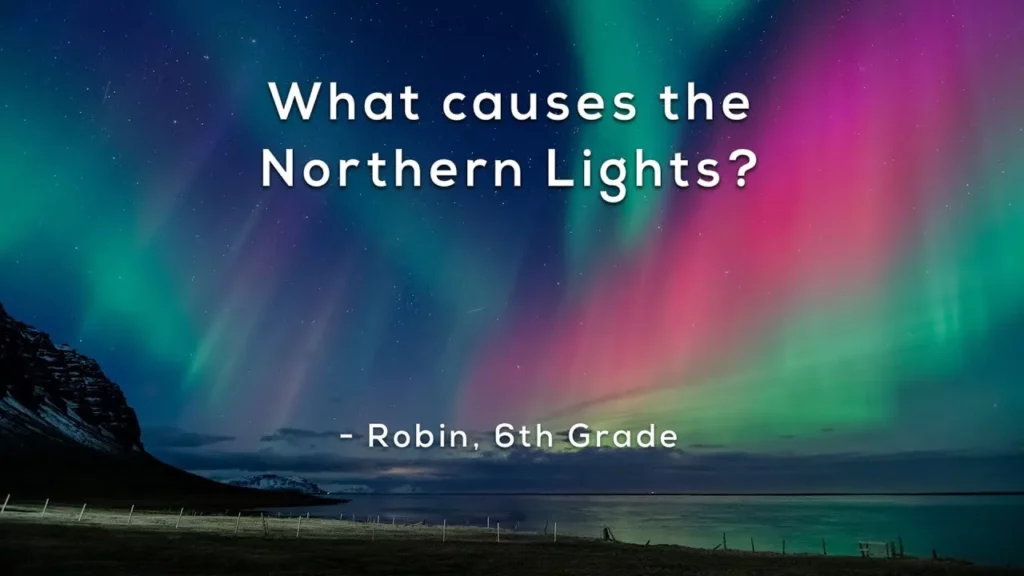
In this lesson, we explored the enchanting phenomenon of the Northern Lights, also known as auroras, which are colorful displays of light primarily visible near the poles due to interactions between the sun’s electrical particles and Earth’s magnetic field. We learned about their vibrant colors, the science behind their creation, and how similar effects can be replicated in a lab using different gases. The lesson encourages curiosity and exploration of the natural world, inviting learners to continue discovering its wonders.
How do things glow in the dark?
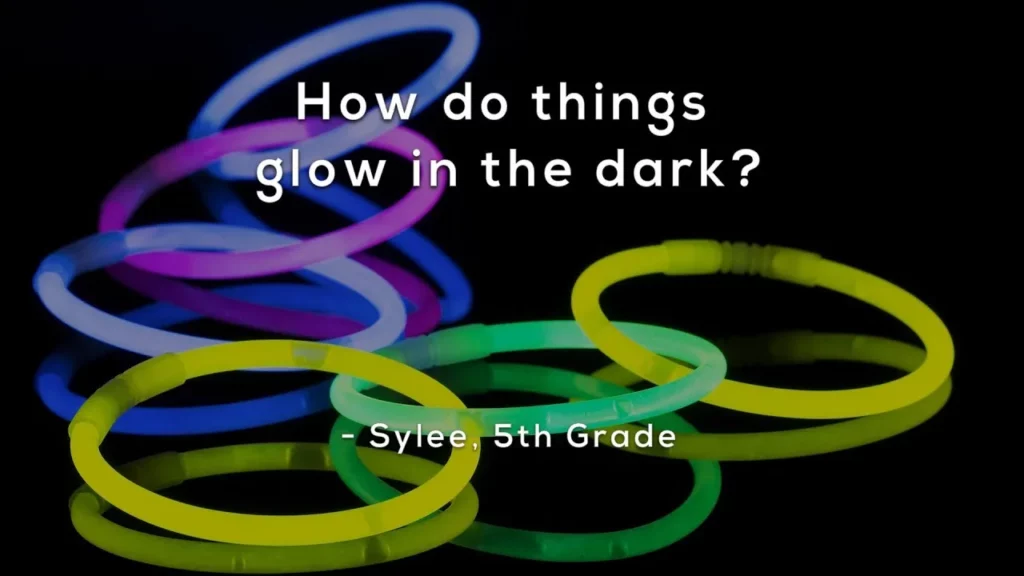
In this lesson, we explore the fascinating world of glow-in-the-dark objects, uncovering the science behind their luminescence. From the chemical reaction in glow sticks to the phosphorescent properties of glow-in-the-dark stars, we learn how these items emit light without heat or electricity. Additionally, we discover natural examples of bioluminescence, such as fireflies and certain mushrooms, highlighting the wonders of glowing phenomena in both man-made and natural environments.
Who invented football?
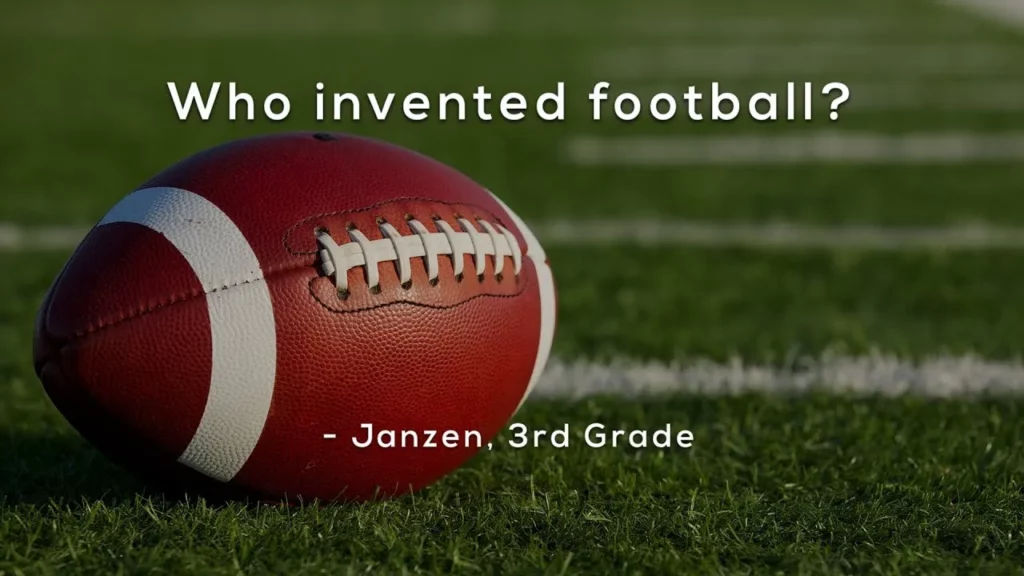
The lesson explores the history and evolution of American football, highlighting its origins in ancient ball games and its similarities to rugby. It emphasizes the contributions of Walter Camp in shaping the rules of American football, while also acknowledging the game’s long-standing roots in various cultures. Ultimately, the lesson encourages curiosity and exploration of the history behind popular sports.
How can you tell if a mushroom is poisonous?
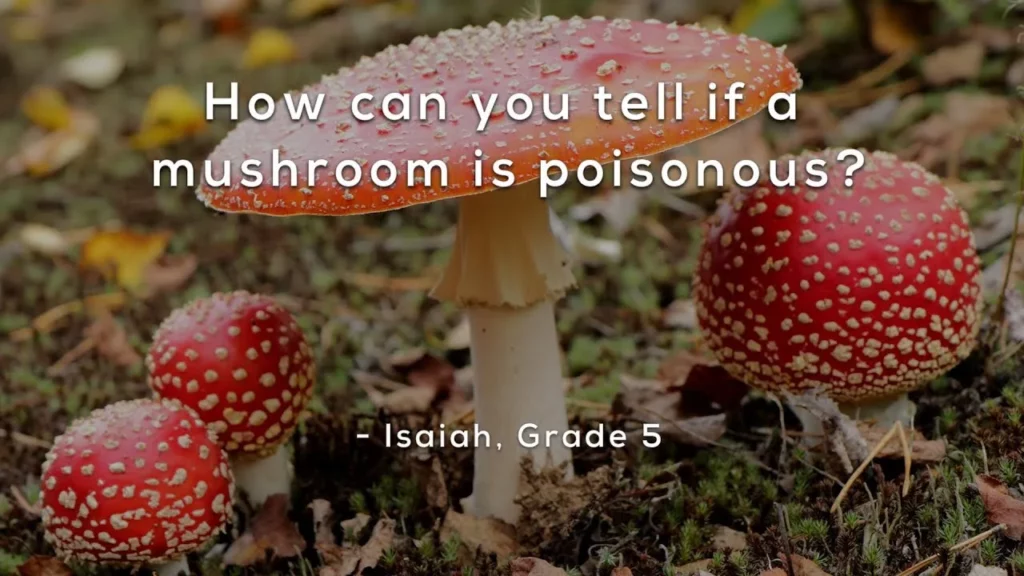
In the lesson “Discovering the World of Mushrooms,” students learn about the fascinating world of mushrooms, including their growth patterns, such as fairy rings, and unique types like puffballs and Morels. The lesson emphasizes the importance of identifying safe mushrooms, as some can be poisonous, and encourages students to become mushroom experts through exploration and education. Ultimately, it inspires curiosity and a deeper appreciation for the natural world.
How do earthquakes happen?
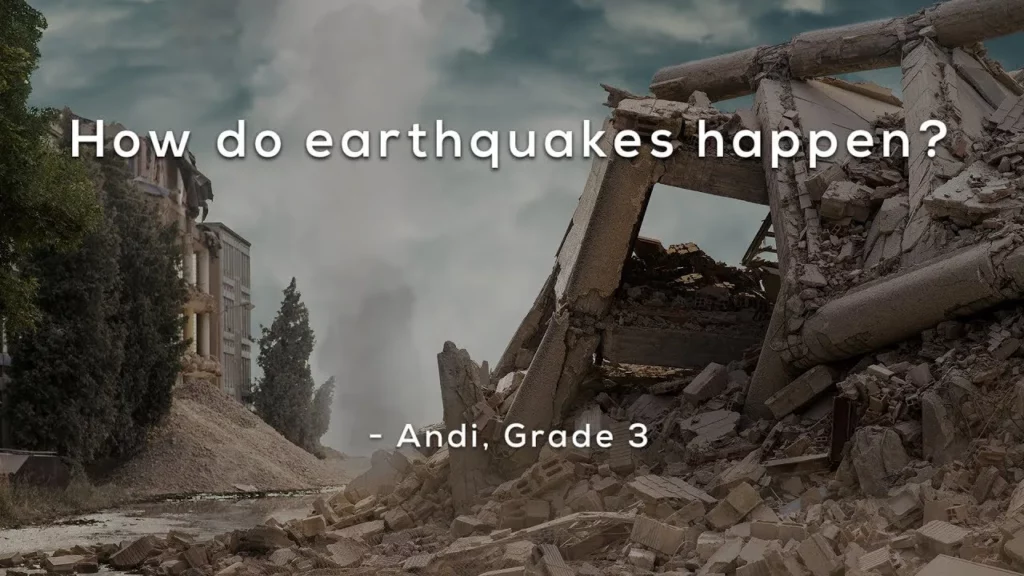
In this lesson, we explored how earthquakes occur, beginning with ancient beliefs and transitioning to modern scientific understanding. Earthquakes happen when tectonic plates, which make up the Earth’s surface, become stressed and suddenly slip along fault lines, causing the ground to shake. While scientists have made significant progress in understanding earthquakes and improving building safety, predicting their exact timing remains a mystery.
How old is the Earth?
In this lesson, Doug shares his discovery of a 1927 nickel, which prompts a discussion about how we determine the age of the Earth. By examining natural clues such as tree rings and rock layers, scientists have concluded that the Earth is approximately 4.5 billion years old, using methods like radioactivity to uncover its ancient history. The lesson encourages curiosity and exploration of the natural world to uncover its mysteries.
Where does chocolate come from?
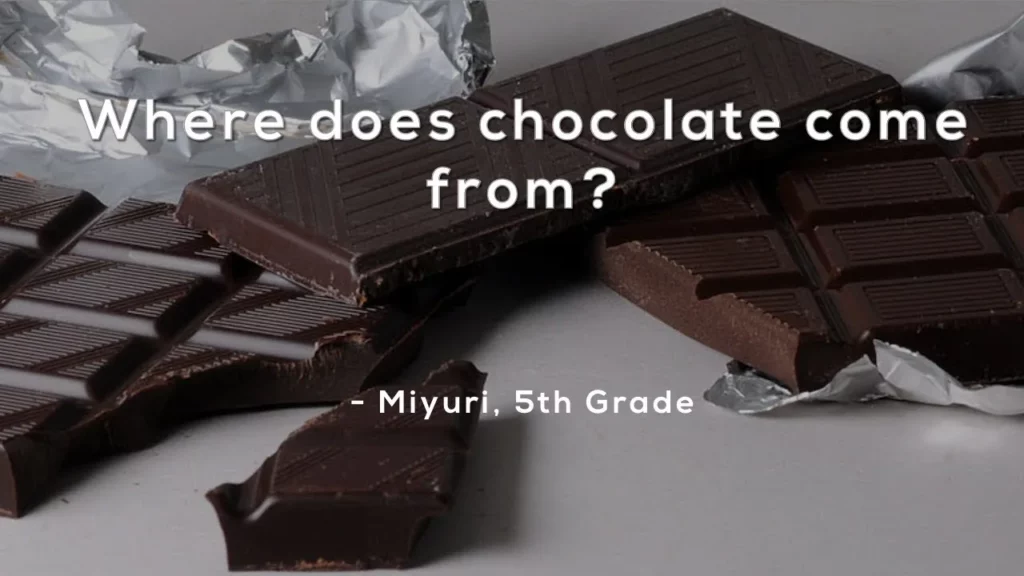
In this lesson, we explored the origins of chocolate, tracing its journey from cacao trees in the rainforest to the sweet treats we enjoy today. We learned that the ancient Aztecs were among the first to use cacao seeds to create a bitter drink called xocoatl, which transformed into the sweet chocolate we know after sugar was added. The lesson encourages curiosity and highlights the fascinating history behind one of the world’s favorite confections.
How are diamonds made?
In this lesson, we explored the fascinating world of diamonds and crystals, learning about their natural formation and the rarity of precious gemstones like rubies and emeralds. We discovered that diamonds are formed from carbon under extreme pressure deep within the Earth, and while they are challenging to find in nature, advancements in technology may soon allow us to create diamonds artificially. The lesson encourages curiosity and the pursuit of knowledge about the natural wonders around us.
Why can we see our breath in the cold?
In this lesson, we explore why we can see our breath in cold weather. When we exhale, the warm water vapor from our breath, which is usually invisible as a gas, condenses into tiny liquid droplets in the cold air, making it visible. This phenomenon highlights the three forms of water—solid, liquid, and gas—and how temperature changes can cause water to transition between these states.