
The Case for Saving PARASITES.
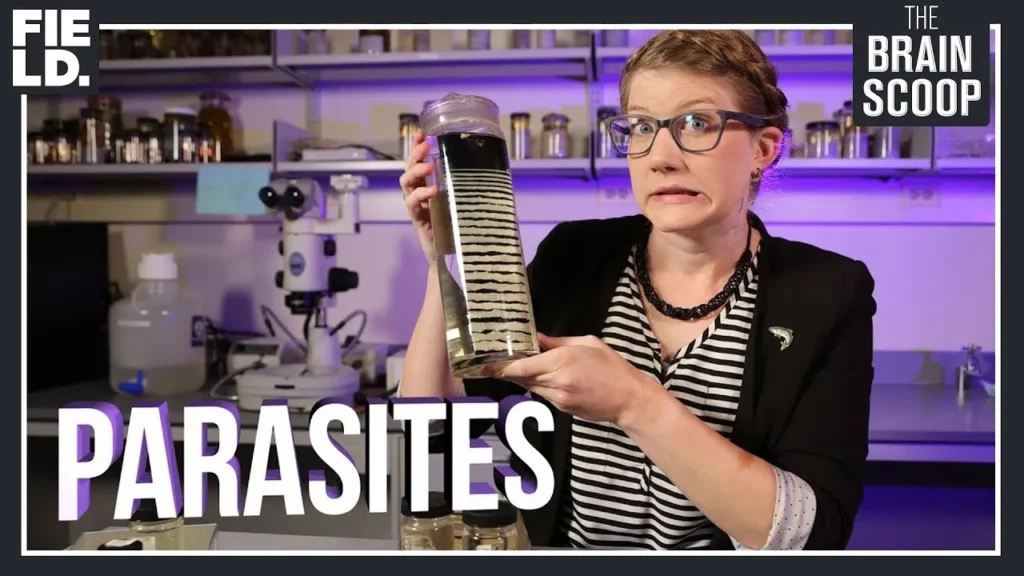
The lesson emphasizes the critical role of parasites in conservation, highlighting their importance in maintaining ecosystem balance and biodiversity. While often viewed negatively, parasites can provide valuable insights into host species and their environments, and their extinction can have far-reaching ecological consequences. Efforts like the Parasite Extinction Assessment aim to raise awareness and promote the conservation of these often-overlooked organisms, underscoring their significance in the broader context of wildlife preservation.
Dinosaur Discovery & Updates on Cloud Rats | Natural News from The Field Museum | Ep. 1
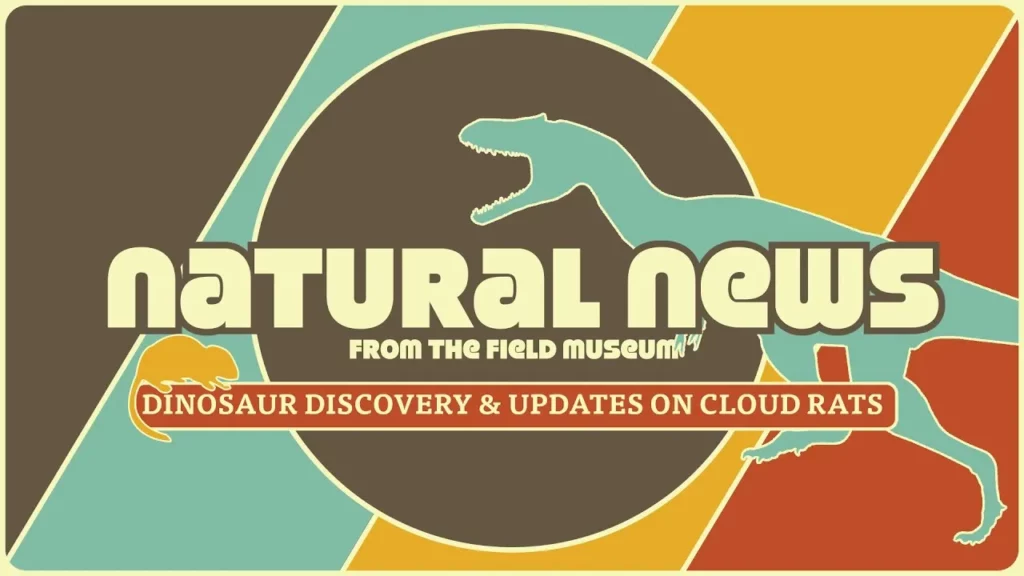
In today’s lesson, we explored various captivating topics in natural history, including the discovery of a new dinosaur species named *Gualicho shinyae*, which features short arms reminiscent of the T. Rex but belongs to a different family. We also learned about the Amazon rainforest’s incredible biodiversity, with researchers estimating 11,676 known tree species and thousands yet to be discovered, and we highlighted the unique mammal species of Luzon Island, where 52 out of 56 non-flying mammals are endemic. Additionally, we celebrated the contributions of pioneering botanist Dr. Margery C. Carlson, who made significant strides in plant science and conservation.
Preserving the Migration of Giants: Guyana’s Arapaima
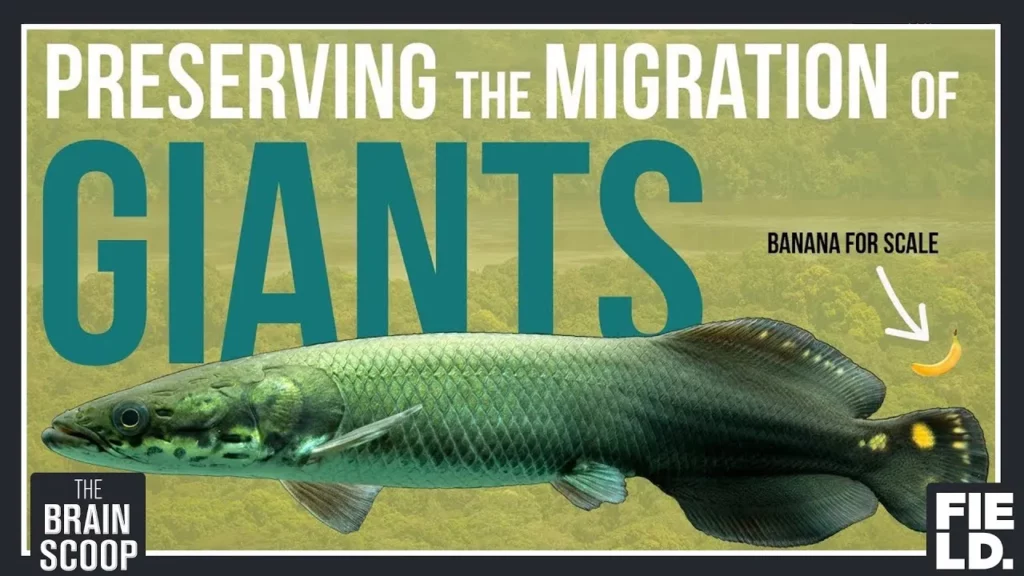
In this lesson, we explored the conservation efforts of Dr. Lesley De Souza, an ichthyologist focused on the arapaima fish in South America. She emphasizes the significance of watershed conservation and collaborates with indigenous communities to track arapaima movements using radio telemetry, ultimately advocating for the establishment of a protected area in Guyana to safeguard biodiversity and support local livelihoods. Dr. De Souza’s work highlights the importance of integrating scientific research with community involvement in conservation initiatives.
Emily’s Recommended Reading!

In this lesson, a selection of recommended books is presented to inspire readers and broaden their horizons, particularly in the fields of science and natural history. The recommendations include engaging titles for young science enthusiasts, explorations of natural history and museum work, and captivating science-related reads that delve into topics like microbiomes, forensic chemistry, and the cultural aspects of death. Each book is highlighted for its unique contributions to understanding science and the natural world.
Ask Emily #2
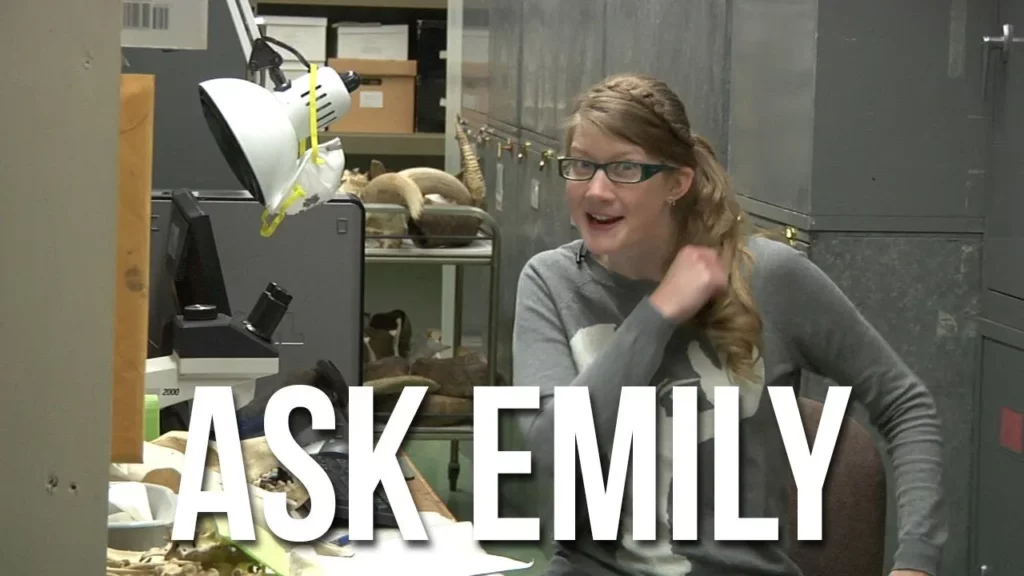
In Episode 2 of “Ask Emily,” the host addresses previous inaccuracies regarding the Grossometer and shares her excitement about being featured on NPR. She discusses her unconventional educational journey, highlighting the importance of hands-on experience in biology through internships and volunteering, while also answering quirky questions and sharing insights about ethical practices in museums, unexpected discoveries, and the challenges of balancing work and studies.
Recommended Reading: 2019!
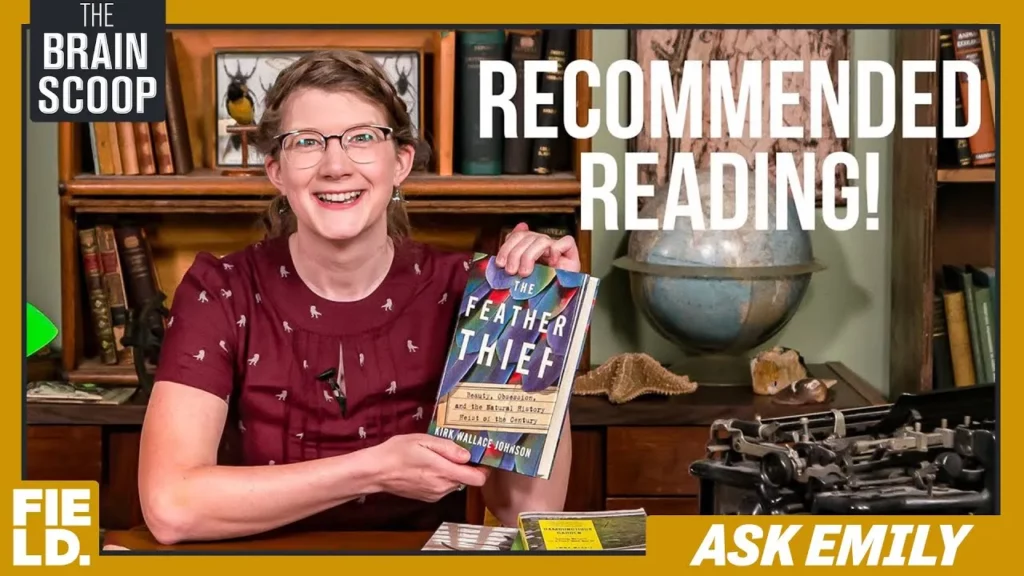
In this lesson, we explore a diverse selection of captivating books that delve into topics such as geology, paleontology, true crime, and the natural world. Notable titles include *Timefulness*, which encourages a long-term perspective on our planet, and *The Feather Thief*, a gripping true crime narrative about a museum heist. Each book offers unique insights into the intersection of nature, science, and human passion, inviting readers to reflect on their relationship with the world around them.
Misfits of the Mineral Collection
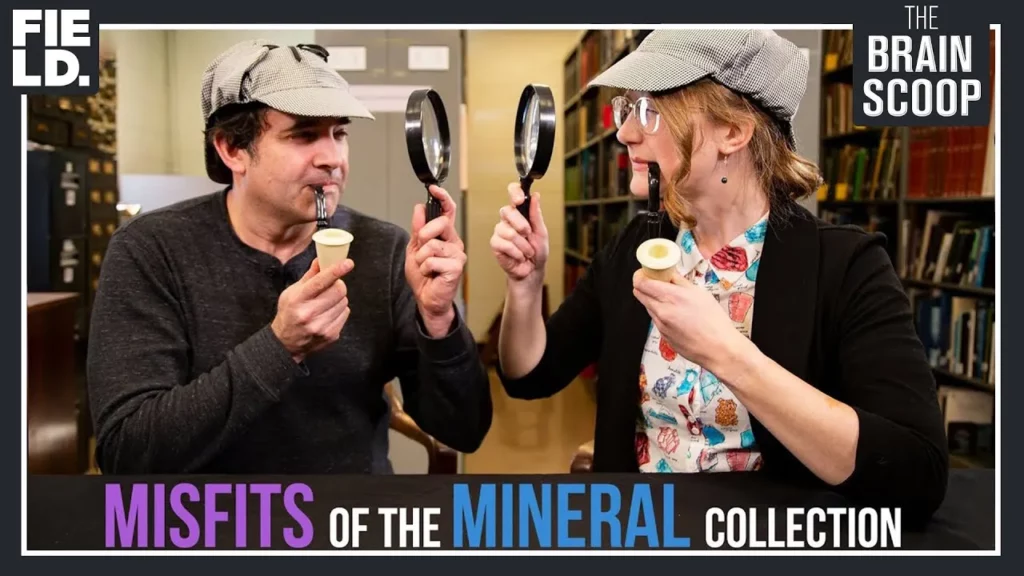
In this lesson, Jim and Emily embark on an exciting adventure to uncover hidden treasures and mysteries within a 125-year-old museum. They explore a variety of fascinating objects, including a Tiffany frame and a carved jeweled casket, while learning about the significance of lapidary art and the stories behind everyday items from the past. The lesson encourages curiosity and highlights the importance of museums as places where every object has a unique story to tell.
I 3D printed a brown rat skull at 400% normal size just for the h*ck of it #taxidermy #3dprinting
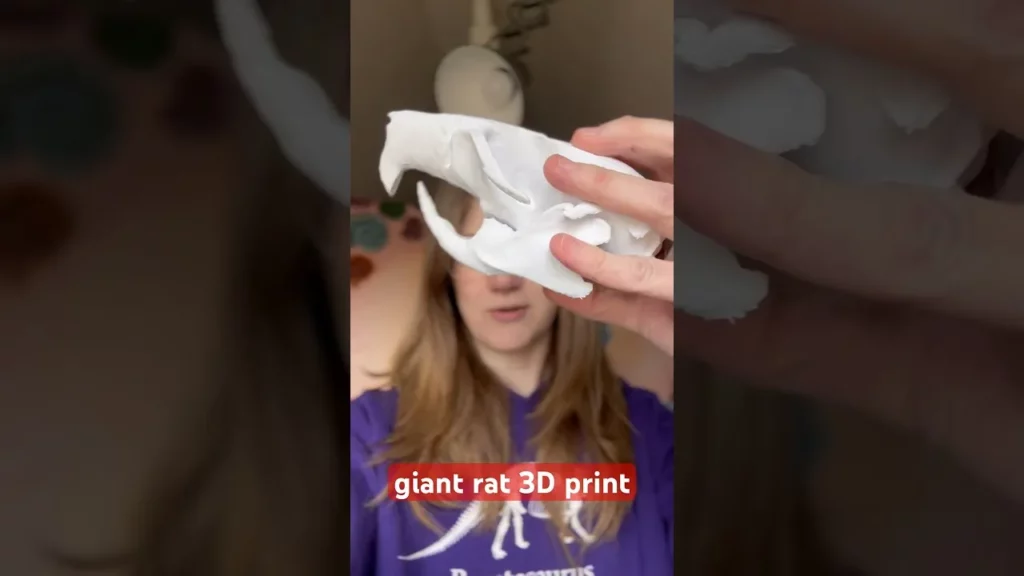
In this lesson, we explore the creative process of building a rat diorama, which involves gathering materials, learning taxidermy techniques, and utilizing 3D printing technology. This hands-on project not only allows for artistic expression but also provides educational insights into preservation methods and the use of modern technology. Ultimately, it’s a fun way to collaborate with friends while bringing imaginative scenes to life.
Death Rocks

In this lesson, students embark on an exploration of dangerous minerals with Emily and Jim Holstein, learning about the composition of minerals and the risks associated with specific harmful substances like Stibnite, Galena, and Asbestos. The lesson emphasizes the importance of understanding these minerals for scientific research while highlighting the need for caution when handling them due to their potential health hazards. Ultimately, it combines excitement with education about geology and the significance of respecting the power of these “death rocks.”
Chicago’s Original Black Taxidermist: Carl Cotton
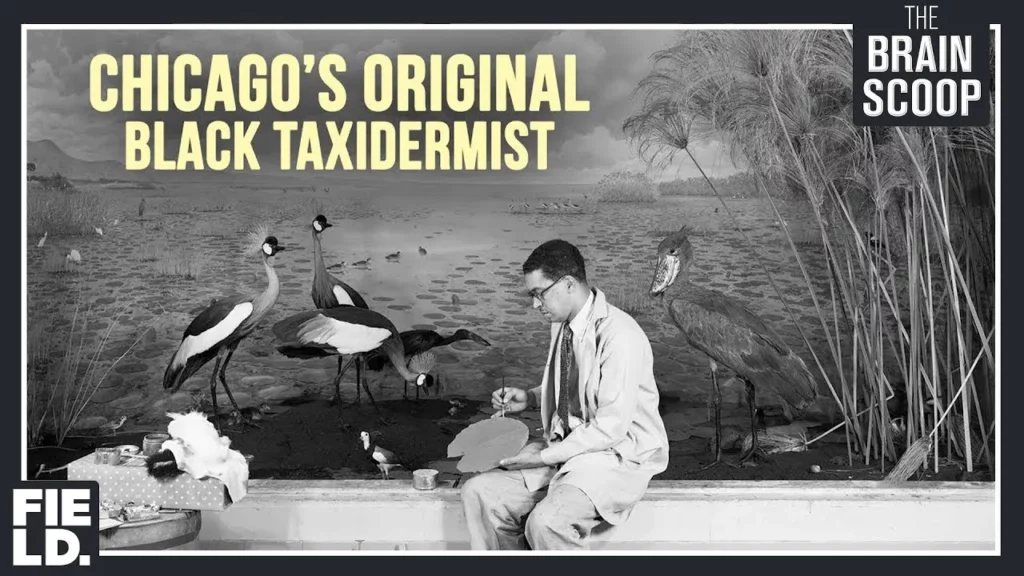
The lesson highlights the remarkable journey of Carl Cotton, an African-American taxidermist who broke barriers in the museum field during the mid-20th century. Through perseverance and innovation, he mastered the art of taxidermy and created influential exhibits at the Field Museum, including stunning displays of reptiles and birds that incorporated elements of culture and artistry. Cotton’s legacy continues to inspire future generations, showcasing the profound impact one individual can have in their field.