
Shark Weapons

The lesson explores how scientists utilize ancient weaponry adorned with shark teeth to trace the historical distribution of shark species in the Central Pacific, particularly around Kiribati. By analyzing weapons from the Field Museum’s collection, researchers identified eight shark species, revealing that two species have likely disappeared from the region since the late 19th century, potentially due to overfishing or climate change. This study illustrates the valuable insights museum artifacts can provide into ecological changes and human adaptation over time.
Live book club talk 4/20! ????

The Brainscoop Book Club has been launched on Discord, starting with the book *Pests: How Humans Create Animal Villains* by Bethany Brookshire, which examines the human perception of certain animals as “pests.” Participants are encouraged to read the book and join discussions, culminating in a live Q&A with the author on April 20th, coinciding with Earth Day. This initiative aims to foster a deeper understanding of urban wildlife and connect readers with shared interests.
????+????+☠️= Death Sandwich

The lesson explores the resourceful pest control methods used in the 1960s and 1970s, highlighting the unconventional use of everyday items like bread, peanut butter, and a mixer for mixing chemicals. It emphasizes how these practices reflect the creativity of the time, contrasting them with today’s advanced and safer pest control technologies. Ultimately, the lesson encourages appreciation for technological evolution and the innovative solutions people devised with the tools available to them.
Chicago Adventure, Part Six: The Spice of Life
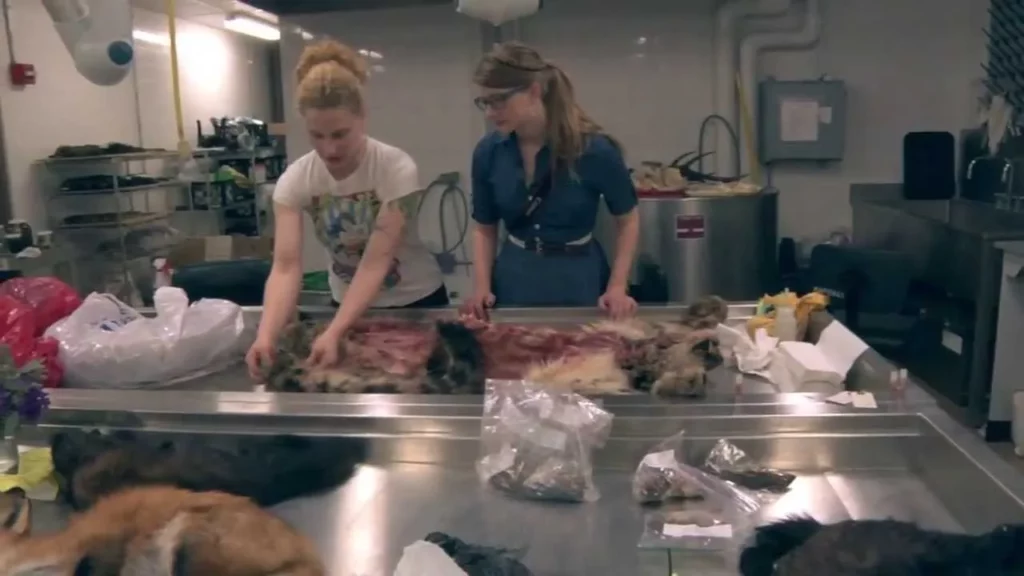
The lesson explores the intricate processes involved in specimen preparation at the Chicago Field Museum, highlighting the meticulous techniques used to preserve specimens for future research. It delves into the unique experiences within the mammals prep lab, including the distinctive odors of different species and the challenges faced in maintaining specimen integrity. Overall, the lesson emphasizes the rewarding nature of this work, showcasing the dedication required to contribute to scientific knowledge and preserve natural history.
#StayHome #WithMe & stay well!

The lesson highlights the resilience of goldfish, which can survive harsh winter conditions by remaining calm and patient, teaching us the importance of staying composed during difficult times. It also encourages exploring nature from home, emphasizing safety while enjoying activities like birdwatching and utilizing online resources for learning. Additionally, it promotes curiosity through projects and experiments, reminding us that there are many ways to discover and learn, even while staying indoors.
Chicago Adventure, Part Four: Rodents of Unusual Size (And Other Mammals, Too)
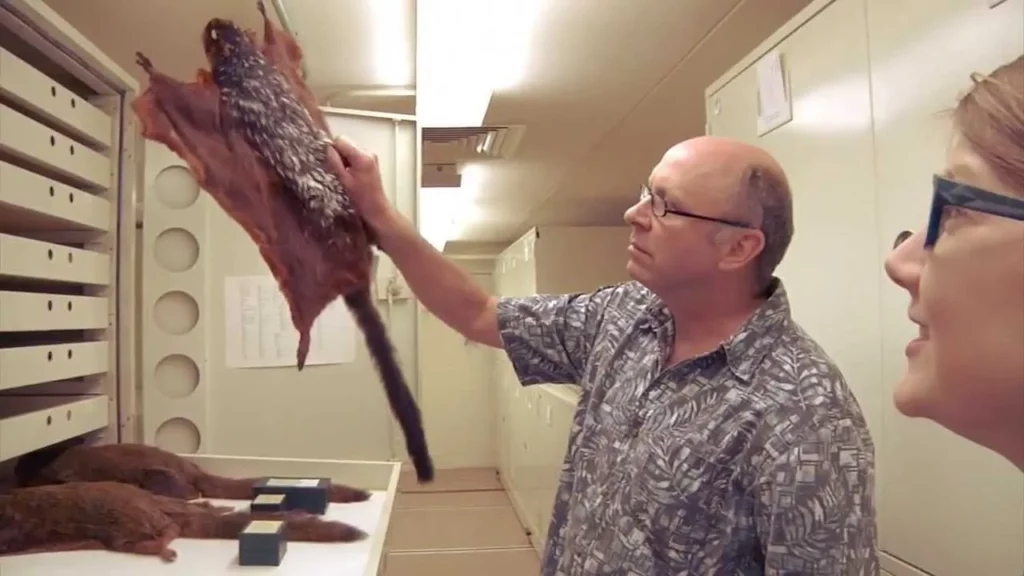
The lesson highlights the fascinating exhibits at the Chicago Field Museum, showcasing the unique characteristics of various animals, such as elephants and giraffes, and the intriguing stories behind ancient specimens. It emphasizes the importance of scientific discovery, including the role of DNA in understanding the past and the diversity of life on Earth. Ultimately, the lesson encourages curiosity and exploration, inviting learners to uncover the secrets of nature and history through museum visits.
I’m Lichen this Car Door [60 Second Specimens]

The lesson highlights the idea that scientific discoveries can occur in unexpected locations, as demonstrated by scientists who found a door from a rusty 1984 Ford Bronco covered in a diverse array of lichens during a field trip in Puerto Rico. This surprising find led to the identification of over 50 different lichen species, including a potential new species, emphasizing the importance of curiosity and observation in the pursuit of knowledge. Ultimately, it encourages us to remain open to the wonders of the natural world, no matter where we are.
Inside Insect Nests
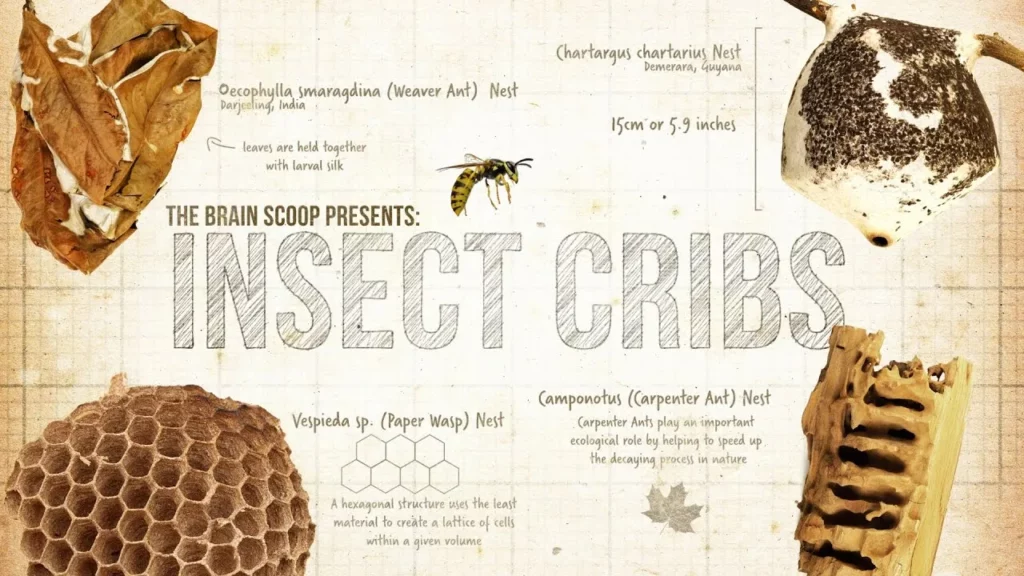
The lesson explores the fascinating world of eusocial insects, such as honey bees, fire ants, and termites, which live in highly organized societies with distinct roles and responsibilities. It highlights the complex social structures and cooperative behaviors that enable these insects to thrive, including their unique adaptations and interactions with their environments. Through examples like the partnership between stinging ants and acacia trees, the lesson emphasizes the importance of studying these species to understand ecological balance and cooperation in nature.
Pangolins
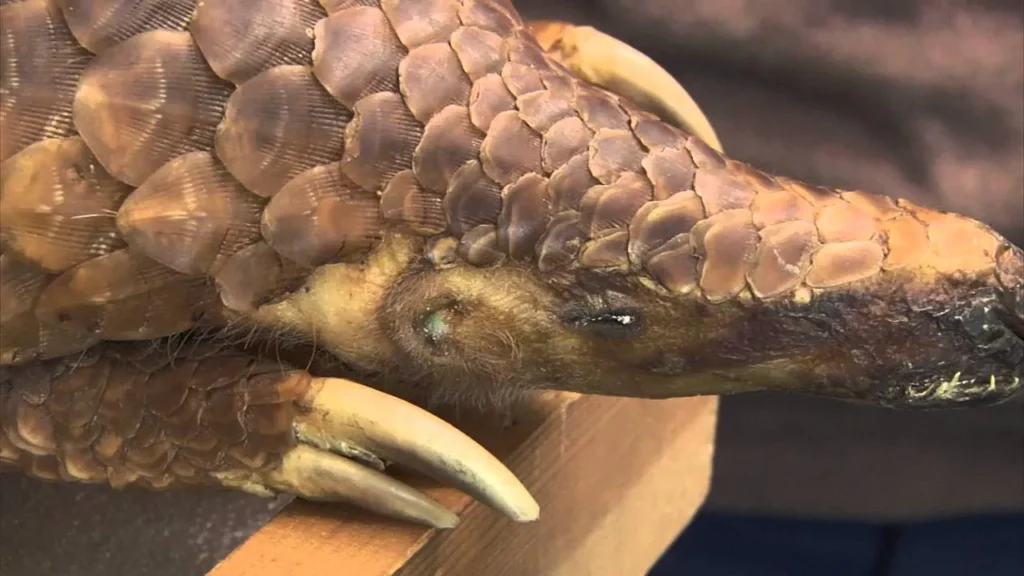
In this lesson, we explored the fascinating world of pangolins, unique creatures known for their distinctive appearance and behaviors. Despite being primarily found in Africa and tropical Asia, their rarity in Montana adds to their allure. We learned about their impressive diet, ability to walk on two legs, and the challenges they face due to hunting and illegal trade, highlighting the importance of raising awareness to protect these endangered animals.
Beaver Dissection HIGHLIGHTS!
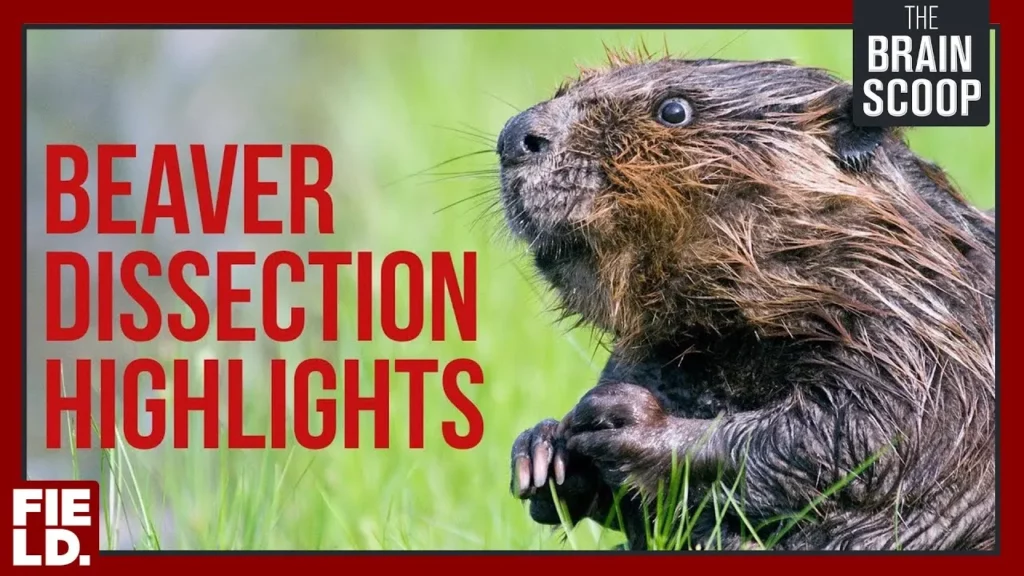
In the lesson “Exploring the World of Beavers: A Fun Dissection Adventure,” Emily Grassley and Lauren Smith conducted a live dissection of a North American beaver at the Field Museum’s Granger Science Hub, engaging both in-person attendees and a global online audience. The session provided insights into beaver anatomy, including their unique adaptations for survival, and highlighted the educational value of the dissection for research and learning. Viewers were encouraged to ask questions and share their interest in future livestreams.