
Horns vs. Antlers
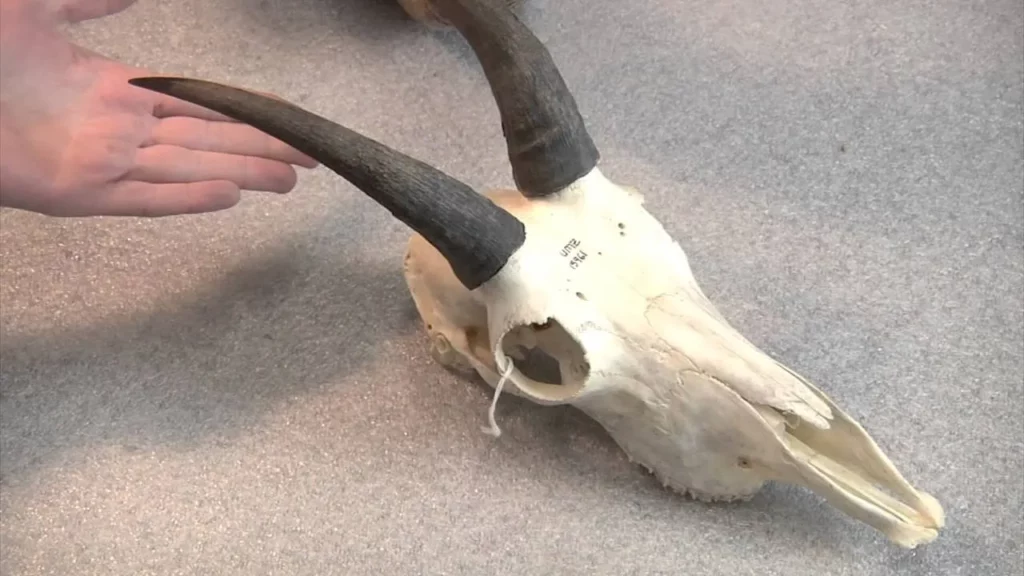
In this lesson, we explored the key differences between horns and antlers, two fascinating structures found on various animals. Horns, made of a living bone core and keratin, grow continuously throughout an animal’s life and serve purposes such as defense and attracting mates. In contrast, antlers, which are entirely bony and shed annually, grow covered in velvet and can vary in shape, playing a crucial role in competition and survival among species like deer and moose.
Year of the Passenger Pigeon
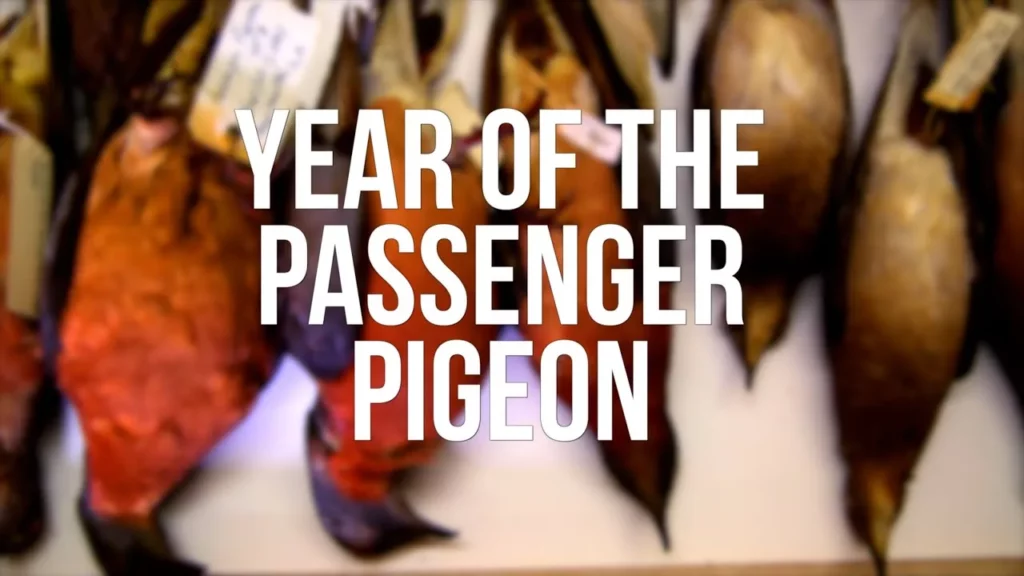
The lesson on the passenger pigeon highlights the dramatic rise and fall of this once-abundant species, which numbered in the billions before succumbing to relentless hunting and habitat destruction, ultimately leading to its extinction in 1914. It serves as a cautionary tale about the consequences of human actions on wildlife and emphasizes the importance of proactive conservation efforts to protect endangered species today. The story encourages reflection on our responsibility to preserve biodiversity and take action to prevent further extinctions.
Welcome to The Field Museum
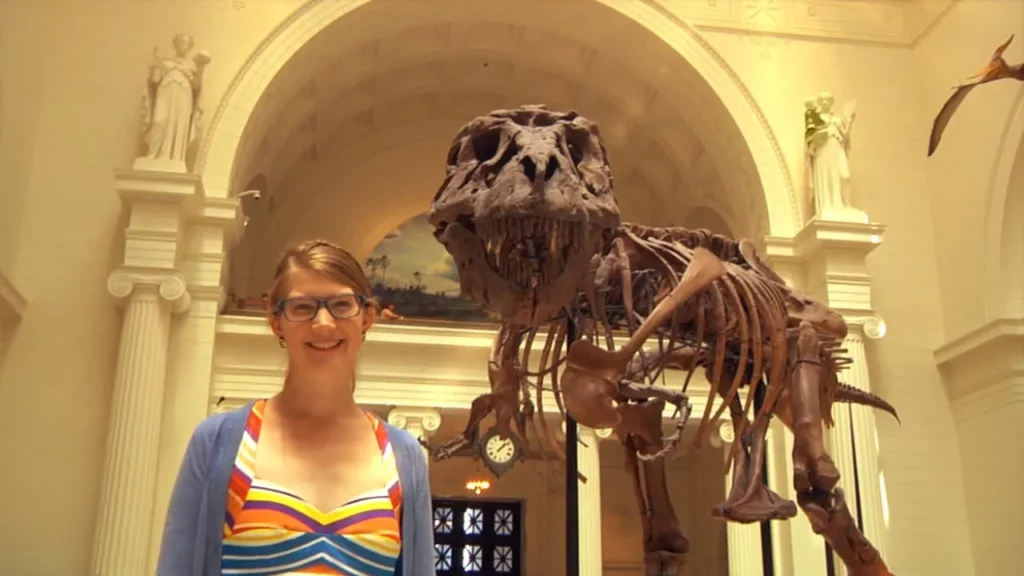
In this lesson, The Brain Scoop introduces viewers to the Field Museum of Natural History, highlighting its impressive exhibits, including the Hall of Mammals and the DNA lab. The host emphasizes the museum’s vast collections and the exciting topics they will explore, such as anthropology, botany, and paleontology, while also teasing future behind-the-scenes content. The episode encourages curiosity and invites viewers to join in on the adventure of discovering natural history.
Ghost Lineages

In this lesson, we explore the significance of a single vertebra discovered by paleontologist Brandon Peecook in Zambia, which initially suggested a connection to early reptiles and the concept of “ghost lineages” in the fossil record. Despite the excitement surrounding the find, further analysis revealed it belonged to a mammal relative, underscoring the evolving nature of scientific discovery and the importance of ongoing research in understanding the history of life on Earth. This story illustrates how even unexpected results can contribute valuable insights to the field of paleontology.
Chicago Adventure, Part Five: The Platypus, The Skin, & The Cold
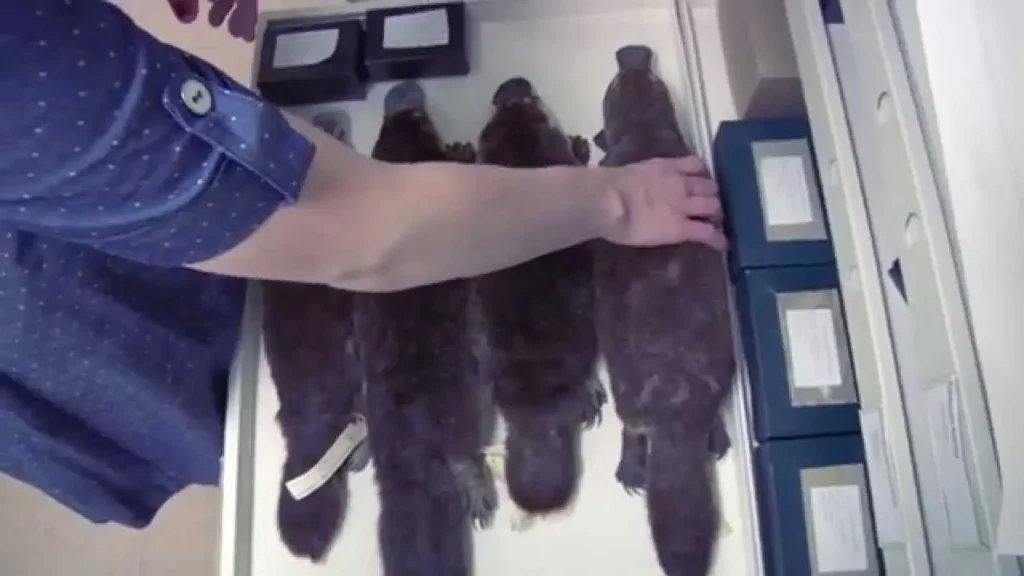
The lesson explores the Chicago Field Museum, highlighting its role as a premier natural history museum that houses a diverse collection of specimens, including unusual creatures and unique animal skins. It emphasizes the importance of studying these specimens, such as the intriguing platypus and the preservation of DNA samples, which are crucial for future scientific research and discoveries. Overall, the museum serves as a vital resource for understanding the complexities of the natural world.
Starstuff and Nanodiamonds
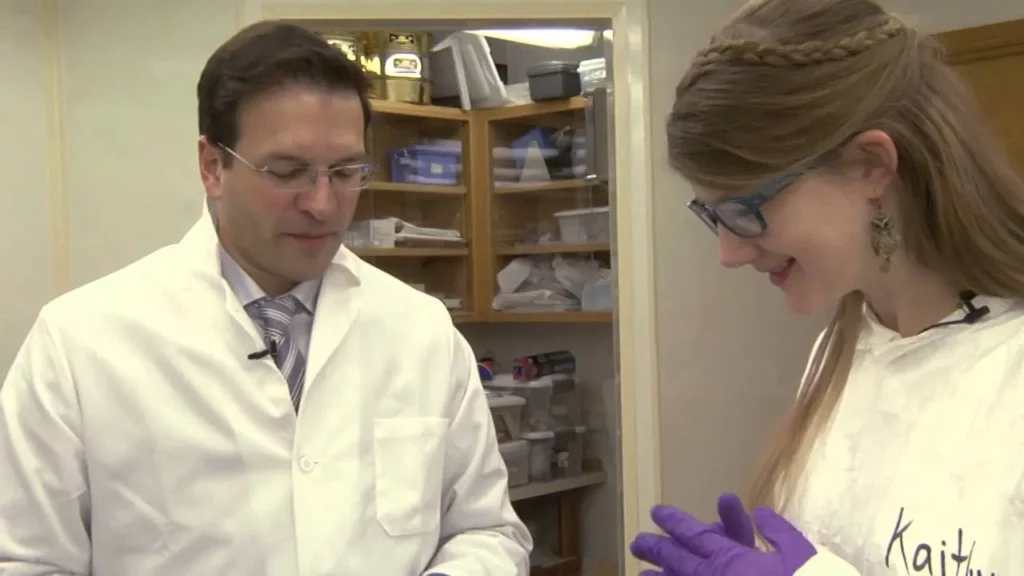
In this lesson, we explore the age and formation of the solar system through the study of ancient minerals and pre-solar grains found in meteorites. Notably, the oldest minerals, dating back to 4.567 billion years, provide insights into the solar system’s beginnings, while pre-solar grains, which may be as old as 5.5 billion years, reveal the stellar origins of the materials that formed our solar system. The discovery of nano-diamonds, tiny remnants of stardust, further connects the cosmos to the origins of life on Earth, emphasizing the profound relationship between our planet and the universe.
Olinguito
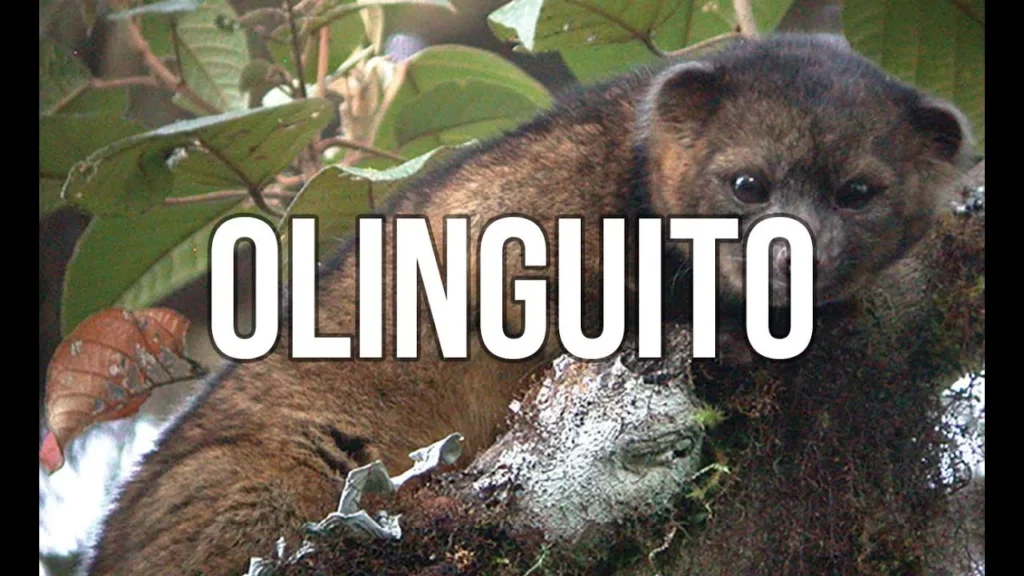
In this lesson, we explore the remarkable journey of Kris Helgen, a mammologist at the Smithsonian Museum, who uncovered a new species within the raccoon family, the olingo, through meticulous examination of museum specimens. His research involved field studies in South America, collaboration with fellow scientists, and genetic analysis, highlighting the significance of large sample sizes and the diversity within species. Helgen’s discovery emphasizes the untapped potential of museum collections in revealing new species and enriching our understanding of biodiversity.
Camel Spiders: Neither Camels, nor Spiders
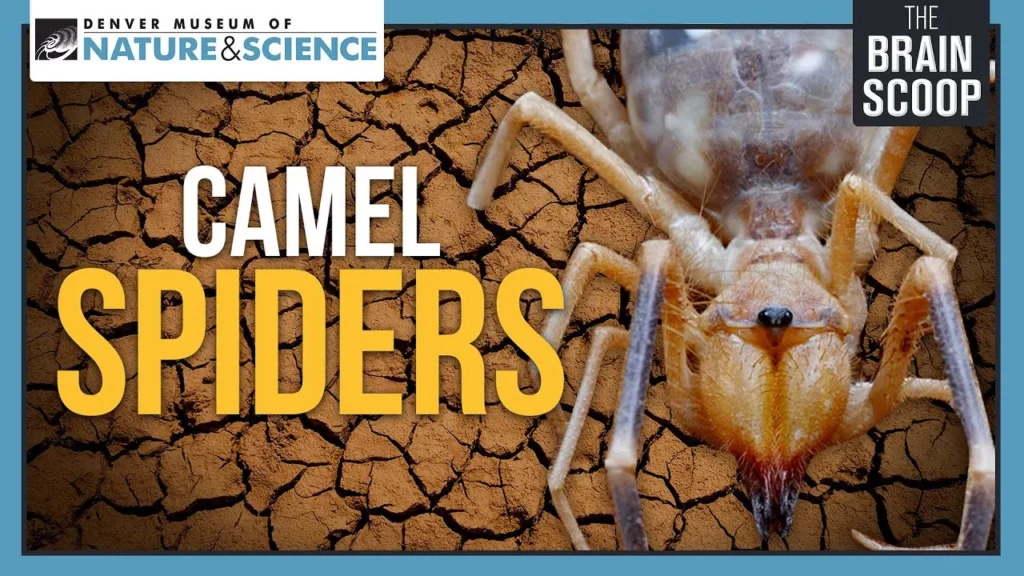
The lesson explores the intriguing world of camel spiders, highlighting their unique characteristics, ecological role, and the challenges faced in studying them. Despite their intimidating appearance and myths surrounding them, camel spiders are harmless, non-venomous creatures that play a vital role in desert ecosystems. The article emphasizes the importance of understanding these often-misunderstood arachnids and the ongoing research efforts led by experts like Dr. Paula Cushing.
Meteorite or MeteorWRONG?
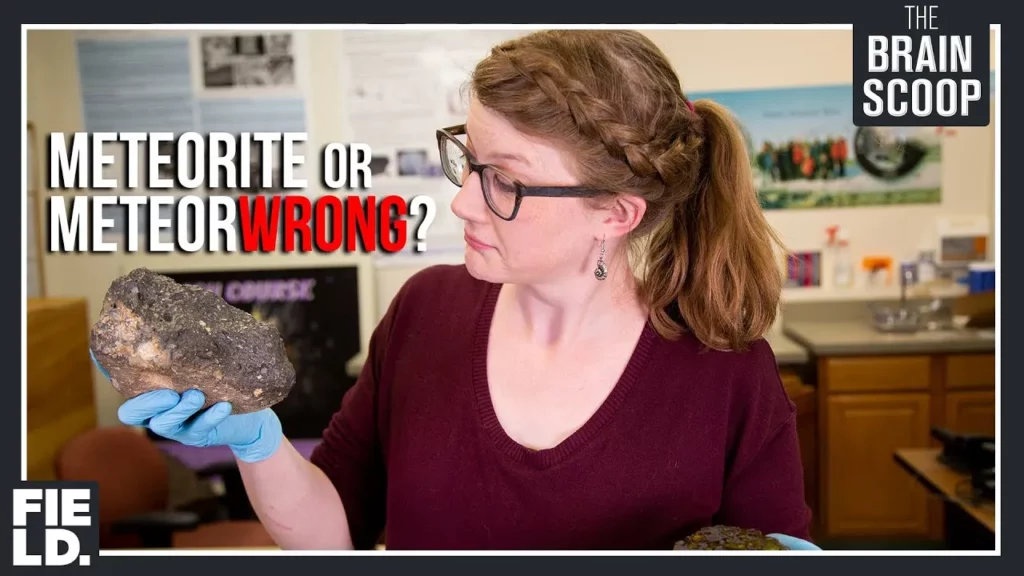
In this lesson, we explored the fascinating world of meteorites, distinguishing them from ordinary rocks, or “meteor-wrongs.” We learned about the three main types of meteorites—stony, iron, and stony-iron—and discussed key identification features such as weight, surface characteristics, and internal structures. Additionally, we highlighted common rocks that can be mistaken for meteorites and emphasized the importance of consulting experts for accurate identification.
Outtakes from Hank Green’s visit to the Museum
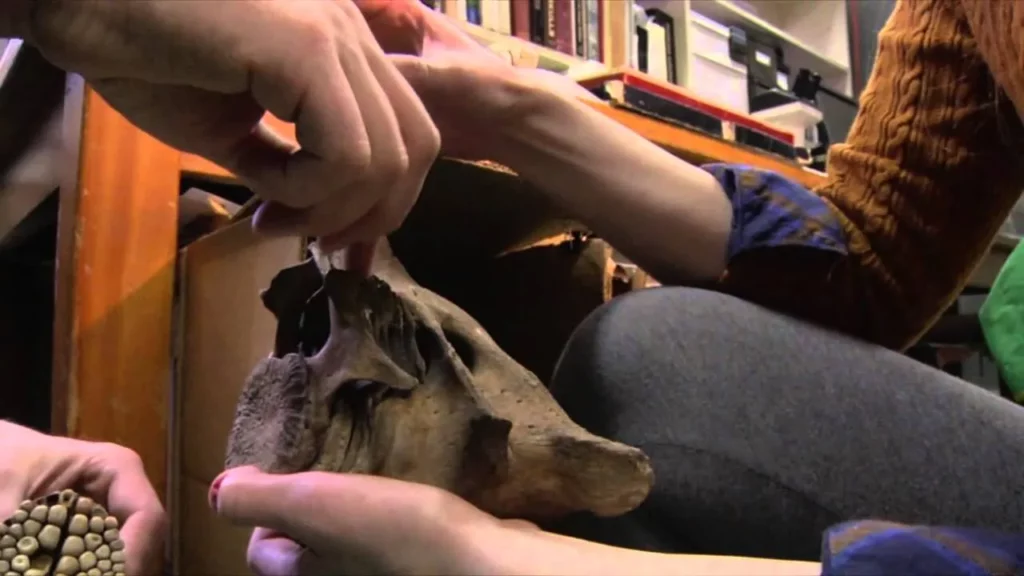
The lesson on animal preservation explores the techniques used by scientists to maintain specimens for research and education, focusing on methods for preserving birds, understanding vertebrae, and studying the impact of parasites. It highlights the intricate process of preparing birds for display, the significance of vertebrae in understanding animal movement, and the role of parasites in animal health. Overall, the lesson emphasizes the importance of these practices in contributing to our knowledge of the natural world.