
The Audubon Field Guide
The lesson explores the life and contributions of John James Audubon, a prominent naturalist and artist known for his detailed illustrations of American birds. Despite facing significant challenges, including bankruptcy and personal struggles, Audubon persevered to create his renowned work, “The Birds of America,” which showcased his unique approach to studying and depicting wildlife. His legacy endures as a source of inspiration and education about the natural world, highlighting both his artistic achievements and the complexities of his conservation methods.
Venoms vs. Poisons
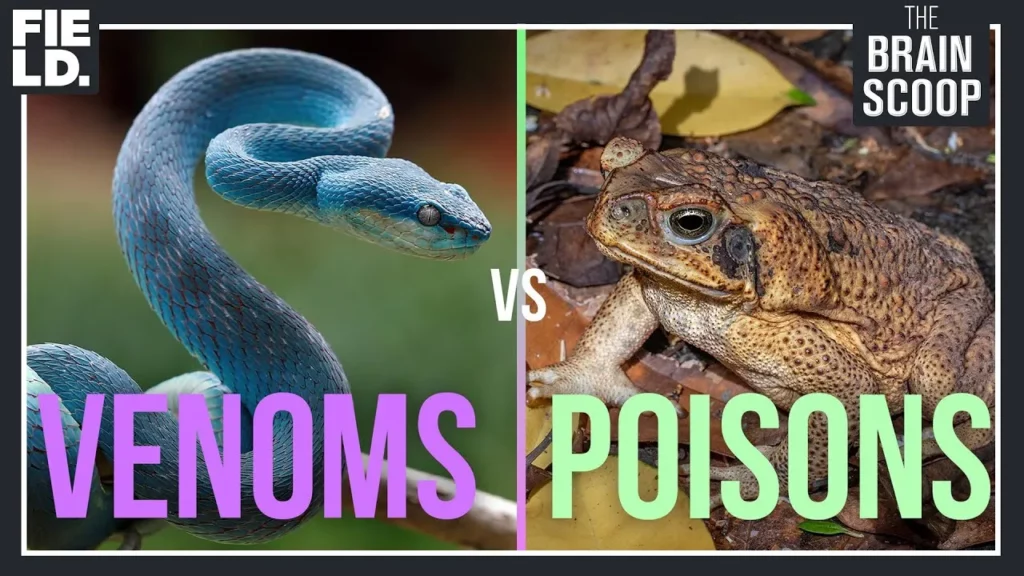
The lesson on “Understanding Venoms and Poisons” explores the differences between venomous and poisonous substances, highlighting how these toxins are used by various organisms for defense and hunting. It delves into the fascinating evolutionary dynamics among reptiles and amphibians, such as the cane toad and king cobra, showcasing how these creatures adapt to their environments and each other. Additionally, the lesson emphasizes the significance of toxins in medicine and ecosystems, encouraging a respectful appreciation for these intriguing organisms.
The Evolution of Human Birth
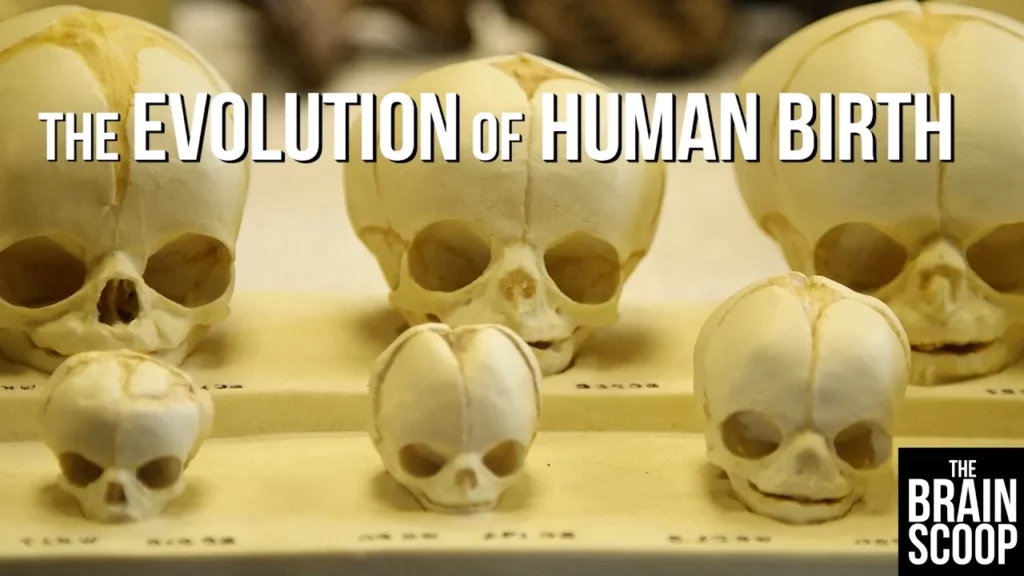
The lesson focuses on the critical issues surrounding maternal and infant health, emphasizing the need for collaborative efforts to improve outcomes during pregnancy and childbirth. It highlights the evolutionary challenges of human childbirth, the historical role of midwives, and the importance of access to healthcare and prenatal care in reducing maternal and infant mortality rates. The lesson underscores the necessity of equitable healthcare access and education to continue advancing global health initiatives, supported by the Bill and Melinda Gates Foundation.
Fisher Dissection: Harvard Adventures, Part 2
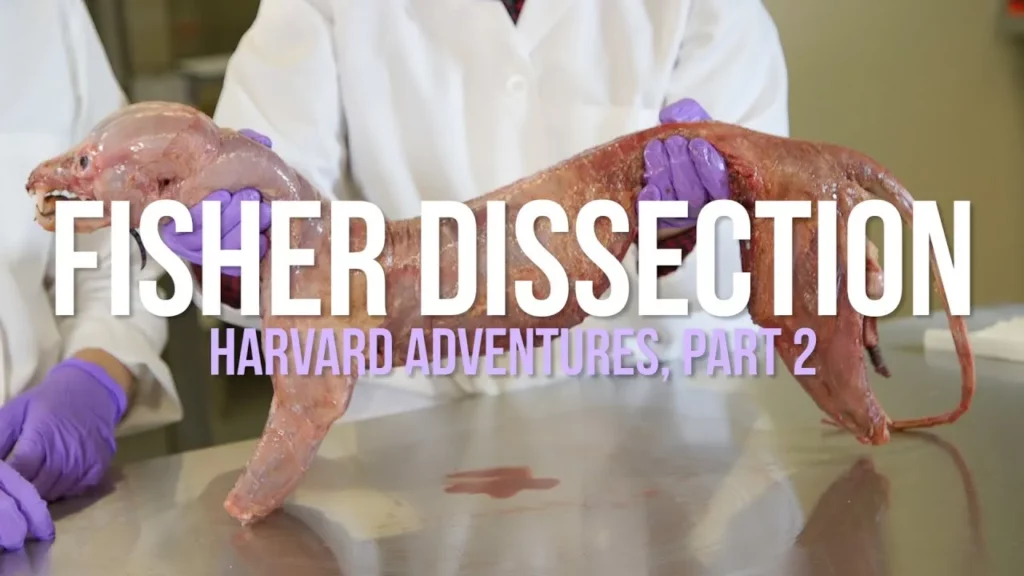
This lesson delves into the evolution of synapsids and the anatomy of mammals, guided by Dr. Kenneth Angielczyk at Harvard’s Museum of Comparative Zoology. It highlights the defining features of synapsids, such as the unique skull opening, and examines the evolution of the vertebral column through fossil studies and dissection of a fisher cat, revealing insights into muscle attachment, joint function, and the adaptability of mammalian anatomy. Ultimately, the lesson underscores the significance of genetic research in understanding the evolutionary journey of mammals.
The Replicator
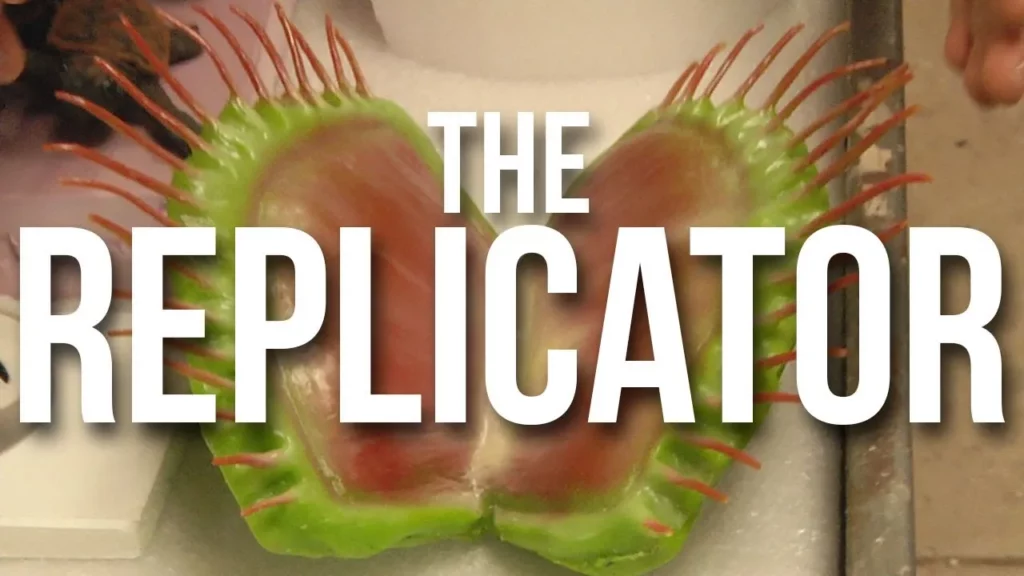
In this lesson, we explored the role of a replicator in creating engaging and educational exhibits, led by Max Garett. The replication team crafts realistic models of various objects, from animal models to artifacts, ensuring an interactive experience for visitors while preserving the integrity of original items. Current projects include a “Biomechanics” exhibit featuring touchable models and large-scale dioramas, highlighting the blend of artistic creativity and scientific research involved in the replication process.
Insect Adventure, Part Three
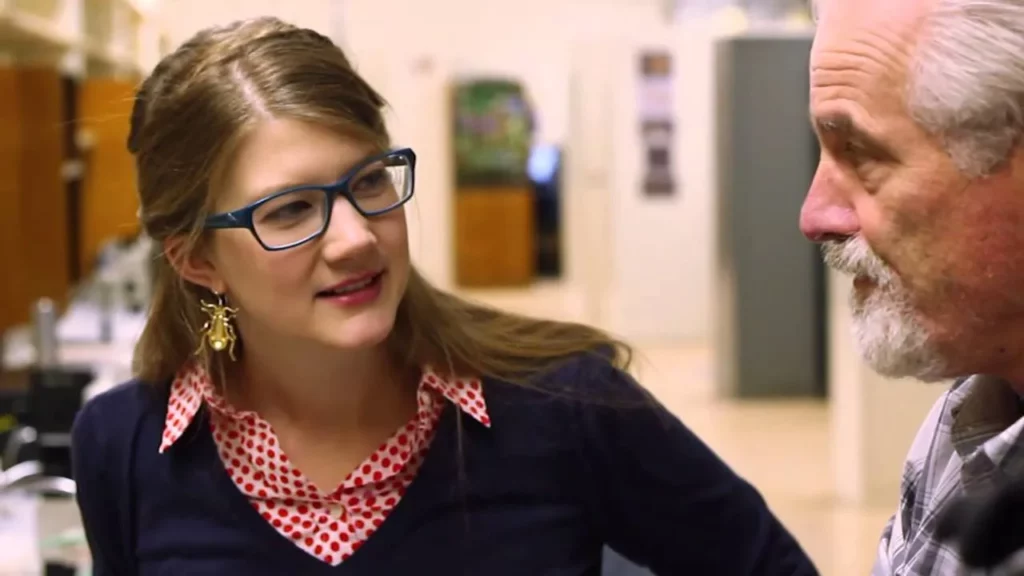
In this lesson, students explored the diverse world of insects through a recent collection adventure at The Field Museum. They learned about various insects, such as the Hister beetle, dung beetles, crab spiders, and more, while also understanding the importance of proper collection and preservation techniques. The lesson emphasized the significance of insect diversity, the role of insects in ecosystems, and the educational value of engaging with nature responsibly.
Dimetrodon is Not A Dinosaur
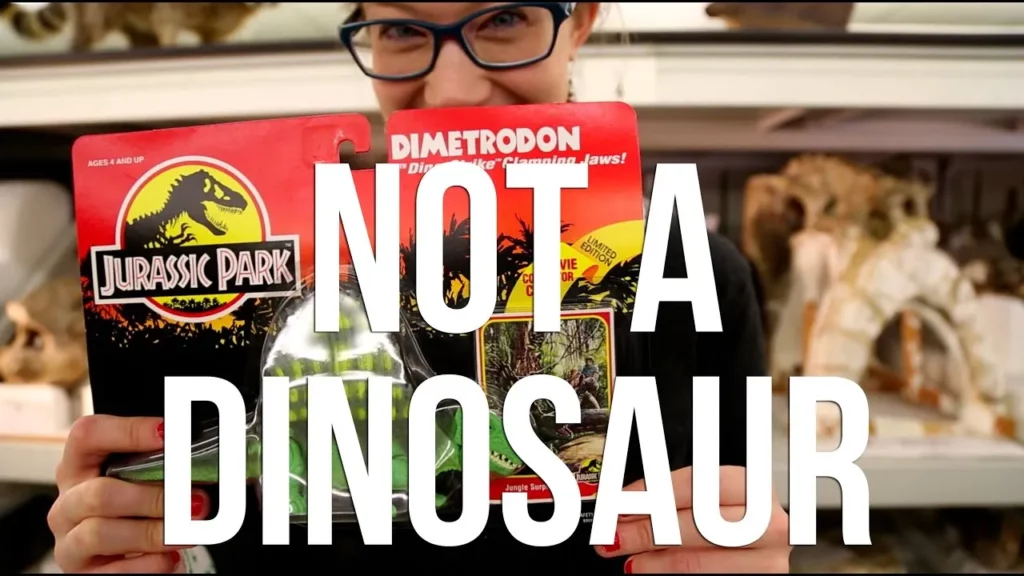
The lesson explores the fascinating world of Dimetrodon, clarifying that it is not a dinosaur but a member of the Synapsid group, which includes modern mammals and their ancestors. It highlights the evolutionary significance of Dimetrodon, its unique traits, and its connection to humans, emphasizing that understanding such ancient creatures enriches our knowledge of evolution and our own place in the animal kingdom.
Carl Akeley’s Four Seasons
The lesson highlights the life and contributions of Carl Akeley, a pioneering figure in modern taxidermy known for transforming the craft from a rudimentary practice into an art form focused on realism and detail. Akeley’s journey began with a simple act of preserving a pet canary and evolved into significant achievements, including the creation of innovative dioramas and the invention of an early motion-picture camera. His work not only advanced taxidermy but also emphasized conservation, showcasing his dedication to educating the public about wildlife and their habitats.
Why were Ancient Egyptians obsessed with cats?
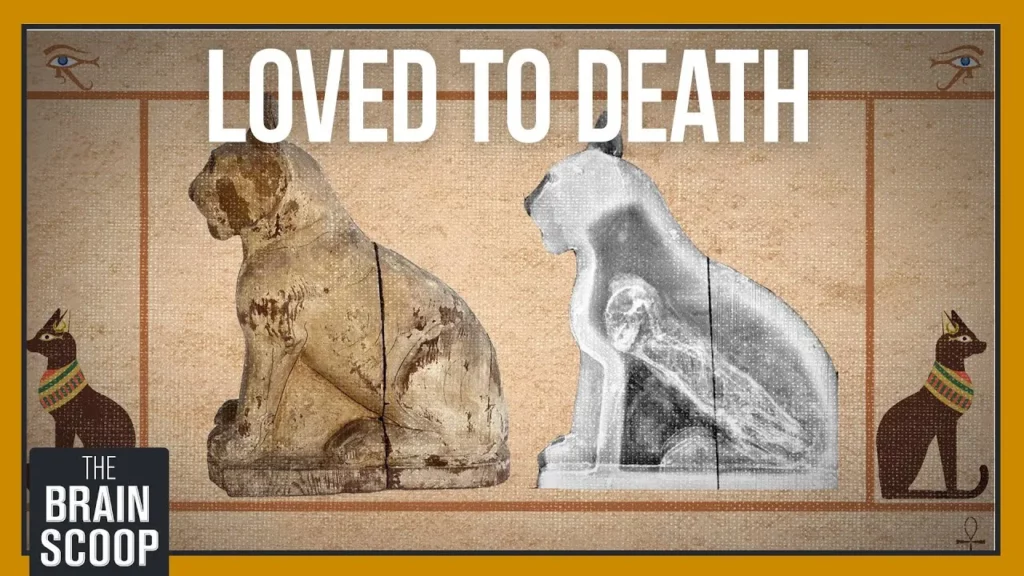
The lesson introduces the Institute for the Study of Ancient Cultures (ISAC) in Chicago, highlighting its extensive collection of artifacts that span from prehistory to the Early Middle Ages, with a particular focus on the Middle and Near East. Visitors are encouraged to engage with the museum’s offerings, such as the significance of cats in ancient Egyptian culture, and to view the museum as a valuable cultural resource that fosters curiosity and reflection about the past. ISAC’s commitment to education and evolving practices underscores its role in preserving ancient legacies while addressing contemporary perspectives.
The Gem Room
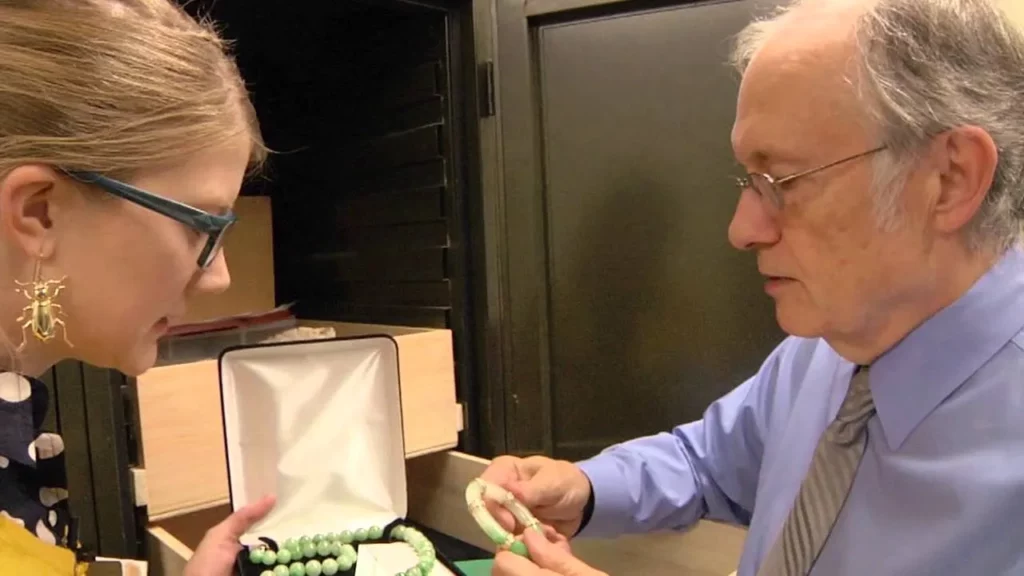
In today’s lesson, we explored the captivating world of gems with curator Lance Grande, highlighting their beauty, rarity, and the artistry involved in their design and carving. We examined various gems, including tourmaline in stunning colors, the value of different gemstones based on their rarity, and unique pieces like golden pearls and kunzite necklaces, all while connecting these treasures to the broader narrative of natural history. The lesson emphasized the interplay between natural beauty and human creativity in the realm of gemstones.