
ASL What Is an Antagonist? for Kids
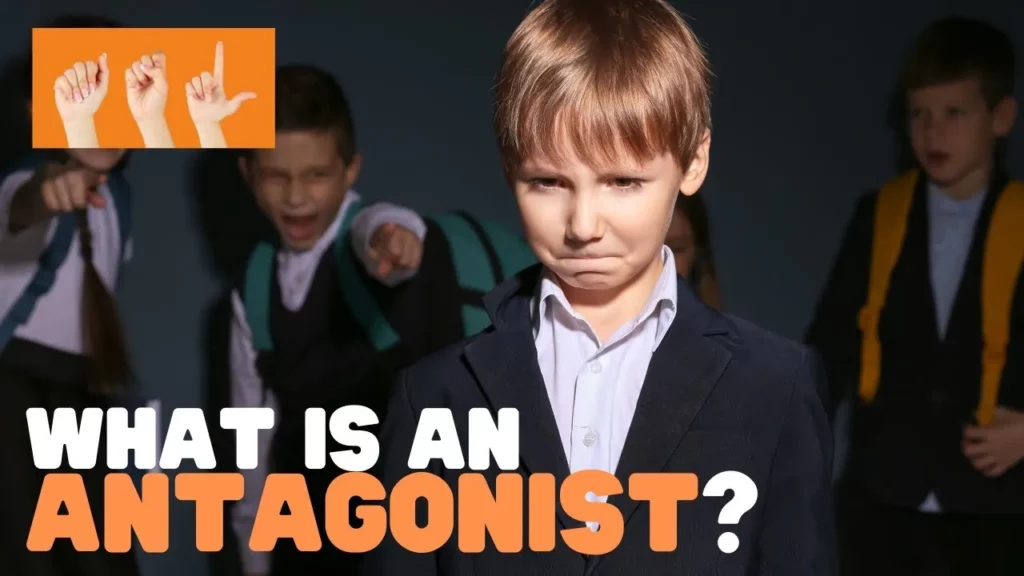
In this lesson, students learn about the role of antagonists in stories, using the example of a protagonist trying to get to school while facing challenges from a younger sibling. Antagonists can be people, forces, or even internal struggles that create obstacles for the main character, and they don’t always have to be malicious. By identifying the protagonist and the opposing force, students can better understand the dynamics of storytelling.
Pythons for Kids | Learn all about these giant serpents!
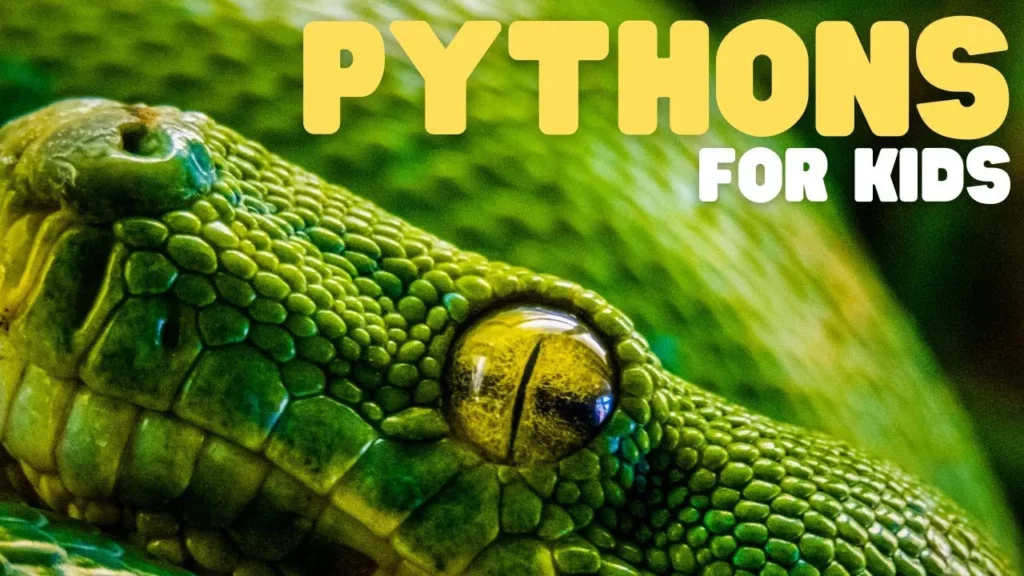
In this lesson, students are introduced to the fascinating world of pythons, highlighting their unique characteristics, habitats, and behaviors. Pythons are large, carnivorous snakes known for their ability to swallow prey whole and their important role in maintaining ecological balance by controlling animal populations. The lesson also emphasizes the significance of pythons in their environments and addresses the challenges posed by invasive species in certain regions.
ASL Animal Camouflage
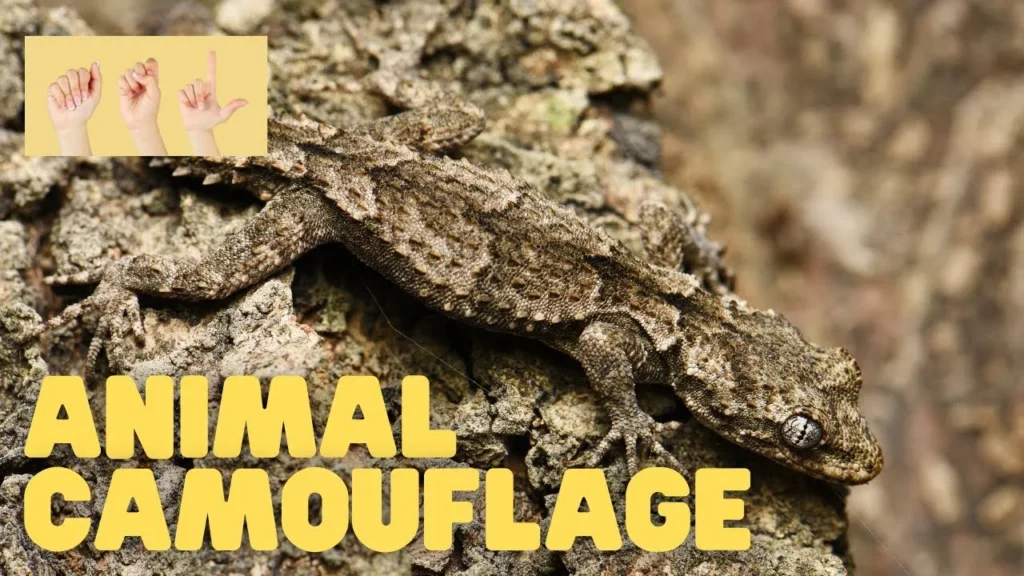
The lesson “Hide and Seek in the Animal World” explores how animals use camouflage as a survival strategy, similar to the game of Hide and Seek. It highlights four types of camouflage—concealing coloration, disruptive coloration, disguise, and mimicry—that help animals evade predators, catch prey, and communicate. Understanding these techniques reveals the importance of camouflage in the animal kingdom for both protection and interaction.
ASL John F. Kennedy for Kids

The lesson introduces John F. Kennedy (JFK), the youngest U.S. president, highlighting his early life, education, military service, and significant political career. It emphasizes his contributions during pivotal events like the Bay of Pigs and the Cuban Missile Crisis, as well as his commitment to civil rights. Despite his assassination in 1963, JFK’s legacy of leadership, peace, and equality continues to inspire future generations.
Hyenas for Kids | Learn all about this giggling animal
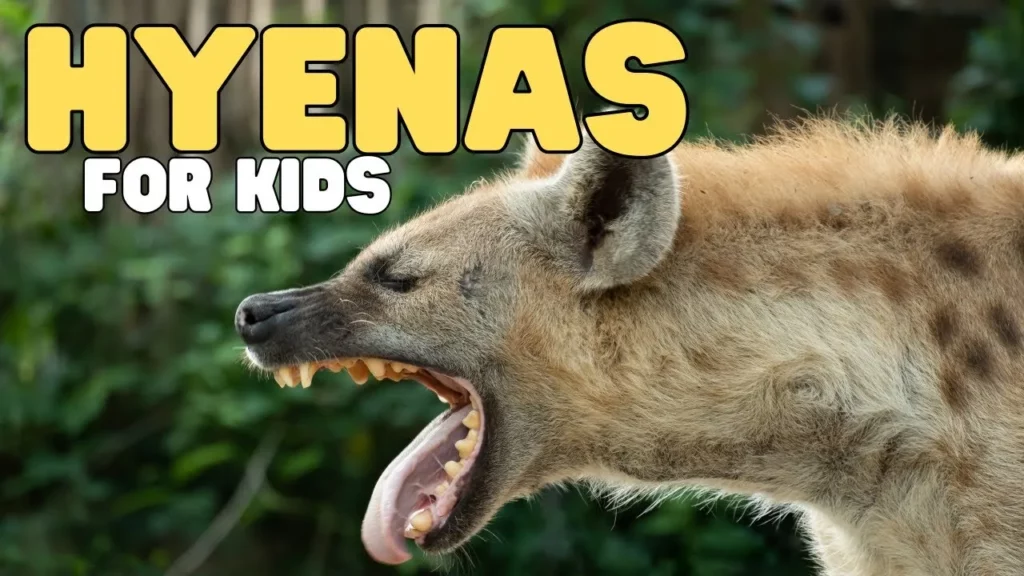
In today’s lesson, we explored the fascinating world of hyenas, unique animals known for their distinctive physical features, social structures, and communication methods. We learned that hyenas are skilled hunters and scavengers, playing a crucial role in maintaining the balance of their environment by consuming leftovers and controlling animal populations. Additionally, we discovered that female hyenas lead their clans and communicate through various sounds, including their famous giggle.
Vultures for Kids | Learn all about these scavenger birds!
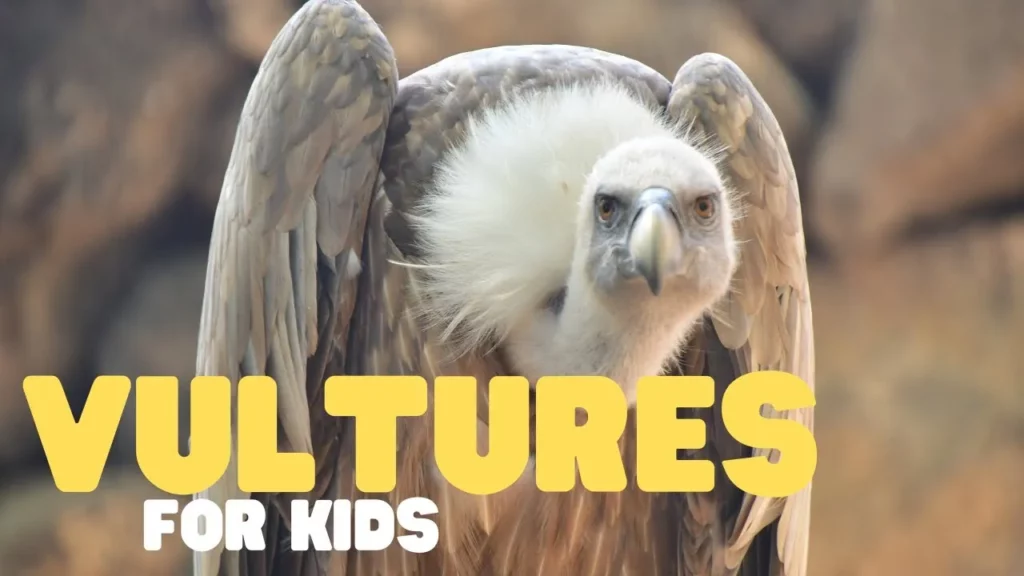
In this lesson, students learn about vultures, their unique adaptations, and their vital role in the ecosystem as scavengers. Vultures possess excellent eyesight and a keen sense of smell, allowing them to locate carrion, which they consume to help keep the environment clean and prevent disease spread. The lesson also highlights their social behavior, parenting practices, and the challenges they face, emphasizing the importance of protecting these remarkable birds.
John F. Kennedy for Kids | Learn all about the 35th president of the U.S.
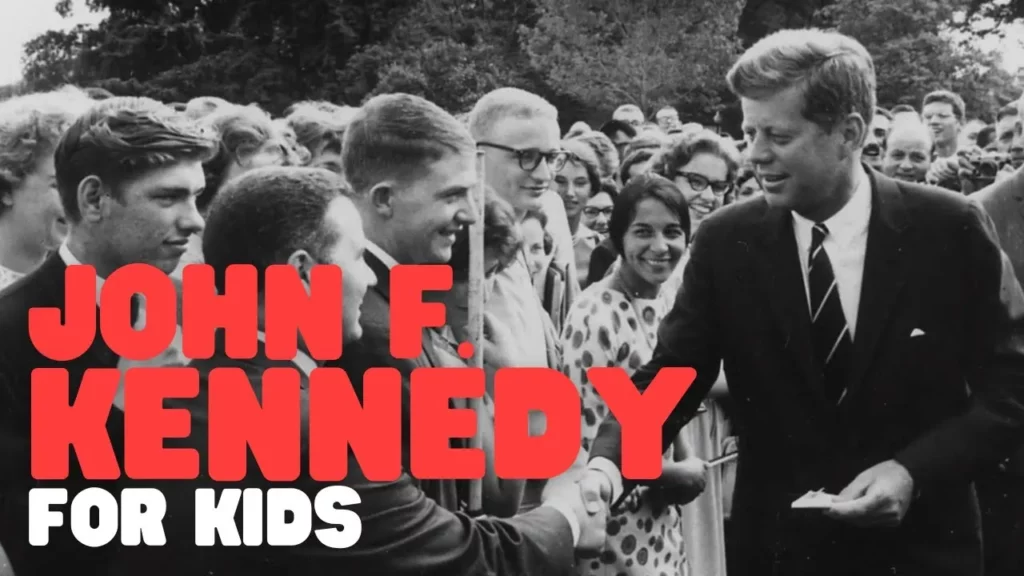
The lesson introduces John F. Kennedy (JFK), the youngest elected President of the United States, highlighting his early life, education, and significant political career. It emphasizes his dedication to public service, notable events during his presidency, such as the Cuban Missile Crisis and his support for the Civil Rights Movement, and reflects on his enduring legacy of peace and equality following his tragic assassination. The lesson encourages students to think about how they can contribute to society and uphold the values JFK championed.
ASL Boston Tea Party for Kids
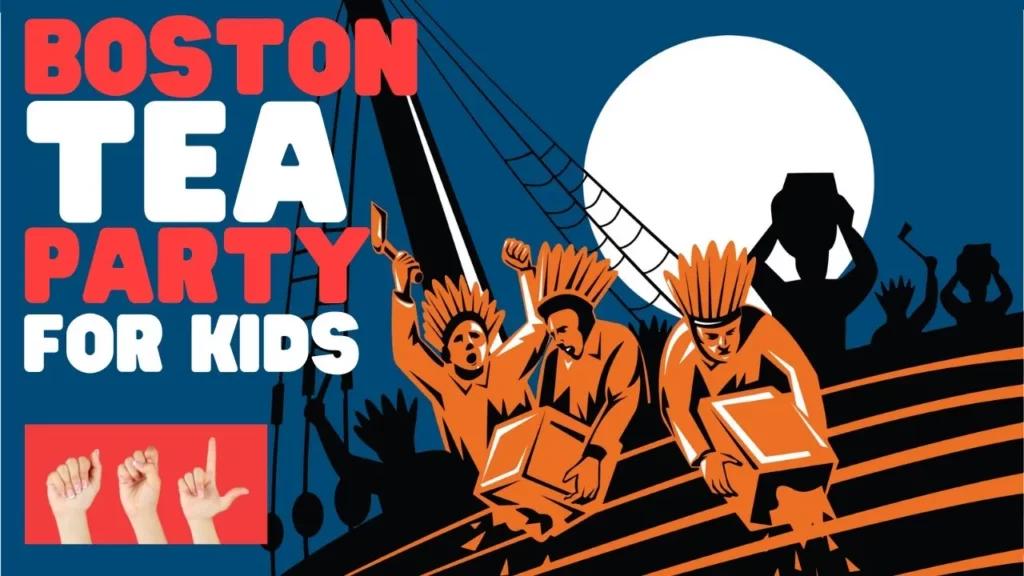
The lesson on the Boston Tea Party highlights a pivotal event in American history that fueled the American Revolution. It explains the colonists’ frustration with British taxation without representation, particularly in response to the Tea Act, which led to the protest on December 16, 1773, where the Sons of Liberty dumped tea into Boston Harbor. The British government’s harsh response further galvanized the colonists’ desire for independence, ultimately contributing to the outbreak of the Revolutionary War.
Alzheimer’s Disease for Kids | What is Alzheimer’s disease? | Causes, symptoms, and prevention
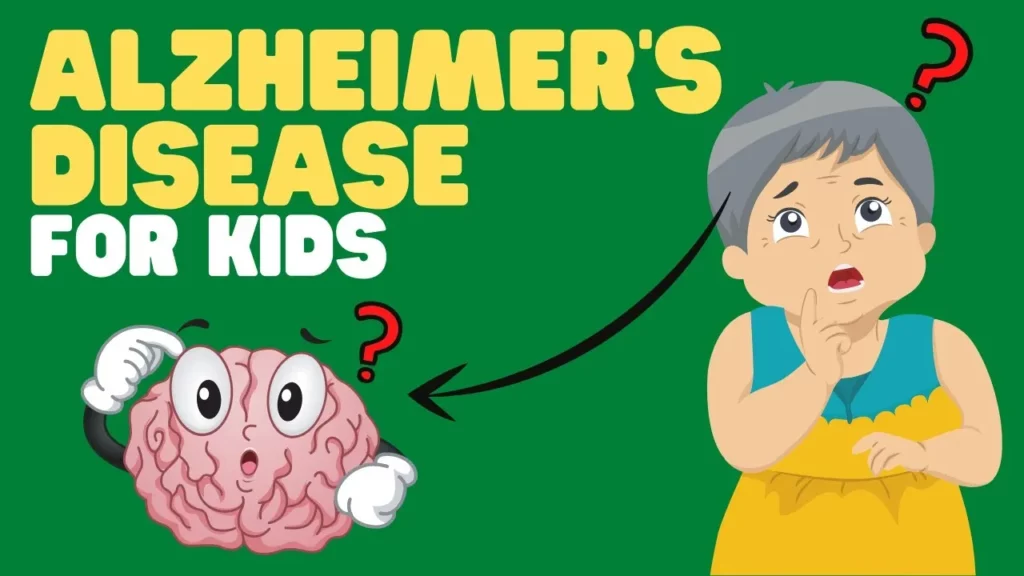
The lesson on Alzheimer’s disease provides an overview of this complex condition, which is a form of dementia characterized by memory loss and cognitive decline. It discusses the causes, symptoms, and the importance of supporting individuals with Alzheimer’s through engaging activities, while also emphasizing the role of mental exercise in maintaining brain health. Understanding Alzheimer’s not only aids in recognizing its impact but also highlights the significance of compassion and connection for those affected.
ASL Alzheimers Disease for Kids
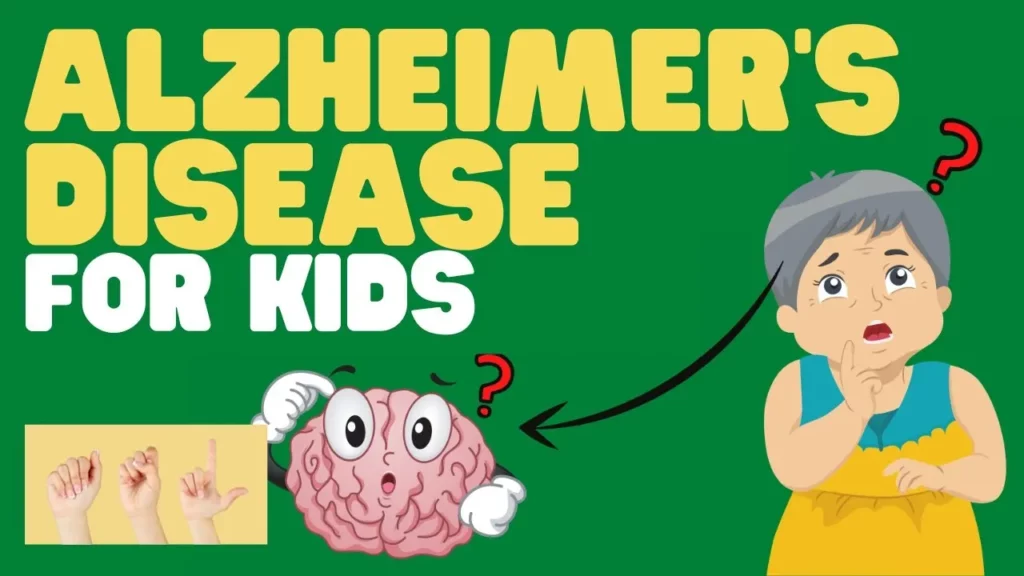
The lesson on Alzheimer’s disease highlights its complexity as a form of dementia that significantly impacts memory and cognitive function, particularly in older adults. It discusses the role of genetics in increasing the risk of developing the disease, the historical context of its discovery, and the various symptoms experienced by individuals. While there is currently no cure, the lesson emphasizes the importance of compassionate care and engaging activities to support those affected, as well as the potential benefits of keeping the brain active through learning and interaction.