
ASL All about North Korea for Kids
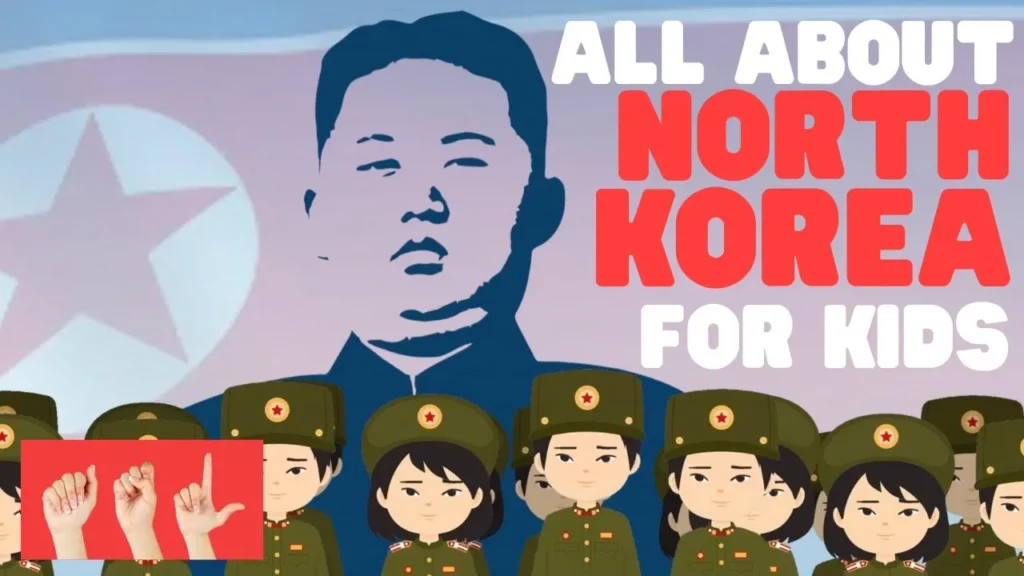
This lesson explores North Korea, officially known as the Democratic People’s Republic of Korea, highlighting its geography, population, and unique political system. It discusses the country’s mountainous landscape, significant natural resources, and the strict control the government exerts over the lives of its citizens, including limited freedom of movement and expression. The lesson also touches on North Korea’s historical context, including its division from South Korea and notable landmarks, emphasizing the shared humanity of its people despite their different circumstances.
ASL What Is a Democrat?
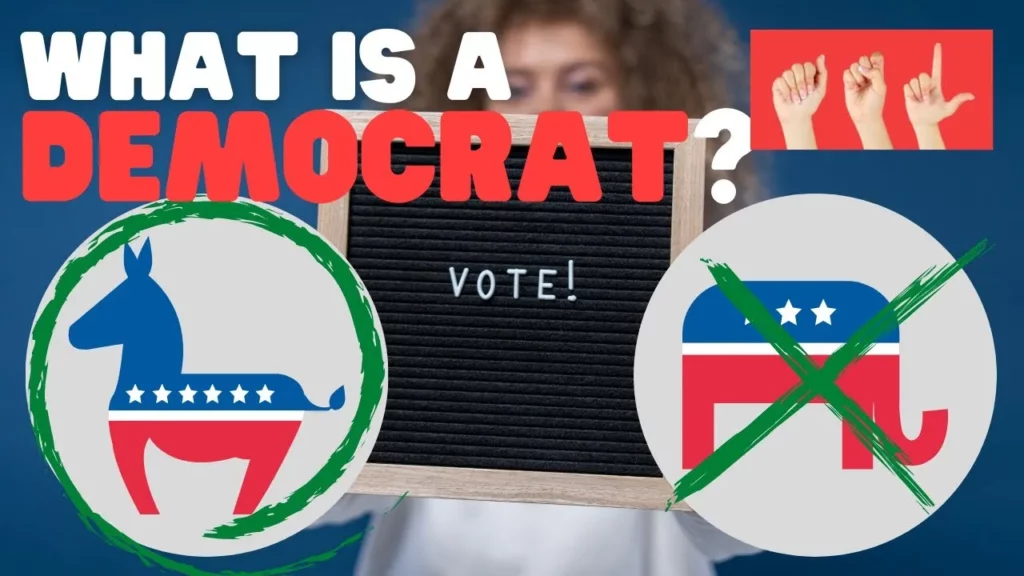
The lesson explains what a Democrat is, defining them as a member of the Democratic Party, one of the two major political parties in the United States. It discusses the role of political parties in shaping beliefs, electing leaders, and influencing issues like education and healthcare, while also highlighting the history and evolution of the Democratic Party, its key figures, and the existence of smaller third parties. Overall, it emphasizes the importance of understanding political parties and their impact on governance.
ASL The Great Depression for Kids
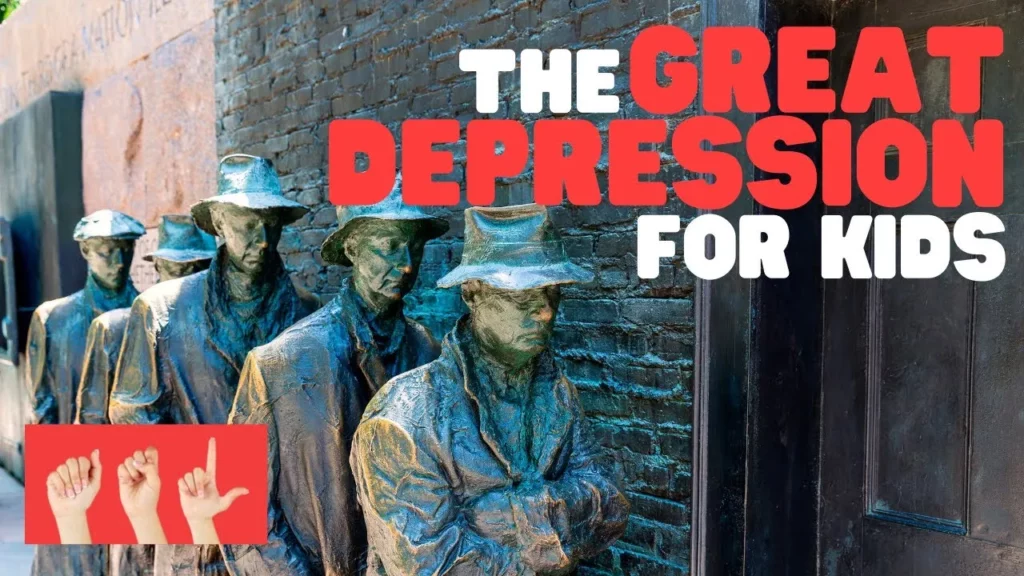
The lesson on the Great Depression explains how a stock market crash in 1929 led to a severe economic downturn, affecting jobs, families, and farmers across the country. It highlights the struggles people faced during this time, including financial hardship and loss of savings, while also emphasizing the resilience of individuals and communities. The lesson concludes with the introduction of Franklin Delano Roosevelt’s New Deal, which aimed to restore hope and support economic recovery.
ASL Types of Government for Kids
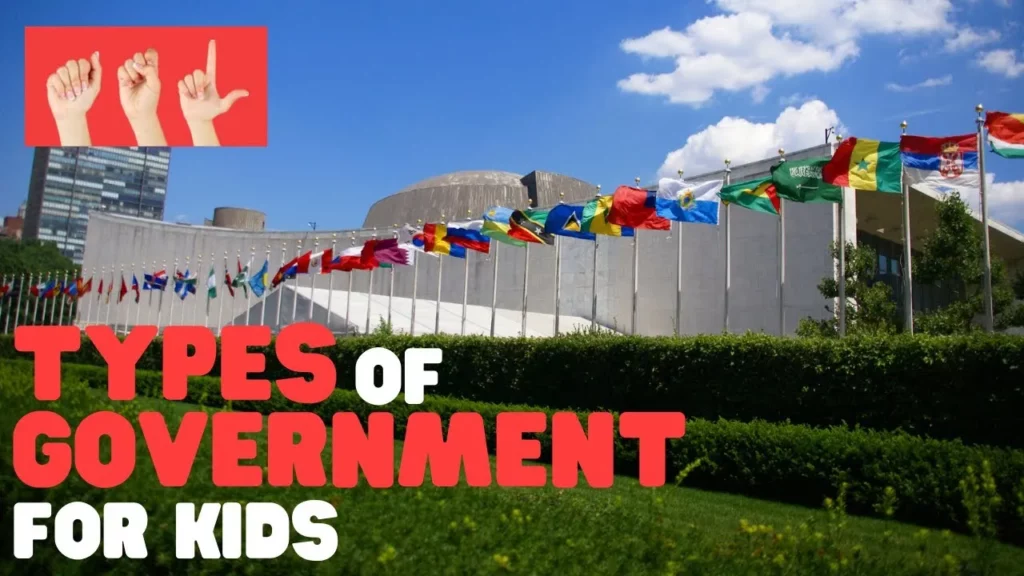
In this lesson, students explore various types of government, including monarchy, dictatorship, theocracy, and democracy, and consider the roles and responsibilities of leaders within these systems. The lesson encourages critical thinking about governance, asking students to reflect on what makes a good leader and how different forms of government impact the lives of citizens. Ultimately, it inspires students to envision their potential future roles as leaders and their ideas for improving the world.
Animal Behavior for Kids | Learn about innate behavior, learned behavior and more!
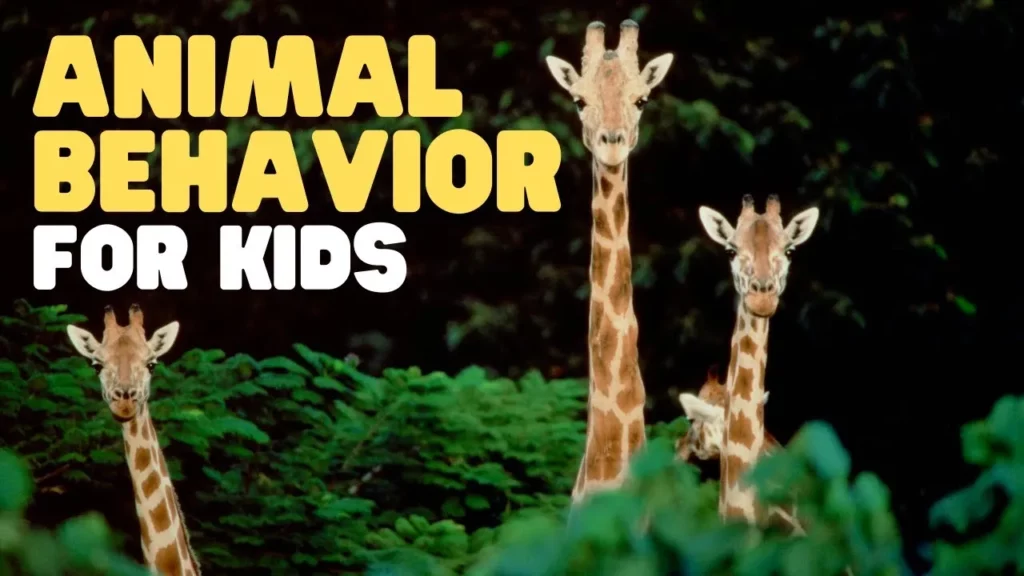
The lesson on animal behaviors explores the different ways living creatures interact with their environment, distinguishing between innate behaviors, which are instinctual and automatic, and learned behaviors, which are acquired through experience. It highlights examples of both types, such as dogs digging (innate) and learning tricks (learned), and discusses concepts like habituation, imprinting, and conditioning. Overall, the lesson emphasizes the uniqueness of behaviors across species and the importance of both innate instincts and learned experiences in shaping how animals and humans act.
Bacteria and Viruses for Kids | Learn about these two kinds of microorganisms
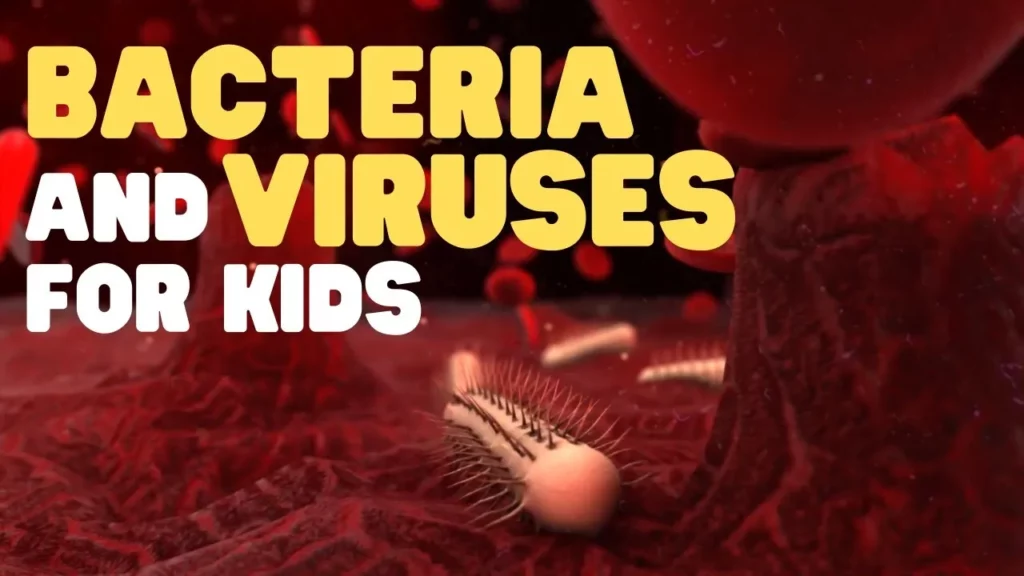
In this lesson, we explored the fascinating world of bacteria and viruses, highlighting their differences and roles in our lives. While bacteria can be both beneficial and harmful, with many aiding in digestion and immune support, viruses are always harmful and require our bodies to fight them off. We also discussed preventive measures, such as vaccines and hygiene practices, to help protect ourselves from these tiny foes.
Thanksgiving for kids | The history of the first Thanksgiving

The lesson emphasizes the importance of active learning, which involves engaging directly with educational materials through techniques like summarizing, questioning, and discussion to enhance comprehension and retention. It also highlights the significance of integrating new knowledge with existing understanding using tools like mind maps and concept maps, as well as applying learned concepts in real-world scenarios through practical exercises and reflective practice. Overall, these strategies foster a more effective and enjoyable learning experience for professional growth.
ASL 20th Century for Kids
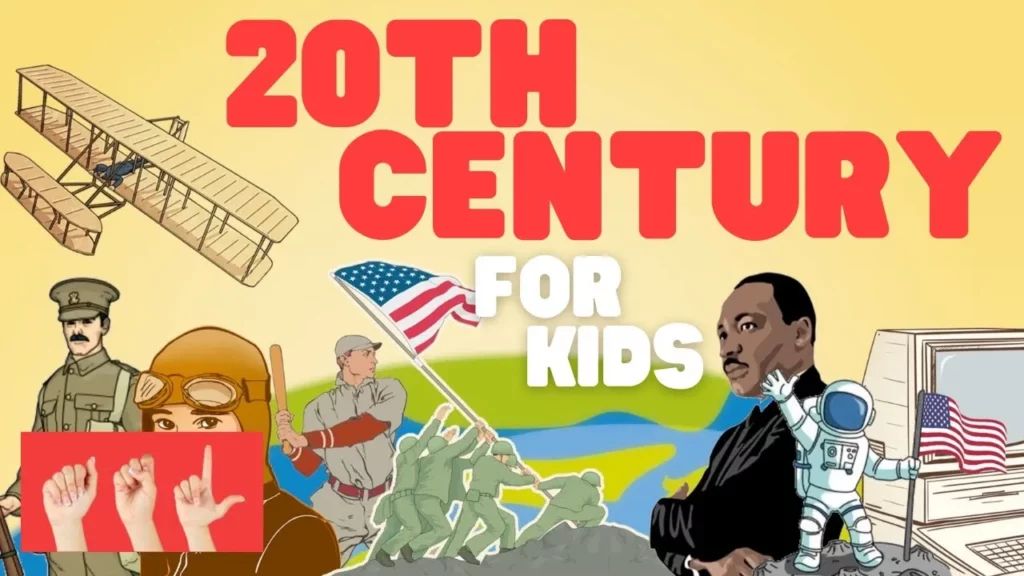
In this lesson, we explored the 20th century, a pivotal period from 1901 to 2000, highlighting significant events and inventions that have shaped modern society. Each decade introduced remarkable advancements, from the Wright brothers’ first flight and medical breakthroughs to the Civil Rights Movement and the rise of technology, culminating in a century that profoundly influenced our daily lives. Understanding these historical milestones helps us appreciate the innovations and changes that continue to impact our world today.
ASL Muscular System for Kids
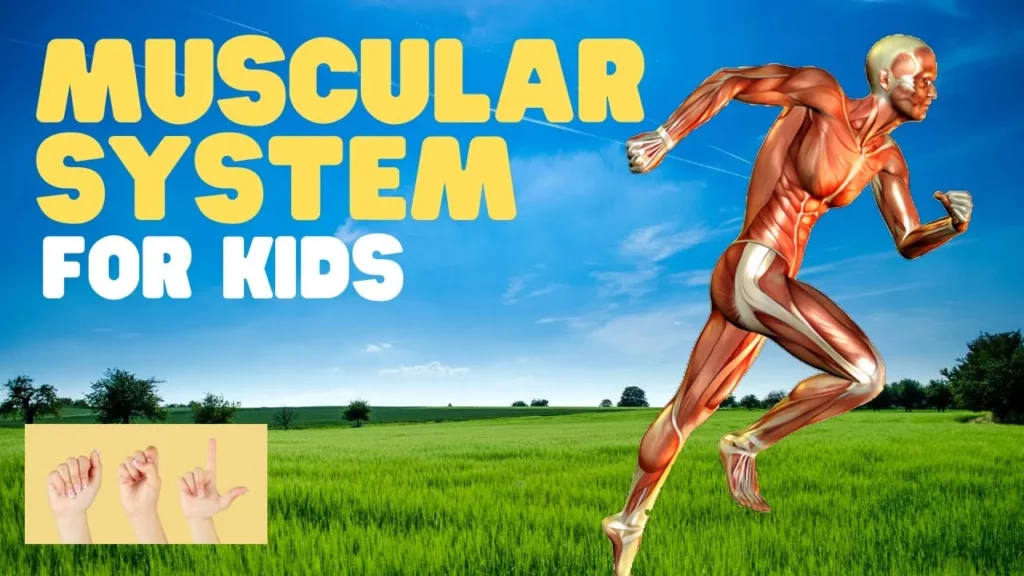
In this lesson, students explore the incredible world of muscles, learning about their various types and functions, including voluntary and involuntary muscles. The lesson emphasizes the importance of muscles in movement, protection, and bodily functions, while also highlighting the need for exercise and proper nutrition to keep muscles healthy. Fun facts about muscles, such as the number of muscles used to smile, engage students and encourage them to appreciate their body’s capabilities.
ASL All about India for Kids

In this lesson, students are introduced to the vibrant and diverse country of India, exploring its rich history, culture, and geography. Key topics include the symbolism of India’s flag, its significant population and landscapes, historical milestones such as the Gupta Empire and British colonization, and modern-day challenges and celebrations like Diwali. The lesson concludes with a quiz to reinforce learning about India’s unique characteristics and heritage.