
World War II Overview | Learn some interesting facts about WWII

The lesson covers the significant events following World War I, including the harsh terms imposed on Germany by the Treaty of Versailles, which contributed to the rise of totalitarian regimes in Europe. It details the transition from the prosperity of the Roaring Twenties to the economic hardships of the Great Depression, leading to the formation of the Axis Powers under Hitler, Mussolini, and Japan. The lesson concludes with the Allied Powers’ response to Axis aggression, the key battles of World War II, and the war’s aftermath, which reshaped global power dynamics and highlighted the sacrifices made by those who fought for freedom.
The History of Christmas | What is Christmas all about? Learn about the origins of Christmas!
The lesson on Christmas explores its significance as a joyful holiday celebrated on December 25th, marking the birth of Jesus Christ. It highlights various traditions, symbols, and activities associated with the holiday, such as gift-giving, decorating Christmas trees, and spending time with family, while also acknowledging the diverse ways people around the world celebrate this special time. Ultimately, Christmas is portrayed as a season of joy, giving, and creating cherished memories.
Boston Tea Party for Kids | Learn about the History of the Boston Tea Party and why it happened
The Boston Tea Party was a pivotal protest in American history that took place on December 16, 1773, when colonists, frustrated by “taxation without representation,” dumped 340 chests of British tea into Boston Harbor. This act of defiance against the Tea Act sparked further tensions between the colonies and the British government, leading to the implementation of the Intolerable Acts and ultimately contributing to the outbreak of the American Revolutionary War in 1775. The event symbolized the colonists’ desire for independence and their fight against oppressive taxation.
Natural Disasters for Kids | Learn about tornados, hurricanes, and more!
In this lesson, we explored the concept of natural disasters, which are events in nature that can cause significant damage, including various types such as blizzards, earthquakes, floods, and wildfires. We also discussed the importance of being prepared for these disasters by planning, gathering supplies, and practicing safety measures. Understanding natural disasters helps us stay safe and ready to respond effectively when they occur.
Native American History for Kids | An insightful look into the history of the Native Americans
The lesson “Discovering the First People of America” introduces students to the Native Americans, the original inhabitants of the land long before European explorers like Christopher Columbus arrived. It highlights the diverse tribes, their unique homes, clothing, resources, and artistic traditions, emphasizing their rich cultures and the importance of understanding their history and contributions to American society.
Five Senses for Kids | Learn all about the 5 Senses for kids | Sight, Sound, Smell, Taste, and Touch
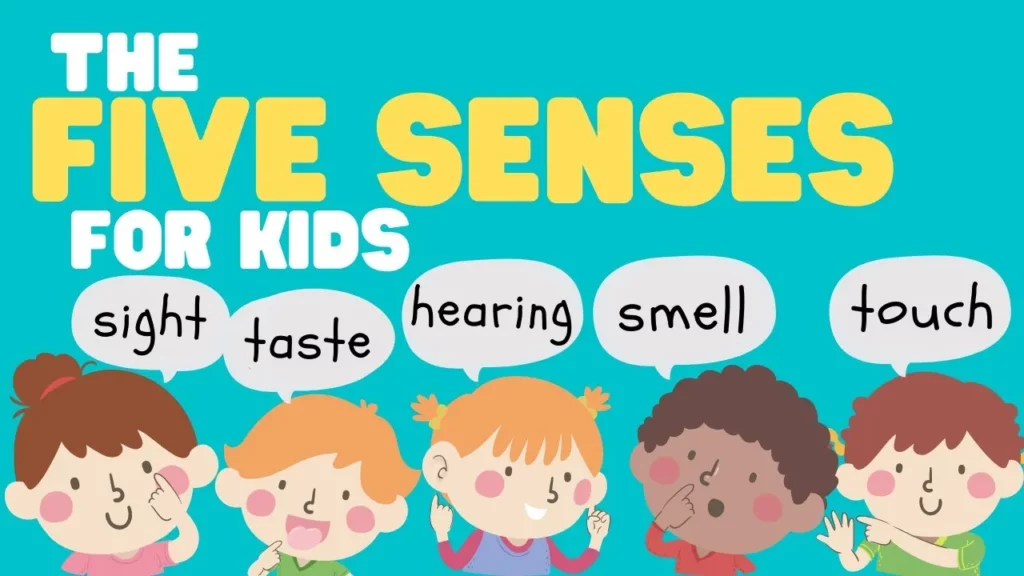
The lesson on “The Amazing Five Senses” explores how our senses—sight, hearing, smell, taste, and touch—allow us to experience and interact with the world around us. Each sense plays a vital role in helping us perceive our environment, stay safe, and enjoy various experiences, while also highlighting how animals utilize their senses in unique ways. Understanding these senses enhances our appreciation of the richness of life and the importance of protecting them.
Birds for Kids | Learn all about Birds in this fun introduction to these great animals
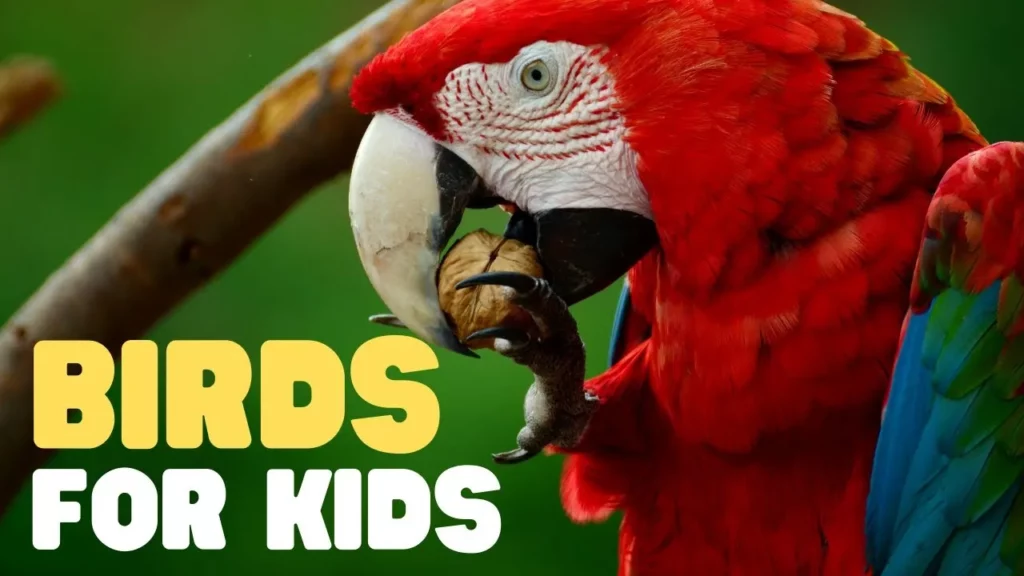
The lesson “Discovering the World of Birds” explores the diversity of bird species, highlighting their common characteristics such as feathers, beaks, and egg-laying. It introduces fascinating facts about the smallest bird, the hummingbird, and the largest bird, the ostrich, while also discussing various habitats, diets, and unique behaviors of different birds. The lesson emphasizes the beauty and importance of birds in our ecosystem, encouraging appreciation for these remarkable creatures.
ASL Hanukkah for Kids
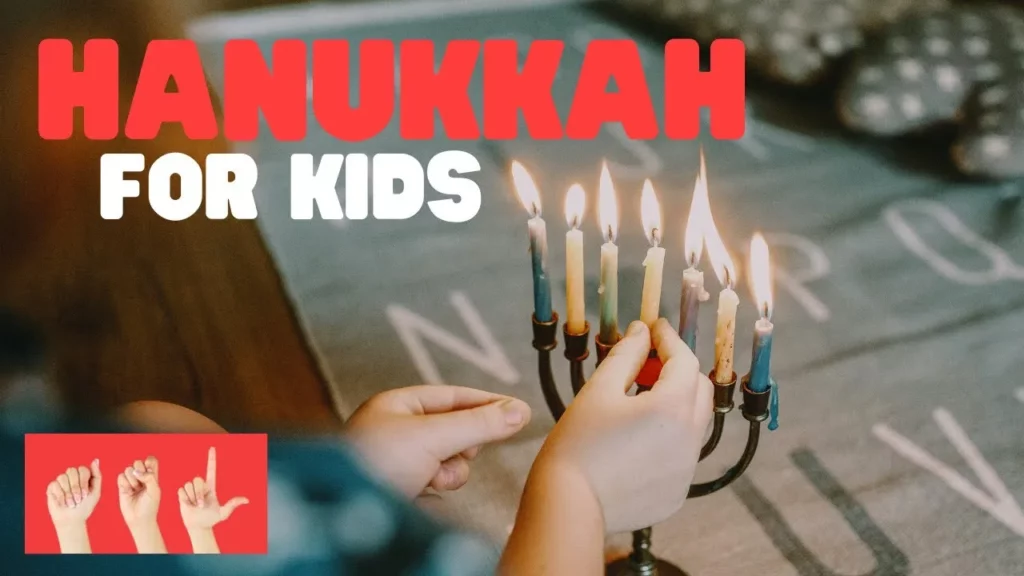
In this lesson, we explored Hanukkah, a Jewish holiday also known as the Festival of Lights, which commemorates the Maccabean Revolt and the miracle of the oil that lasted eight days. Celebrated for eight nights, families light a menorah, enjoy traditional foods like latkes and sufganiyot, play the dreidel game, and exchange gifts. While it is a festive occasion filled with joy and family gatherings, Hanukkah is not considered one of the most religiously significant Jewish holidays.
Easter Facts For Kids | The Christian and Non-Christian Story of Easter
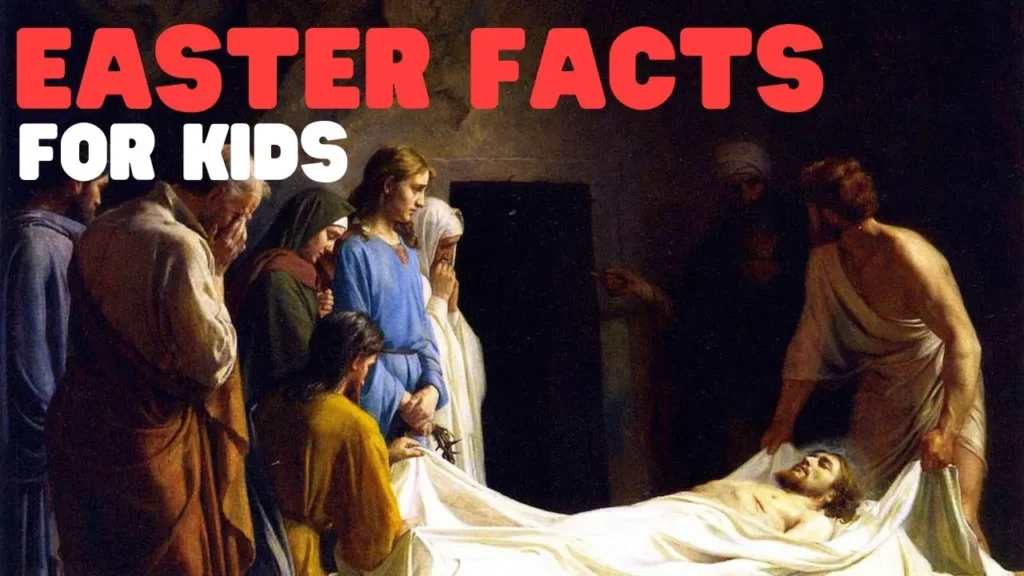
The lesson on “Celebrating Easter” provides an overview of the holiday’s significance, highlighting its religious roots in Christianity as the celebration of Jesus Christ’s Resurrection, as well as its non-religious aspects that mark the arrival of spring. It explains the timeline of Easter, including the lead-up through Lent and Holy Week, and discusses various traditions such as Easter egg hunts and decorating eggs, emphasizing the importance of both religious and fun activities in bringing people together during this festive time.
ASL What Is the Electoral College?
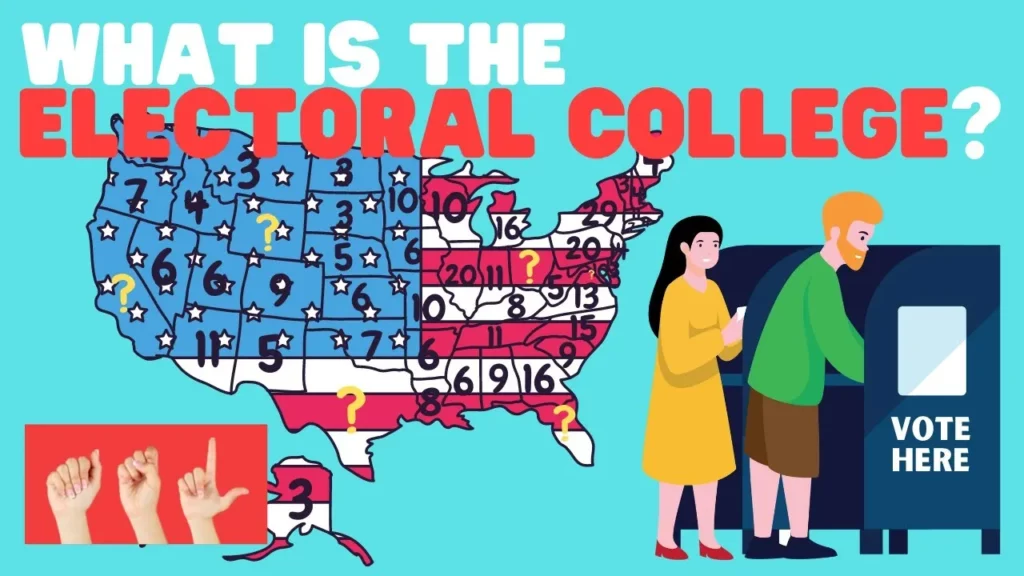
The lesson on the Electoral College explains how this unique system determines the U.S. president every four years, emphasizing that it operates differently from a simple popular vote. Each state has a specific number of electoral votes based on its population, and a candidate must secure 270 of the 538 total votes to win. The lesson also highlights the significance of understanding this system, as it can lead to situations where a candidate wins the popular vote but loses the presidency due to the Electoral College’s structure.