
ASL Greek Mythology for Kids
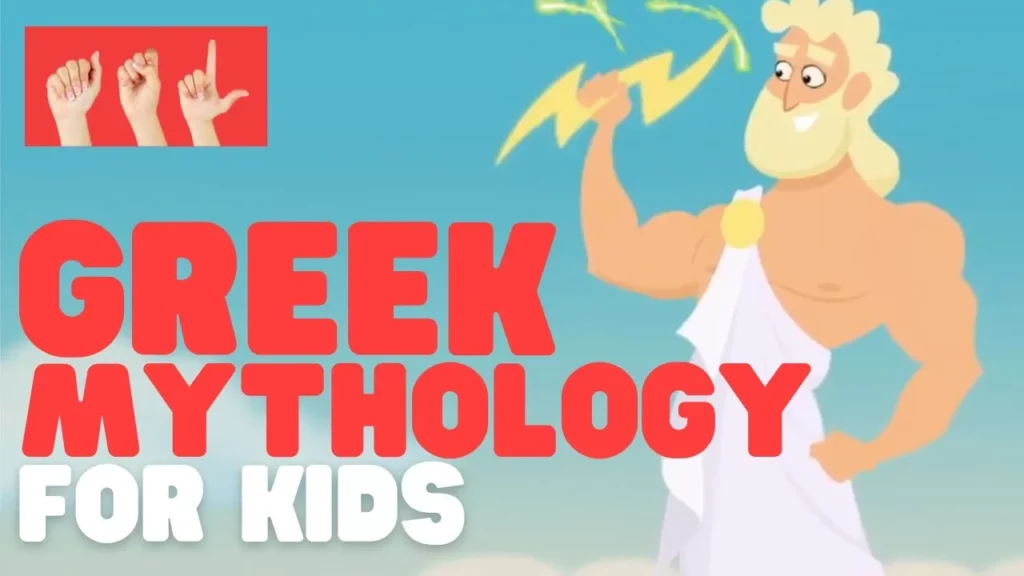
The lesson on Greek mythology introduces students to the fascinating stories and characters from ancient Greece, highlighting the significance of myths in explaining natural phenomena and human experiences. It covers key figures such as Zeus, Hades, and Aphrodite, as well as various mythical creatures, emphasizing the complexity of the gods’ personalities and relationships. Through engaging questions and fun facts, the lesson encourages students to explore the rich history and cultural impact of Greek mythology.
ASL Albert Einstein for Kids
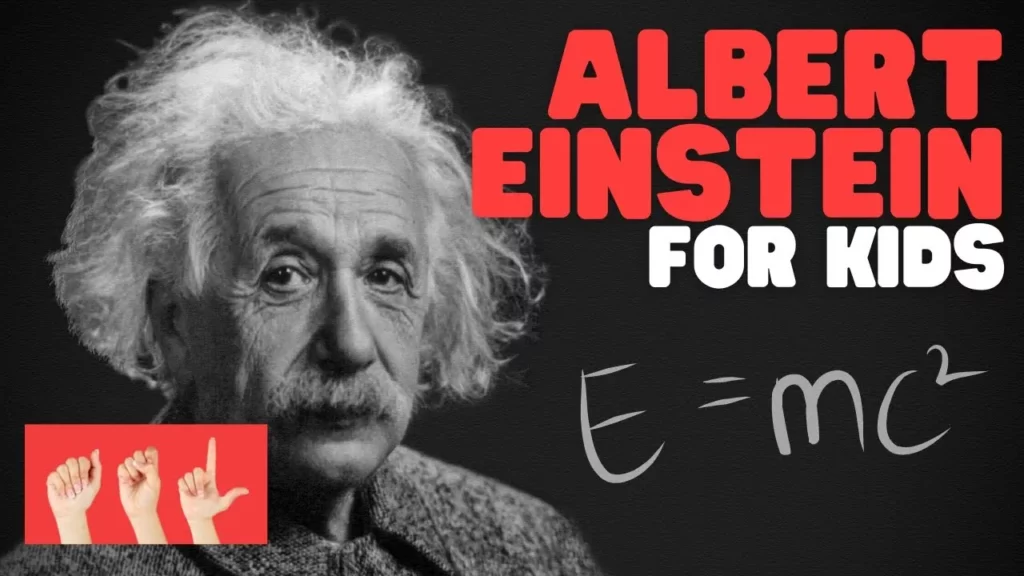
The lesson introduces Albert Einstein, highlighting his early struggles with speech and reading, which did not hinder his eventual success as a groundbreaking scientist. It details his educational journey, significant contributions to physics, including the theory of relativity and the equation E=mc², and his legacy as a symbol of perseverance and intelligence. The lesson encourages students to embrace challenges in their own learning, inspired by Einstein’s remarkable achievements despite initial difficulties.
ASL Herbivores Carnivores and Omnivores for Kids
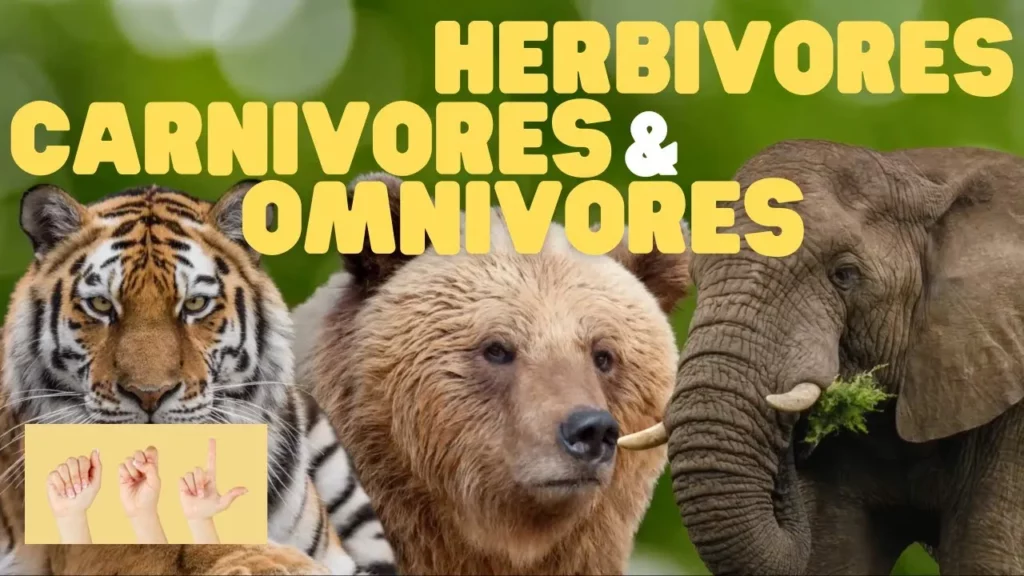
In this lesson, we explored the three main categories of animal diets: herbivores, carnivores, and omnivores. Herbivores eat only plants, carnivores eat meat, and omnivores consume both plants and meat, each having unique adaptations that help them thrive in their environments. Through fun examples and a game, we learned how different animals fit into these categories and the importance of their diets in the ecosystem.
ASL All about China for Kids

In this lesson, students are introduced to China, the most populated country in the world, exploring its geography, government, economy, and rich history. Key highlights include China’s diverse landscapes, significant cities like Beijing and Shanghai, and its contributions to inventions and culture, such as the Great Wall and the teachings of Confucius. The lesson concludes with a quiz to reinforce learning and encourage further exploration of this fascinating country.
ASL What Is Kwanzaa?
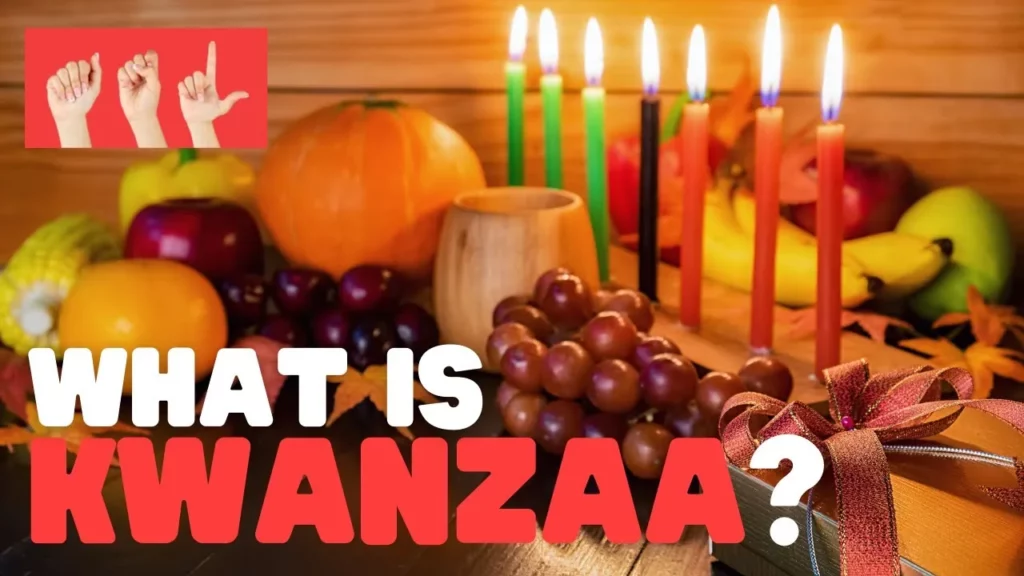
Kwanzaa is a cultural holiday celebrated from December 26th to January 1st, created by Dr. Maulana Karenga in 1966 to unite African Americans in honoring their heritage and history. The celebration features seven principles and symbols that emphasize community values, such as unity, self-determination, and cooperative economics, culminating in a festive feast known as the Great Feast of Karamu. Through these practices, Kwanzaa fosters a sense of identity and purpose while celebrating the richness of African culture.
ASL King Tut for Kids
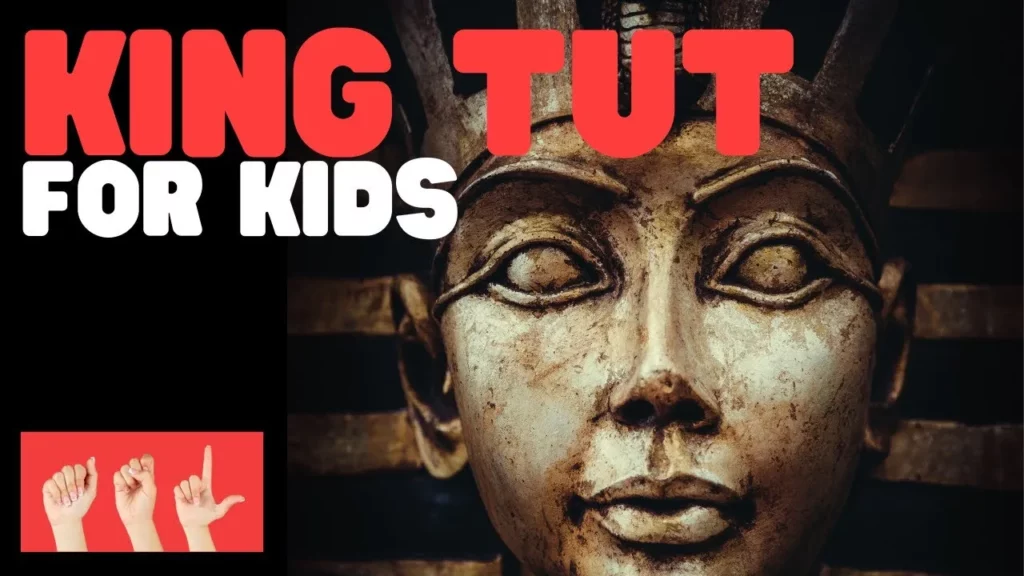
The lesson introduces King Tutankhamun, also known as King Tut, who became pharaoh of Egypt at the young age of 9 around 1332 BCE and ruled until his death at about 18 or 19 years old. It explores his early life, the significance of ancient Egyptian beliefs about pharaohs as divine figures, and the discovery of his tomb by archaeologist Howard Carter in 1922, which revealed valuable insights into his life and the culture of ancient Egypt. The lesson also touches on the mystery surrounding his untimely death and the enduring fascination with his legacy.
ASL The Digestive System for Kids
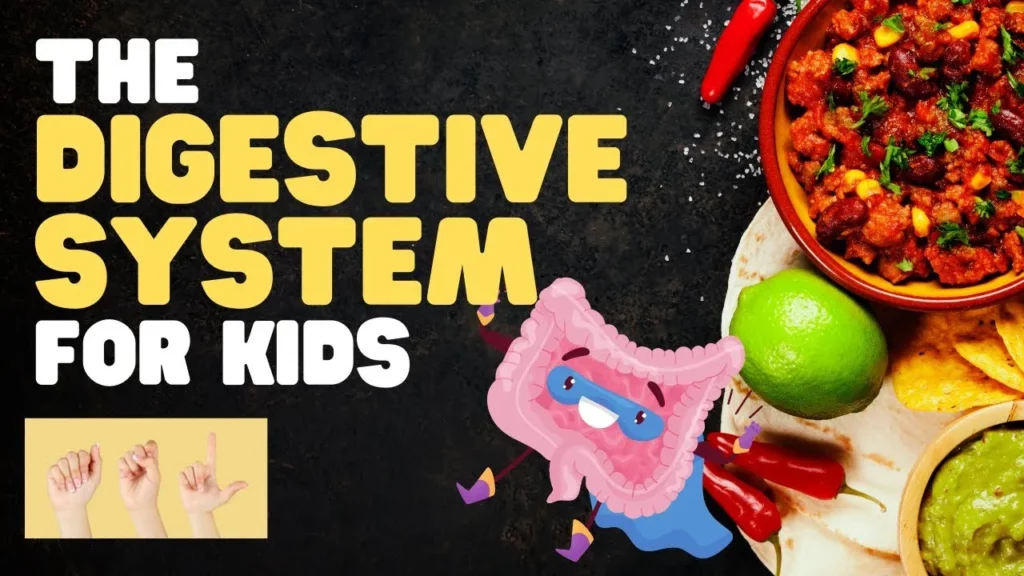
In this lesson, we explored the fascinating journey of food through the digestive system, likening the body to a machine that requires fuel for energy. Starting from the moment food enters the mouth, through chewing and swallowing, to the stomach’s breakdown of food with gastric juices, and finally to nutrient absorption in the small intestine, we learned how essential it is to consume a variety of foods for optimal health. The lesson emphasizes the importance of proper nutrition to keep our bodies functioning effectively.
ASL Newton’s Third Law of Motion
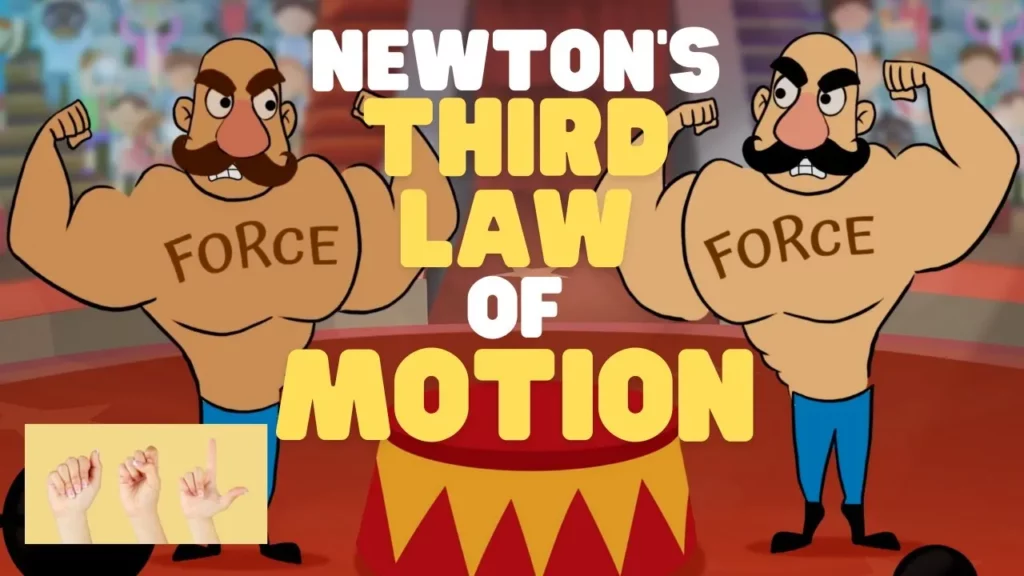
In this lesson on Newton’s Third Law of Motion, we explore the principle that for every action, there is an equal and opposite reaction, illustrated through examples like rocket launches, cannon firing, and everyday activities such as boxing and moving furniture. This fundamental concept helps explain various phenomena in our daily lives, emphasizing the interconnectedness of forces and their effects. Understanding this law enhances our appreciation of the physical world and the mechanics behind movement.
ASL Volcanoes for Kids
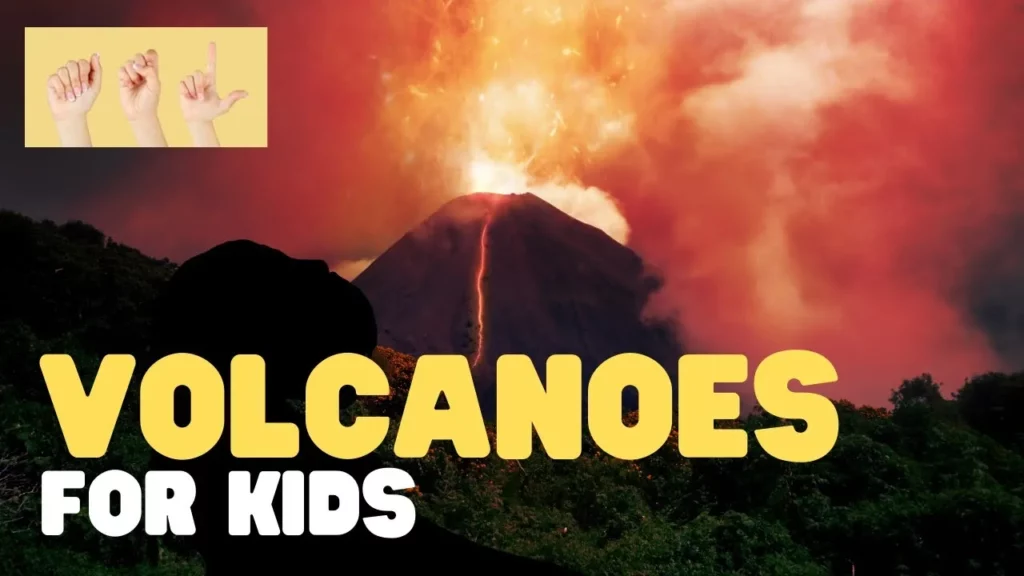
In this lesson, students explore the fascinating world of volcanoes, learning about their formation, types, and the geological processes that drive their activity. The lesson covers the three main types of volcanoes—shield, cinder cone, and stratovolcanoes—along with notable examples and the significance of the Ring of Fire, a region rich in volcanic activity. Through this exploration, students gain an appreciation for the Earth’s dynamic nature and the powerful forces that shape our planet.
ASL What Is Democracy for Kids
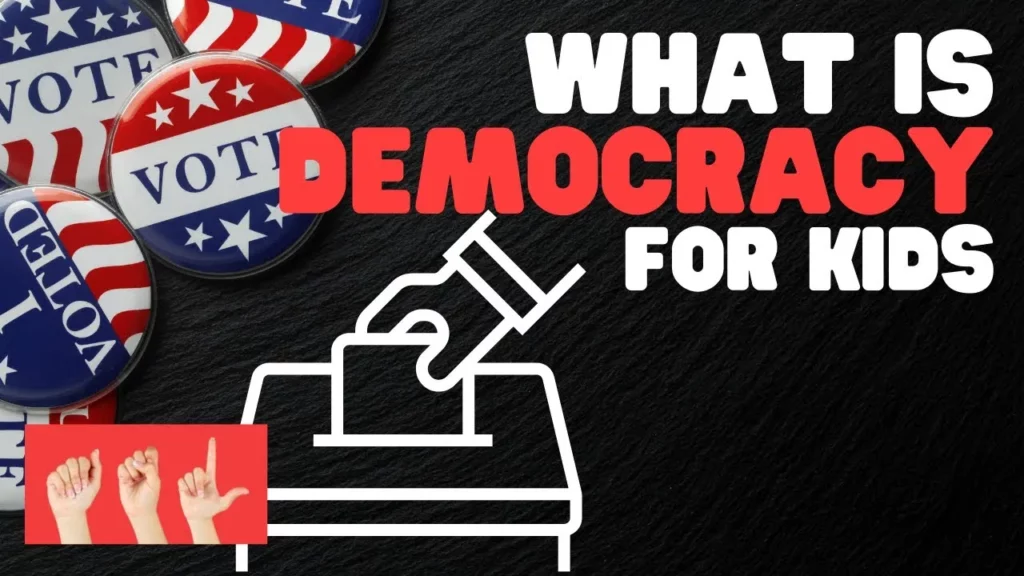
The lesson on democracy explains that it is a system of government where the people have the power to make decisions through voting, ensuring that everyone has a voice. It highlights the two main types of democracy: direct democracy, where citizens vote on specific issues, and representative democracy, where elected officials make decisions on behalf of the people. The lesson emphasizes the importance of citizen involvement in maintaining a healthy democracy, as it fosters freedom, rights, and a better quality of life for all.