
ASL Punctuation for Kids
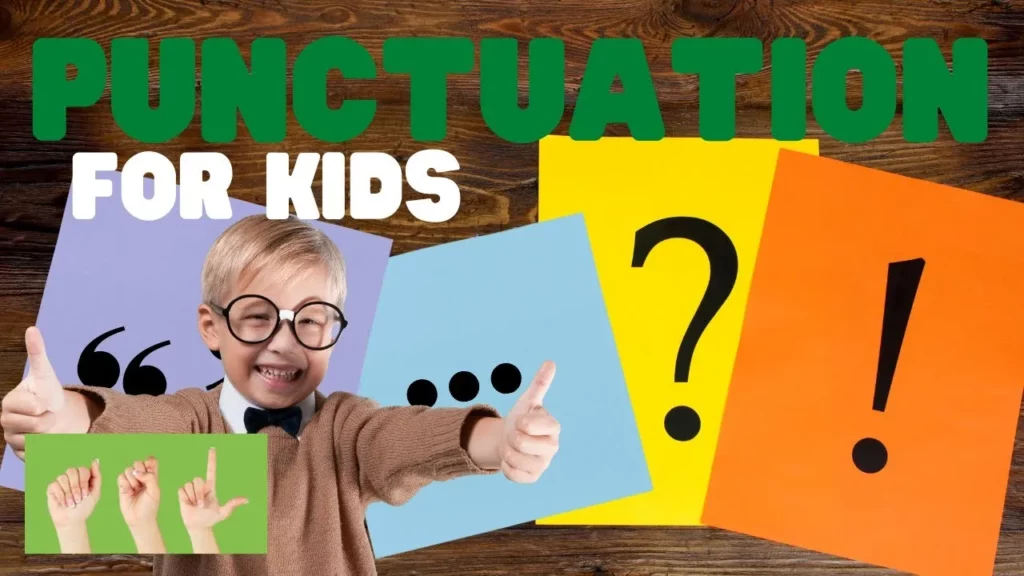
In the lesson “Discovering the Magic of Punctuation,” students learn that punctuation marks are essential tools that enhance reading comprehension and emotional expression in writing. The lesson covers various punctuation marks, such as periods, question marks, and commas, explaining their roles in conveying tone and clarity. By understanding how punctuation influences the way sentences are read and felt, students are encouraged to appreciate its importance in storytelling and communication.
ASL Newton’s First Law of Motion
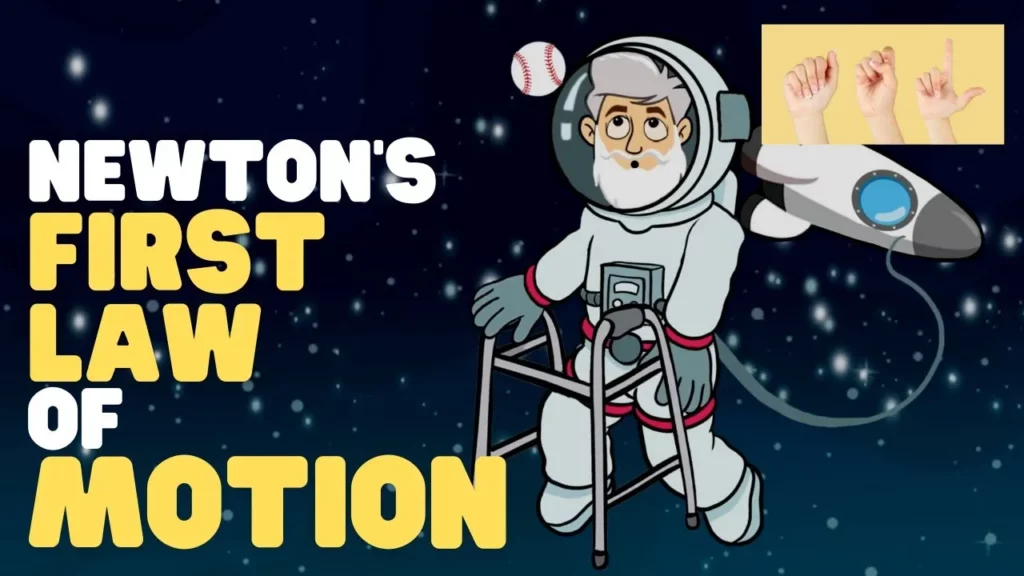
In this lesson, we explored Newton’s First Law of Motion, also known as the law of inertia, which states that an object at rest will remain at rest, and an object in motion will continue moving at a constant speed in a straight line unless acted upon by an external force. We discussed how inertia varies with the mass of an object, the role of friction in stopping moving objects, and how forces like gravity and air resistance influence motion. Overall, the lesson highlighted the fundamental principles governing the behavior of objects in motion and at rest.
ASL Colonial Times for Kids

Life in colonial times, from the 1500s to the 1700s, was characterized by hard work and long hours for both adults and children, primarily on farms where they cultivated crops and cared for animals. Education was limited, especially for girls, with many children learning basic skills at home rather than in formal schools. Community and religion played significant roles in daily life, and the harsh realities of slavery and modest living conditions marked this period, ultimately leading to the colonists’ desire for independence and the formation of the United States.
ASL Woolly Mammoths for Kids
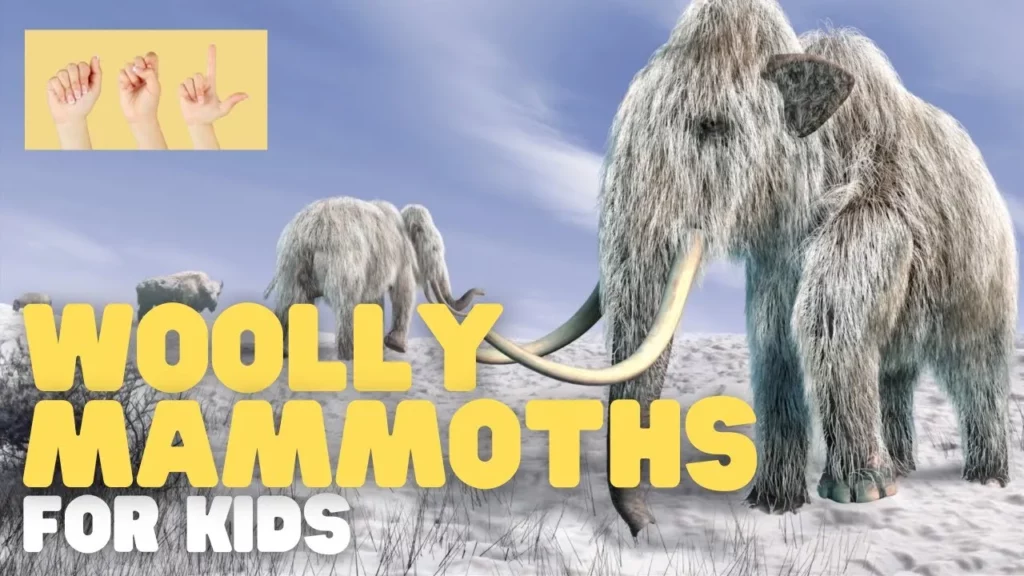
In this lesson, students embark on an exciting journey to learn about woolly mammoths, fascinating creatures related to modern elephants that thrived during the Ice Age. They discover the mammoths’ unique adaptations, such as their thick fur and large tusks, as well as their social behavior and reasons for extinction. The lesson emphasizes the importance of scientific discovery, highlighting recent findings that continue to shed light on these ancient animals.
ASL The Four Seasons for Kids

In this lesson, students learn about the four seasons—spring, summer, fall, and winter—and how they are influenced by the Earth’s rotation around the Sun. The lesson highlights that different regions experience seasons differently, with some places having all four seasons while others may feel like summer or winter year-round. Students are encouraged to observe seasonal changes in their environment and share their knowledge with others.
ASL What Is Algae? for Kids
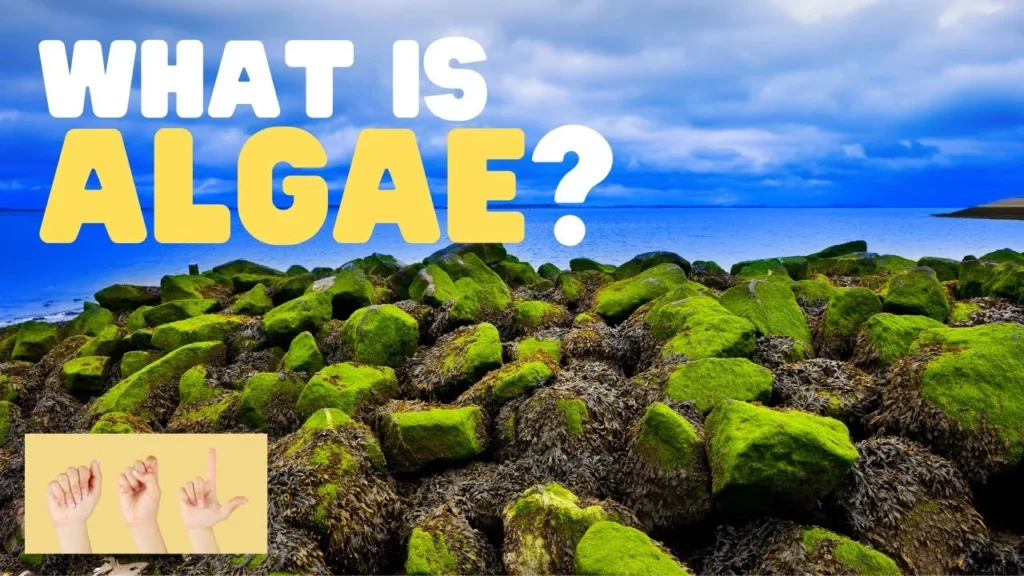
In this lesson, students explore the diverse world of algae, learning about their ability to photosynthesize and their significance in ecosystems. The lesson covers various types of algae, including brown, green, and red algae, as well as the distinction between macroalgae (seaweeds) and microalgae (phytoplankton). Emphasizing their ecological importance, the lesson highlights how algae contribute to oxygen production, serve as a food source, and play a vital role in aquatic habitats.
What Is an Assembly Line? | Learn all about the History of Assembly Lines
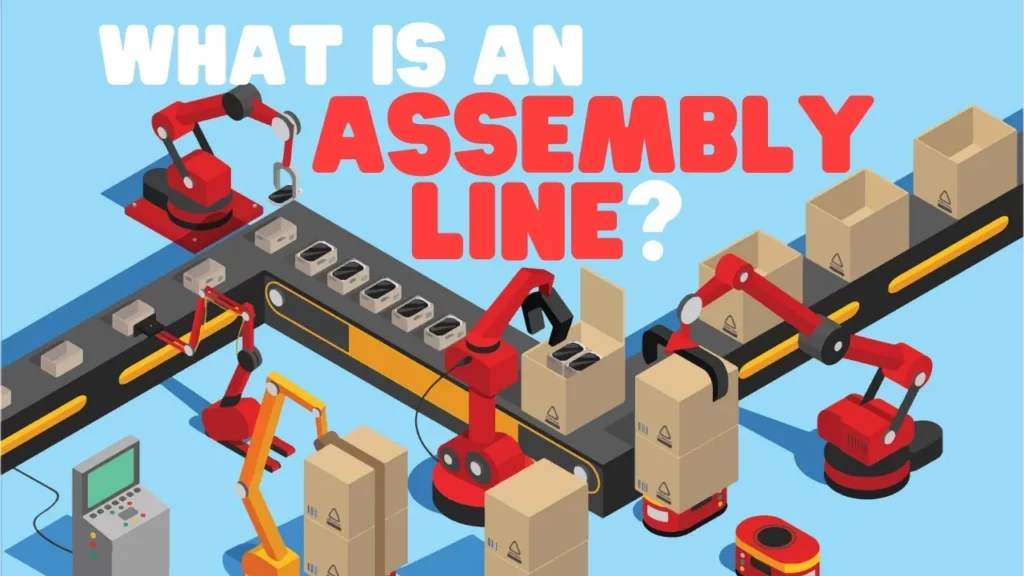
This lesson explores the evolution of manufacturing, highlighting the transition from handcrafting items with basic tools to the efficiency of assembly lines. It discusses the significant impact of the Industrial Revolution and key figures like Eli Whitney and Henry Ford, who revolutionized production methods by introducing interchangeable parts and assembly lines. Today, modern assembly lines utilize robots and machines, making production faster and more cost-effective, while still requiring human oversight.
ASL What Is Biofuel?
The lesson on “Biomass and Biofuels” introduces the concepts of biomass as renewable energy derived from living organisms and biofuels as fuels made from these materials. It highlights the benefits of biofuels, such as reduced pollution and their renewable nature, while also addressing challenges like production costs and potential impacts on food supply. Overall, the lesson emphasizes the importance of sustainable energy sources and the ongoing efforts to improve biofuel technology.
ASL Animal Classification for Kids
The lesson on animal classification highlights the vast diversity of life on Earth, with approximately 1.2 million animal species, including a significant number of insects and plants. Scientists utilize a systematic approach called taxonomy to organize these organisms into hierarchical categories, ranging from broad groups like domain and kingdom to more specific classifications such as genus and species. This classification is crucial for understanding and studying the immense variety of life, as it simplifies the process of identifying and categorizing different species.
ASL What Is an Assembly Line? for Kids
In this lesson, students explore the evolution of manufacturing, starting from the simple handmade items of the past to the advanced assembly lines of today. They learn how the invention of tools and the Industrial Revolution introduced concepts like interchangeable parts and assembly lines, which significantly increased production efficiency. The lesson encourages students to think about their preferences in building items versus participating in modern production methods, highlighting the impact of technology on manufacturing.