
ASL What Is an Asteroid?
In today’s lesson, we explored asteroids, which are remnants from the formation of our solar system, primarily composed of rock and sometimes metals. We learned about their characteristics, the asteroid belt located between Mars and Jupiter, and notable asteroids like Ceres and Vesta. Additionally, we discussed how most asteroids are not visible without a telescope and highlighted exciting facts about their potential for exploration and the possibility of human habitation.
ASL Germs for Kids
In today’s lesson, we explored the world of germs, including their types—bacteria, viruses, fungi, and protozoa—and how they can affect our health. We learned about Susie’s cold, which is caused by a virus, and discussed ways to stay healthy, such as washing hands, sneezing into elbows, and getting vaccinated. By understanding germs and practicing good hygiene, we can help prevent illness and keep ourselves and others safe.
ASL Main Idea for Kids
The lesson focuses on identifying the main idea, which is the central concept that everything else in a sentence, paragraph, or story revolves around. It emphasizes that the main idea can appear at any point in a paragraph and is supported by details that elaborate on it. By practicing the steps to find the main idea, students can enhance their comprehension and writing skills.
ASL The 13 Original Colonies for Kids
The lesson explores the 13 original colonies of America, which were established by British settlers along the Atlantic coast before the United States became a nation. It highlights the reasons for colonization, such as the search for land and religious freedom, and provides an overview of the New England, Middle, and Southern colonies, each with their unique characteristics and contributions. Ultimately, the lesson emphasizes how these colonies laid the groundwork for the emergence of American identity and the eventual push for independence from British rule.
ASL George Washington Carver
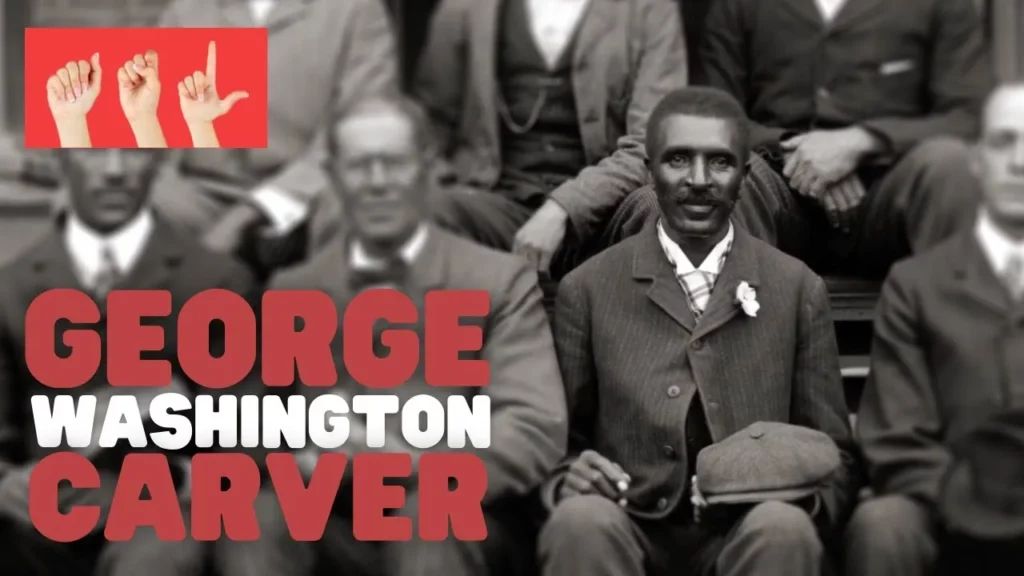
The lesson introduces George Washington Carver, an influential scientist and educator known for his contributions to agriculture and plant science. Born into slavery, Carver overcame numerous challenges to become a pioneer in farming techniques, particularly crop rotation, and developed numerous products from peanuts, earning him nicknames like “Peanut Man” and “Plant Doctor.” His legacy continues to inspire future generations, and he is celebrated for his dedication to helping farmers and promoting self-sufficiency within the Black community.
ASL All about Sharks for Kids
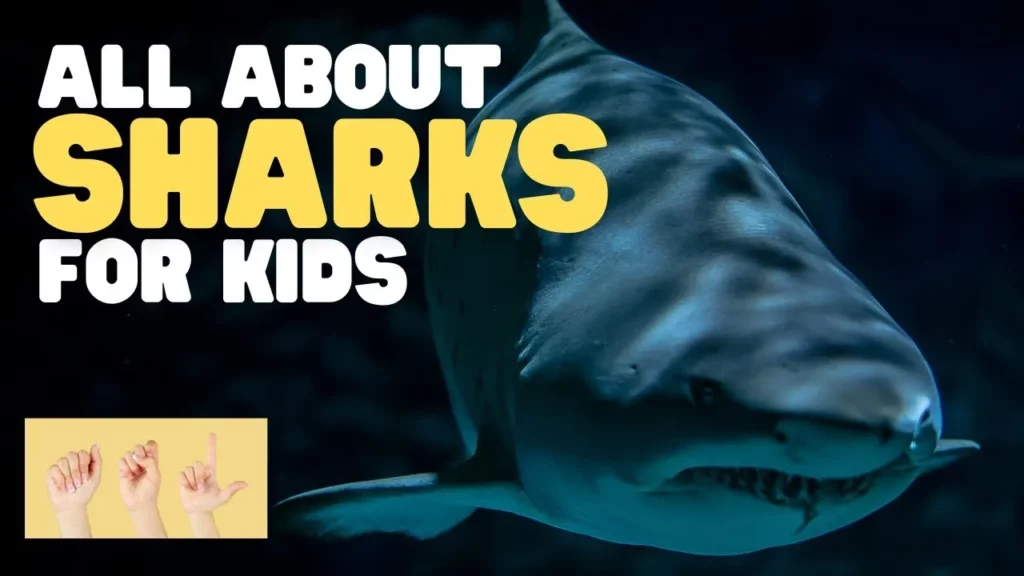
In this lesson, students explore the fascinating world of sharks, learning about their unique characteristics, such as having cartilage instead of bones and a variety of shapes and sizes. The lesson highlights sharks’ impressive senses, their rough skin, and their role as important predators in ocean ecosystems, while also dispelling common myths about their behavior towards humans. Overall, it emphasizes the significance of sharks and encourages appreciation for these ancient creatures.
ASL Earthquakes and Tsunamis for Kids
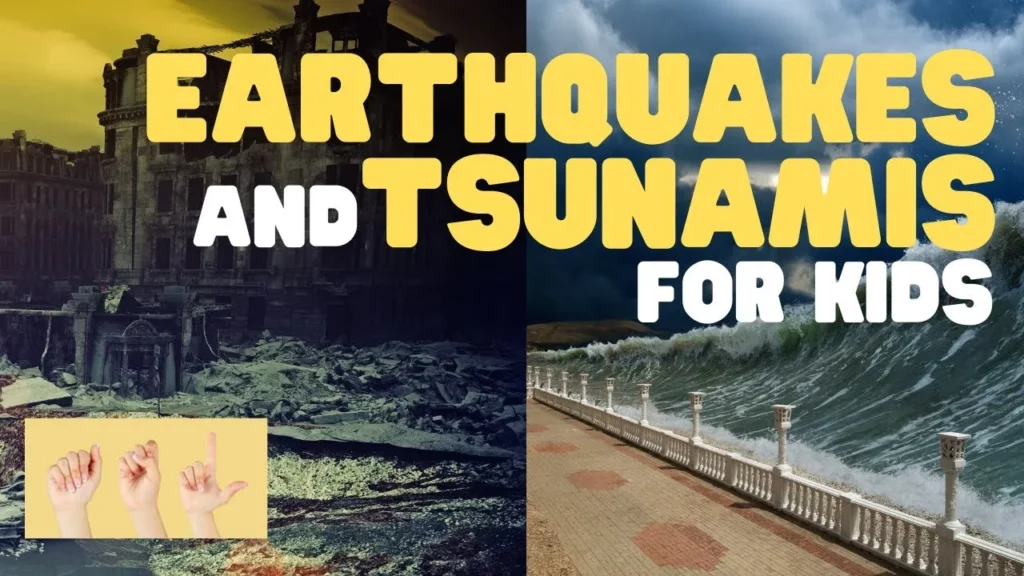
This lesson explores the causes and effects of earthquakes and tsunamis, explaining how tectonic plate movements lead to seismic activity. It highlights the role of geologists in studying earthquakes, the historical impact of significant quakes, and the dangers posed by tsunamis generated by underwater earthquakes. Additionally, the lesson provides safety tips for individuals during an earthquake and encourages curiosity about the Earth and potential careers in geoscience.
ASL All about Australia for Kids

In this lesson, students are introduced to Australia, a unique continent and country known for its diverse landscapes, rich history, and unique wildlife. Key topics include the Aboriginal and Torres Strait Islander peoples, the impact of the gold rush, the significance of the Outback, and famous landmarks like the Great Barrier Reef and Sydney Opera House. The lesson emphasizes Australia’s distinct geographical features and cultural heritage, encouraging students to appreciate its fascinating attributes.
ASL Biomes and Ecosystems for Kids
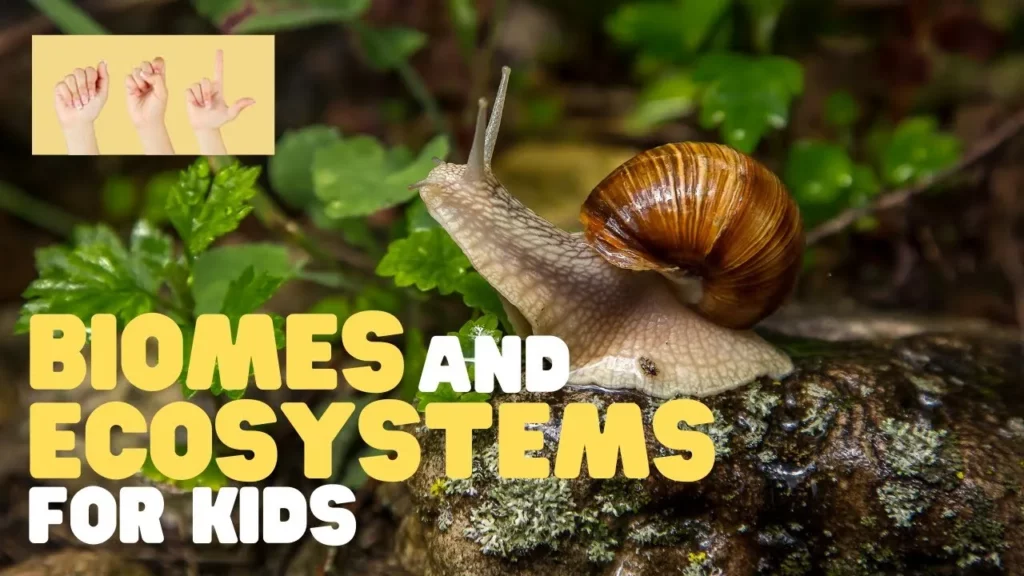
In this lesson, we explored the concept of biomes, which are large areas on Earth characterized by specific climates and communities of plants and animals, including deserts, grasslands, forests, aquatic environments, and tundras. We also learned about ecosystems, the smaller units within biomes where living and non-living elements interact, and the vital cycles—water, carbon, and nitrogen—that sustain these ecosystems. Finally, the lesson emphasized the importance of protecting these natural systems, as human activities can significantly impact their health and balance.
ASL Compare and Contrast for Kids
In this lesson on comparing and contrasting, students learn to identify similarities and differences between various objects, concepts, or characters. Through engaging examples like apples and oranges, basketballs and soccer balls, and the twins Noah and Ava, learners are encouraged to explore the world around them by making comparisons. The lesson concludes with a challenge to think of two things that cannot be compared, reinforcing the idea that this skill enhances understanding and appreciation of diverse elements in life.