
ASL Reptiles for Kids
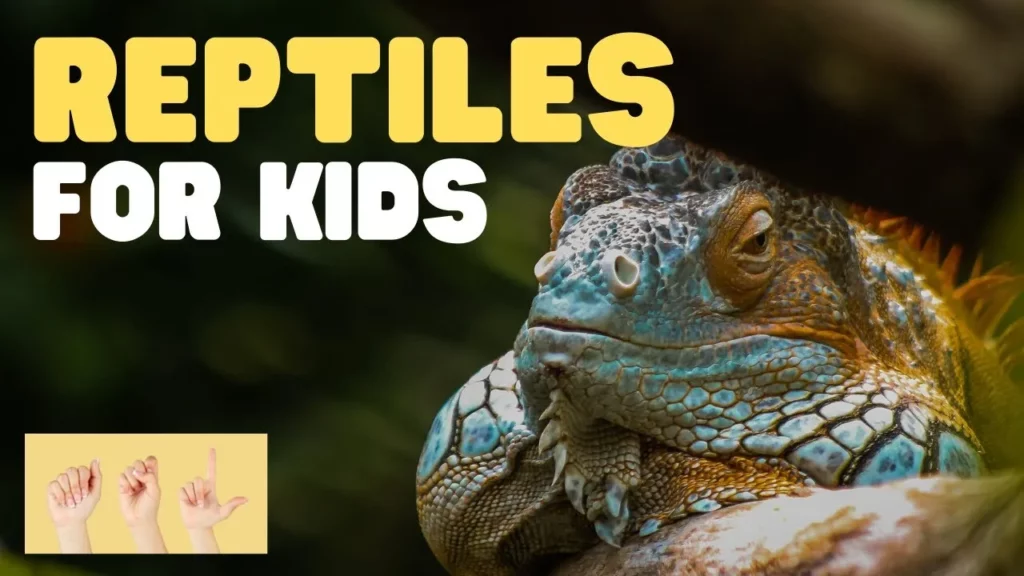
In this lesson, students explore the classification of animals into two main groups: vertebrates, which have backbones, and invertebrates, which do not. The lesson focuses on vertebrates, detailing the five groups—mammals, birds, fish, reptiles, and amphibians—with a particular emphasis on reptiles, highlighting their unique characteristics, reproductive methods, and adaptations for survival in various environments. Fun facts and insights into reptile behavior further engage students in understanding these fascinating creatures.
Women’s History Month | Learn about women throughout history and why we celebrate them in March
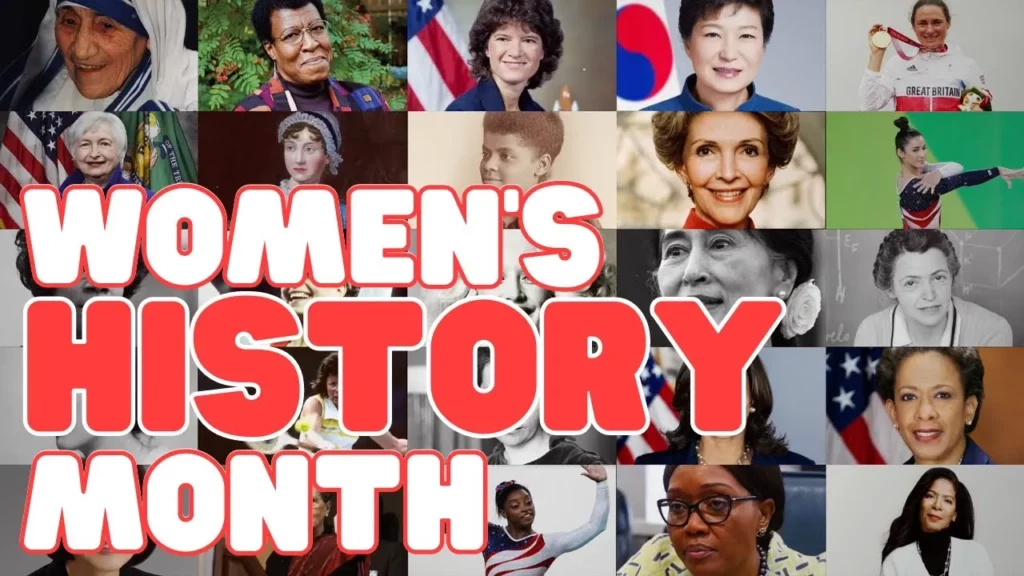
Women’s History Month, celebrated every March in America, is a time to recognize and learn about the significant contributions of women throughout history. The month originated from a Women’s History Week organized in 1978, which aimed to highlight women’s achievements and was later officially recognized by Congress in 1987. Celebrating this month encourages us to explore the stories of remarkable women and understand the historical context of gender inequality, fostering appreciation for women’s roles in shaping history.
ASL Dinosaurs for Kids
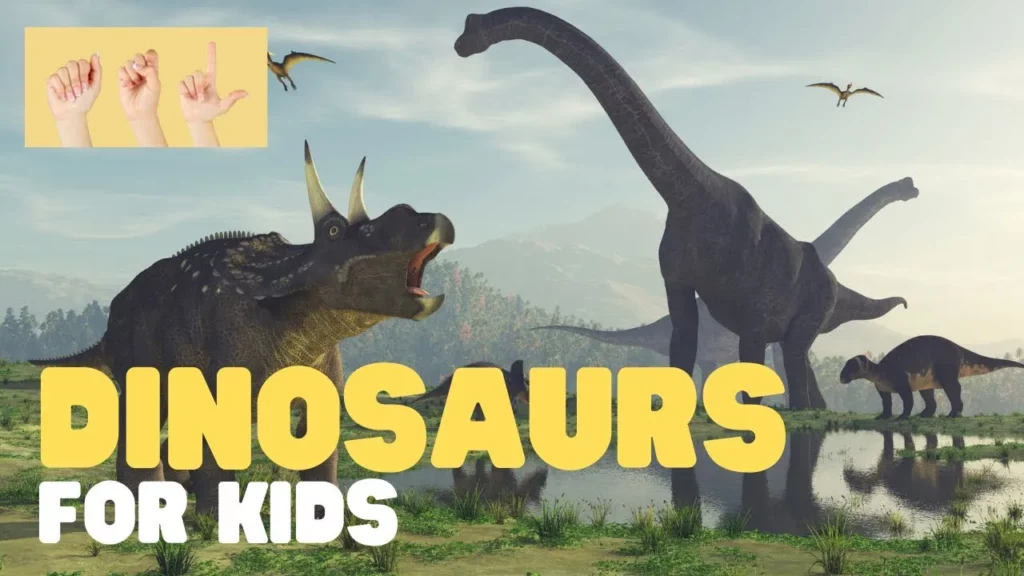
In this lesson, students are introduced to the fascinating world of dinosaurs, exploring their history, characteristics, and the significance of fossils in understanding these ancient creatures. They learn that dinosaurs were diverse reptiles, not lizards, and that paleontologists study their fossils to uncover their secrets. The lesson also highlights famous dinosaurs, the impact of their extinction, and the possibility of discovering new species in the future, encouraging curiosity and exploration.
ASL Olympic History for Kids

The lesson explores the rich history of the Olympic Games, beginning with their origins in ancient Greece around 776 BC, where male citizens competed in various athletic events to honor Zeus. It highlights the evolution of the games, the celebration of winners with olive wreaths, and the eventual revival of the Olympics in 1896, leading to the modern games that now include both men and women from around the world. The lesson emphasizes the Olympic spirit of unity and competition, encouraging individuals to aspire to participate in this historic tradition.
ASL Animal Adaptations for Kids
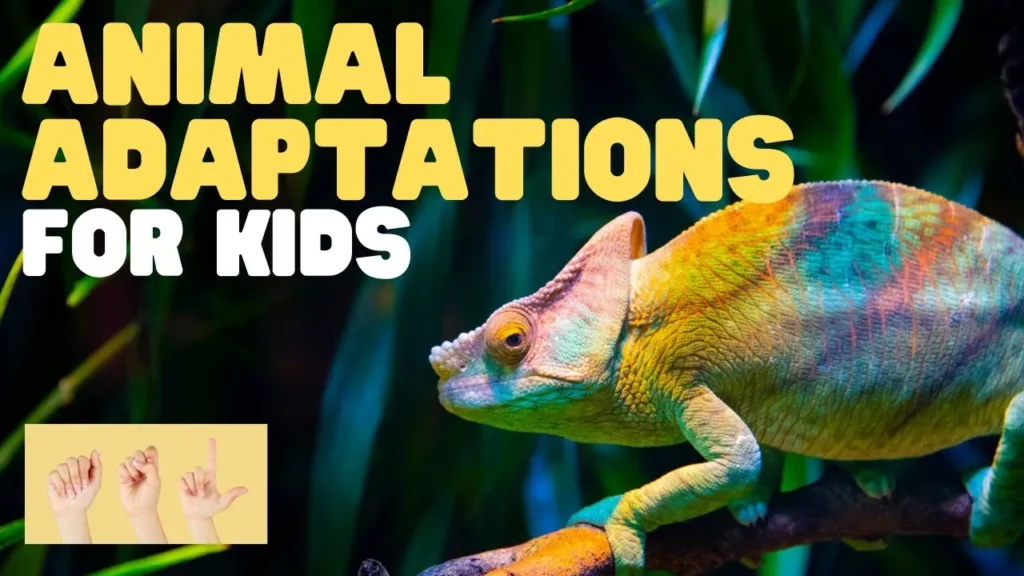
The lesson on animal adaptations explains how both humans and animals adjust to their environments to survive. It highlights three main types of adaptations: behavioral adaptations, such as migration and hibernation; physical adaptations, like camouflage and specialized body features; and life cycle adaptations, which involve changes from birth to adulthood. Understanding these adaptations is crucial, as they enable animals to thrive in their habitats.
ASL The Five Senses for Kids
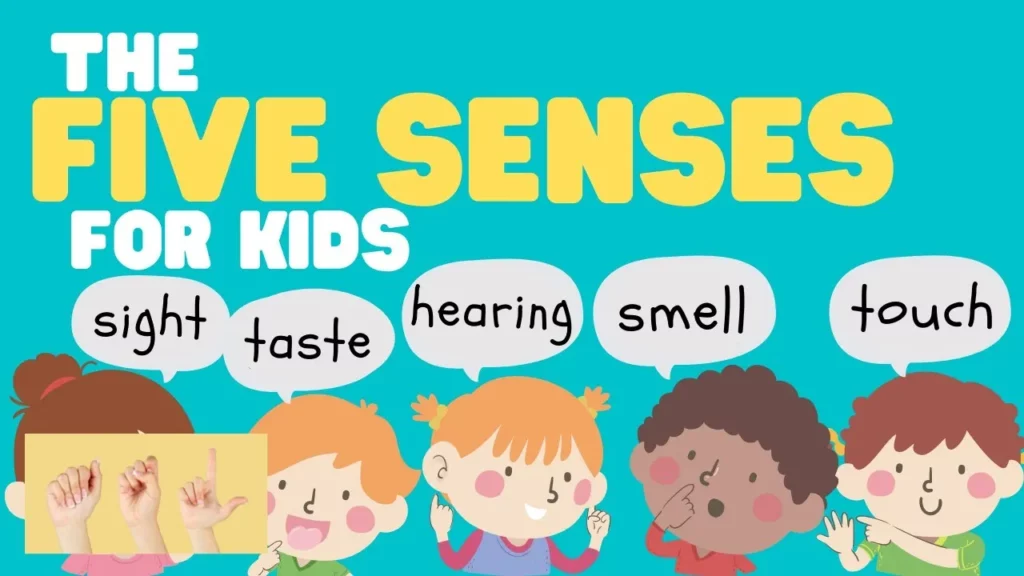
In this lesson, students explore the five senses—sight, hearing, smell, taste, and touch—through engaging descriptions of a cozy cabin experience. Each sense is explained in detail, highlighting how they function and their importance in helping us understand and enjoy the world around us. The lesson also touches on how animals experience their senses differently, emphasizing the diversity of sensory perception in nature.
The Story of Hanukkah | Hanukkah for Kids | Origins of Hanukkah
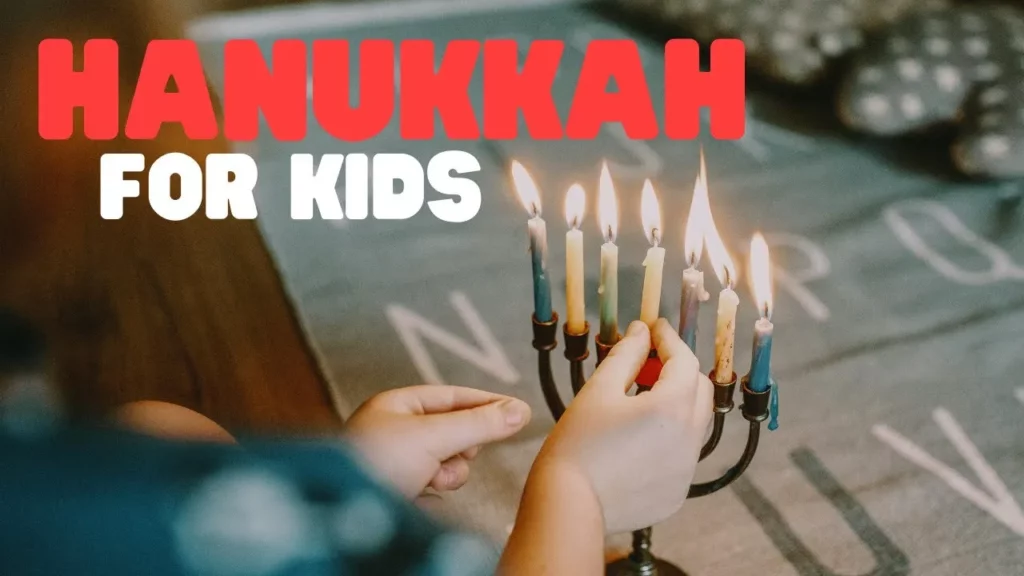
In this lesson, we explored Hanukkah, a Jewish holiday known as the Festival of Lights, which celebrates the miracle of a small amount of oil lasting eight days in the second century BC. The holiday involves lighting a menorah, enjoying traditional foods like latkes and sufganiyot, playing games like dreidel, and spending time with family and friends. Hanukkah is celebrated for eight days, typically falling between late November and late December, and emphasizes themes of dedication, resilience, and community.
Who Was Sitting Bull? for Kids | Learn all about this Lakota Chief
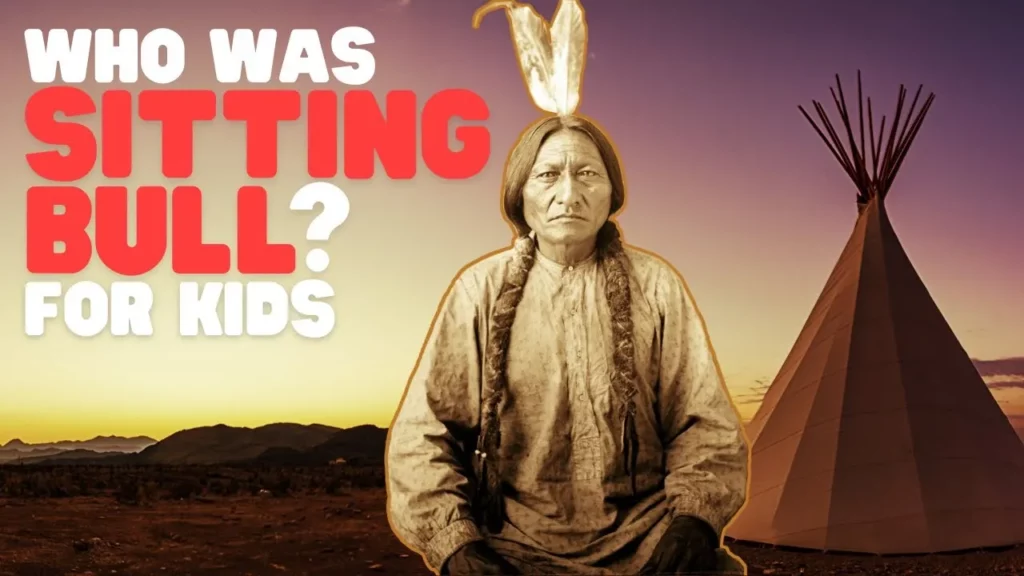
The lesson on Sitting Bull highlights his significant role as a leader and advocate for the Lakota tribe during a tumultuous period in American history. Born in 1831, Sitting Bull, originally named Jumping Badger, became known for his bravery in battle and his commitment to protecting his people’s land against U.S. government encroachments. The lesson covers his early life, the struggles faced by indigenous tribes, the pivotal Battle of the Little Bighorn, and his later years, emphasizing his legacy as a symbol of resistance and indigenous rights.
Washington Monument for Kids | Learn the history behind the largest obelisk in the world

In this lesson, students explored the Washington Monument, a towering obelisk in Washington, D.C., built to honor George Washington, the first president of the United States. They learned about its construction history, unique design, and the challenges faced during its building process, which spanned over 36 years. The lesson also highlighted the monument’s significance as a historical landmark and its impressive features, including an elevator that offers stunning views of the city.
ASL Bacteria and Viruses for Kids
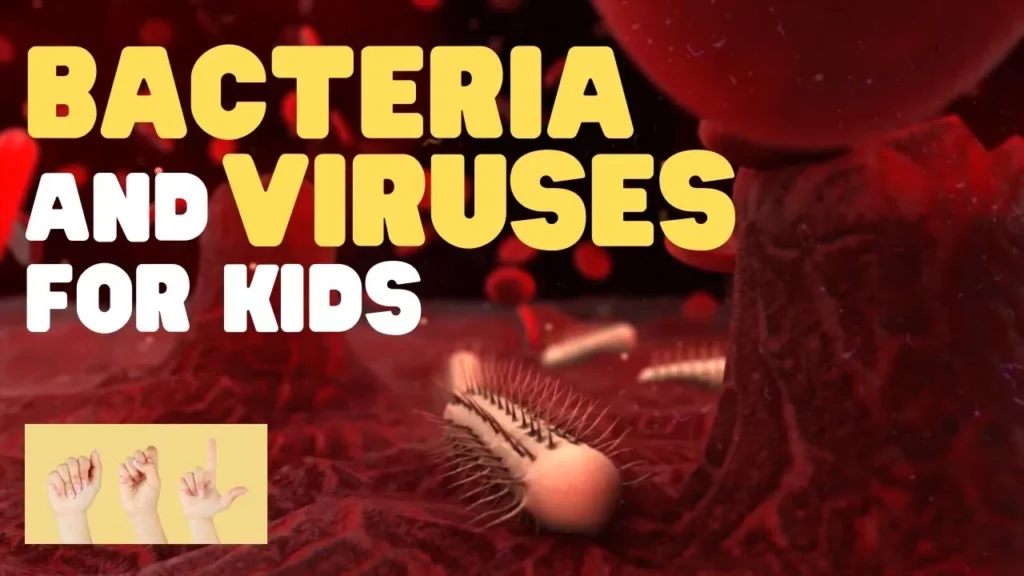
In today’s lesson, we explored the fascinating world of bacteria and viruses, highlighting their differences and roles in our lives. While most bacteria are beneficial and essential for our health, aiding in digestion and immune function, viruses are primarily harmful and require a living host to reproduce. We also discussed preventive measures, such as handwashing and vaccinations, to protect ourselves from harmful pathogens.