
ASL Harriet Tubman for Kids
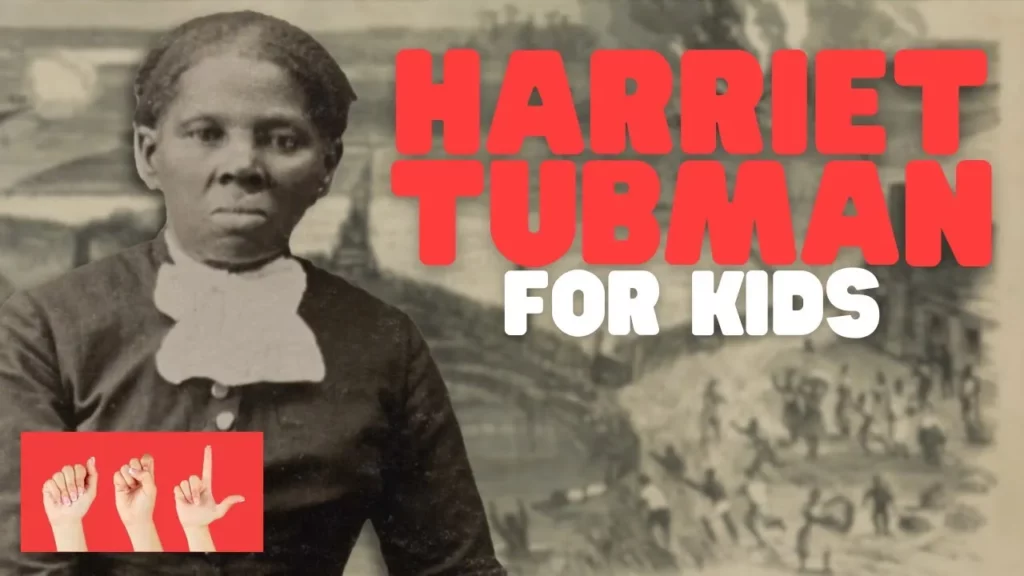
The lesson introduces Harriet Tubman, a remarkable figure in American history known for her courageous actions as a conductor on the Underground Railroad, which helped enslaved people escape to freedom. Born into slavery, Tubman faced numerous hardships but ultimately escaped and dedicated her life to aiding others, even serving as a nurse and spy during the Civil War. Her legacy as a hero continues to inspire individuals to make a difference in the world.
ASL Who Is Benjamin Franklin?
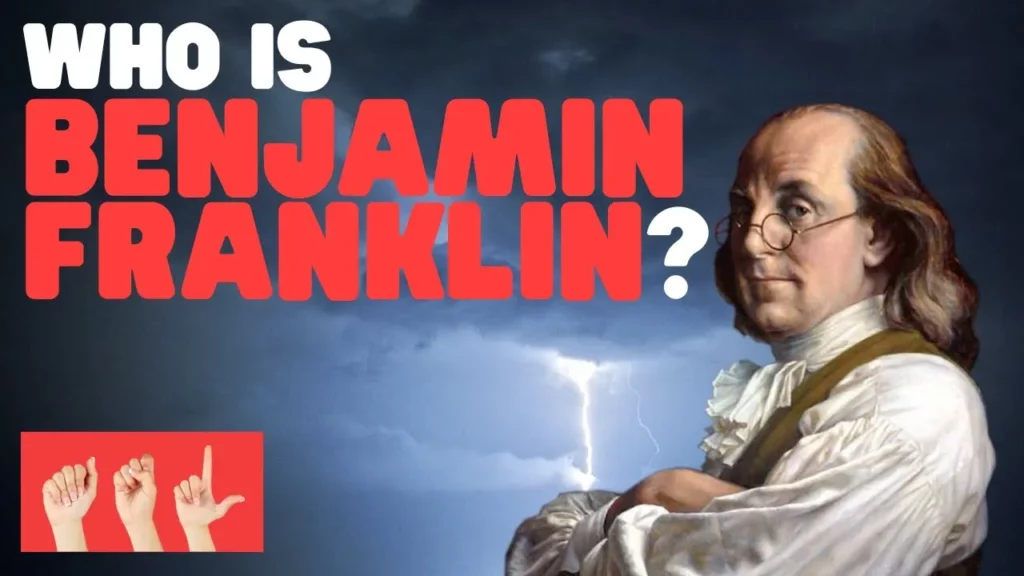
This lesson explores the life and contributions of Benjamin Franklin, highlighting his roles as a Founding Father, inventor, and influential figure in American history. From his early years in Boston to his significant achievements in Philadelphia, including the publication of popular works and his involvement in key historical documents, Franklin’s legacy is marked by his inventive spirit and dedication to public service. His famous kite experiment led to important discoveries in electricity, and he established many institutions that shaped modern America, leaving a lasting impact that is still recognized today.
ASL Types of Landforms
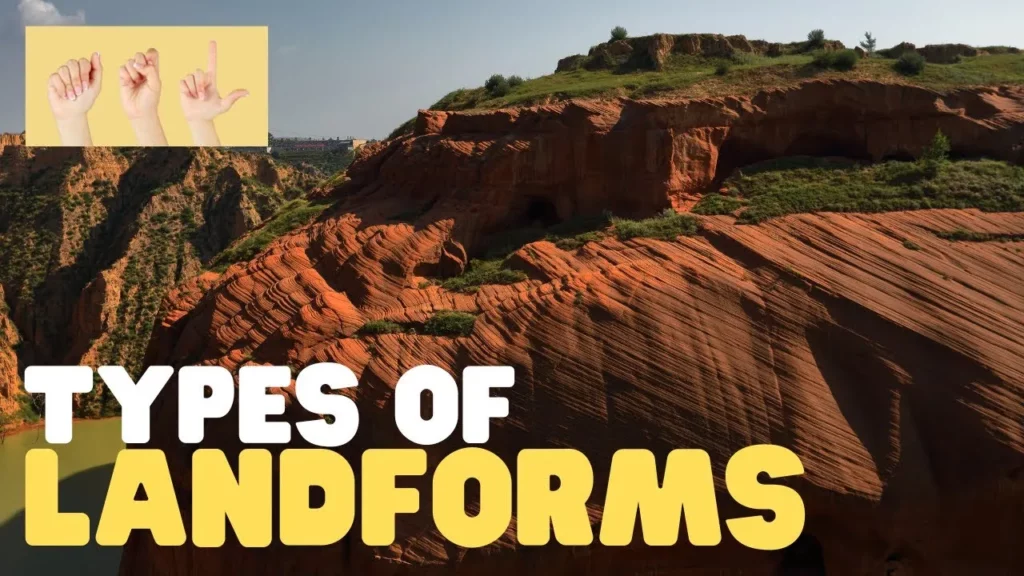
In this lesson, we explored the diverse landforms of Earth, including mountains, valleys, plains, plateaus, islands, lakes, oceans, coasts, and rivers. We learned how these natural features are formed over thousands or millions of years through processes involving the Earth’s crust, sediments, and volcanic activity. The lesson emphasizes the dynamic nature of landforms and encourages curiosity about the unique landscapes we encounter in our environment.
Who Was Rosie the Riveter? for Kids | Learn the history behind this historical icon

The lesson on Rosie the Riveter highlights her significance as a symbol of strength and determination during World War II, when women stepped into factory roles traditionally held by men. The campaign encouraged women to work in industries crucial for the war effort, leading to a dramatic increase in female participation in the workforce. Rosie’s legacy extends beyond the war, representing women’s rights and equality, inspiring future generations to pursue their ambitions and challenge societal norms.
ASL Who Was Sitting Bull? for Kids
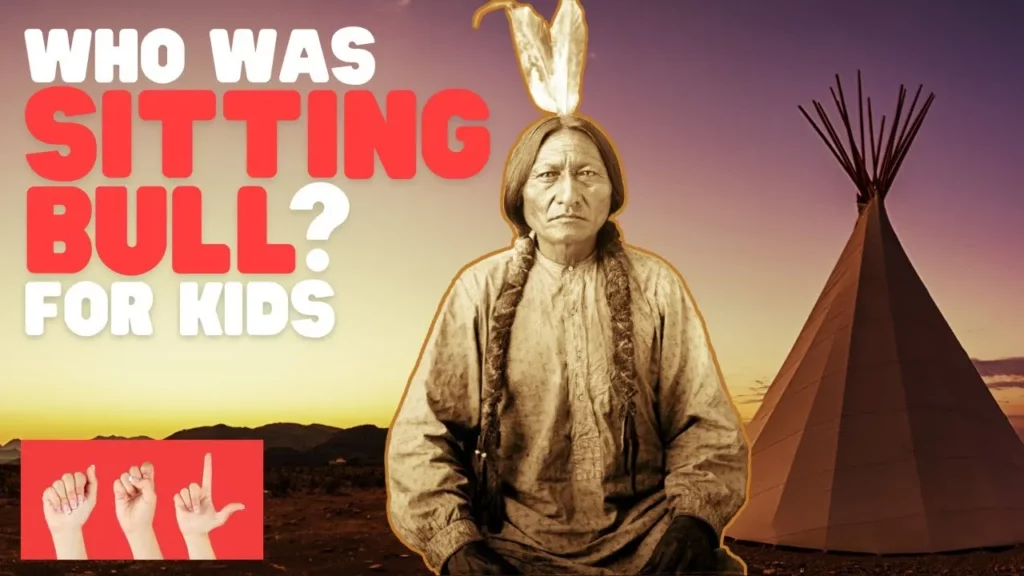
The lesson introduces Sitting Bull, a prominent leader of the Lakota tribe who fought to protect his people’s land and rights during the encroachment of European settlers in North America. It highlights his early life, the significance of his name, his leadership during the Battle of the Little Bighorn, and his enduring legacy as an advocate for indigenous rights. Ultimately, the lesson encourages students to reflect on how they can stand up for themselves and their communities, inspired by Sitting Bull’s courage and determination.
ASL Fossil Fuels for Kids

The lesson on fossil fuels explains that these energy sources—coal, oil, and natural gas—originated from the remains of ancient plants and animals, transformed over millions of years under heat and pressure. While fossil fuels have been crucial for energy production, their use contributes to environmental issues such as pollution and climate change, prompting a shift towards cleaner, renewable energy alternatives for a sustainable future.
ASL Pilgrims for Kids
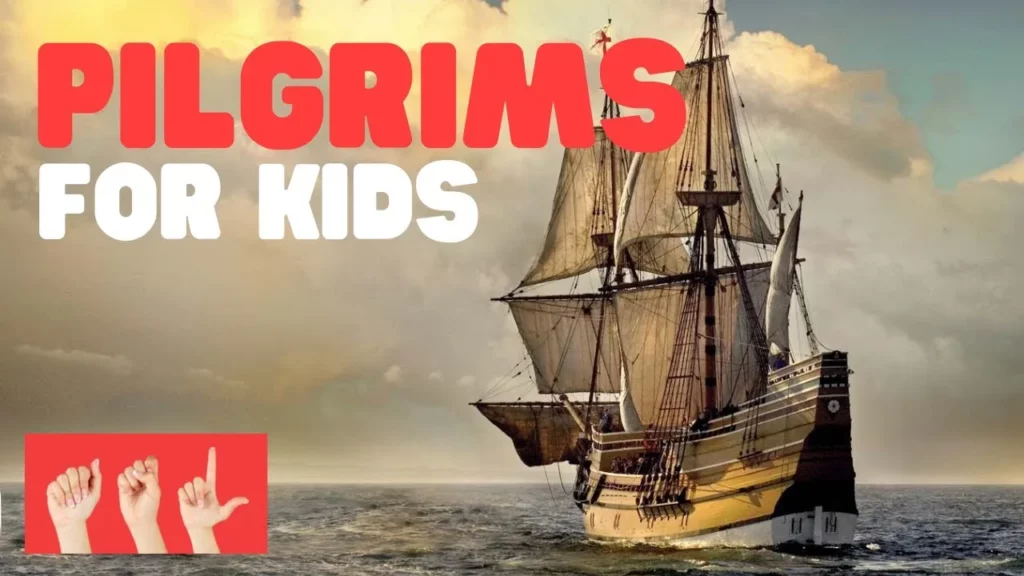
The lesson explores the journey of the Pilgrims, a group seeking religious freedom who left England for Holland before ultimately sailing to America on the Mayflower in 1620. Despite facing numerous challenges, including harsh conditions during their first winter and the loss of many settlers, they established Plymouth Colony and formed a significant relationship with Native Americans, culminating in the first Thanksgiving. Their quest for freedom and the establishment of new settlements contributed to the foundation of what would become the United States.
ASL What Is DNA? for Kids
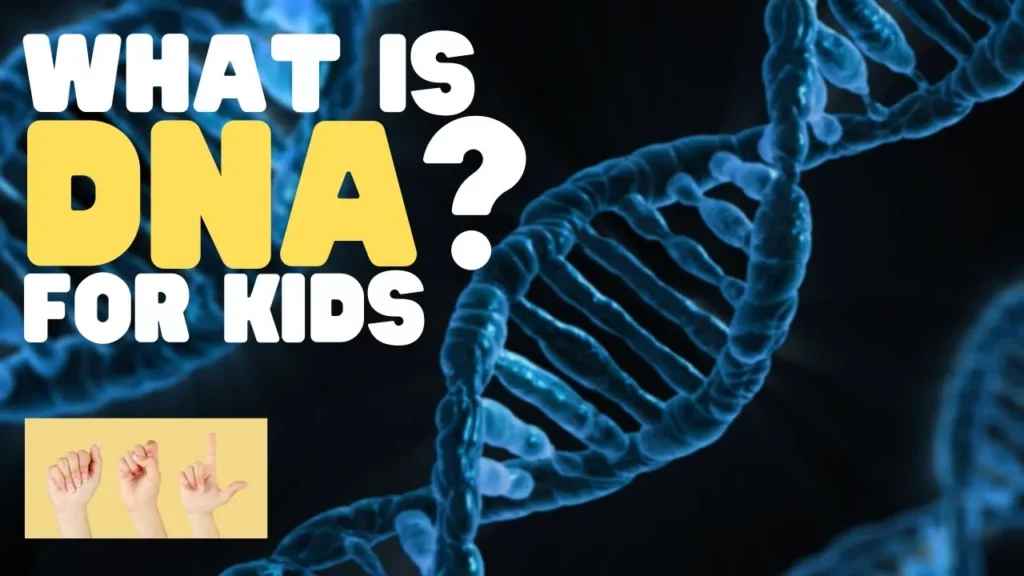
The lesson “Discovering DNA: The Secret Code Inside You” explores the fundamental role of DNA in determining individual traits and characteristics, highlighting its structure as a double helix and its presence in all living organisms. It explains how DNA carries genetic instructions from parents, contributes to scientific advancements in health and ancestry, and plays a crucial role in crime-solving and agricultural improvements. Ultimately, the lesson emphasizes the uniqueness of each person, rooted in their DNA.
ASL Cultures of the World
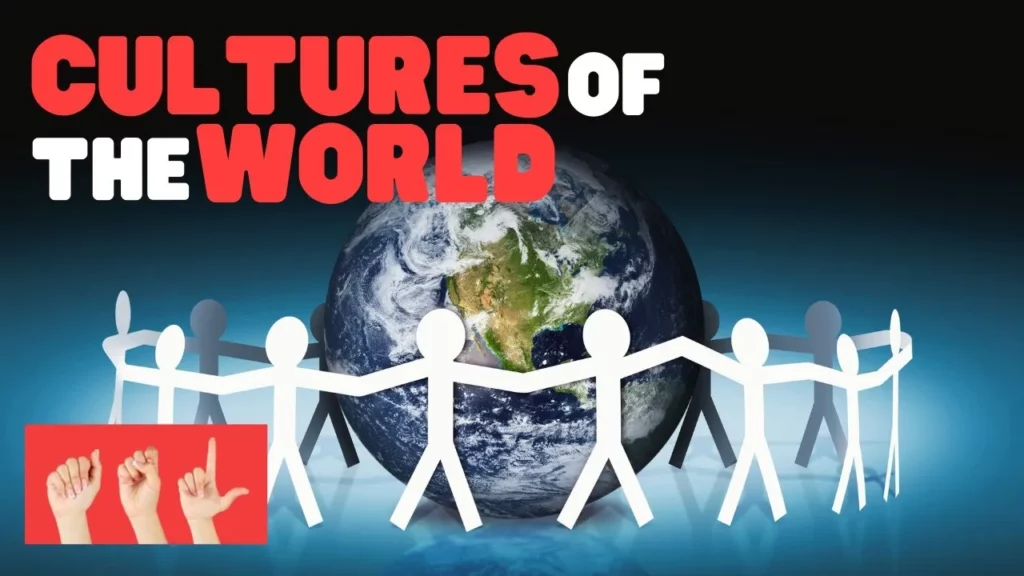
The lesson “Cultures of the World for Kids” emphasizes the importance of recognizing and respecting the diversity of cultures in our communities and around the globe. It explains that culture encompasses the unique beliefs, traditions, and practices of different groups, and encourages children to engage with others to learn about their customs and celebrations. By fostering an understanding of various cultures, the lesson promotes peaceful coexistence and friendship among people from different backgrounds.
ASL T-Rex Facts for Kids
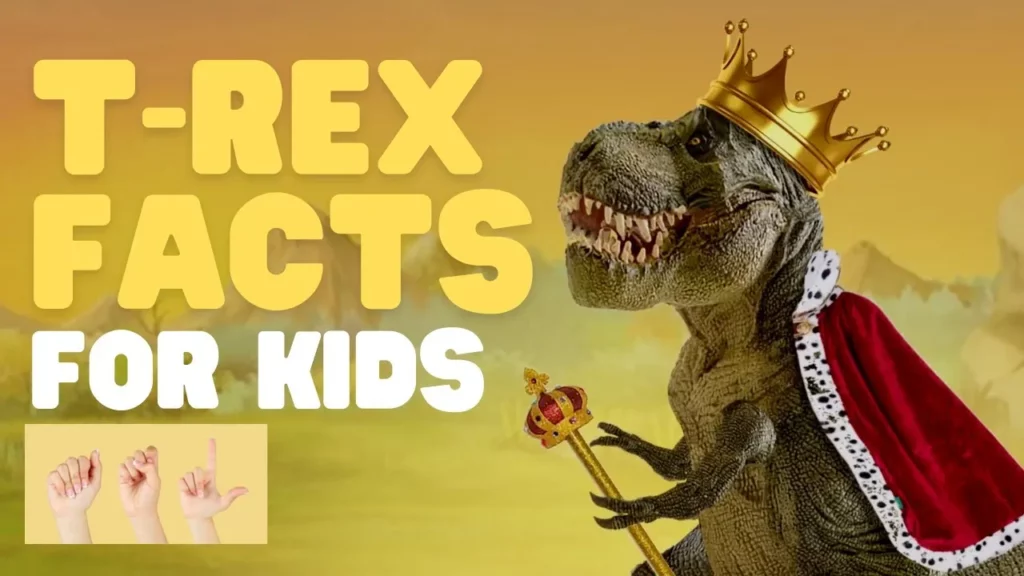
The lesson on the Tyrannosaurus Rex highlights its status as an apex predator that lived around 68 million years ago, emphasizing its impressive size, speed, and powerful hunting abilities. Despite its massive body, the T-Rex had surprisingly small arms, and it shared evolutionary ties with modern birds like chickens. The lesson concludes with a review of key facts about the T-Rex, reinforcing its significance in the dinosaur world.