
Hurricanes for Kids | What is a Hurricane? How are Hurricanes Formed? Learn these answers and more!
In this lesson, students learn about hurricanes, powerful storms characterized by strong winds of at least 74 miles per hour. The lesson covers how hurricanes form, their structure, the categories used to classify their intensity, and the importance of tracking and naming them. Additionally, it emphasizes safety precautions to take during a hurricane, including listening to emergency instructions and being prepared for potential evacuations.
Hippos for Kids | Learn all about hippopotamuses
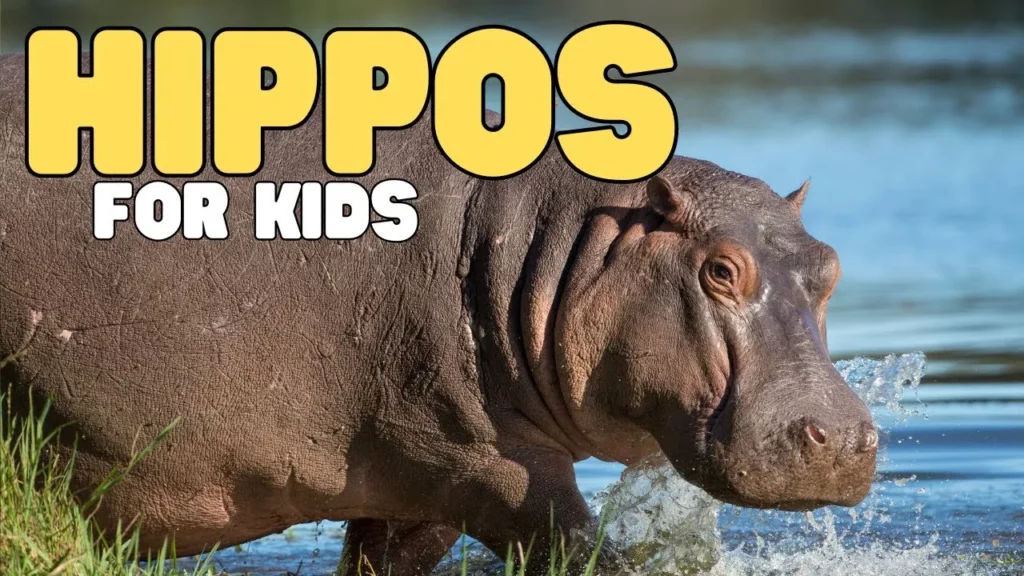
In this lesson, we explored fascinating facts about hippopotamuses, including their physical characteristics, social behavior, and dietary habits. Hippos live in groups called pods, are herbivores that primarily eat grass, and play a crucial role in their ecosystems by helping to create habitats for other animals. Additionally, we learned about their unique adaptations, such as hipposudoric acid in their skin and their impressive teeth, while also discussing the importance of protecting these remarkable creatures from threats like hunting and habitat loss.
Main Idea for Kids | What is the main idea? | Finding the main idea in books and stories
The lesson focuses on understanding the main idea, which is the central concept of a sentence, paragraph, or story that everything else revolves around. It explains how to identify the main idea by looking for supporting details and provides examples, including a story about skiing and a summary of Cinderella, to illustrate how each paragraph has its own main idea supported by specific details. The lesson emphasizes that practice in finding the main idea enhances comprehension and writing skills.
All About Sharks for Kids | What is a shark? Shark facts for kids
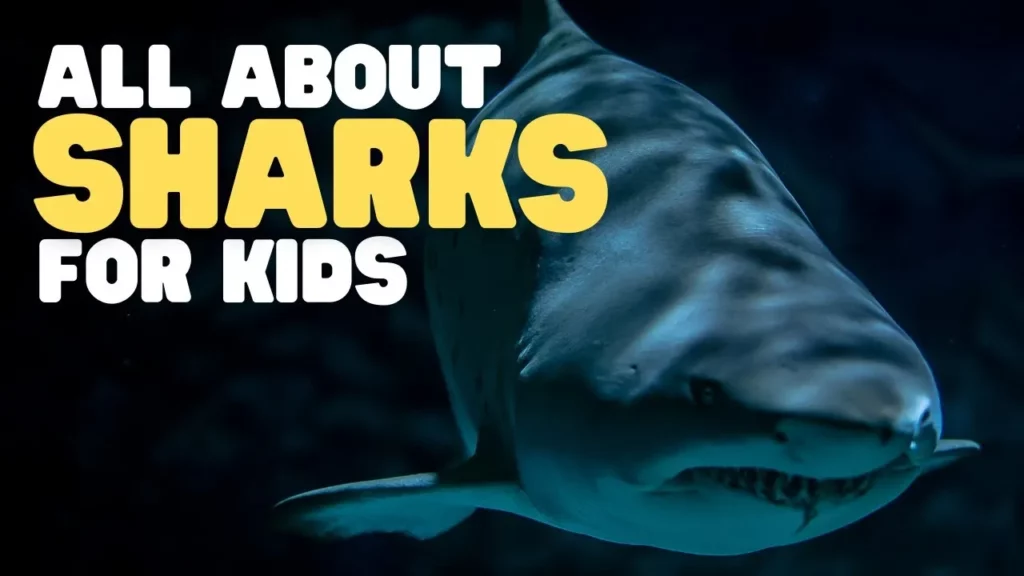
The lesson “Discovering the World of Sharks” explores the unique characteristics and adaptations of sharks, highlighting their ancient history, diverse shapes and sizes, and specialized senses. It emphasizes that sharks, despite common misconceptions, are not dangerous to humans and play a crucial role in maintaining ocean ecosystems. Through engaging facts and a quiz, the lesson encourages further exploration of these fascinating marine creatures.
Constellations for Kids | Learn about the types of constellations, their names, and how to find them
The lesson “Exploring the Night Sky: Constellations” introduces students to the vastness of the universe, highlighting that our Milky Way galaxy contains over 300 billion stars, with trillions of stars existing across approximately 100 billion galaxies. It explains the concept of constellations, which are patterns formed by stars that have been named after mythological figures, and discusses several famous constellations, their stories, and their historical significance in navigation and agriculture. The lesson encourages students to observe the night sky and recognize the constellations, emphasizing their importance in both ancient and modern contexts.
ASL Timelines for Kids
In this lesson, students learn about timelines as a tool for organizing events in chronological order, both in personal lives and historical contexts. They explore how to create a timeline by selecting significant events, determining time intervals, and incorporating visuals to enhance understanding. The lesson emphasizes the importance of timelines in making sense of the sequence of events and encourages students to reflect on meaningful moments in their own lives.
ASL Extinction for Kids
The lesson on extinction explains that species, including dinosaurs, can become extinct when they can no longer reproduce or adapt to environmental changes, with mass extinction events occurring rapidly, such as the one that wiped out the dinosaurs 65 million years ago. It highlights the various causes of extinction, including natural factors and human activities, and emphasizes the importance of protecting endangered species through simple actions like recycling and supporting conservation efforts. Ultimately, the lesson encourages awareness and proactive measures to safeguard the planet’s biodiversity.
Pilgrims for Kids | History of Pilgrims and the first Thanksgiving
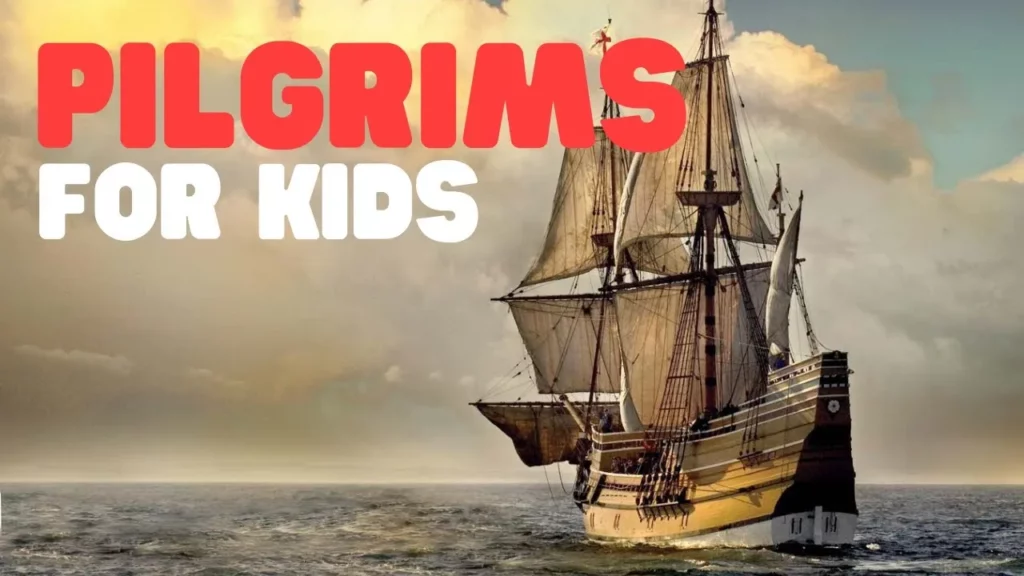
The lesson explores the journey of the Pilgrims, a group seeking religious freedom who left England for America in 1620. After facing hardships during their voyage on the Mayflower and a challenging first winter in Plymouth Colony, they established a community based on mutual support and cooperation, culminating in the first Thanksgiving. Their story highlights themes of courage, friendship, and the pursuit of freedom, ultimately contributing to the foundation of the United States.
Three Branches of Government | Learn about the executive, legislative, and judicial branches
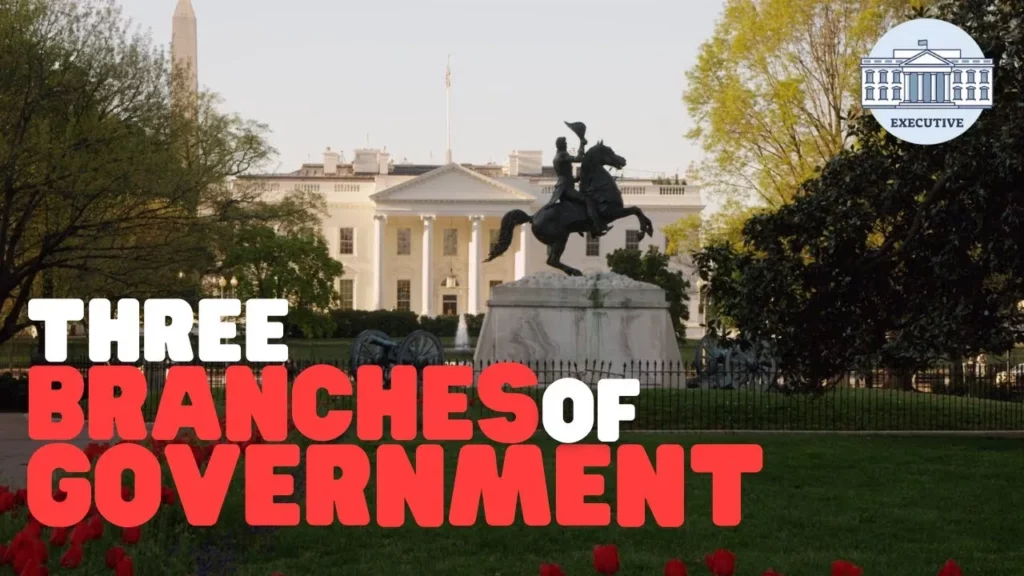
The lesson explains the three branches of the United States government: the executive, legislative, and judicial branches, each with distinct roles that ensure a balanced system through checks and balances. The executive branch, led by the President, enforces laws; the legislative branch, consisting of Congress, creates laws; and the judicial branch, represented by the Supreme Court, interprets laws. Together, these branches work to protect citizens’ rights and maintain fairness in governance.
Europe for Kids | Learn interesting facts and History about the European Continent
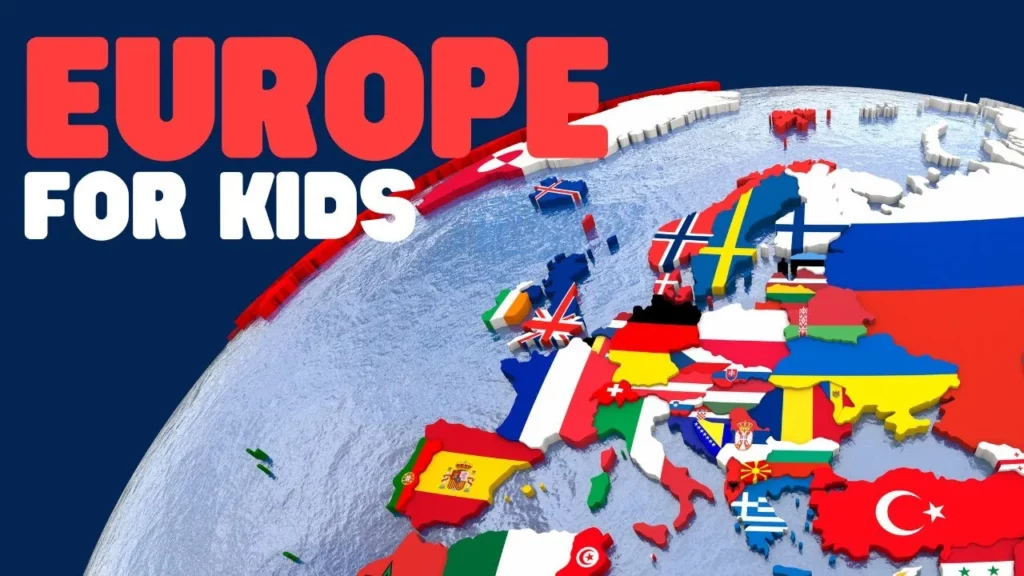
The lesson “Discovering Europe: A Fascinating Continent” introduces students to the diverse geography, cultures, and history of Europe, highlighting its significant population and unique features such as the Alps and the Danube River. It discusses the living conditions in Europe, the continent’s varying climates, and its rich historical background, including ancient civilizations and modern developments like the European Union. The lesson emphasizes Europe’s diversity, showcasing notable countries, landmarks, and the cultural richness that attracts millions of tourists each year.