
Lewis and Clark for Kids | Learn about the Louis and Clark expedition and the Louisiana Purchase
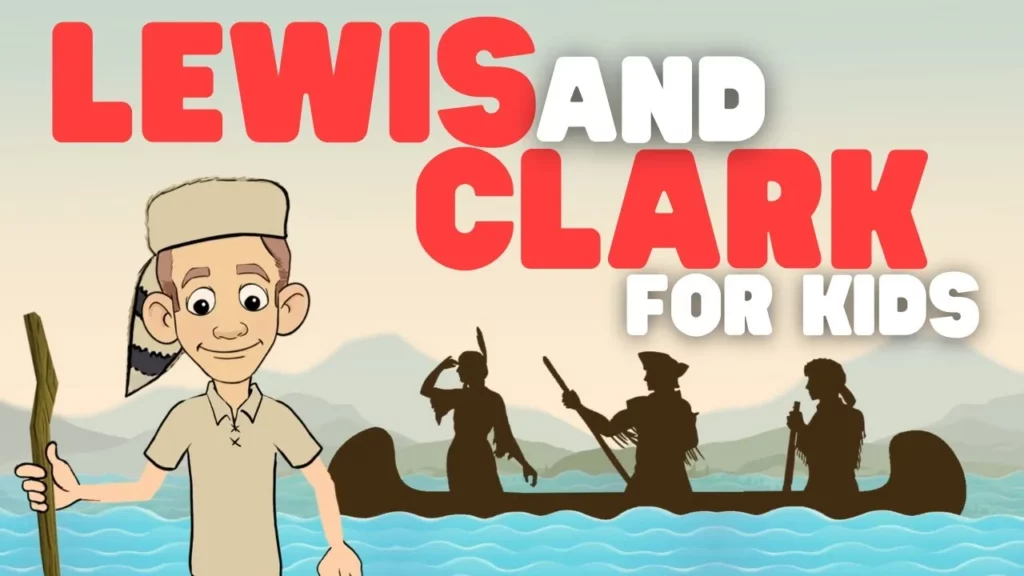
In this lesson, we explored the remarkable journey of Lewis and Clark, along with Sacagawea, as they embarked on an expedition across North America following the Louisiana Purchase in 1803. The Corps of Discovery, led by Captain Meriwether Lewis and Lieutenant William Clark, traveled over 7,000 miles, discovering new plants, animals, and forging relationships with Native American tribes. Their adventure significantly expanded the United States’ understanding of its new territory and laid the groundwork for future exploration.
Colonial Times for Kids | Learn about the colonial America

The lesson on “Colonial Times: Life Long Ago” explores the challenging and labor-intensive lifestyle of colonists from the 1500s to the 1700s, highlighting their daily routines, agricultural practices, and the division of roles between men and women. It discusses the limited educational opportunities for children, the emergence of various professions, and the harsh realities of slavery and indentured servitude during this period. Despite the difficulties, the lesson emphasizes that colonists found ways to work hard and experience happiness in their lives.
Germs for Kids | Learn all about bacteria, viruses, fungi, and protozoa
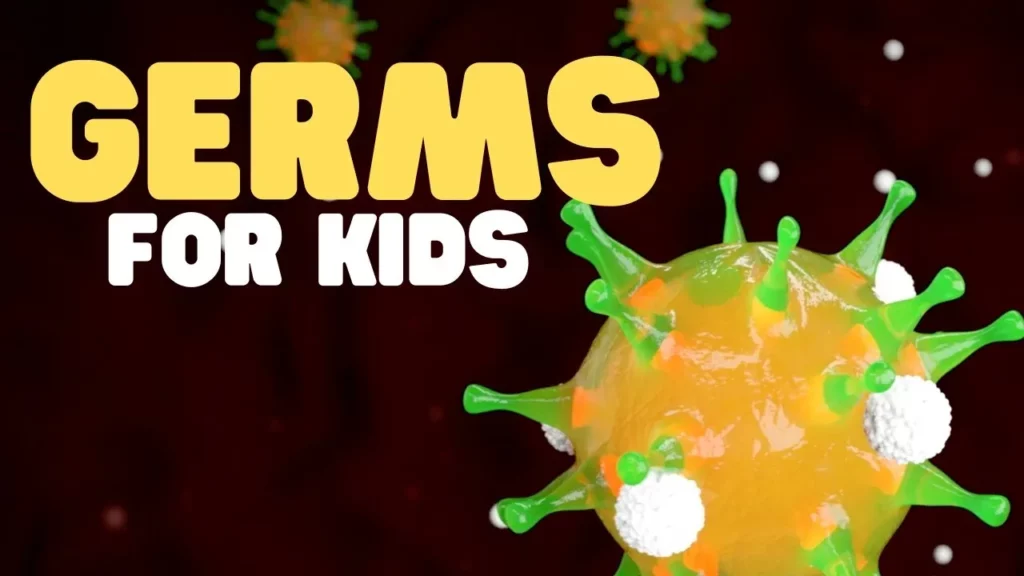
In this lesson, students learn about germs, which are tiny living organisms that can be both harmful and beneficial. The lesson introduces different types of germs—bacteria, viruses, fungi, and protozoa—and explains how they can cause illnesses, as well as the importance of hygiene practices like handwashing and vaccinations to stay healthy. By understanding germs and how they spread, students can take proactive steps to protect themselves and others from getting sick.
What Is Democracy for Kids | Democracy explained for students
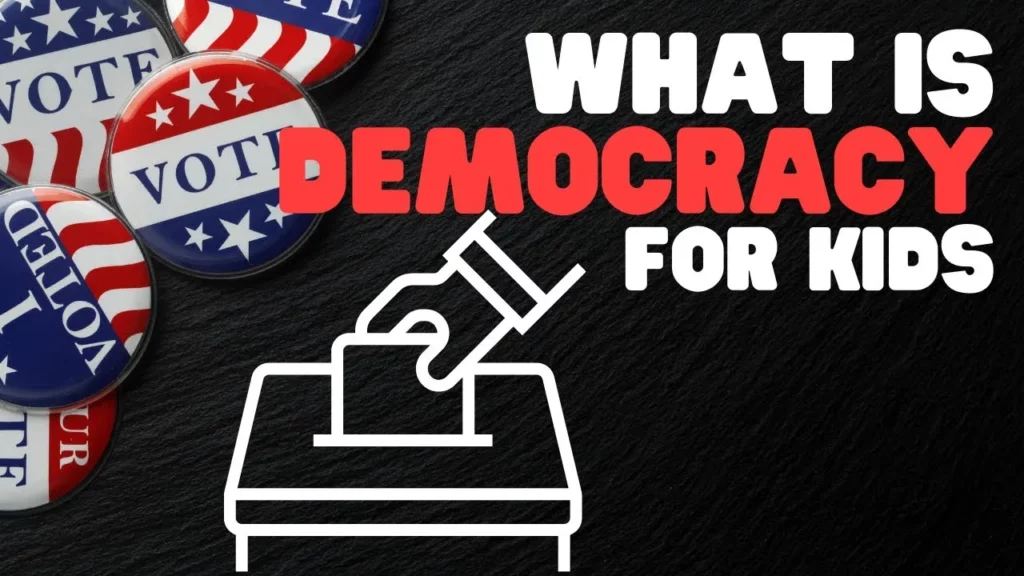
The lesson “What is Democracy for Kids?” explains the concept of democracy in a simple and relatable way, comparing it to making group decisions among friends. It highlights the importance of voting, the roles of citizens, and the characteristics of democracies, such as free elections and majority rule. The lesson emphasizes that democracy allows individuals to have a voice and participate in shaping their government, ultimately leading to greater freedoms and a better quality of life.
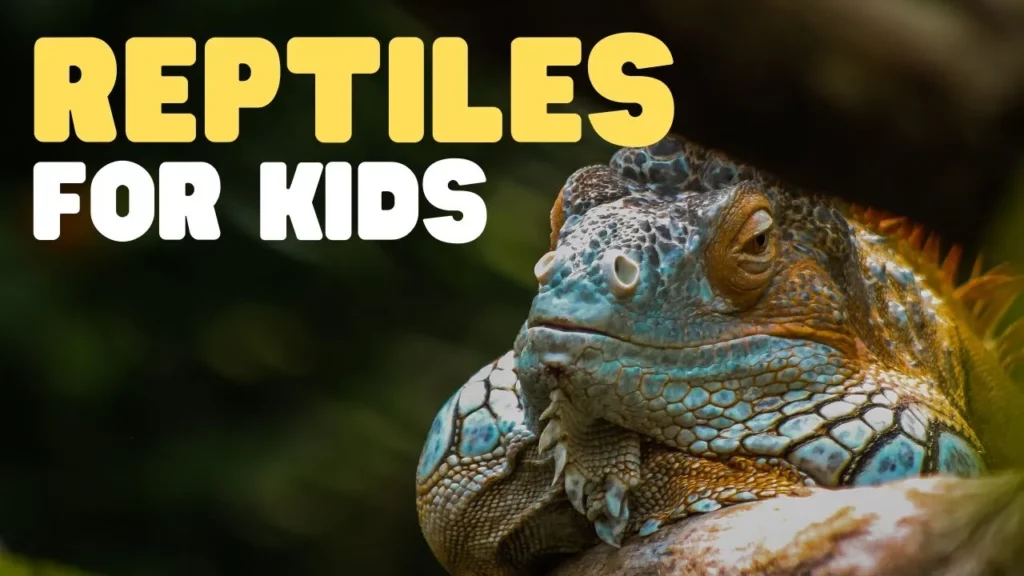
Reptiles for Kids | What is a reptile? Learn all about reptiles and their characteristics
The lesson emphasizes the critical role of data sanitization in ensuring that data is clean, reliable, and usable for analysis. It outlines the process of identifying and correcting errors, removing unnecessary elements, and validating data to enhance accuracy, efficiency, and security. Ultimately, mastering data sanitization techniques is essential for effective data management and informed decision-making in today’s digital landscape.
Alexander Graham Bell for Kids | Learn all about this famous inventor | Who invented the phone?
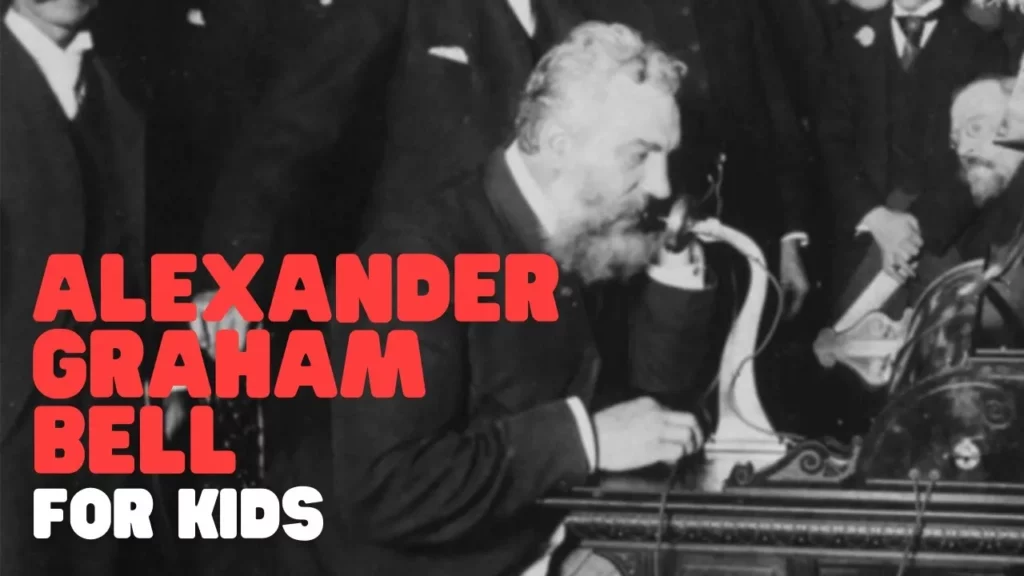
The lesson introduces Alexander Graham Bell as the inventor of the telephone, highlighting his early curiosity and innovative spirit that led to this groundbreaking invention in 1876. It discusses the challenges of communication before telephones, Bell’s perseverance in establishing his own company after initial rejection, and his contributions beyond the telephone, including devices that aided the deaf. Bell’s legacy is celebrated for its profound impact on communication, culminating in a moment of silence for him when he passed away, reflecting his significance in history.
Dinosaurs for Kids | Learn about Dinosaur History, Fossils, Dinosaur Extinction and more!
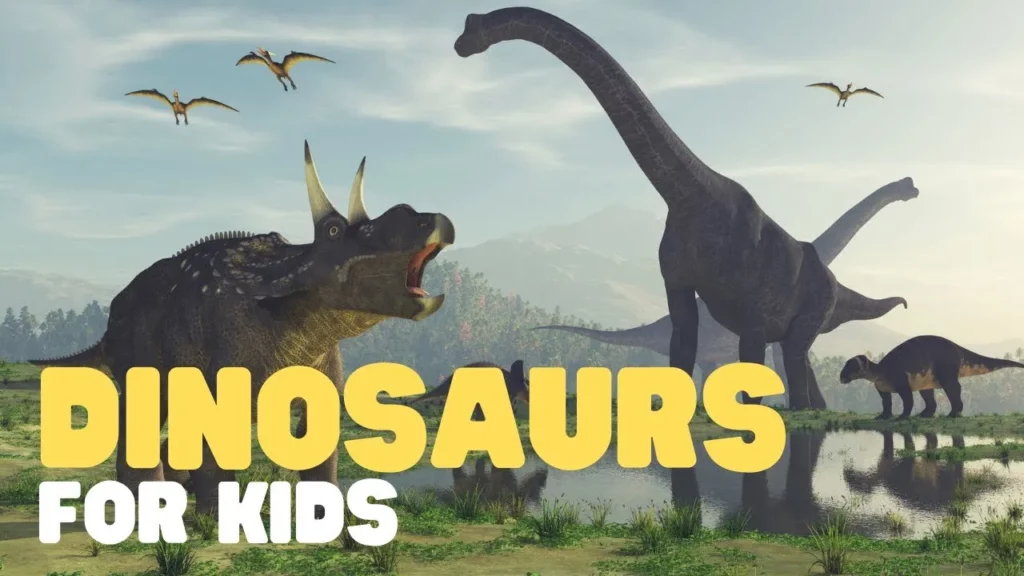
In the lesson “Discovering Dinosaurs: A Journey Back in Time,” students explore the fascinating world of dinosaurs, learning about their history, the role of paleontologists in uncovering fossils, and the characteristics of famous dinosaurs like the T-Rex and Triceratops. The lesson emphasizes the mystery of dinosaur extinction and encourages curiosity about ancient life, highlighting the ongoing adventure of discovering new species and understanding our planet’s past.
Who Are the Founding Fathers? | Founding Fathers for kids | Learn all about the Founding Fathers
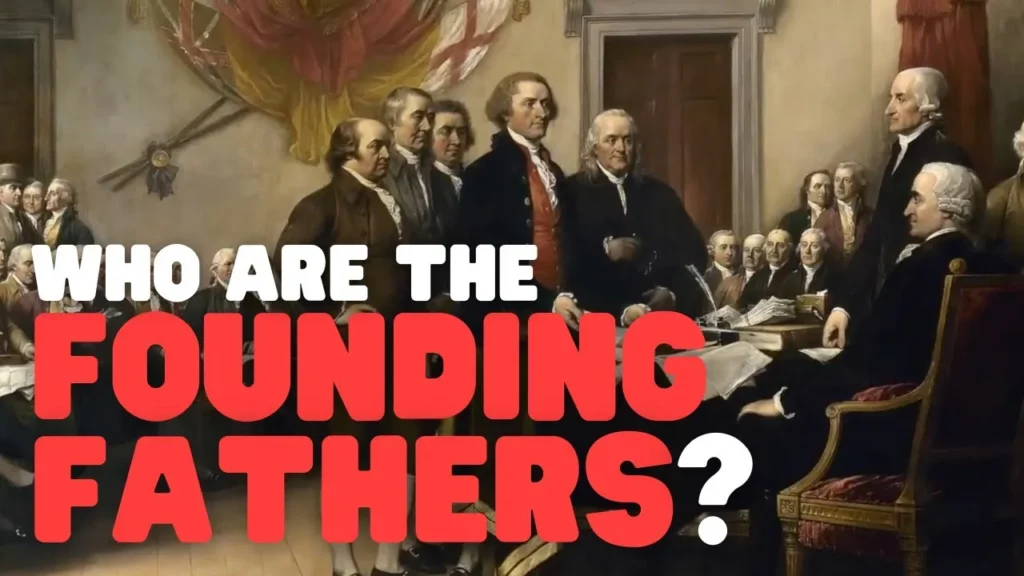
The lesson introduces America’s founding fathers—George Washington, Thomas Jefferson, John Adams, Benjamin Franklin, Alexander Hamilton, John Jay, and James Madison—who played crucial roles in establishing the United States. It highlights their contributions, including the writing of significant documents like the Declaration of Independence and the Federalist Papers, while also acknowledging their imperfections and the broader context of their actions. The lesson encourages reflection on what positive changes students might want to initiate if they were in a similar position of influence.
Albert Einstein for Kids | Lean all about Einsteins life and his major discoveries
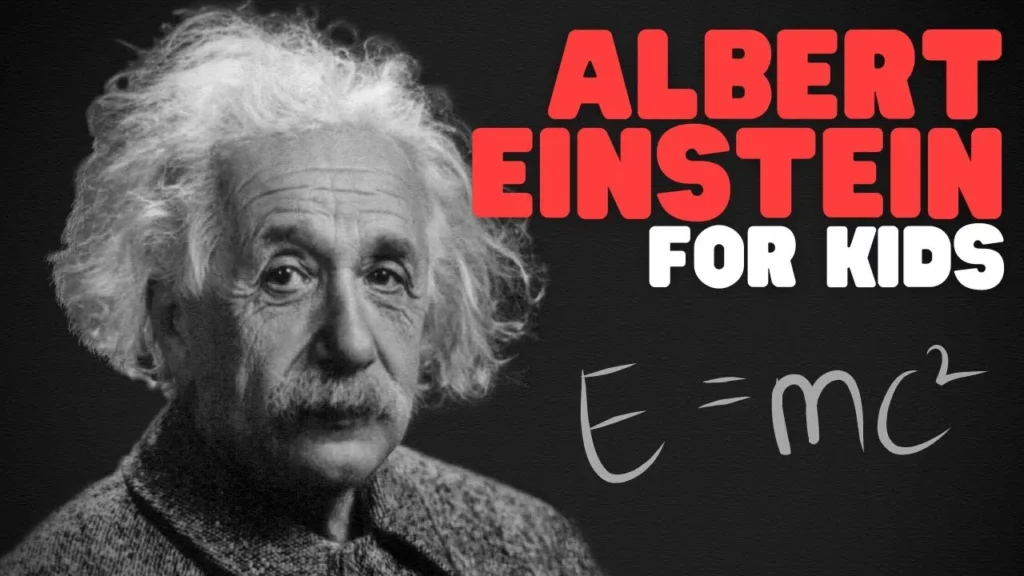
The lesson introduces Albert Einstein, highlighting his early struggles with learning and speech, which did not hinder his eventual rise as one of the most influential scientists in history. It covers his groundbreaking contributions, particularly the theory of relativity and the famous equation E = mc², as well as his personal life and legacy, emphasizing the importance of perseverance in the face of challenges. Ultimately, the lesson serves as an inspiring reminder that determination can lead to remarkable achievements, even for those who face difficulties in their early years.
Greek Mythology for Kids | What is mythology? Learn all about Greek mythology
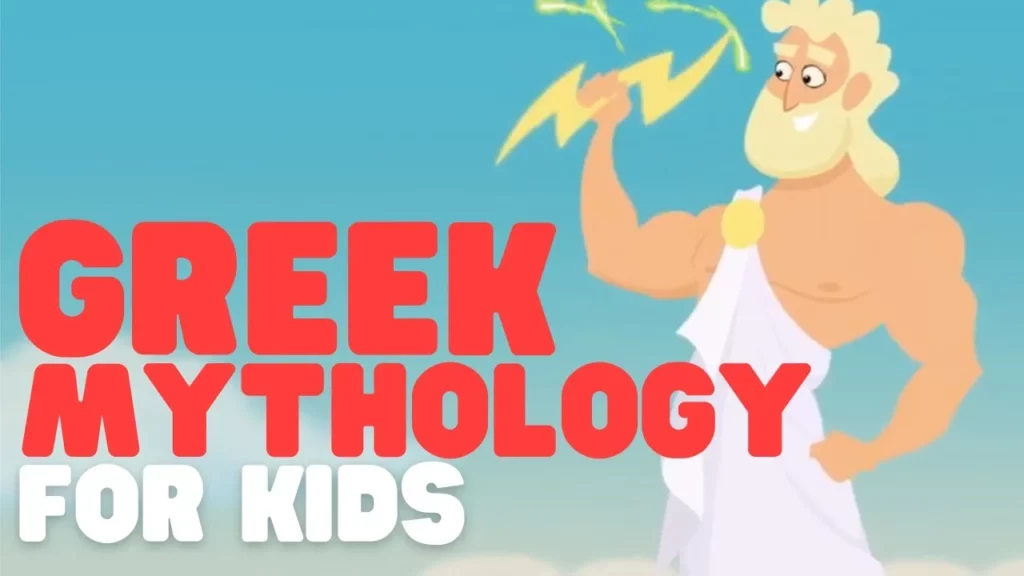
This lesson introduces Greek mythology, highlighting its significance in explaining natural phenomena through fictional stories about gods, goddesses, and mythical creatures. It explores key figures such as Zeus, Hades, and Aphrodite, as well as various legendary beings like centaurs and Medusa, emphasizing their complex personalities and roles in ancient Greek culture. By understanding these myths, students gain insight into the foundations of Western culture and the enduring impact of these ancient stories.