
Earthquakes and Tsunamis for Kids | A fun engaging introduction to Earthquakes and Tsunamis for Kids
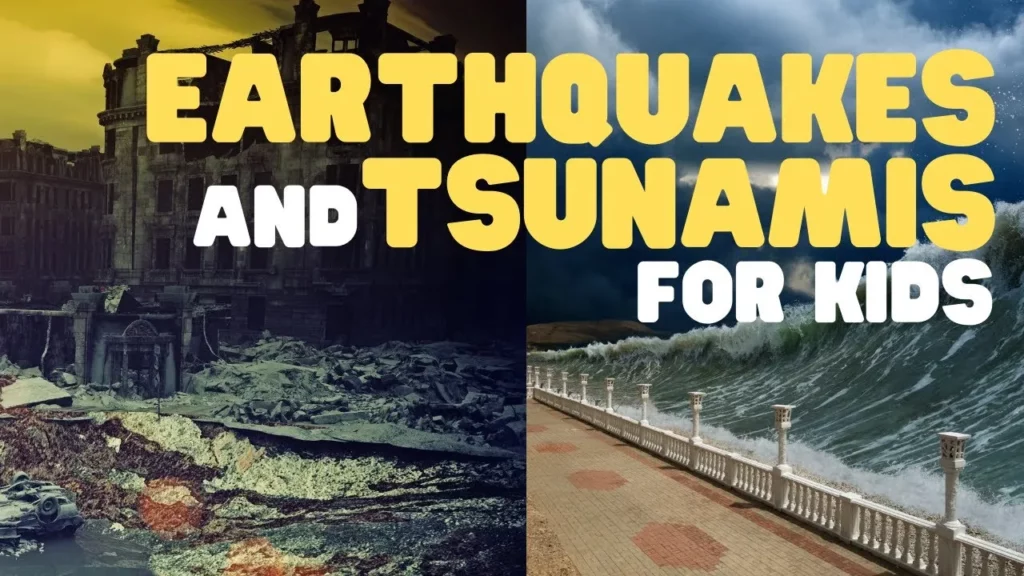
This lesson explores the causes and effects of earthquakes and tsunamis, highlighting how tectonic plate movements create vibrations in the Earth’s crust that can lead to significant geological events. It discusses the varying strengths of earthquakes, their potential to cause damage, and the dangers of tsunamis generated by underwater quakes. Additionally, the lesson emphasizes safety measures to take during an earthquake and encourages interest in geoscience for further understanding of these natural phenomena.
The Declaration of Independence For Kids | A Quick Crash Course on the Declaration
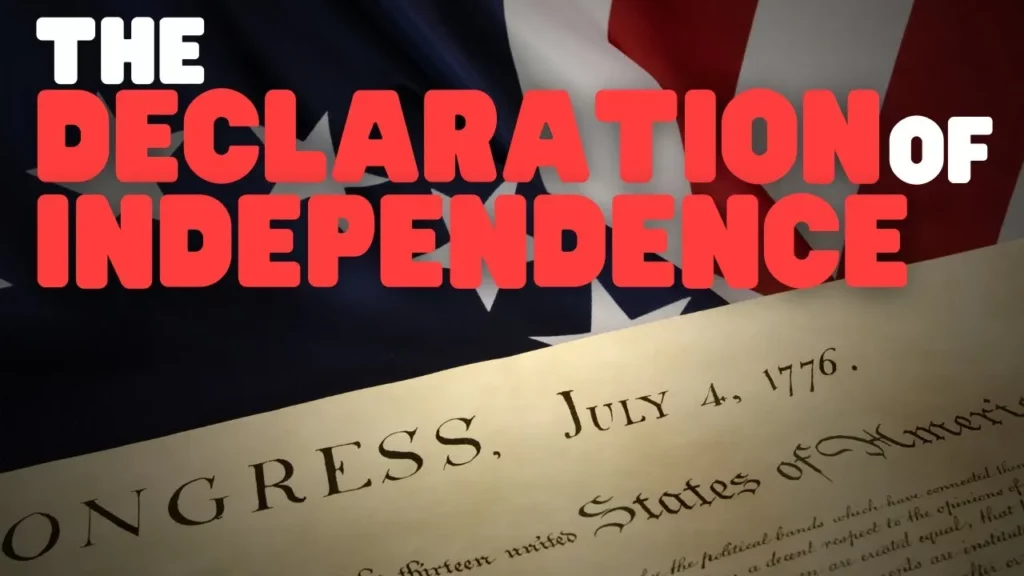
The lesson covers the establishment of Jamestown in 1607 as England’s first permanent settlement in North America and the subsequent growth of the thirteen colonies under British rule. It highlights the rising tensions between the colonists and the British government due to unfair laws and taxes, leading to protests like the Boston Tea Party and ultimately culminating in the American Revolutionary War. The lesson concludes with the adoption of the Declaration of Independence on July 4, 1776, which asserted the colonies’ desire for freedom and marked the birth of the United States.
Who Is Helen Keller for Kids | Learn about the life and accomplishments of Helen Keller
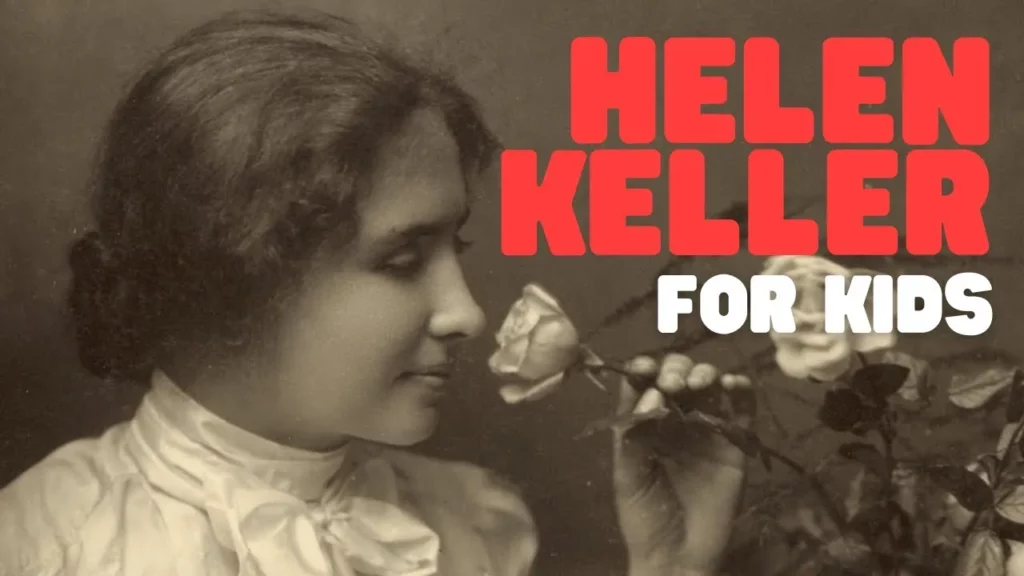
The lesson introduces Helen Keller, an extraordinary woman who became deaf and blind at 19 months old but went on to achieve remarkable accomplishments with the help of her teacher, Anne Sullivan. Through perseverance and innovative communication methods, Helen learned to read, write, and speak, eventually graduating from college and advocating for others with disabilities. Her life story serves as an inspiring reminder of the power of determination and support in overcoming challenges.
Rights and Responsibilities for Kids | What is the difference?
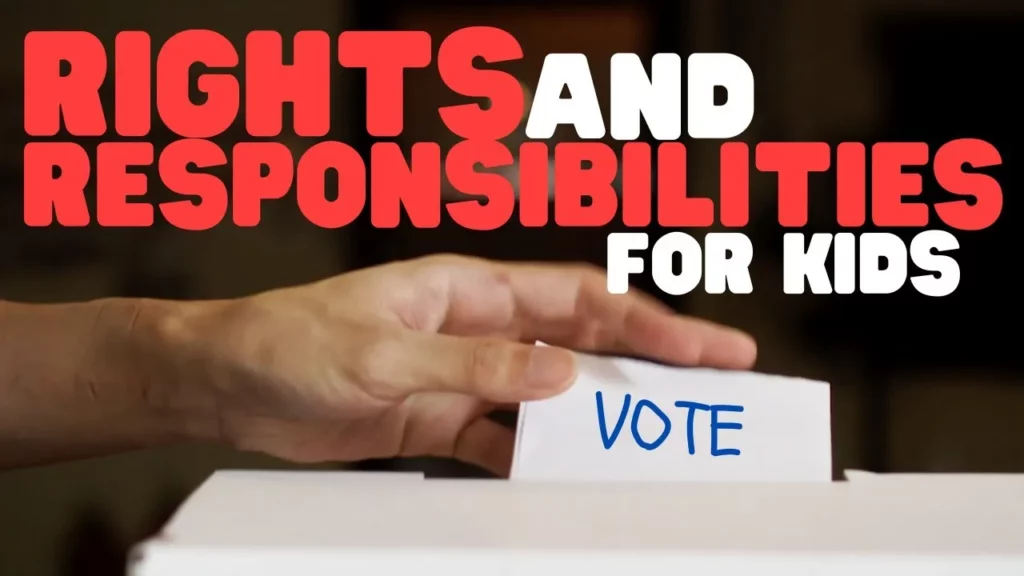
In this lesson, we explored the concepts of rights and responsibilities, emphasizing their importance in fostering a harmonious community. Rights are fundamental entitlements that everyone deserves, such as access to food and education, while responsibilities are actions we must take to care for ourselves and others. Understanding the interplay between rights and responsibilities empowers individuals to contribute positively to society and ensure that everyone can enjoy their rights.
Cells for Kids | Learn about cell structure and function in this engaging and fun intro to cells
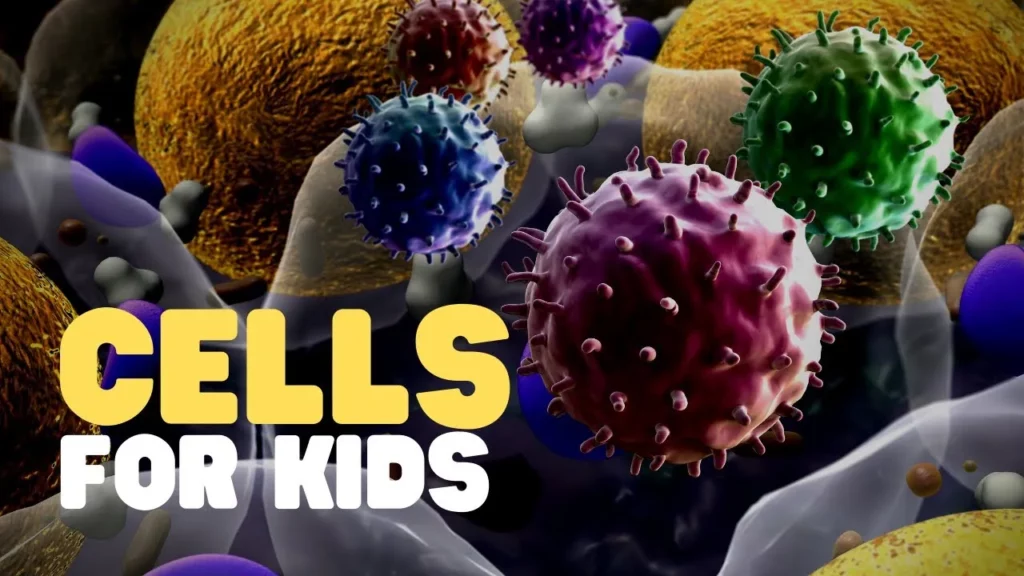
The lesson “Understanding Cells: The Building Blocks of Life” explains that all living organisms are composed of cells, which serve as the fundamental units of life. It highlights the differences between unicellular and multicellular organisms, the process of cell division, and the essential parts of both animal and plant cells, including their unique features. Additionally, the lesson emphasizes the importance of cells in growth, healing, and scientific advancements, such as stem cell research and the development of biodegradable materials.
ASL Gravity for Kids
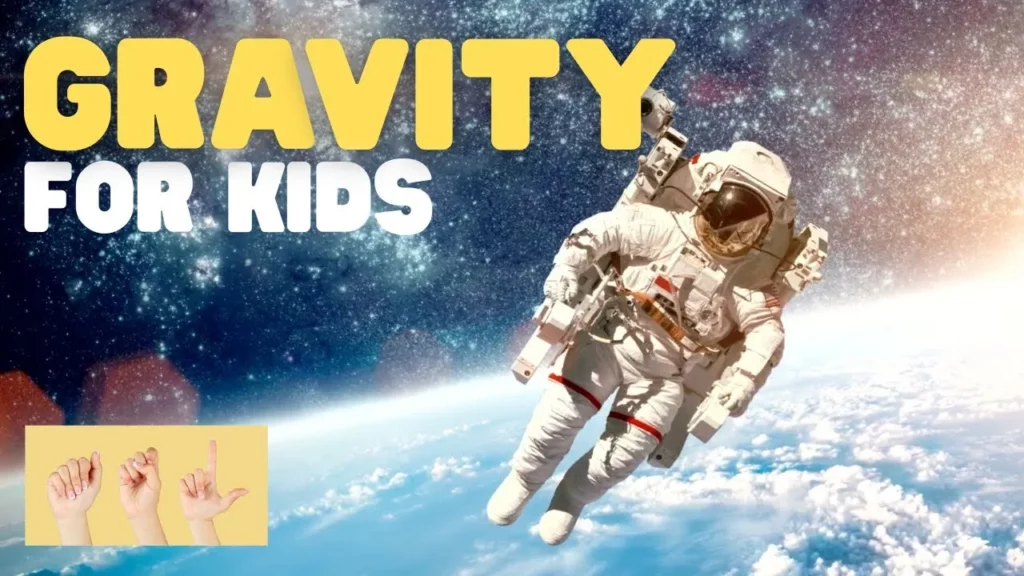
In this lesson, students explore the concept of gravity, a fundamental force that pulls objects toward the Earth and other celestial bodies, preventing them from floating away. They learn about the relationship between mass and gravity, how weight varies on different planets, and the role gravity plays in the solar system and on Earth, including its effects on tides and the atmosphere. The lesson also highlights the contributions of famous scientists like Sir Isaac Newton and Albert Einstein in understanding gravity, culminating in engaging activities to reinforce their knowledge.
What Is a Tornado? | How do tornados form? Tornados for kids
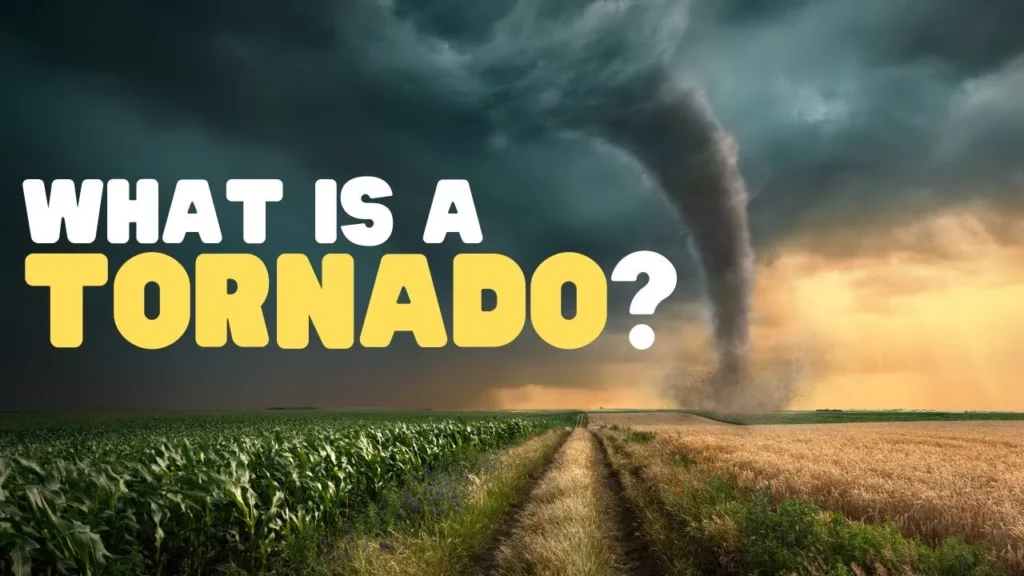
In this lesson, students explore the fascinating world of tornadoes, learning about their formation, characteristics, and the regions most affected by them, particularly Tornado Alley in the United States. The lesson also emphasizes the destructive power of tornadoes, how they are measured using the Enhanced Fujita scale, and the importance of safety precautions during tornado warnings. Through engaging stories and scientific explanations, learners gain a deeper understanding of these natural phenomena and their impact on the environment.
ASL Photosynthesis for Kids
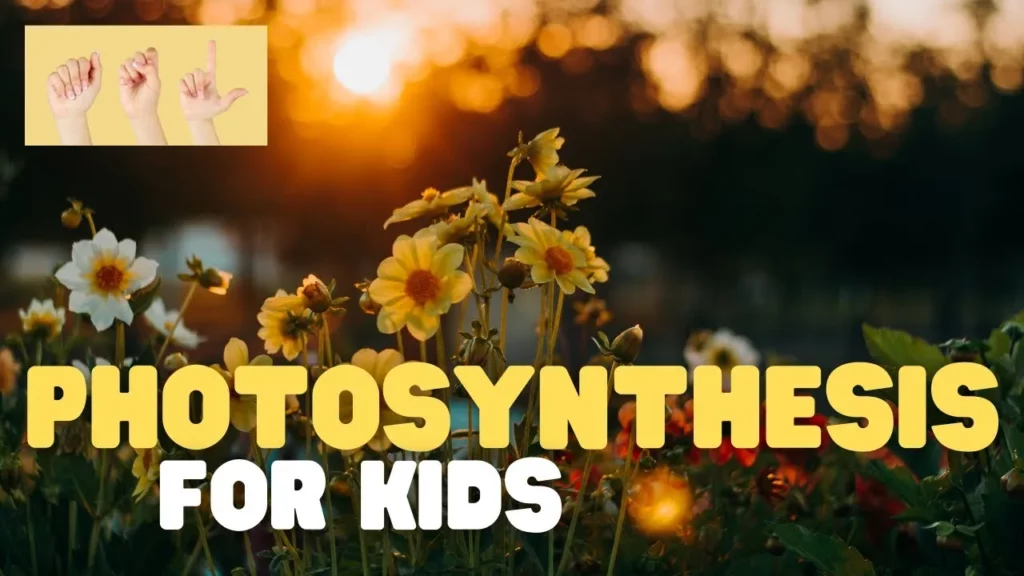
This lesson explains the process of photosynthesis, which allows plants, algae, and some bacteria to create their own food using light, carbon dioxide, and water. It highlights the role of chloroplasts and chlorophyll in leaves, the importance of this process for producing glucose and oxygen, and its vital contribution to maintaining life on Earth. Additionally, the lesson emphasizes the need to protect plants to ensure the continuation of photosynthesis and the health of our planet.
Newton’s Third Law of Motion | Newton’s Laws of Motion | Video for Kids
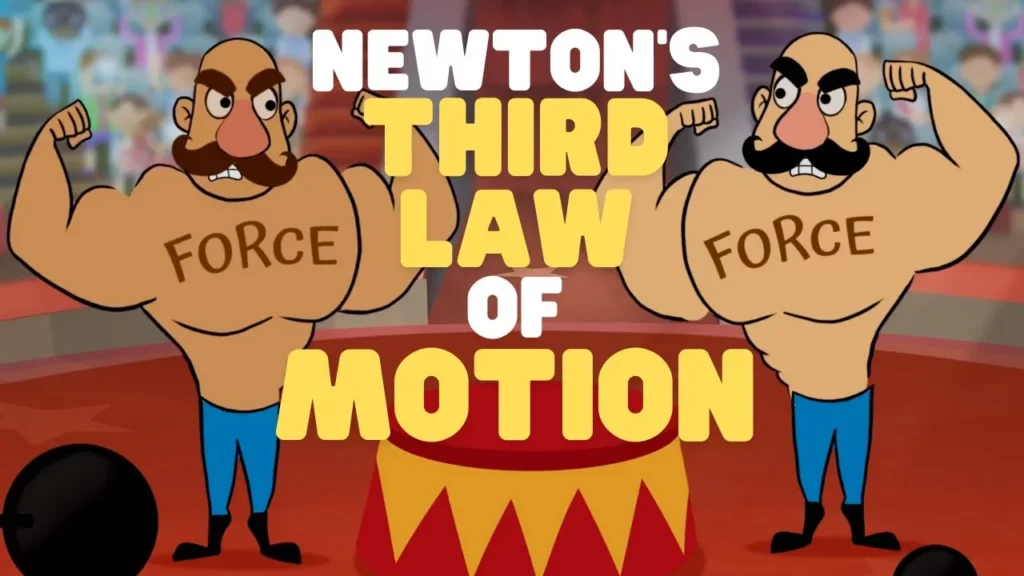
In this lesson, we explore Newton’s third law of motion, which states that for every action, there is an equal and opposite reaction, meaning forces always occur in pairs. Through engaging examples like rocket launches, cannon firing, boxing, and moving heavy furniture, we see how this principle applies to everyday situations, illustrating the fundamental interactions of forces in our world. Understanding this law enhances our comprehension of motion and the mechanics behind various activities we encounter daily.
ASL What Are Compound Words?
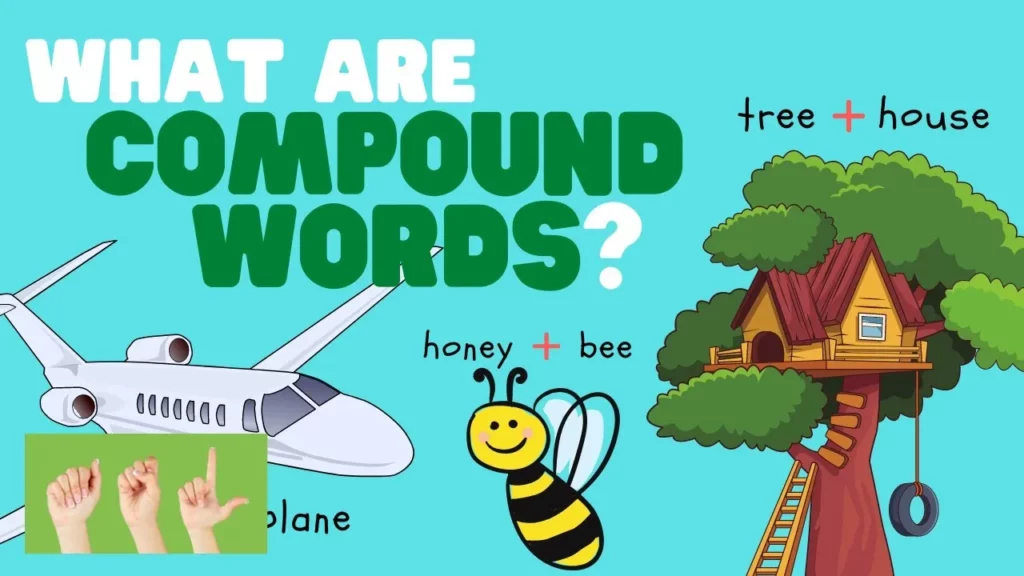
In today’s lesson, we explored the concept of compound words, which are formed by combining two or more smaller words to create a new word with a distinct meaning. We learned to identify the three types of compound words—closed, open, and hyphenated—and practiced recognizing them in sentences. By breaking down compound words into their individual components, we can better understand their meanings and improve our vocabulary skills.