
ASL Who Was Rosie the Riveter? for Kids
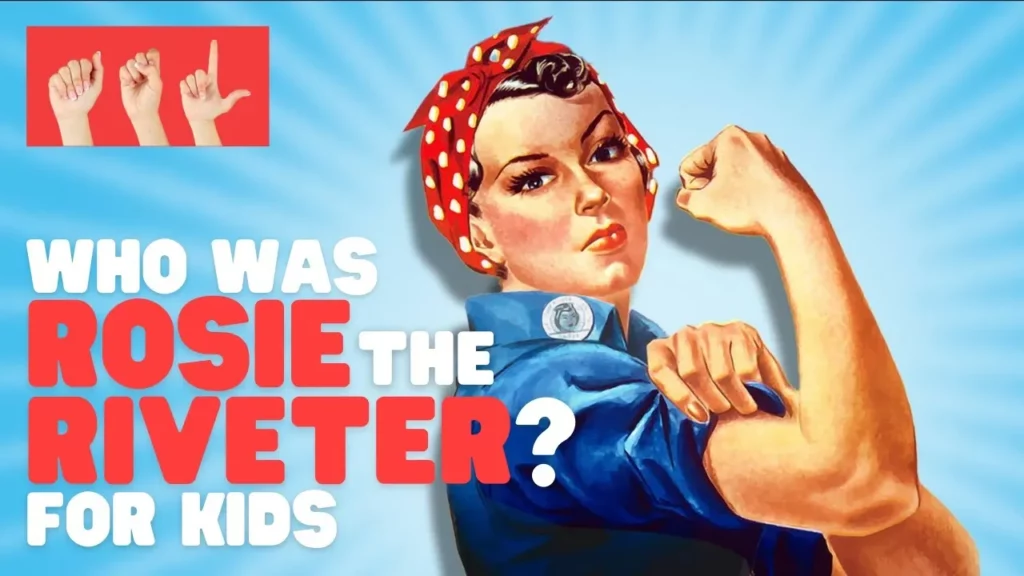
The lesson on Rosie the Riveter explores her significance as a symbol of women’s empowerment during World War II, highlighting how women stepped into factory roles, such as riveting, to support the war effort while men were away. The iconic “We Can Do It!” poster, created in 1942, became emblematic of this movement and women’s rights, inspiring future generations to pursue equality and break traditional gender roles. Ultimately, Rosie represents strength, perseverance, and the vital contributions of women in the workforce.
ASL Extinct and Endangered Animals for Kids
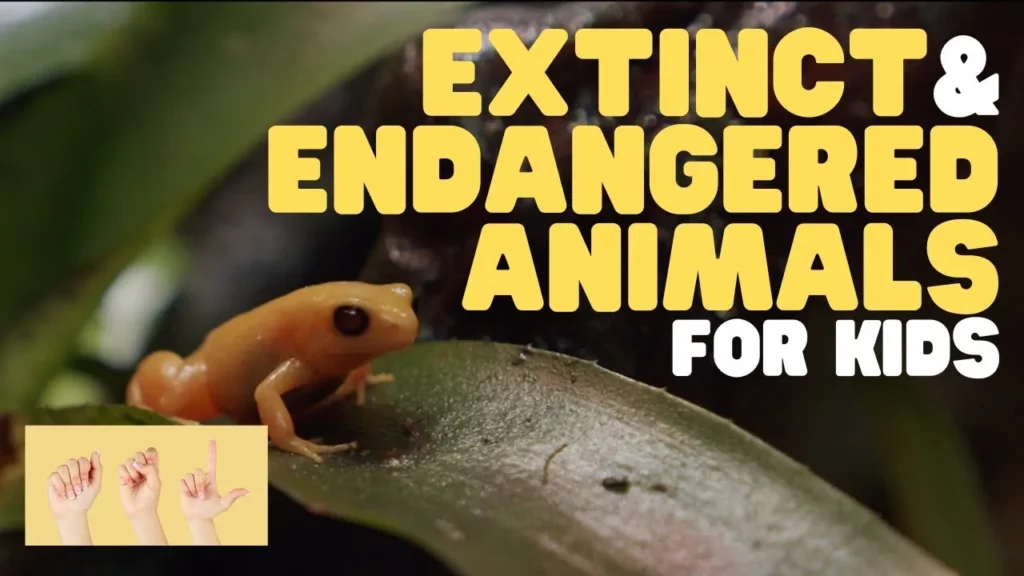
In this lesson, students explored the concepts of extinct and endangered animals, learning that extinction means a species no longer exists, as seen with dinosaurs, while endangered species, like giant pandas, are at risk of extinction. The lesson highlighted the natural and human causes of extinction and emphasized the importance of protecting endangered animals through simple actions like recycling and habitat conservation. Ultimately, students were encouraged to take an active role in helping to preserve wildlife and make a positive impact on the planet.
Adding and Subtracting Money | With Fun Activities for Kids

In this lesson, students learn how to add and subtract money by understanding the value of different coins and dollars, represented in decimal form. They practice addition and subtraction with examples, such as calculating totals and determining remaining amounts after purchases, emphasizing the importance of mastering these skills for everyday financial situations. Through practice, students will become proficient in handling money-related math problems.
ASL Magnets for Kids
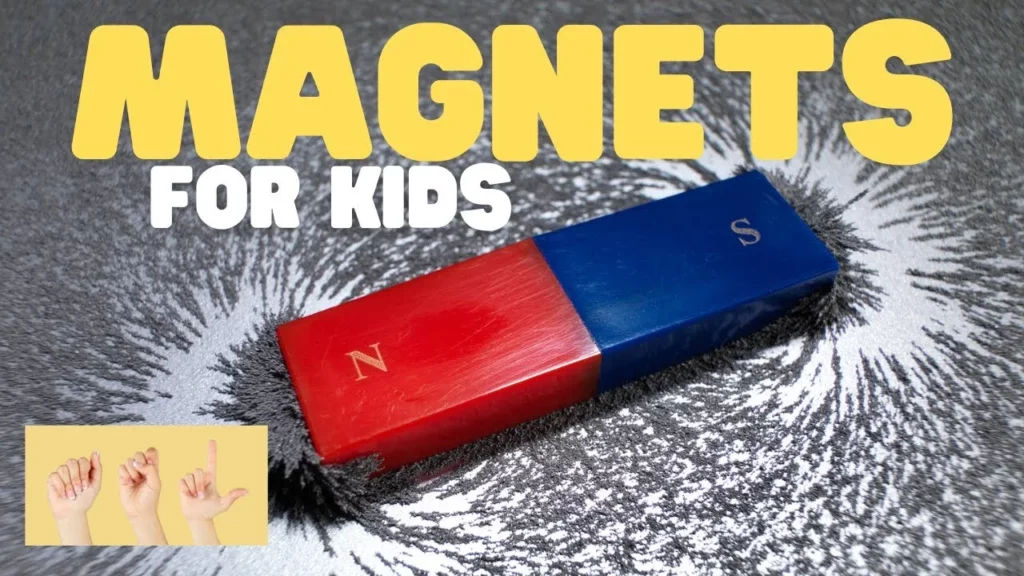
In this lesson, students learn about magnets, including their composition, how they work, and the different types: temporary, permanent, and electromagnets. The lesson also covers magnetic poles, the concept of attraction and repulsion, and the various applications of magnets in everyday life, such as in electronics and medical equipment. Additionally, it highlights the Earth’s magnetic field and encourages students to recognize the presence of magnets in their surroundings.
Graphic Organizers For Kids | Learn some ways to organize information
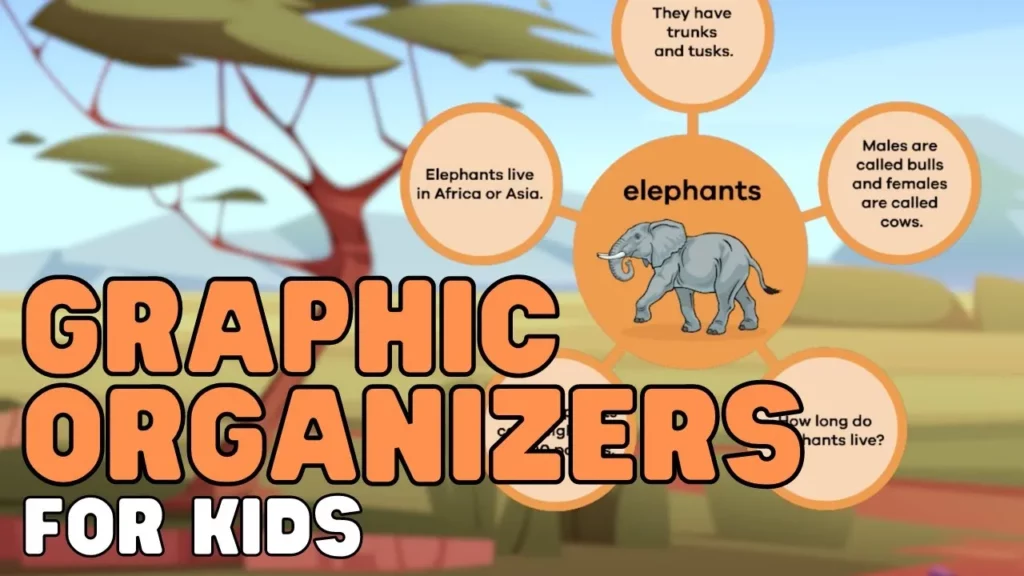
In this lesson, students are introduced to graphic organizers, which are visual tools designed to help organize thoughts and ideas in an engaging way. Various types of graphic organizers, such as Venn diagrams, circle maps, and sequence charts, are explored, each serving a unique purpose to enhance understanding and retention of information. The lesson encourages students to choose their favorite organizer to make studying more enjoyable and effective.
ASL Landforms for Kids
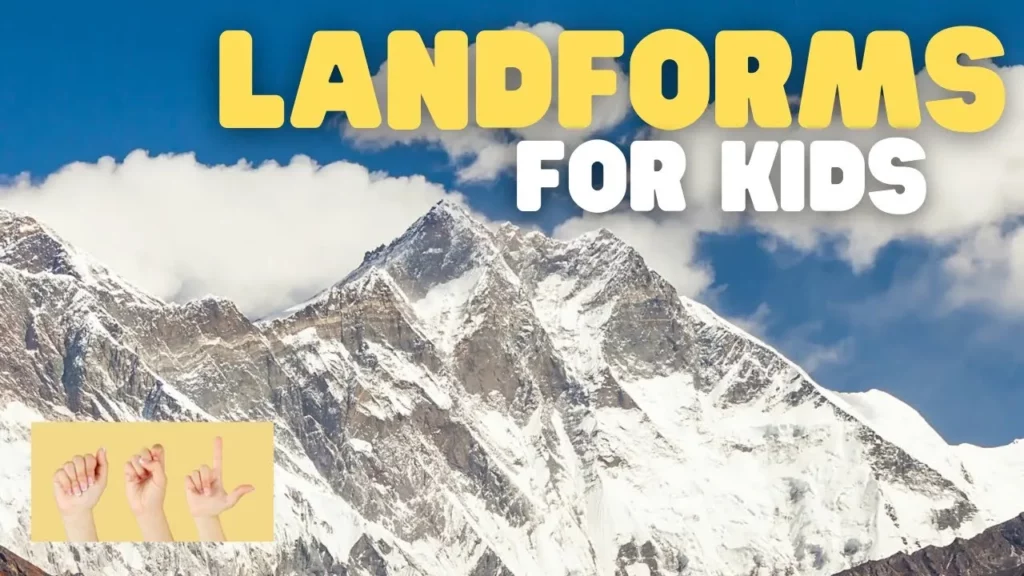
The lesson “Discovering Landforms” introduces students to various types of landforms, including mountains, hills, plateaus, and plains, explaining their formation processes and characteristics. It highlights how these features are shaped by natural forces over millions of years and encourages students to observe and appreciate the landforms in their environment. Through engaging activities, learners can test their knowledge and deepen their understanding of Earth’s surface features.
ASL Adjectives for Kids
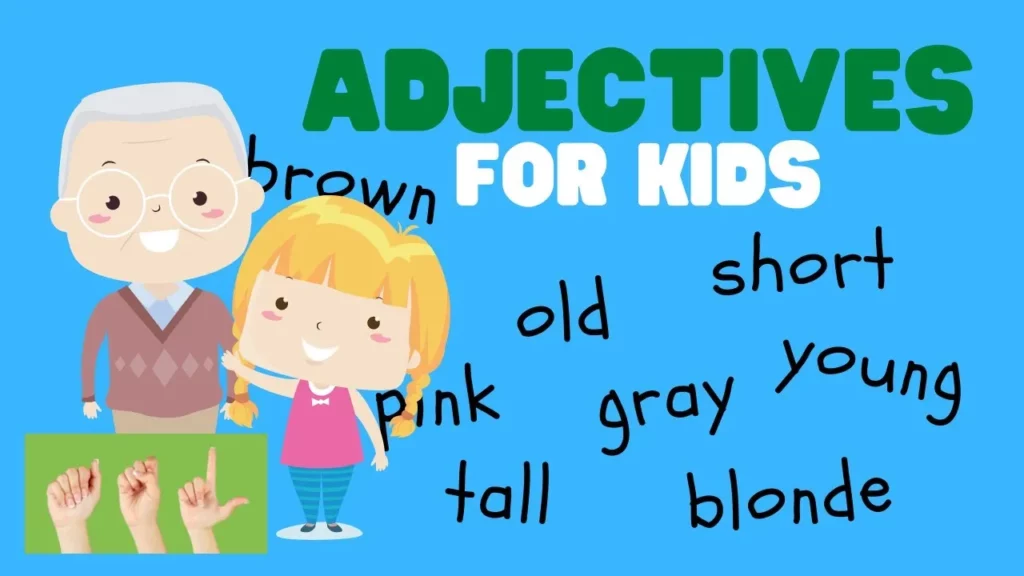
In this lesson, kids learn about adjectives, which are special words that describe nouns and enhance our understanding of people, places, and things. By using examples like “tall boy” and “hungry dog,” the lesson illustrates how adjectives add detail and make language more interesting. The character Addy Adjective helps reinforce the concept, encouraging kids to identify and use adjectives in their everyday descriptions.
ASL Habitats for Kids
In the lesson “Discovering Habitats: Our Amazing Earth,” students learn that all living things share a commonality: they inhabit specific environments known as habitats, which provide the necessary resources for survival. The lesson explores various types of habitats, including grasslands, deserts, forests, mountains, polar regions, and water habitats, highlighting the unique characteristics and wildlife found in each. Students are encouraged to recognize and appreciate the diverse habitats around them, reinforcing the idea that habitats can range from vast oceans to small spaces like under a rock.
ASL Atoms for Kids
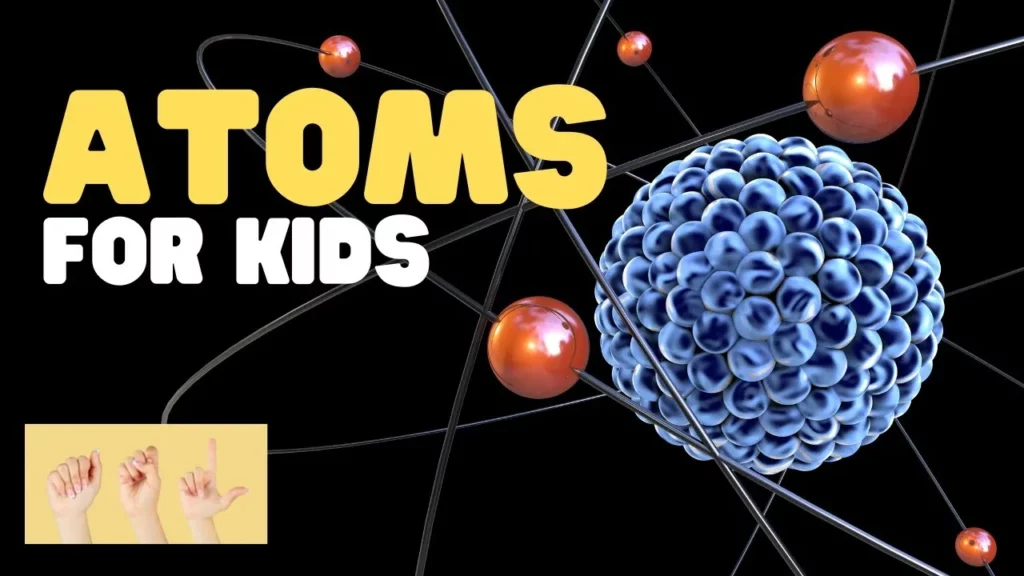
In this lesson, students learn that everything in the universe is composed of tiny particles called atoms, which serve as the fundamental building blocks of matter. Atoms consist of protons, neutrons, and electrons, and they combine to form elements and molecules, creating the diverse materials and substances we encounter in our daily lives. The lesson emphasizes the significance of atoms in understanding the composition of the universe and encourages curiosity about the microscopic world.
ASL Nouns for Kids
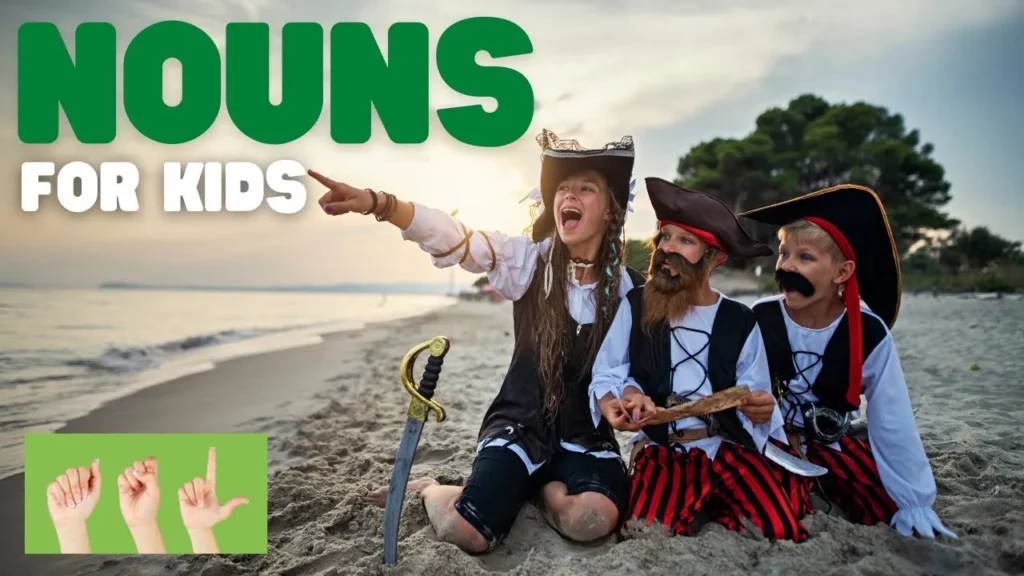
In this lesson, we learned about nouns, which are words that name people, places, and things. We explored different types of nouns, including common nouns (like “kid” and “school”) and proper nouns (like “Emma” and “Main Street”), and practiced identifying them in sentences. Understanding nouns helps us describe the world around us and enhances our communication skills.