
ASL Leonardo da Vinci for Kids
The lesson introduces Leonardo da Vinci, a renowned artist and inventor from the Renaissance period, highlighting his early life, education, and significant contributions to art and science. It emphasizes his famous works, such as the Mona Lisa and The Last Supper, as well as his innovative ideas documented in over 20,000 pages of notes. The lesson concludes by celebrating Leonardo’s lasting impact on art, engineering, and our understanding of the human body.
ASL Absolute Value for 6th Grade
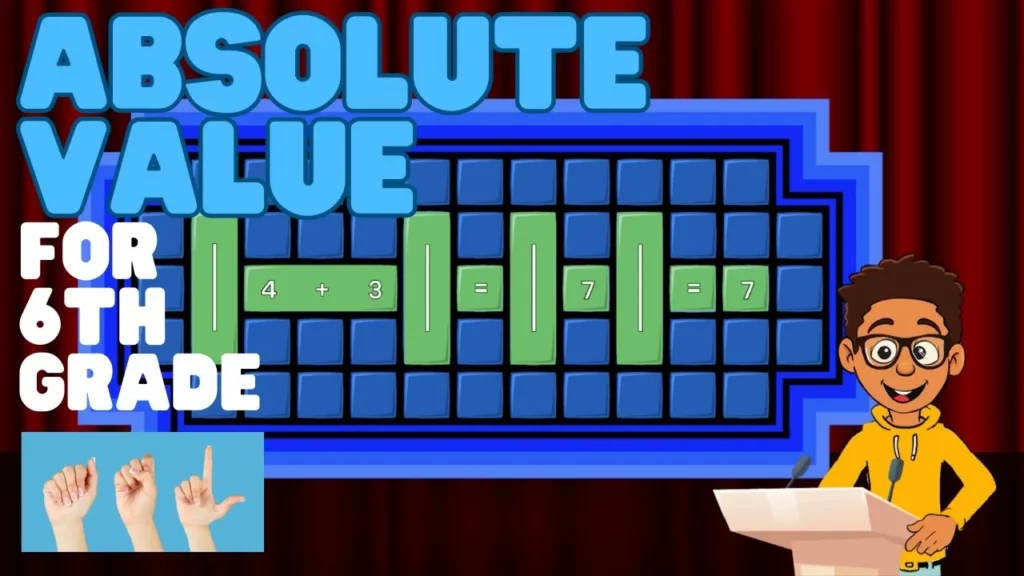
The lesson on absolute value explains that it represents the distance of a number from zero on a number line, regardless of its sign. Key points include that every number except zero has an absolute value, and the position of negative signs is significant when determining the value. The lesson also illustrates practical applications of absolute value in real-life scenarios and provides examples of solving equations involving absolute values.
How to Calculate Area | Learn how to calculate area and apply it in the real world
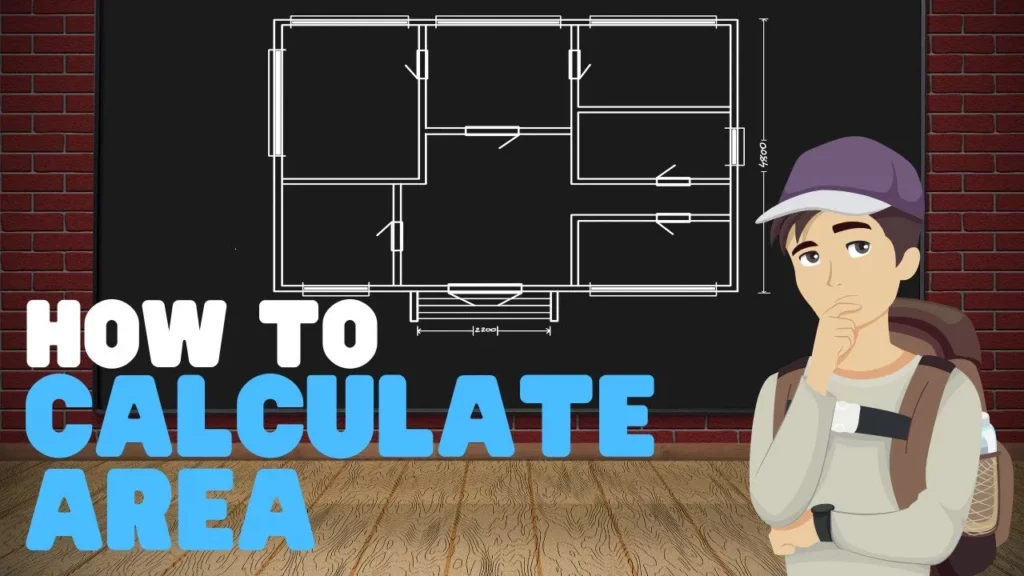
In today’s lesson, we explored the concept of area, which measures the space inside a shape, as opposed to perimeter, which measures the distance around it. We learned how to calculate area using square units, such as square inches, square feet, and square yards, and discussed practical applications of area in real life, like carpeting a room or building a playground. By understanding different shapes and their area formulas, students can confidently calculate area for various applications.
ASL How to Calculate Perimeter

In this lesson, we explored the concepts of area and perimeter, which are essential for understanding the dimensions of shapes. The perimeter is the total distance around a shape, while the area represents the space contained within it. We learned how to calculate both for rectangles and squares, as well as how to approach irregular shapes by breaking them down into smaller components.
ASL Oceans of the World
The lesson “The Amazing World of Oceans” explores the vastness and significance of Earth’s oceans, which cover over 72% of the planet. It highlights the five major oceans—Pacific, Atlantic, Indian, Southern, and Arctic—each with unique characteristics and ecosystems. Additionally, the lesson emphasizes the importance of protecting these vital waters from pollution to ensure the health of marine life and the enjoyment of future generations.
ASL What Is a Tornado?
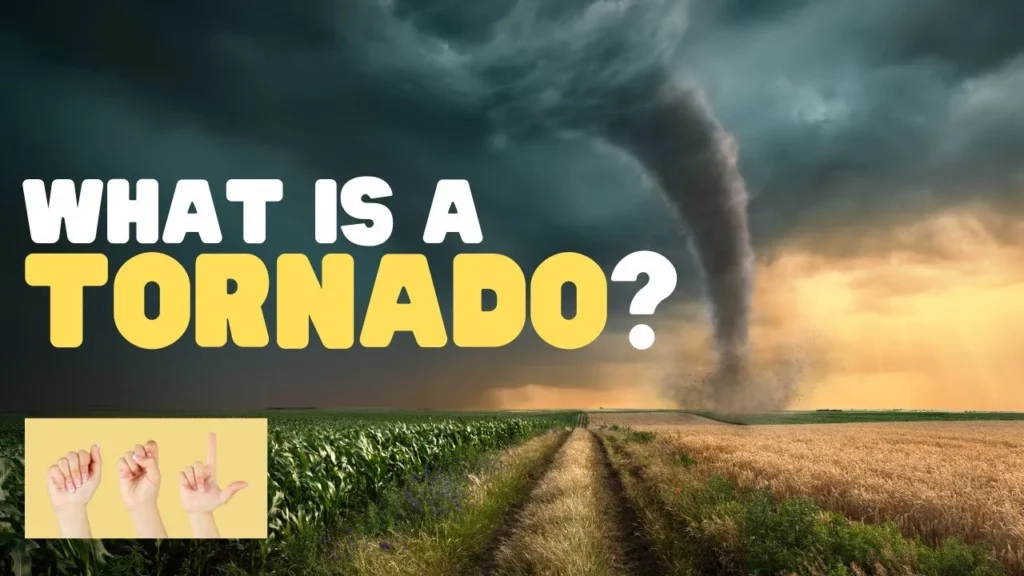
This lesson explores the fascinating and powerful phenomenon of tornadoes, detailing their formation, characteristics, and the destruction they can cause. It explains how tornadoes develop from specific weather conditions and provides safety tips for recognizing warning signs and seeking shelter. Additionally, the lesson highlights interesting facts about tornadoes, including their classification based on damage severity using the Enhanced Fujita Scale.
ASL Idioms for Kids
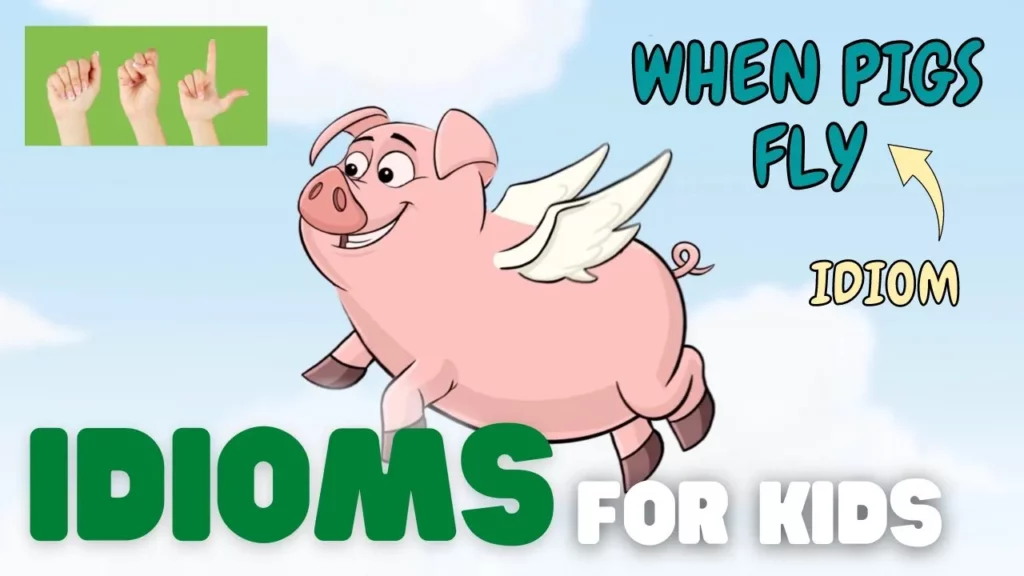
In this lesson, students are introduced to idioms, which are phrases that convey meanings different from their literal interpretations, and are a key component of figurative language. The lesson highlights the fun and colorful nature of idioms, provides examples, and encourages students to explore idioms in various contexts, such as songs and books, while also noting that idioms can vary across cultures. Overall, the lesson aims to enhance understanding and appreciation of idiomatic expressions in everyday language.
ASL Verbs for Kids
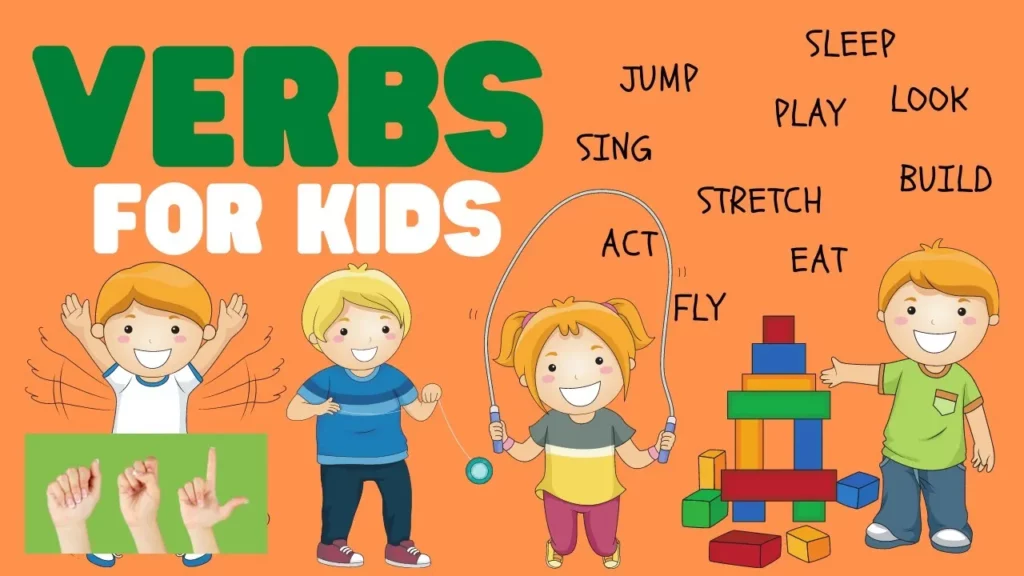
In this lesson, students are introduced to verbs, which are action words that describe what someone or something is doing. Through engaging activities like running in place, singing, and walking, learners identify verbs in action and understand their role in sentences, including the use of helping verbs to indicate tense. The lesson encourages students to explore and recognize verbs in their daily lives, emphasizing the fun and importance of these action words.
ASL Animal Behavior for Kids
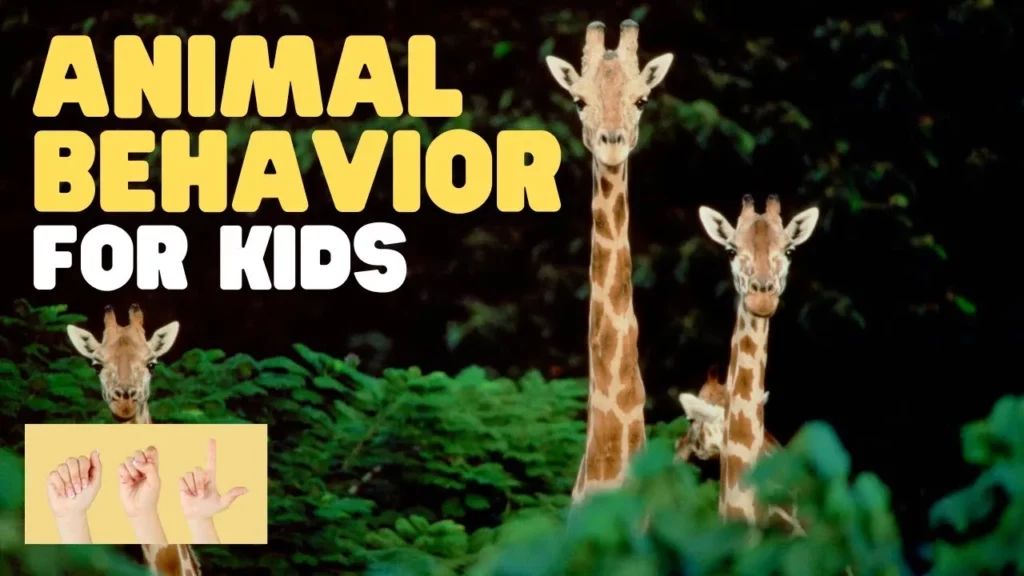
The lesson on “Understanding Animal Behavior” explores the ways animals interact with their environment and each other, categorizing behaviors into innate and learned types. Innate behaviors are instinctual and occur naturally, while learned behaviors develop through experience and teaching. By studying these behaviors, we gain insight into the diverse ways animals and humans navigate their worlds.
ASL Cardinal Directions for Kids
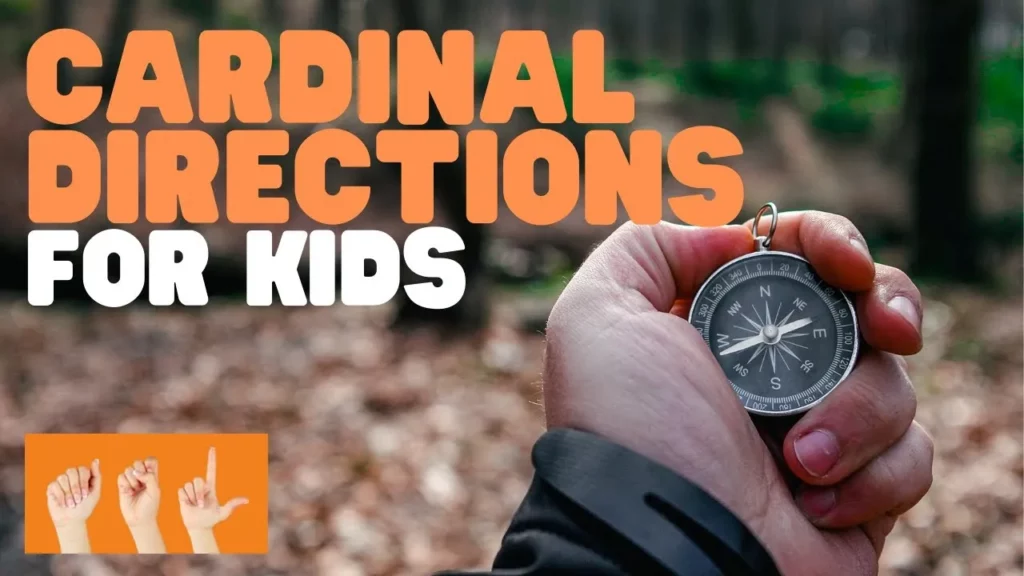
In this lesson, students learn about cardinal directions—North, East, South, and West—and their importance in navigation and geography. By using tools like maps and GPS systems, learners can effectively describe locations and understand how to find their way around. The lesson also includes practical exercises to reinforce direction skills, emphasizing the mnemonic “Never Eat Soggy Waffles” to help remember the order of the cardinal directions.