
ASL Rainforests for Kids
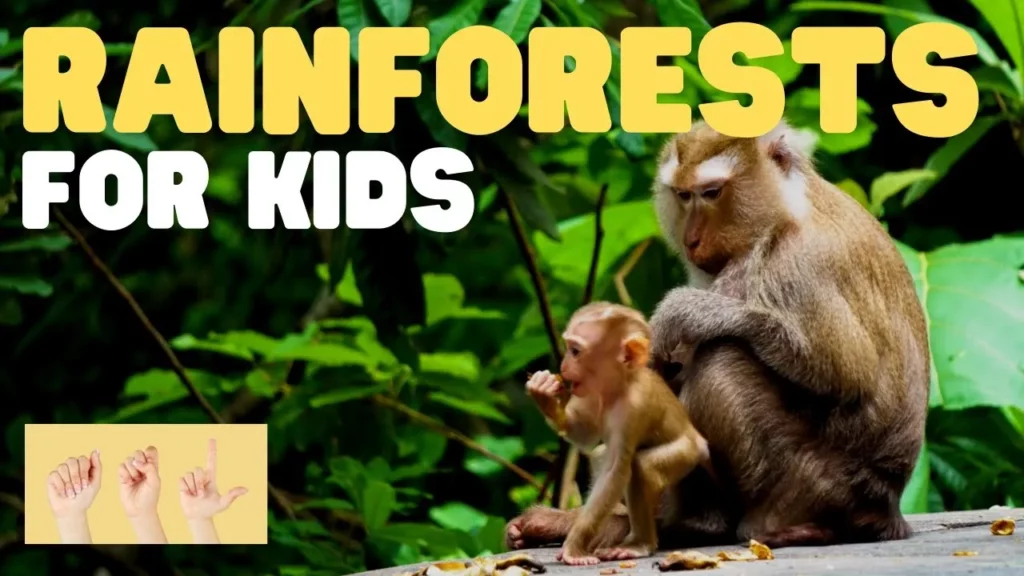
The lesson on rainforests highlights their significance as vital ecosystems that, despite covering less than three percent of the Earth’s surface, house over half of the world’s animal species and produce a substantial portion of the planet’s oxygen. It explores the two main types of rainforests—tropical and temperate—and describes their four distinct layers, each teeming with unique wildlife. Additionally, the lesson emphasizes the importance of rainforests in providing everyday products and their role in maintaining ecological balance, while also addressing the challenges faced by indigenous communities and the environment.
ASL Easter Facts for Kids

The lesson on “Celebrating Easter” explores the significance of Easter as both a religious and non-religious holiday, highlighting its origins in Christianity with the celebration of the Resurrection of Jesus Christ and the traditions associated with Lent and Holy Week. Additionally, it discusses various fun, secular activities such as Easter egg hunts and family gatherings that mark the arrival of spring. Ultimately, the lesson emphasizes the importance of traditions in bringing people together, regardless of how they choose to celebrate.
Adding and Subtracting | Learn the basics of Addition and Subtraction and Keywords to look for
In today’s lesson, we learned how to add and subtract money through engaging word problems. We explored addition by combining amounts, such as finding the total when you have $1.12 and $3.06, and practiced subtraction by determining how much money remains after a purchase, like spending $2.42 from $5.67. By identifying key words in problems, we can effectively apply these skills to real-life situations, making math both practical and fun!
ASL Cause and Effect for Kids
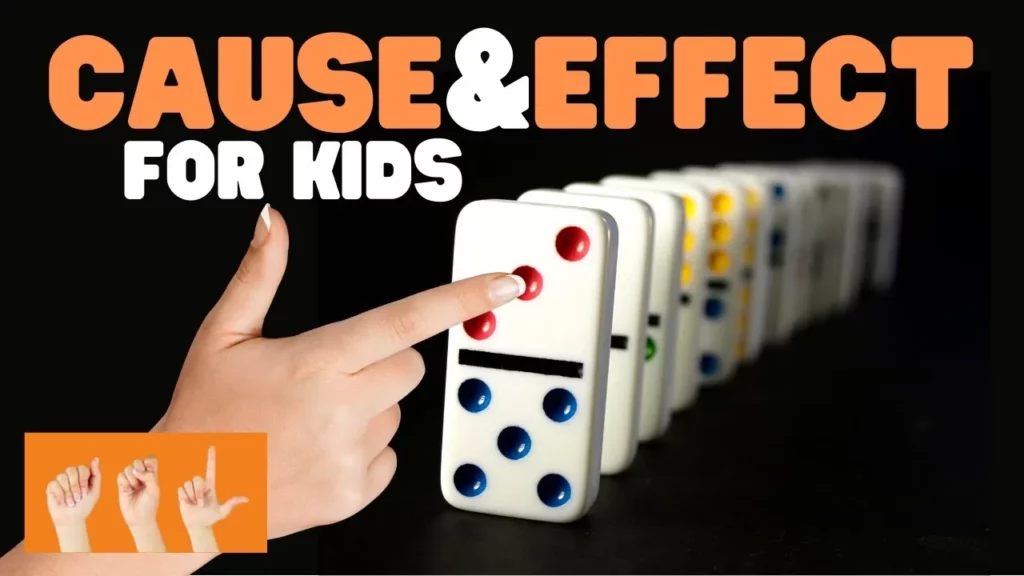
The lesson on “Understanding Cause and Effect” explains the relationship between actions and their outcomes, illustrating how one event (the cause) leads to another event (the effect). Through everyday examples and scenarios, such as setting an alarm or studying for a test, students learn to identify and analyze cause-and-effect relationships in both real life and stories. Recognizing these connections enhances comprehension and prediction skills in reading and everyday decision-making.
ASL Bees and Wasps for Kids
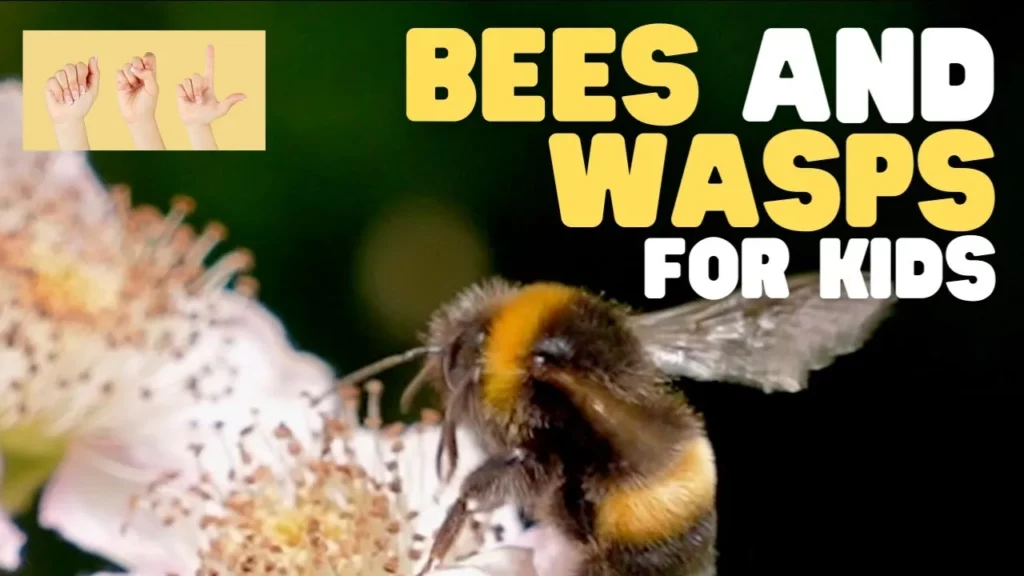
In this lesson, students explored the fascinating world of bees and wasps, learning about their physical differences, diets, and roles in the environment. Bees are fuzzy and primarily pollinate flowers, while wasps have slim bodies and are hunters that also contribute to pest control. The lesson emphasized the importance of these insects for ecological balance and highlighted the threats they face, encouraging actions to support their populations.
ASL Acids and Bases for Kids
In this lesson, students explored the world of acids and bases through the examples of lemon juice and almond milk. They learned that acids, like lemon juice, are sour and have a pH between 0 and 7, while bases, such as almond milk, are bitter and have a pH between 7 and 14. The lesson also covered the pH scale, the concept of neutralization, and how to test for acids and bases using litmus paper.
ASL Comets, Asteroids, and Meteors for Kids
In this lesson, students explore the fascinating world of space rocks, including asteroids, comets, and meteors. Asteroids are large rocky bodies found mainly in the asteroid belt, while comets are icy objects known for their glowing tails when they approach the Sun. Meteors, often referred to as shooting stars, are small fragments that burn up in Earth’s atmosphere, and if they survive the journey, they become meteorites that scientists study to learn more about the universe.
ASL Climate Zones for Kids
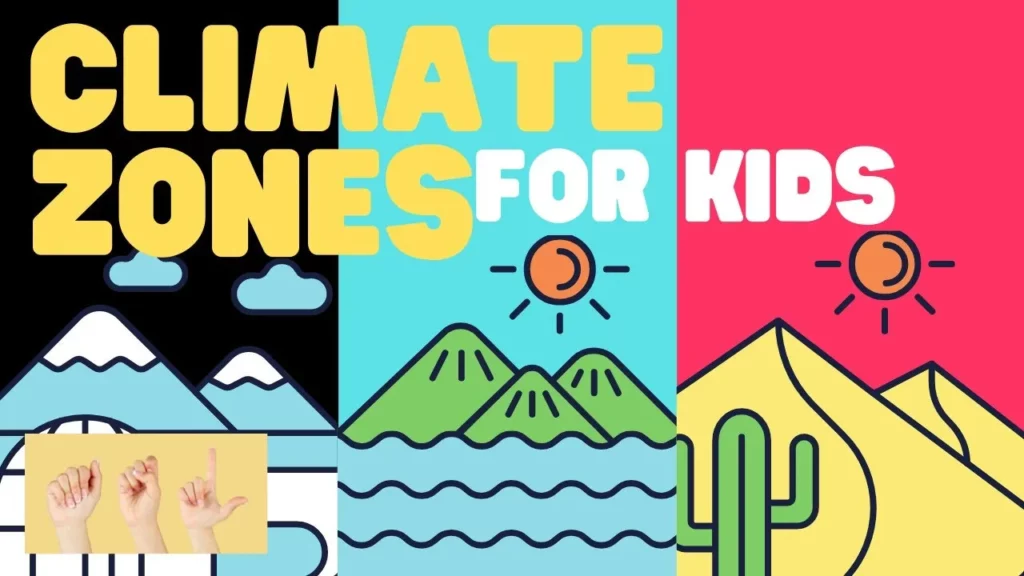
In this lesson, students learn about the three main climate zones on Earth: polar, temperate, and tropical. Each zone has distinct weather patterns, temperatures, and ecosystems, influencing the types of plants and animals that thrive there. The lesson emphasizes the difference between weather and climate, illustrating how climate shapes the environment over time.
Cool Facts about the Lincoln Memorial
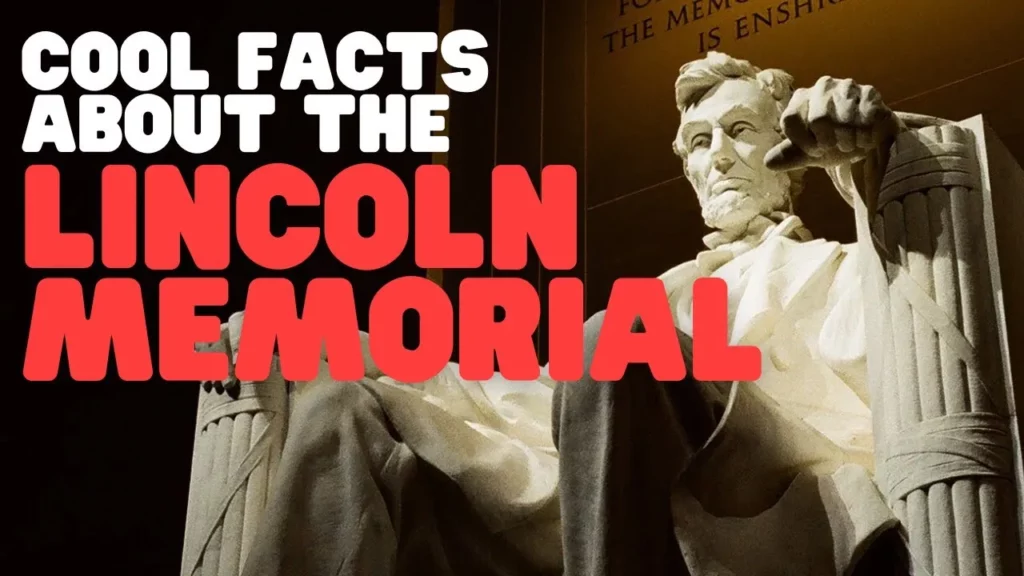
The lesson introduces the Lincoln Memorial, a monument dedicated to President Abraham Lincoln, the 16th president of the United States, known for his leadership during the Civil War and efforts to end slavery. Key features of the memorial include its 36 columns representing the Union states at Lincoln’s death, a towering statue of Lincoln, and inscriptions of his famous speeches, including the Gettysburg Address. The lesson also highlights interesting historical facts and encourages further exploration of the monument through additional resources.
ASL Ocean Animals for Kids
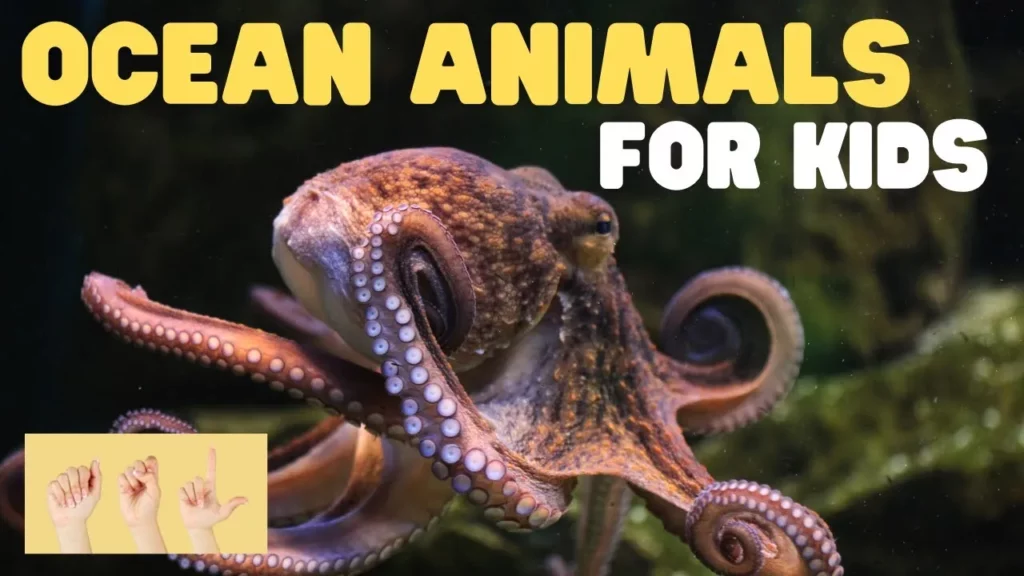
The lesson “Discovering Ocean Animals and Plants” explores the vast diversity of life in the world’s five oceans, highlighting the importance of ocean plants like seaweed and phytoplankton, as well as unique animals such as coral. It emphasizes the significance of oceans as vital ecosystems that support countless species and contribute to the planet’s health. Overall, the lesson aims to foster appreciation for the oceans and their role in sustaining life on Earth.