
ASL Four Types of Sentences for Kids
In this lesson, students learn about the importance of sentences as the foundational elements of writing and communication. They explore the four types of sentences—declarative, interrogative, exclamatory, and imperative—and discover how to enhance their writing by mixing sentence lengths and incorporating descriptive elements like adverbs and adjectives. The lesson encourages creativity and enjoyment in crafting sentences, emphasizing that varied sentence structures can make writing more engaging.
ASL American Eagle for Kids

In this lesson, students explore the fascinating characteristics and habitats of American Eagles, also known as bald eagles, including their physical features, nesting habits, and diet. They learn about the importance of these birds in the ecosystem, their conservation history, and some fun facts, such as their impressive flying speeds and the size of their nests. The lesson concludes with a quiz to reinforce understanding and encourage further exploration of the topic.
ASL Capitalization Rules for Kids
In the “Capitalization Fun!” lesson, students learn about the importance of capital letters in writing, distinguishing between common nouns and proper nouns. The lesson outlines six key rules for capitalization, including capitalizing the first word of a sentence, the pronoun “I,” names of people and places, titles of works, and days and months. Through engaging examples and a quick quiz, students are encouraged to practice and become proficient in using capital letters correctly.
ASL Time Zones for Kids
In this lesson, kids learn about time zones, which are regions where the same standard time is used, and why different parts of the world have varying times. The United States has four main time zones—Eastern, Central, Mountain, and Pacific—along with unique time zones for Alaska and Hawaii. The lesson also explains the concept of time differences, how they affect daily activities like watching TV, and introduces the idea of jet lag when traveling across time zones.
ASL Abbreviations for Kids
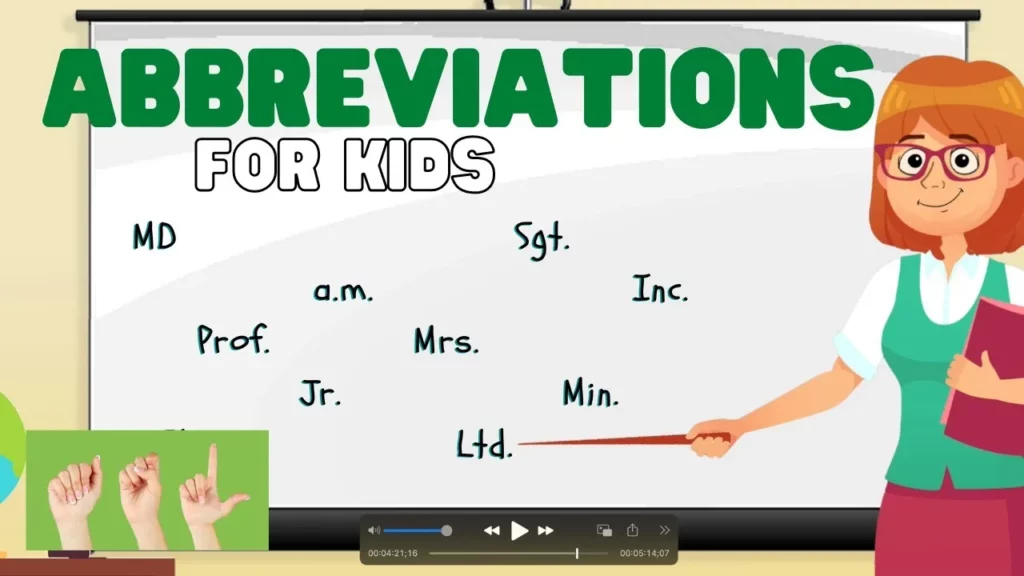
The lesson “Understanding Abbreviations: A Fun Guide” introduces the concept of abbreviations as shortcuts for words or phrases that save time and space. It explains their practical use, such as state abbreviations for mailing, and highlights common examples like “Jr.,” “MD,” and time indicators “AM” and “PM.” The lesson also notes that contractions are a form of abbreviation and encourages practice to become more familiar with their usage in everyday language.
ASL Lewis and Clark for Kids

The lesson on “Lewis and Clark’s Amazing Adventure” explores the significant expedition led by Meriwether Lewis and William Clark, commissioned by President Thomas Jefferson after the Louisiana Purchase in 1803. The journey, which included the invaluable assistance of Sacagawea, aimed to explore and map the newly acquired land, leading to discoveries about its flora, fauna, and Native American tribes. Ultimately, the expedition expanded the United States’ knowledge of its territory and fostered peaceful relationships with Indigenous peoples.
ASL Place Value for Kids
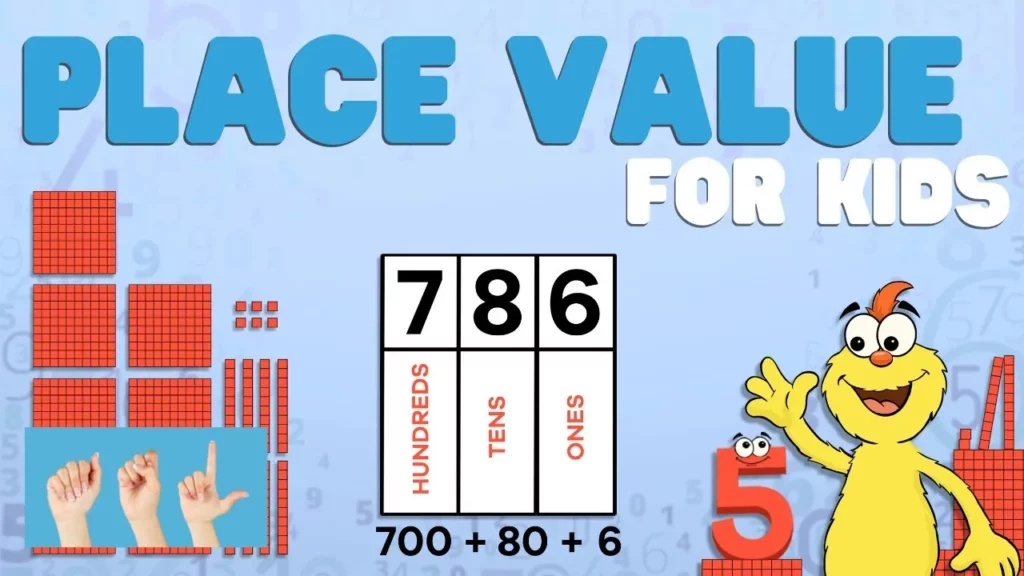
In this lesson, students are introduced to the concept of place value, which helps them understand the worth of each digit in a number. They learn that digits range from 0 to 9 and that their value changes depending on their position, such as ones, tens, and hundreds. The lesson includes examples, a quiz, and emphasizes the importance of place value in mathematical operations, encouraging students to continue practicing to become proficient in math.
ASL Financial Literacy—Debit and Credit
In this lesson, we explored the differences between debit and credit cards, emphasizing their roles in financial literacy. A debit card allows users to spend money directly from their bank account, while a credit card enables borrowing up to a limit, requiring repayment with potential interest. Understanding these distinctions helps individuals make informed financial decisions and use these cards responsibly.
Four Types of Sentences | Learn about Statement, Question, Emotion, and Command Sentences
In today’s lesson, we explored the concept of sentences, including their structure and the four main types: declarative, interrogative, exclamatory, and imperative. We also discussed how to enhance writing by varying sentence types, adding descriptive words, and combining sentences for better flow. By applying these techniques, students can make their writing and speaking more engaging and dynamic.
ASL Bones for Kids

In this lesson, students learn about the skeleton, a vital support system made up of over 200 bones that gives the body its shape and protects internal organs. The lesson covers the two main types of bones—spongy and cortical—along with their functions, the importance of bone marrow, and how bones work with muscles and joints to facilitate movement. Additionally, it emphasizes the significance of protecting bones and maintaining their health through proper nutrition, exercise, and safety gear.