
Critical Thinking Riddles for Kids | Let’s practice our critical thinking skills!
In today’s lesson, we explored the exciting world of riddles, enhancing our critical thinking skills through fun word and number puzzles. Each riddle challenged us to think creatively and logically, reinforcing the idea that practice improves our problem-solving abilities while emphasizing the importance of having fun while learning. Remember to share these riddles with friends to keep the fun going!
Hummingbirds for Kids | Learn about these tiny, fast, colorful creatures!
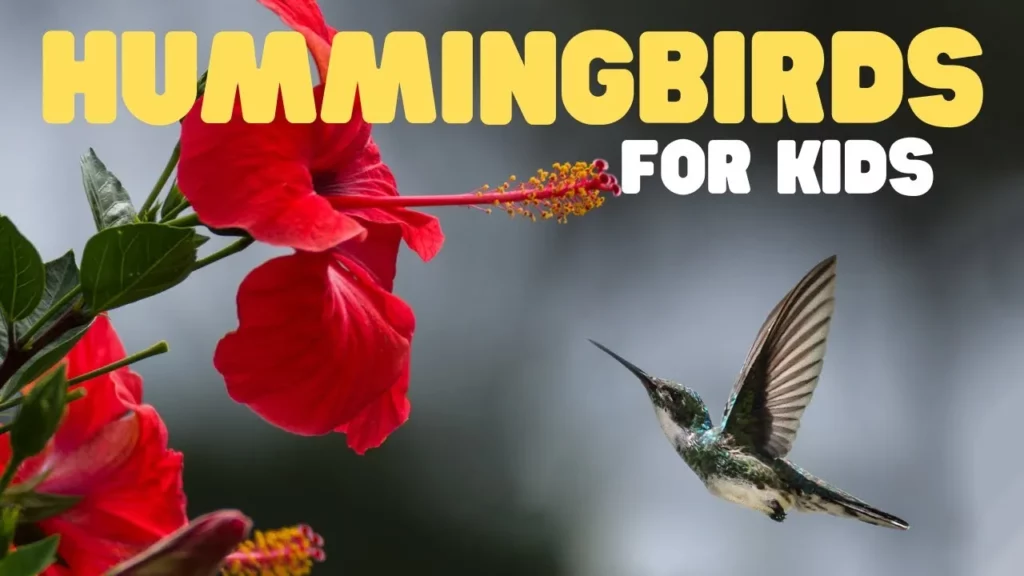
In this lesson, students explore the captivating world of hummingbirds, learning about their diverse species, unique flying abilities, and dietary needs. Hummingbirds are remarkable for their rapid metabolism, vibrant colors, and crucial role in pollination and insect control, making them important to ecosystems. The lesson emphasizes their territorial behavior and the conservation efforts needed to protect some species in Central and South America.
Coins for Kids | Learn the value of US coins!
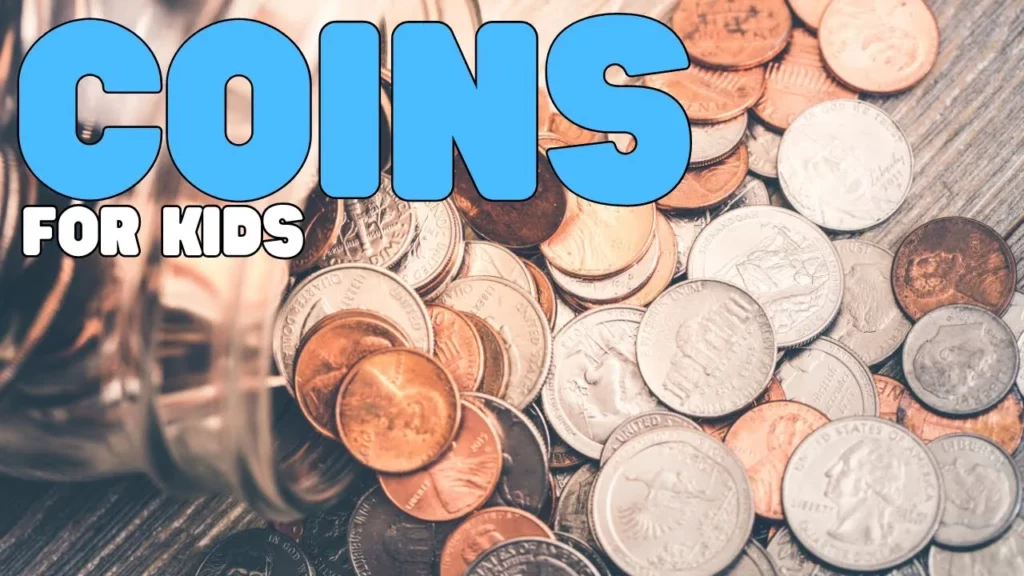
In this lesson, students learned about different types of coins, including the penny, nickel, dime, and quarter, along with their values and unique features. The lesson emphasized the importance of coins in understanding money and practicing math skills. Through engaging facts and a review section, students were encouraged to appreciate the role of coins in everyday transactions.
What Are Echinoderms? | Learn all about the phylum of starfish, sea urchins, and sea cucumbers!
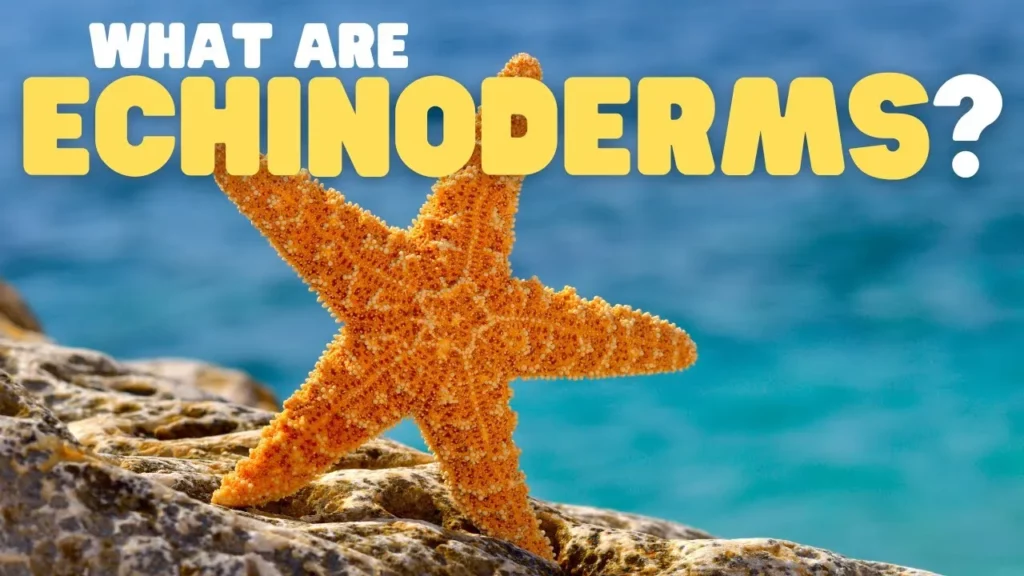
In this lesson, students explored the fascinating world of echinoderms, focusing on their unique characteristics such as spiny skin, radial symmetry, and tube feet, which aid in movement and survival. They learned about various echinoderms, including the well-known starfish and the sea cucumber, which has creative defense mechanisms. By the end of the lesson, students gained a deeper appreciation for these remarkable ocean creatures and their adaptations.
ASL Importance of Oceans for Kids
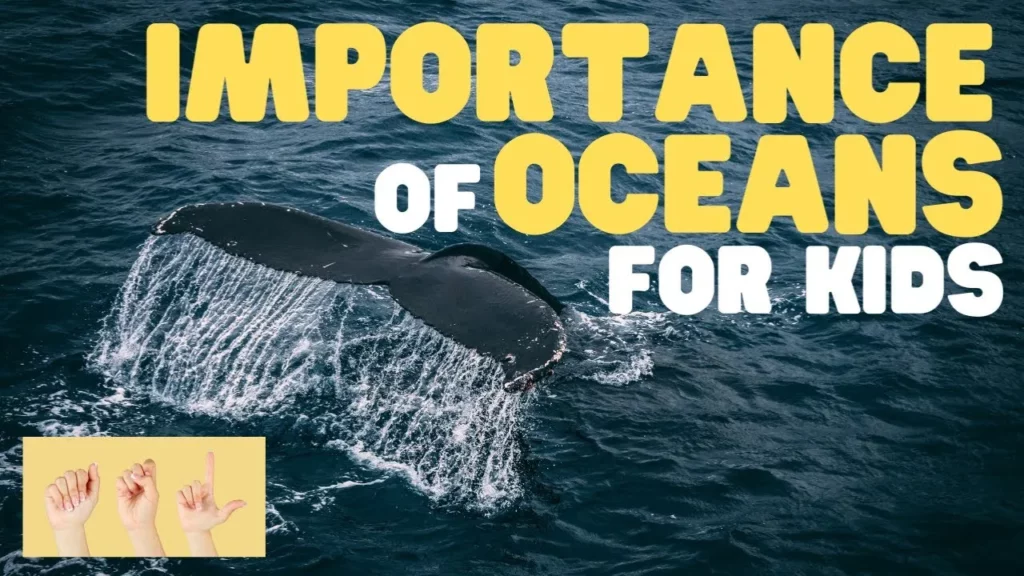
The lesson “The Amazing Oceans: Why They Matter” highlights the critical role oceans play in sustaining life on Earth, including producing over half of the world’s oxygen, regulating climate, providing food and jobs, and contributing to medical advancements. It emphasizes the urgent need to protect oceans from pollution, particularly plastic waste, and encourages individuals to take action, such as recycling and participating in beach clean-ups, to help preserve these vital ecosystems for future generations.
Christopher Columbus for Kids | Learn about his life and what actually happened on his adventures
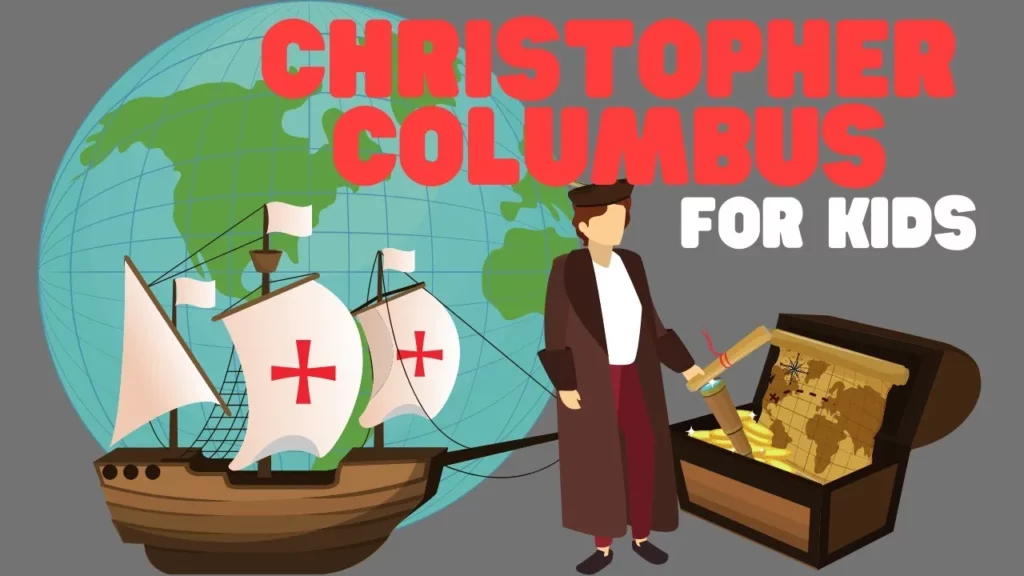
The lesson introduces Christopher Columbus, highlighting his adventurous journey across the Atlantic Ocean in 1492, which was funded by the King and Queen of Spain. It discusses his encounters with pirates, his learning about navigation, and the impact of his voyages on the Americas, including the mistreatment of Native Americans. While Columbus is often credited with discovering America, the lesson clarifies that he was not the first, as Leif Erikson had visited centuries earlier, and emphasizes the broader significance of Columbus’s explorations in connecting the world.
Ocean Facts for Kids | Learn interesting facts about the world’s largest pool!
In this lesson, students explore fascinating facts about the ocean, including its vastness, depth, and the various phenomena that occur within it, such as waves, tides, and tsunamis. They learn that the ocean contains about 98% of Earth’s water and is home to an estimated one million species, many of which remain undiscovered. The lesson encourages curiosity about ocean exploration and highlights the mysteries that still exist beneath the waves.
What Is a Vertebrate? | Learn about the animals of the Vertebrata subphylum
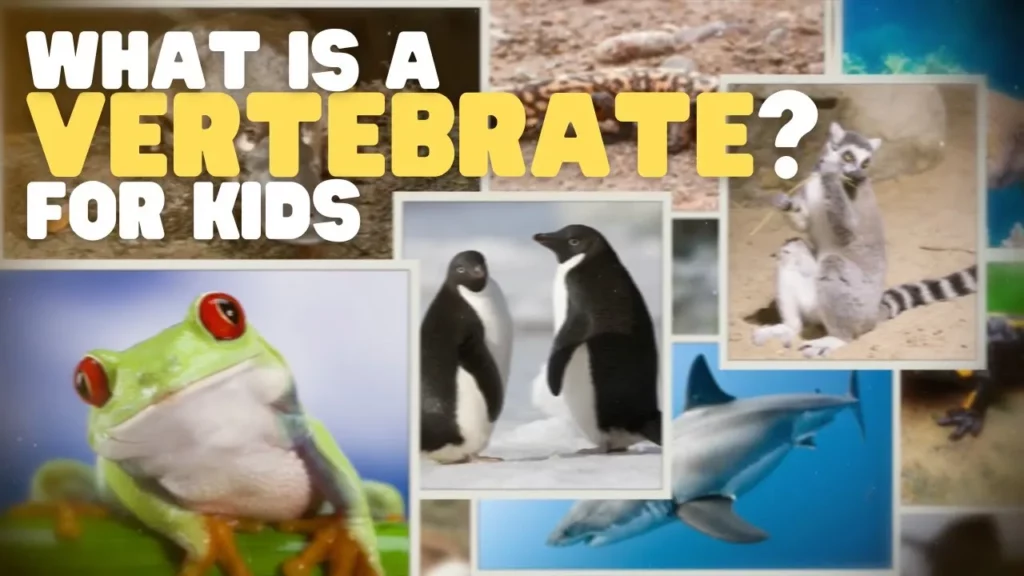
In this lesson, students explored the fascinating world of vertebrates, a group of animals characterized by five key features: a backbone, a skull, an endoskeleton, bilateral symmetry, and two pairs of appendages. The lesson also introduced the seven classes of vertebrates—mammals, birds, reptiles, amphibians, and three types of fish—highlighting their unique traits and roles in the ecosystem. Through engaging activities and fun facts, learners gained a deeper understanding of the importance of vertebrates in our world.
ASL Earthquakes for Kids STEM
This lesson introduces the concept of earthquakes, explaining that they occur due to the movement of tectonic plates within the Earth’s layers, which include the inner core, outer core, mantle, and crust. It covers how earthquakes happen when faults in the Earth’s surface release built-up pressure, the different types of plate movements, and highlights the significance of the Ring of Fire as a major earthquake zone. Additionally, the lesson provides a hands-on activity to create a simple seismograph, allowing students to engage with the science of measuring earthquakes.
Planets of Our Solar System | Planets for Kids | Learn interesting facts about the planets
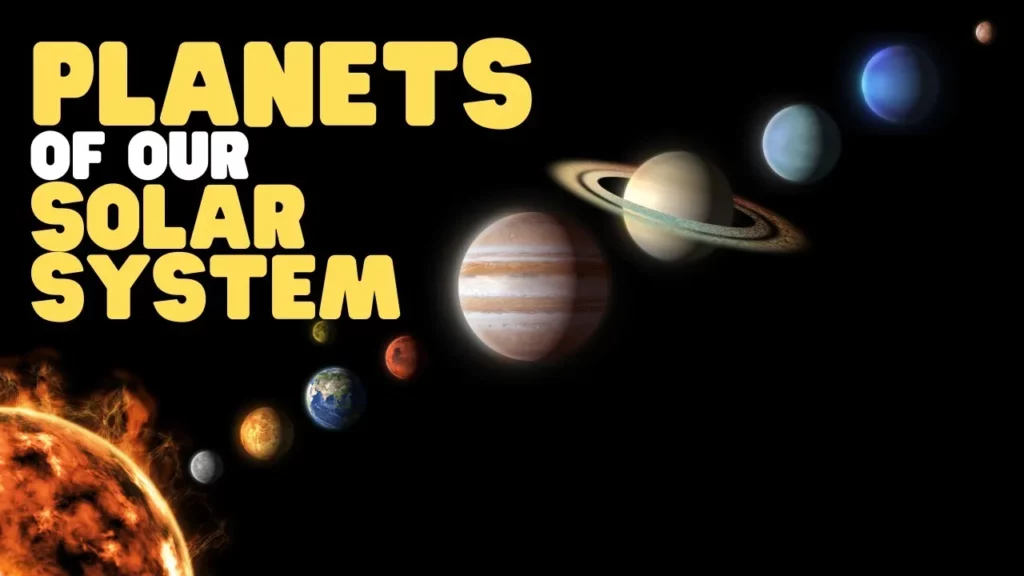
In the lesson “Blast Off into Space!”, the author shares a personal experience of transforming a large cardboard box into a rocket ship, sparking a fascination with space and the solar system. The lesson explains the concept of galaxies, specifically the Milky Way, and details the characteristics and movements of the eight planets in our solar system, emphasizing their unique features and the criteria that define a planet. It concludes by encouraging exploration of the night sky, reinforcing the idea that curiosity and imagination can lead to a deeper understanding of the universe.