
ASL States of Matter for Kids
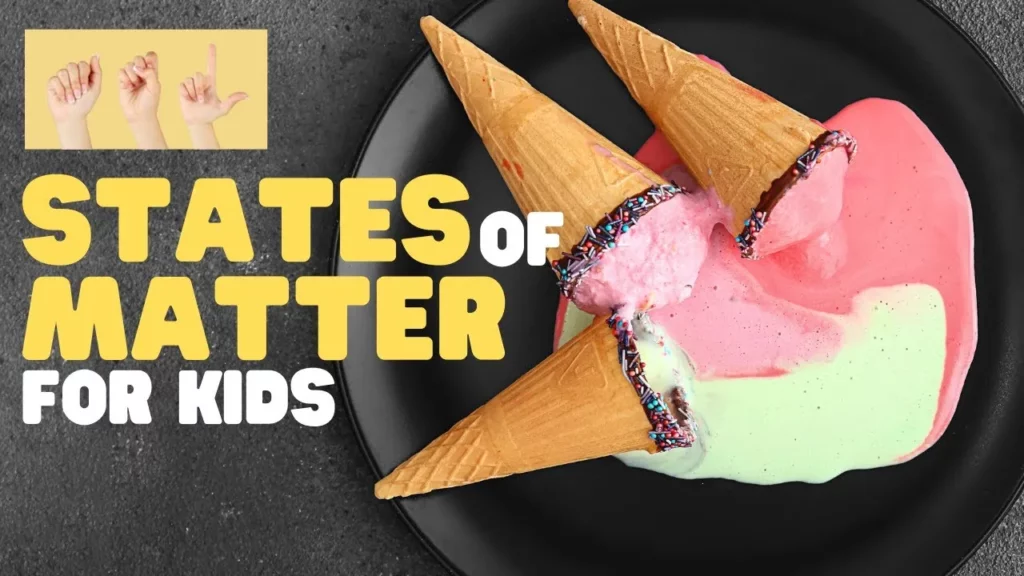
In this lesson, students are introduced to the concept of matter, which is anything that takes up space and exists in three states: solids, liquids, and gases. Solids maintain a definite shape, liquids take the shape of their containers, and gases are invisible and fill any space. The lesson highlights the unique properties of each state and emphasizes the importance of matter in our everyday lives, encouraging further exploration of the world around us.
Bears for Kids | Learn all about these honey-loving mammals!
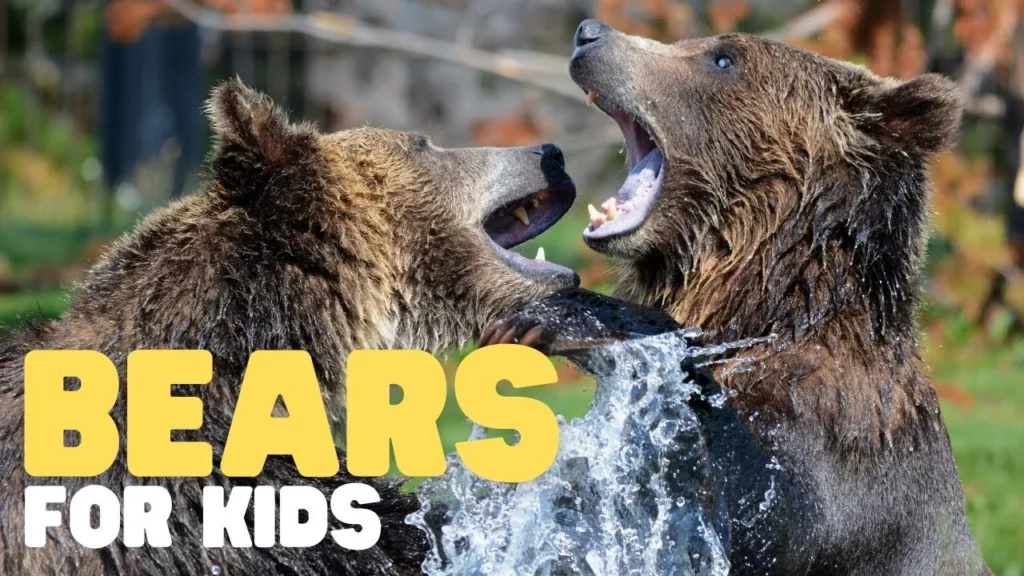
In today’s lesson, we explored the fascinating world of bears, learning about their characteristics, diet, and the importance they hold in nature. We discovered that there are eight species of bears, many of which are endangered, and discussed their unique behaviors, such as hibernation and their role in the ecosystem. The lesson emphasized the need for conservation efforts to protect these incredible animals and their habitats.
Sharks for Kids | Learn all about these big fish!
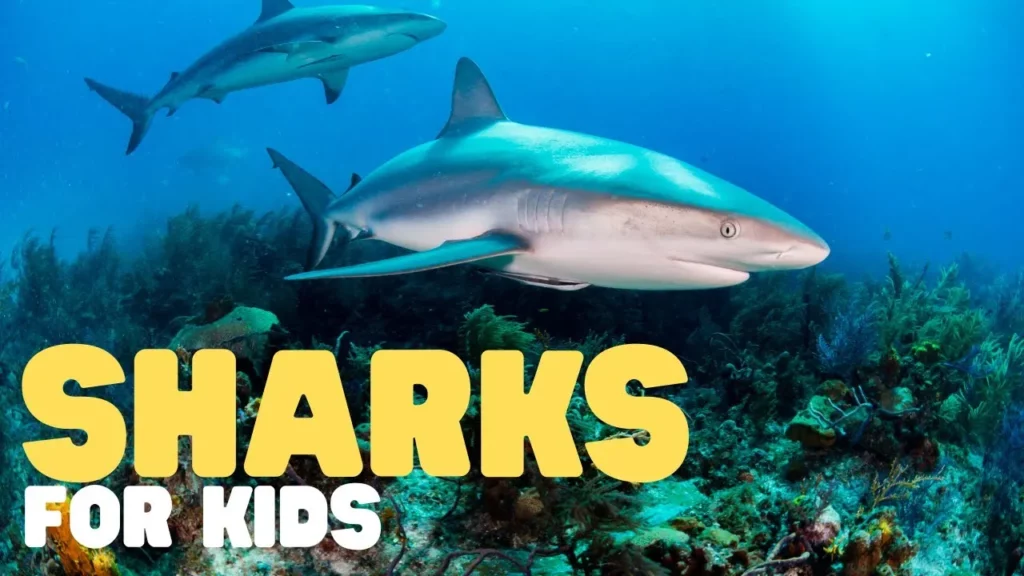
In this lesson, students explored the fascinating world of sharks, learning that they are fish, not mammals, and belong to a unique group called elasmobranchs. The lesson covered various aspects of sharks, including their diverse shapes and sizes, hunting strategies, and ecological importance, while also highlighting the challenges they face due to overfishing and climate change. Through engaging content and a quiz, students gained a deeper understanding of these remarkable creatures and their role in ocean ecosystems.
Coyotes for Kids | Learn fun facts all about coyotes
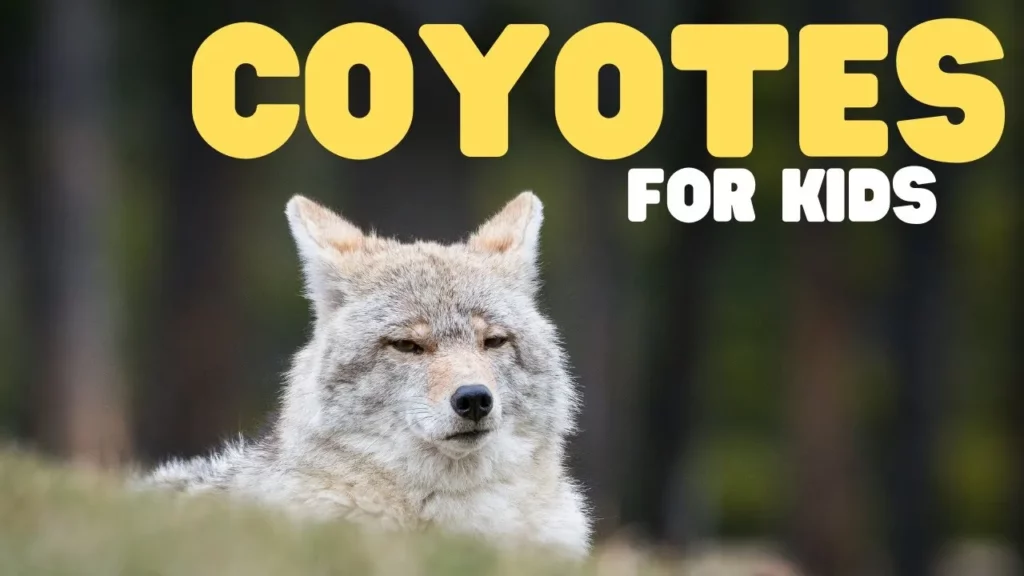
In this lesson, students explored the fascinating world of coyotes, learning about their physical characteristics, habitats, social structures, and dietary habits. Coyotes are adaptable omnivores that play a crucial role in maintaining ecological balance by controlling small animal populations and aiding in seed dispersal. The lesson emphasized their importance in the environment and highlighted their ability to thrive in diverse settings across North and Central America.
Weird Animals for Kids | Learn about these three odd creatures!
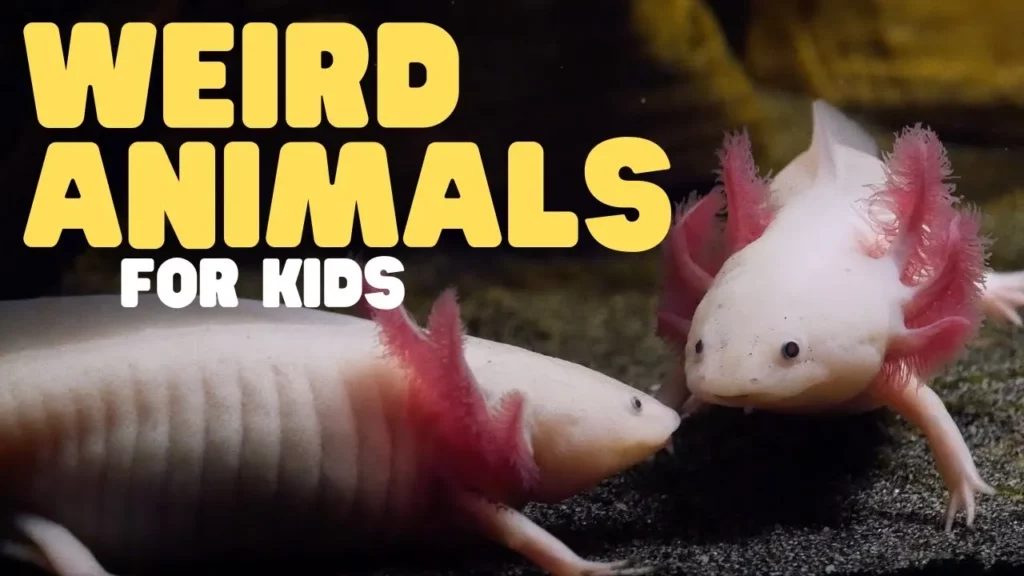
In today’s lesson, we explored three unique animals: the axolotl, the aye-aye, and the blobfish. We learned that axolotls are remarkable amphibians capable of regenerating body parts, aye-ayes are nocturnal primates with specialized feeding techniques, and blobfish are deep-sea dwellers that float due to their jelly-like composition. Each animal plays a vital role in its ecosystem, showcasing the diversity and wonder of the animal kingdom.
Komodo Dragons for Kids | Learn all about these apex predators!
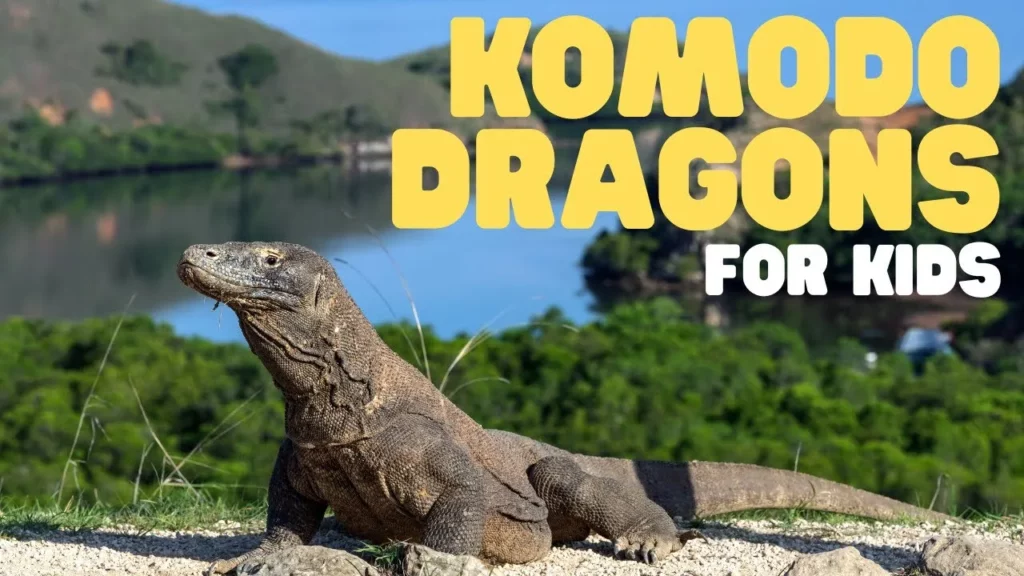
In today’s lesson, we explored the fascinating world of Komodo dragons, the largest lizards on Earth, known for their impressive size, venomous saliva, and solitary nature. We learned about their hunting techniques, diet, and the important ecological role they play in maintaining balance in their environment. Additionally, we discussed the challenges they face, such as habitat loss and hunting, highlighting the need for conservation efforts to protect these remarkable creatures.
Tortoises for Kids | Learn all about these old land turtles!
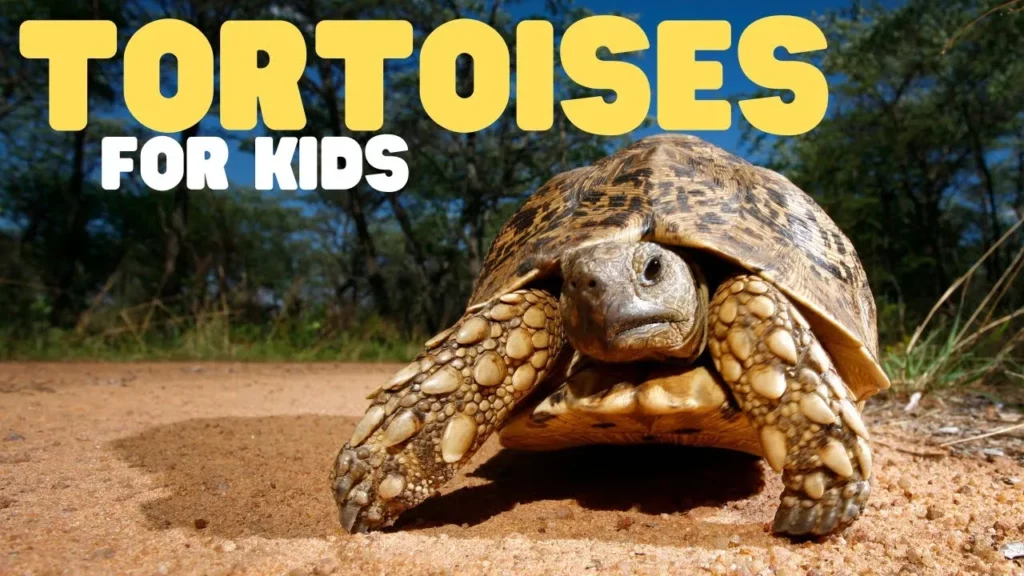
In today’s lesson, we explored the fascinating world of tortoises, highlighting their unique characteristics that distinguish them from turtles, such as their land-dwelling habits and sturdy, dome-shaped shells. We learned about their long lifespan, dietary preferences, adaptability, and their important role in the ecosystem, as well as some fun facts, including their impressive memory and the significance of conservation efforts for endangered species. Overall, the lesson emphasized the importance of understanding and protecting these remarkable creatures.
Octopuses for Kids | Learn all about these eight-armed brainiacs!
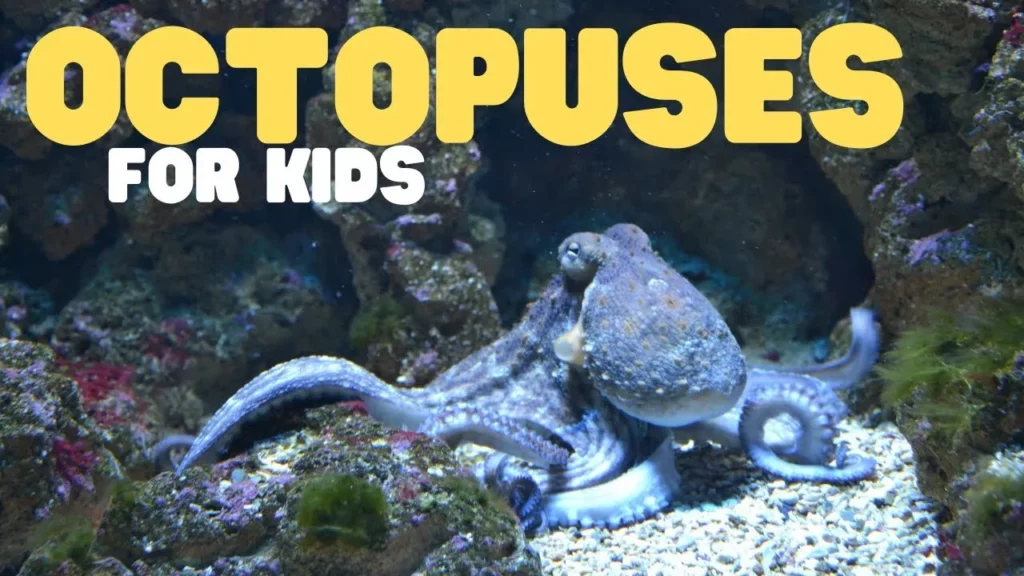
In today’s lesson, we explored the fascinating world of octopuses, unique cephalopods known for their flexibility, intelligence, and ability to change color. We learned about their solitary nature, their care for young, their varied diet, and their important role in the marine ecosystem. Additionally, we discussed how octopuses can adapt to their environment and the need to protect their habitats from pollution and overfishing.
Pollinators and Pollination for Kids | Fun facts about pollination and who’s responsible!
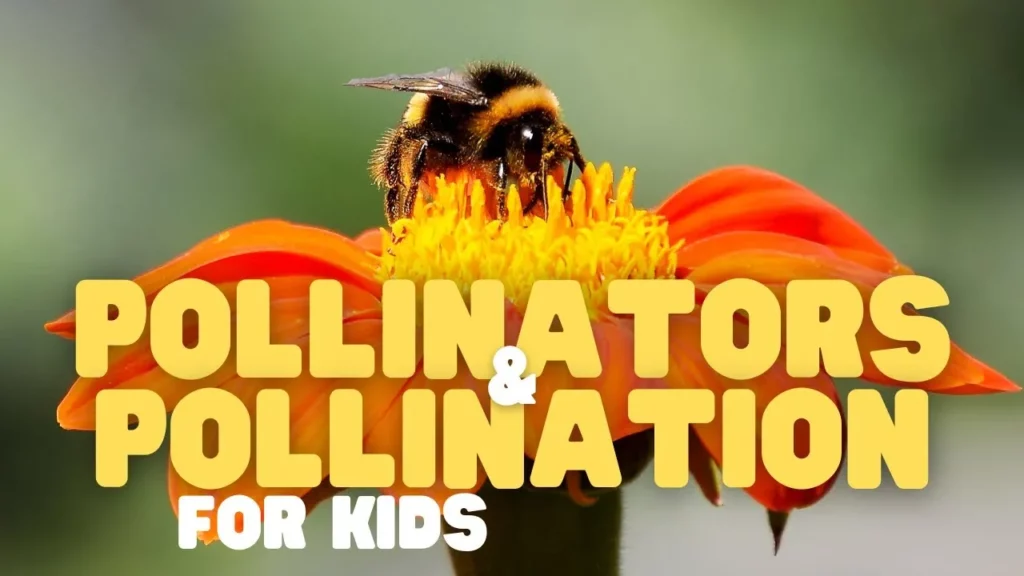
In today’s lesson, we learned about the vital role of pollinators, such as bees, butterflies, and even some sea creatures, in the process of pollination, which is essential for plant reproduction and food production. Pollinators help transfer pollen between flowers, enabling plants to produce seeds and fruits, and their decline due to environmental threats poses a significant risk to ecosystems and food supplies. By supporting pollinator-friendly practices, like planting flowers and maintaining beehives, we can help protect these crucial creatures and the health of our planet.
ASL What is an Arthropod?
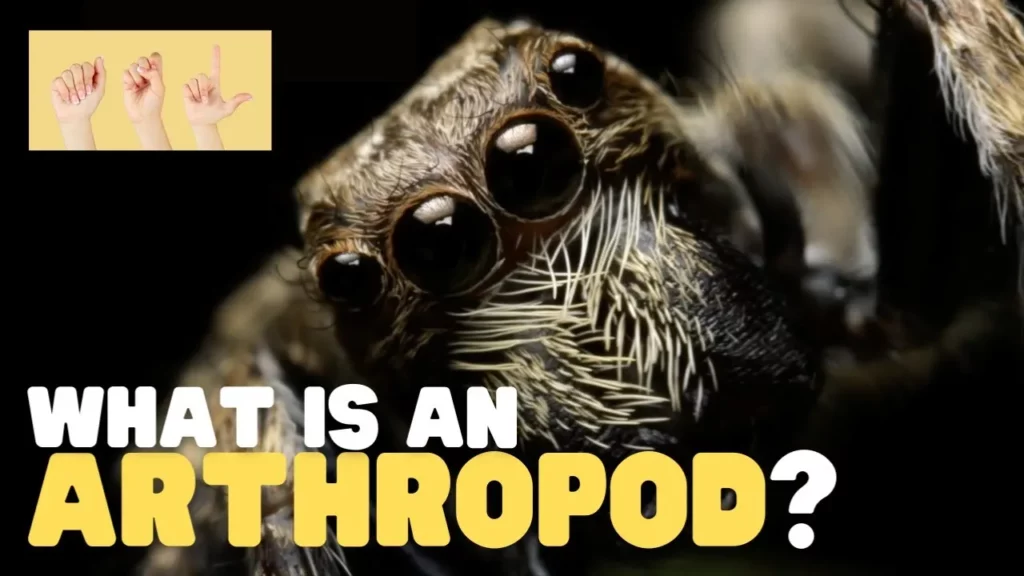
In this lesson, students explore the fascinating world of arthropods, the most diverse group of animals on Earth, which includes insects, arachnids, and crustaceans. They learn about the defining characteristics of arthropods, such as their jointed legs and exoskeletons, as well as their various habitats and roles in ecosystems, including their importance in pollination and inspiration for scientific innovations. The lesson concludes with a fun quiz to reinforce the key concepts learned.