
Woolly Mammoths for Kids | Learn all about this furry animal and its existence during the Ice Ages
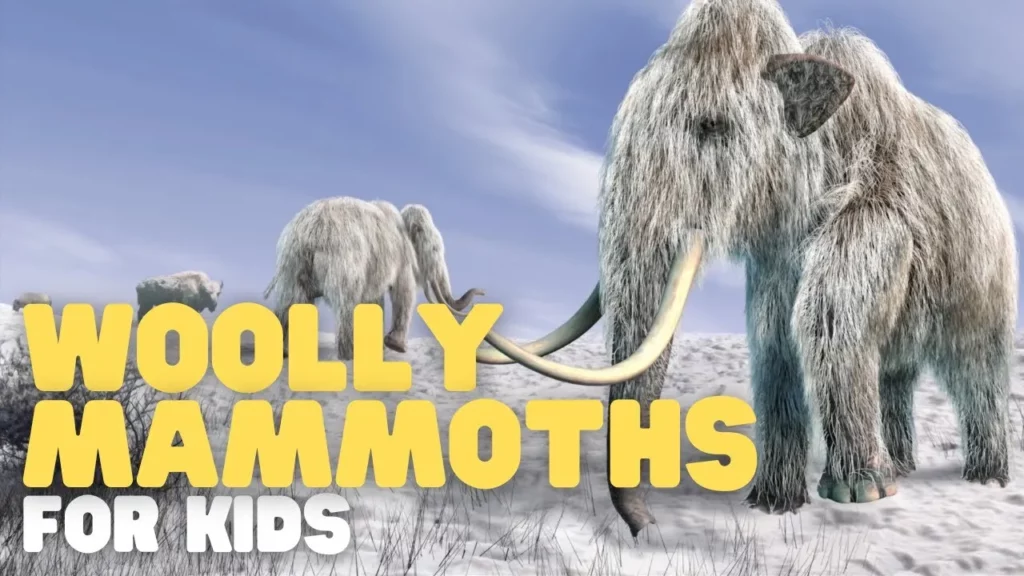
In this lesson, students explored the fascinating world of woolly mammoths, relatives of modern elephants that thrived during the Ice Age. They learned about the mammoth’s unique features, such as its thick fur, large tusks, and social structure, as well as the theories surrounding its extinction. The lesson emphasized the importance of scientific discoveries in understanding these ancient creatures, highlighting recent findings that continue to shed light on their existence.
All about Oceania | Learn about this beautiful region in the Pacific Ocean

In this lesson, students explore Oceania, a vast region of approximately 10,000 islands and 14 countries, highlighting its rich cultural diversity and natural beauty. The lesson covers the historical migration of people to the islands, the unique traditions that developed over time, and fascinating facts about each country, including Australia, Fiji, and New Zealand. Students are encouraged to share their newfound knowledge about this remarkable part of the world with others.
Water Water Everywhere | Learn All About Water For Kids
In this lesson, students explore the significance of water, its various forms, and where it can be found on Earth. They learn about the importance of conserving freshwater, as only a small fraction of the Earth’s water is drinkable, and discover simple ways to save water in their daily lives. The lesson emphasizes the necessity of protecting this vital resource for all living beings.
7 Continents of the World | Learn all about the Seven Continents of the world in this fun overview

In this lesson, we explored the seven continents of our planet, which are vast landmasses surrounded by oceans. Each continent, including North America, Asia, Africa, South America, Antarctica, Europe, and Australia, has unique features and countries, contributing to the diverse landscapes and cultures of the Earth. Overall, continents make up about 30 percent of the Earth’s surface, with the remaining area covered by oceans and seas.
Animal Adaptations for Kids, Learn about physical, life cycle, and behavioral adaptations of animals
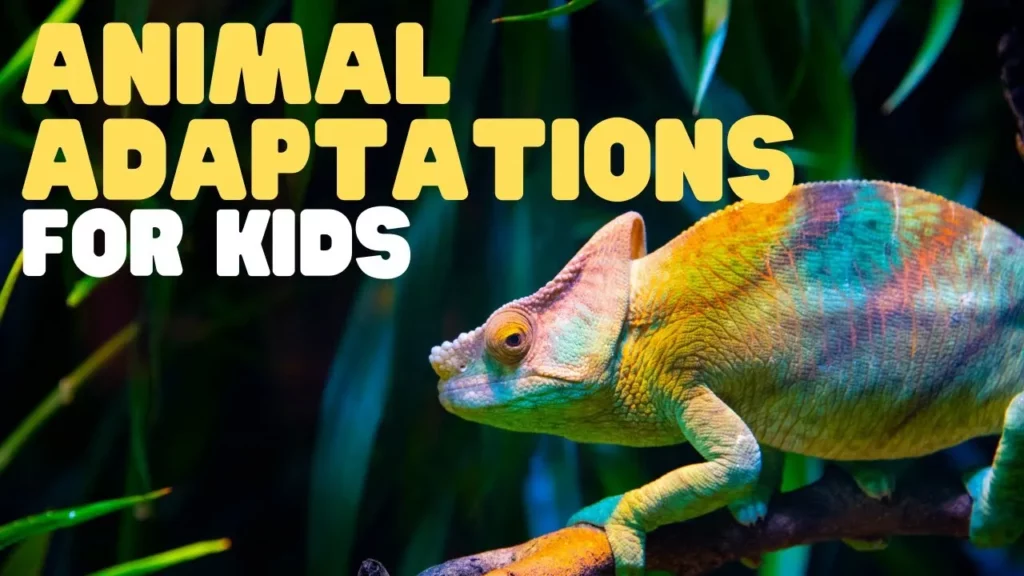
The lesson on animal adaptations explores how animals change to survive in their habitats through three main types: behavioral, physical, and life-cycle adaptations. Behavioral adaptations include actions like migration and hibernation, while physical adaptations involve body features such as camouflage and specialized limbs. Life-cycle adaptations highlight the changes animals undergo as they grow, ensuring their survival in varying environments.
Idioms for Kids | What Is an Idiom, and What Do They Mean?
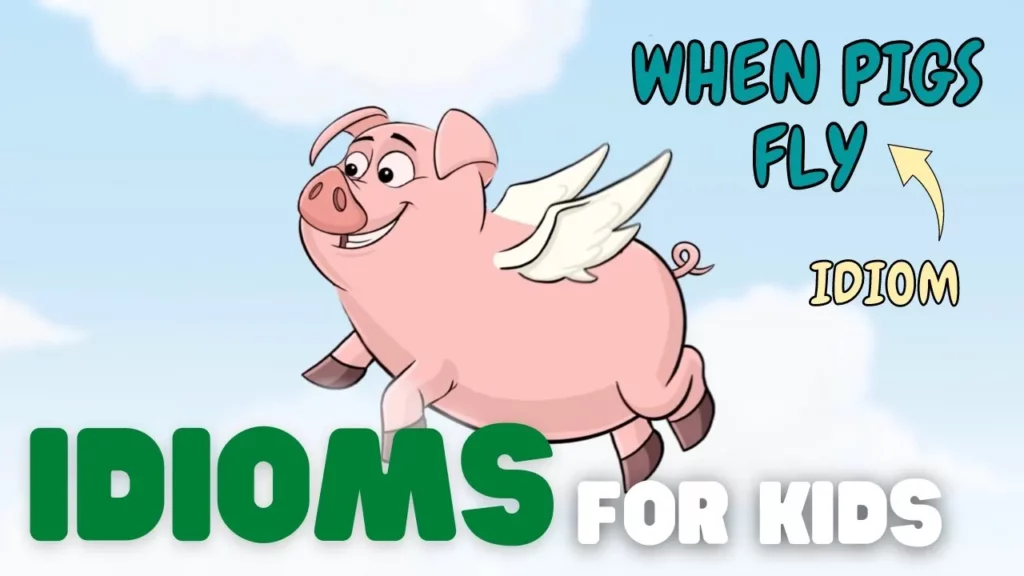
In this lesson, students explore the concept of idioms, which are phrases that convey meanings different from their literal interpretations. Through examples like “it’s raining cats and dogs” and “break a leg,” learners discover how idioms enrich language and communication, often adding humor or emphasis. The lesson encourages students to identify idioms in various media and use them in their conversations, highlighting their cultural variations and significance.
Rainforests for Kids | Learn all about the two types of rainforests
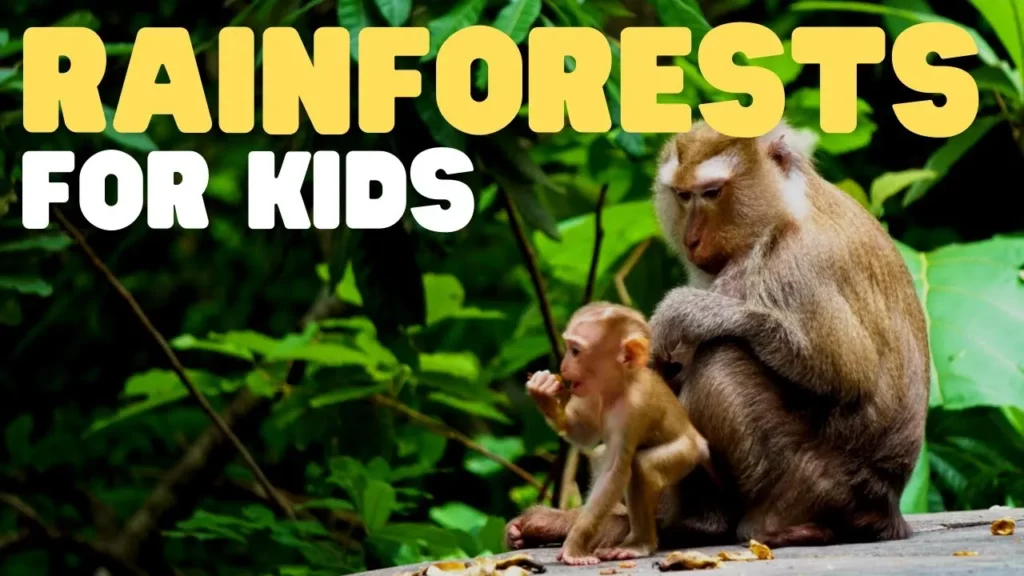
The lesson on rainforests highlights their significance, covering less than 3% of the Earth’s surface yet housing over half of the world’s animal species. It explains the two types of rainforests—tropical and temperate—and describes their four distinct layers, each supporting various plants and animals. Additionally, the lesson emphasizes the vital role rainforests play in providing oxygen, fresh water, and essential resources, while also addressing the challenges faced by indigenous communities living within these ecosystems.
All about Asia for Kids | Learn all about the amazing continent of Asia

The lesson “Discovering Asia: A Fun Adventure!” introduces students to Asia, the largest continent, highlighting its vast size, diverse regions, and significant geographical features such as Mount Everest and the Dead Sea. It emphasizes Asia’s rich cultural diversity, home to over 4 billion people and major religions, while also showcasing its natural resources and unique climates that support a variety of wildlife. Overall, the lesson aims to spark curiosity about Asia’s remarkable landscapes, cultures, and attractions.
Air Pollution for Kids | Learn about the Causes and Effects of Air Pollution
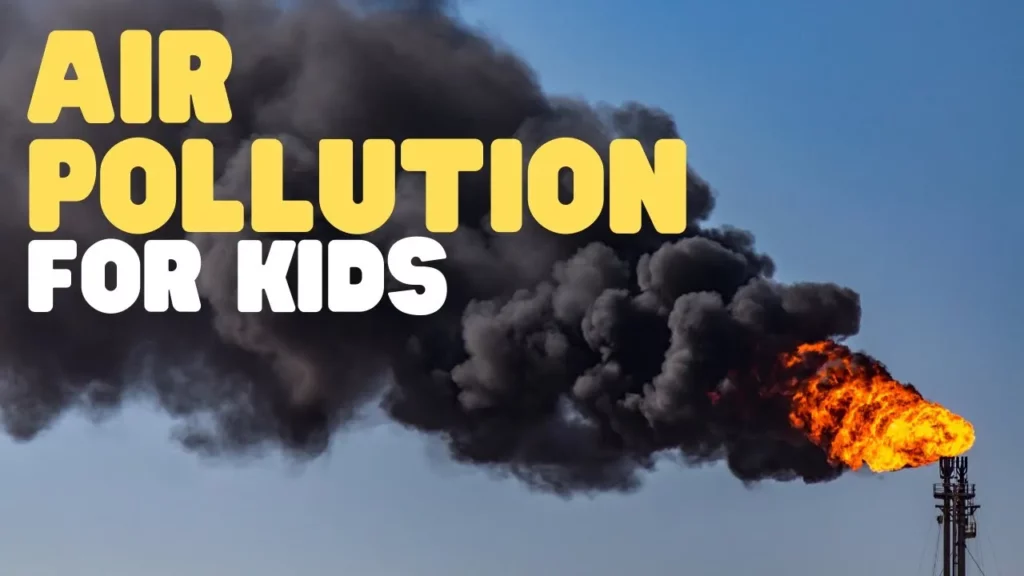
The lesson on air pollution highlights its significance as a major environmental issue that affects the health of all living beings. It explains the causes of air pollution, including both natural sources like volcanoes and human activities such as transportation and industrial processes, and discusses its harmful effects on the atmosphere, ecosystems, and human health. The lesson concludes by encouraging proactive measures individuals can take to reduce air pollution and promote cleaner air for everyone.
Animal Classification for Kids | Learn how to Classify Animals and the Animal Taxonomies
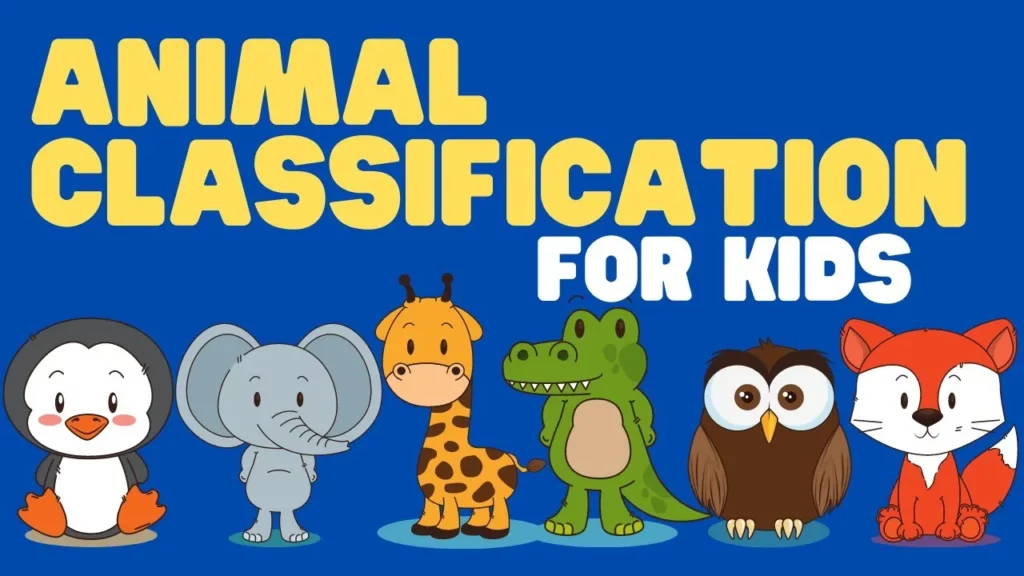
The lesson on animal classification explains the importance of organizing the vast diversity of living things on Earth, which includes approximately 1.2 million animal species. Scientists use a systematic approach called taxonomy to classify these organisms into hierarchical groups, ranging from broad categories like domain and kingdom to more specific ones like genus and species. This classification not only helps in identifying and naming species but also aids in understanding the relationships among different organisms, making it easier to study and appreciate the complexity of life.