
Facts about Africa for Kids | Learn about the continent of Africa and African countries and animals
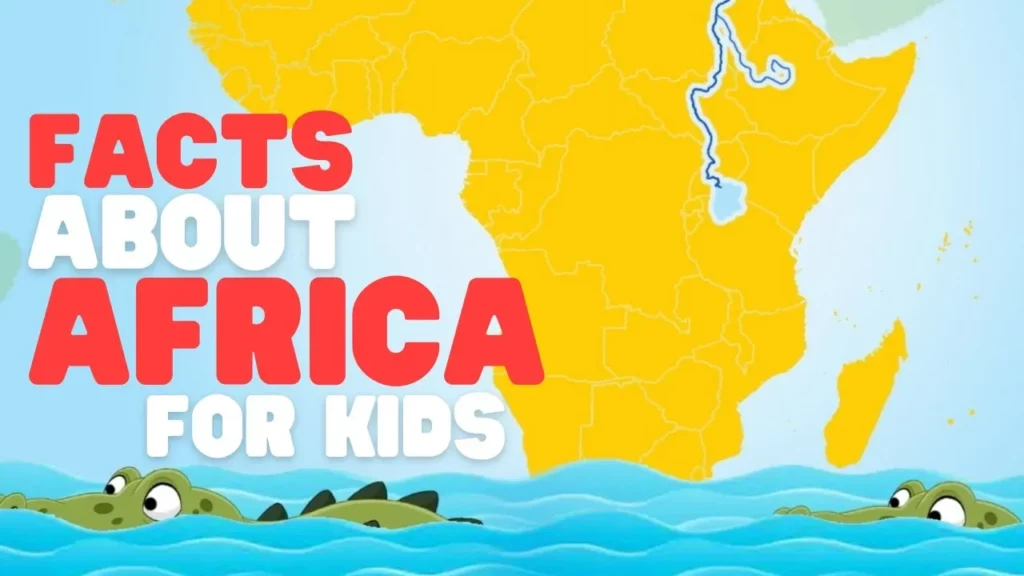
In this lesson, students are introduced to the diverse and fascinating continent of Africa, often referred to as the “mother continent” due to its significance in human evolution. The lesson covers Africa’s vast size, rich cultural diversity, notable geographical features, and iconic wildlife, while also highlighting key facts such as the longest river (the Nile) and the largest (Algeria) and smallest (Seychelles) countries. Through engaging content and review questions, learners gain a foundational understanding of Africa’s importance and beauty.
ASL Dolphins for Kids
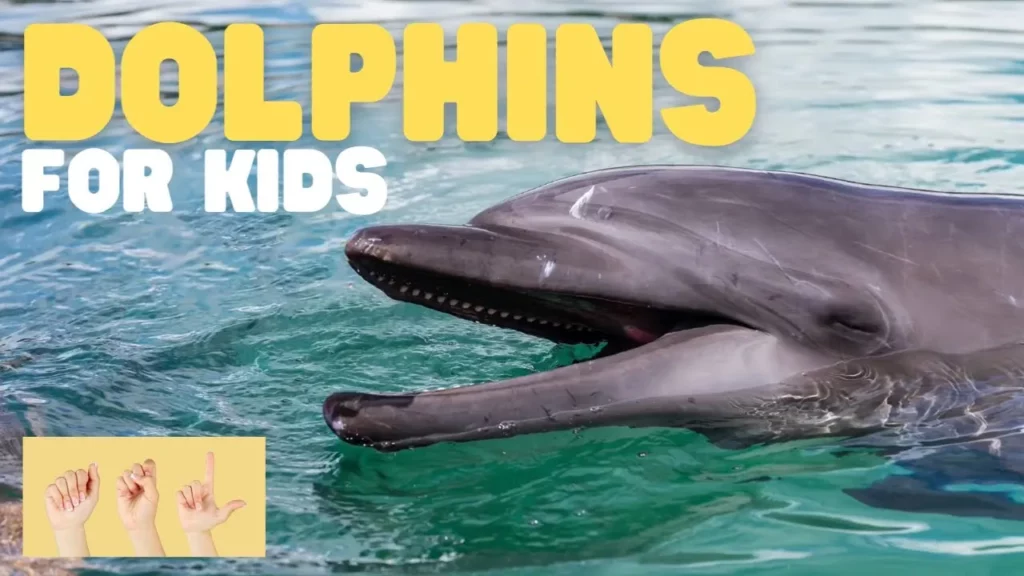
In today’s lesson, we explored the fascinating world of dolphins, highlighting their classification as mammals, their physical characteristics, and their social behavior in pods. We learned about their diet, unique hunting technique called echolocation, and the importance of dolphins in maintaining the ocean’s ecosystem. Additionally, we discussed the threats they face from human activities and the importance of conservation efforts to protect these incredible creatures.
What Is the Immune System for Kids | Learn all about how the body fights off bad germs
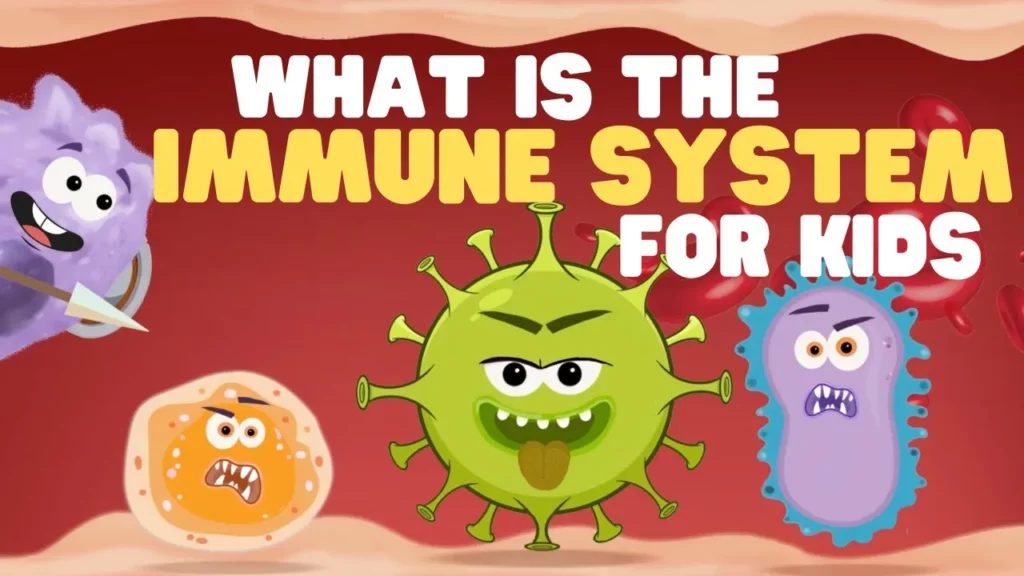
The lesson introduces the immune system as the body’s protective mechanism against germs and diseases, likening it to a superhero team that operates continuously to maintain health. It explains the roles of various components, including the skin as the first line of defense, white blood cells as the body’s guards, and the lymphatic system in transporting immune cells. Additionally, it emphasizes the importance of maintaining a strong immune system through healthy habits and outlines how vaccines help prepare the immune system to combat real infections.
Scientific Method for Kids | Learn all about the Scientific Method Steps
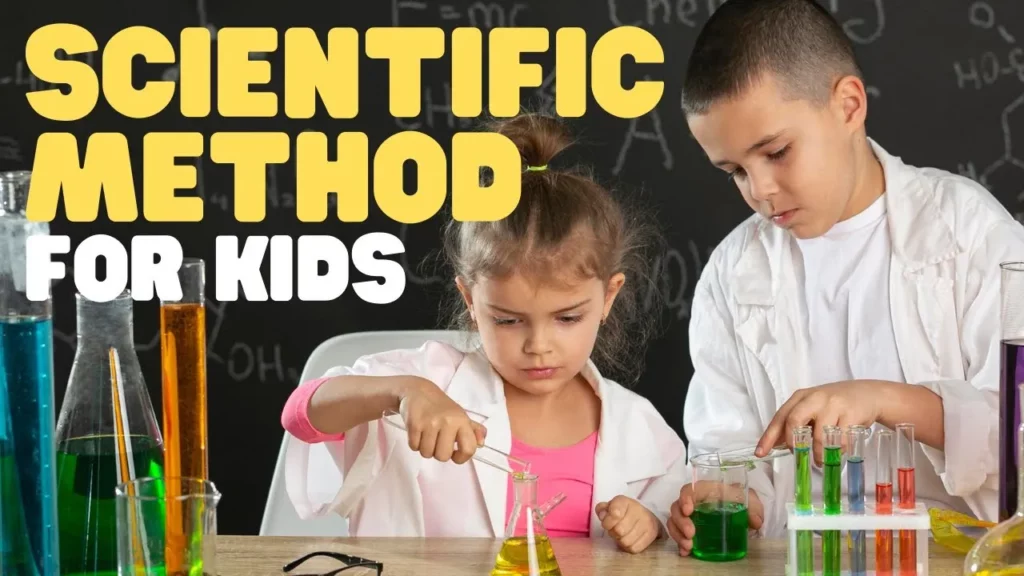
In this lesson, students learn about the scientific method, a structured process that scientists use to explore questions and discover how the world works. The method consists of four main steps: making observations, forming a hypothesis, conducting experiments, and drawing conclusions. Through engaging examples, such as the effect of salt on ice, students are encouraged to apply the scientific method in their own experiments to foster curiosity and innovation.
Bees and Wasps for Kids | Learn all about these interesting insects
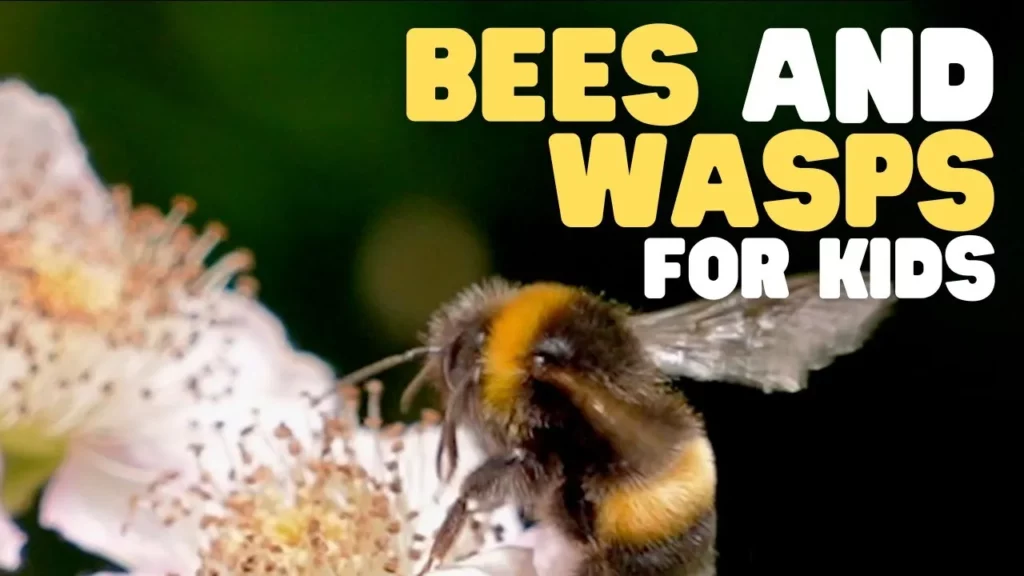
In this lesson, students explore the fascinating world of bees and wasps, highlighting their differences, diets, and ecological importance. Bees are recognized for their fuzzy bodies and role in pollination, while wasps are noted for their hunting behavior and ability to control pest populations. The lesson emphasizes the significance of these insects in maintaining environmental balance and encourages actions to support declining bee populations.
Laws and Rules for Kids | What is the difference between a rule and a law?
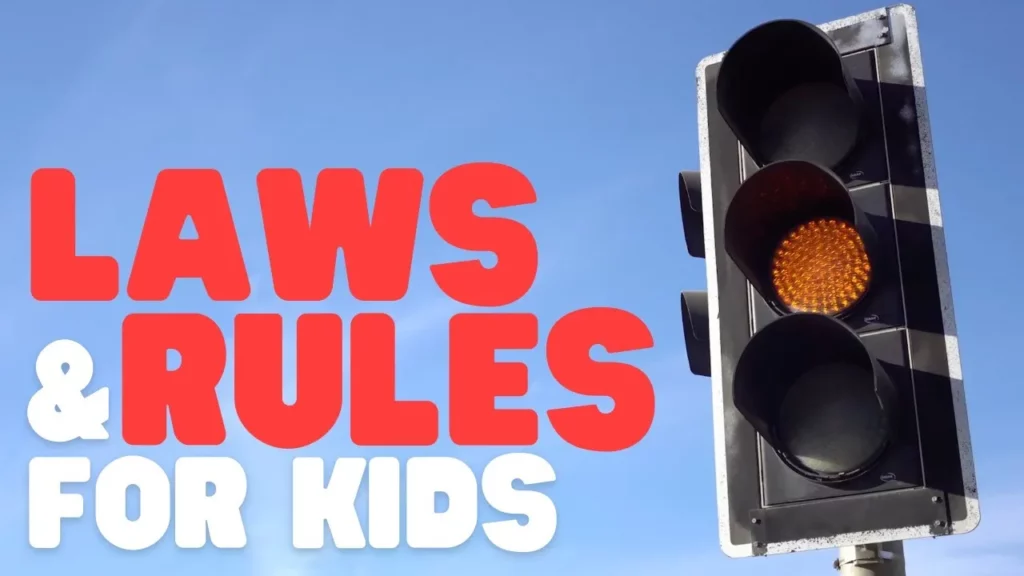
In this lesson, students learn about the importance of laws and rules, which help maintain safety, fairness, and order in society. The lesson distinguishes between laws, which are enforced by the government and have serious consequences when broken, and rules, which are set by smaller groups like families or schools and typically have less severe consequences. Through examples and comparisons, students are encouraged to understand and respect the rules and laws in their lives while recognizing that these can vary in different places.
Rocks for Kids | Learn all about geology and rocks
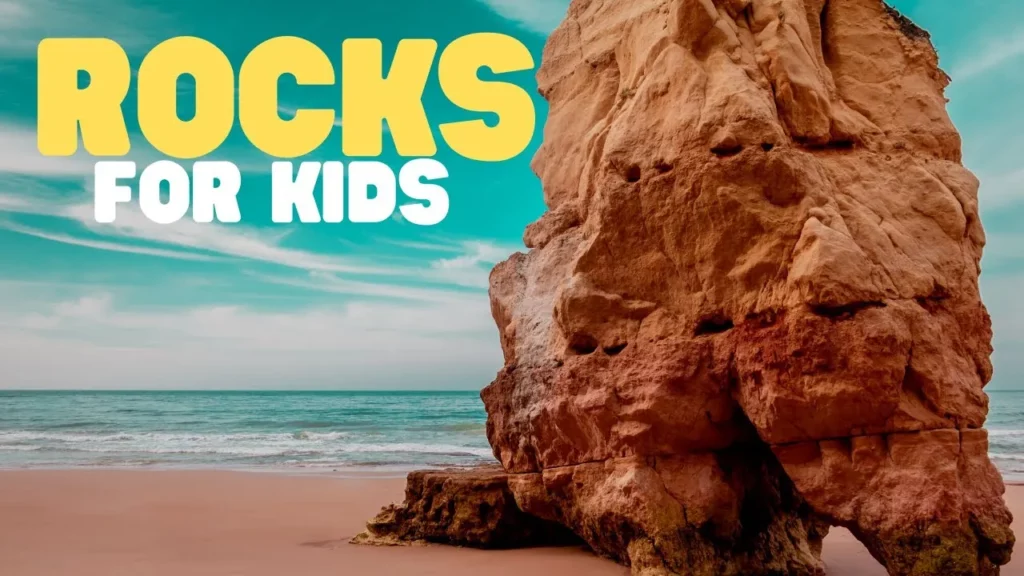
In this lesson, students learn about geology and the different types of rocks studied by geologists. The lesson covers the three main rock types: sedimentary, which forms from sediment and can contain fossils; metamorphic, which is created under heat and pressure and often features layers and crystals; and igneous, which forms from cooled magma or lava. By understanding these rock types and their characteristics, students gain insight into the Earth’s processes and the importance of sustainable practices in geology.
Animal Camouflage | Learn How Animals Can Blend In With Their Environments
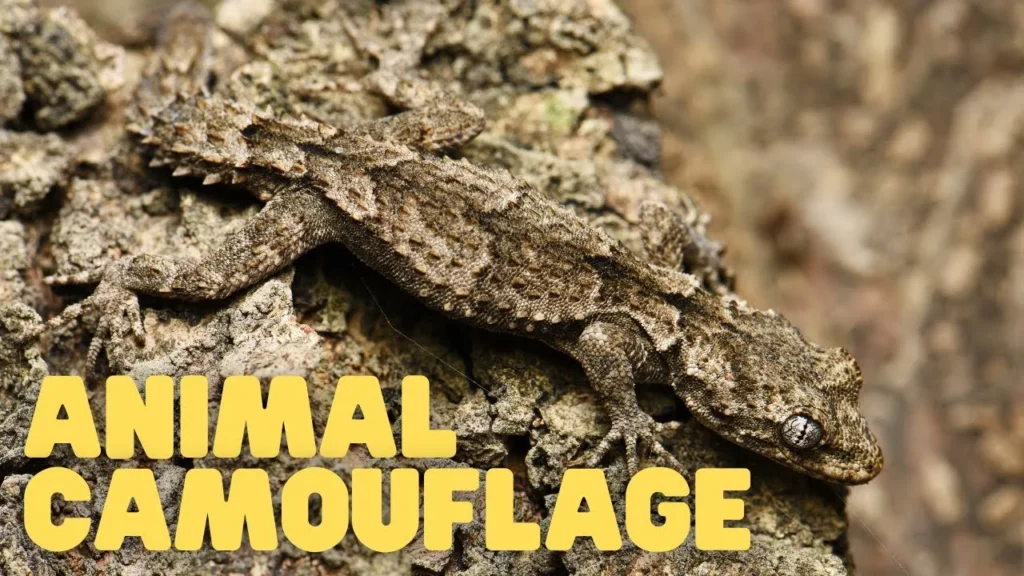
The lesson on “Animal Camouflage: Nature’s Hide and Seek” explores how animals use camouflage as a survival strategy to blend into their environments, evade predators, and hunt prey. It highlights four main types of camouflage: concealing coloration, disruptive coloration, disguise, and mimicry, each serving different purposes in the animal kingdom. Additionally, the lesson emphasizes that camouflage is not only a defensive mechanism but can also facilitate communication among certain species.
All about Australia for Kids | Learn about the Australian continent and country

In this lesson, students embark on an adventure to discover Australia, a unique continent and country known for its rich history, diverse wildlife, and stunning natural wonders. They learn about the Indigenous Aboriginal and Torres Strait Islander peoples, the impact of European colonization, and the significance of landmarks like the Great Barrier Reef and Uluru. The lesson emphasizes Australia’s distinctive geography, culture, and the importance of its ecosystems, while also engaging students with review questions to reinforce their understanding.
Action and Being Verbs | Verbs for kids | Learn about the two types of verbs
In this lesson, students learn about verbs, which are essential for constructing meaningful sentences. The lesson covers two main types of verbs: action verbs, which indicate what someone or something is doing (e.g., “run,” “eat”), and being verbs, which describe a state of existence (e.g., “is,” “are”). Through examples and interactive quizzes, students practice identifying these verbs and understand their importance in sentence structure.