
The Human Heart for Kids | Educational video to learn all about how the heart works

The lesson on “The Amazing Human Heart” explores the vital role of the heart in the circulatory system, highlighting its size, location, and function as a muscle that beats autonomously to pump blood throughout the body. It details the heart’s structure, including its four main parts and the journey of blood as it delivers oxygen and nutrients while removing waste. Additionally, the lesson emphasizes the importance of maintaining heart health through exercise, a balanced diet, hydration, and regular movement.
Fables for Kids | What makes a story a fable?
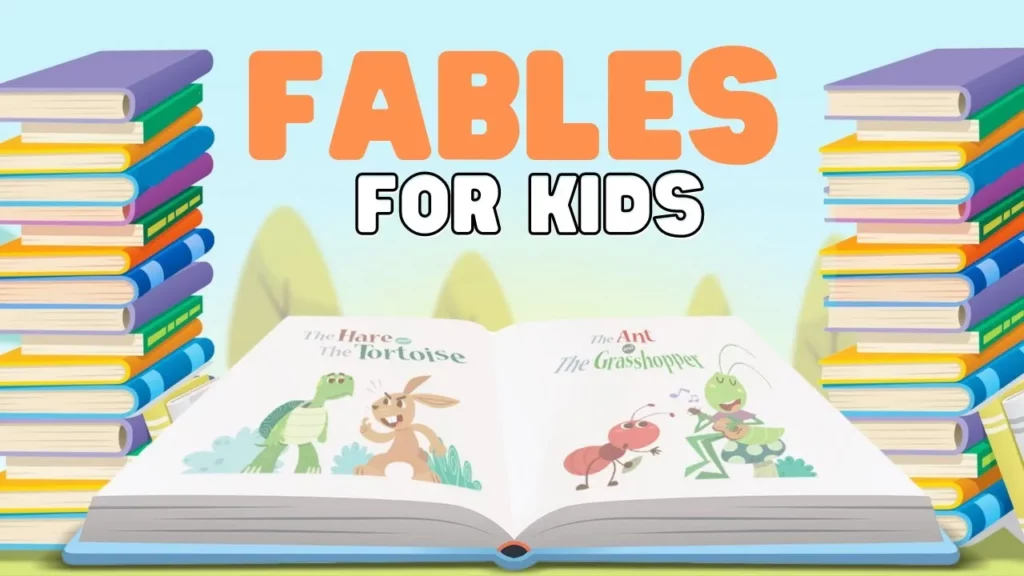
In this lesson, students explore the world of fables, which are fictional stories featuring animal characters that convey important moral lessons. They learn about the characteristics that define fables, such as their brevity and the presence of a moral, and discover the historical significance of Aesop, a renowned storyteller known for his collection of fables. Through examples like “The Lion and the Mouse,” students understand that even small acts of kindness can have a significant impact.
Adjectives for Kids | What is an adjective? | Learn all about adjectives! | Grades 1-3
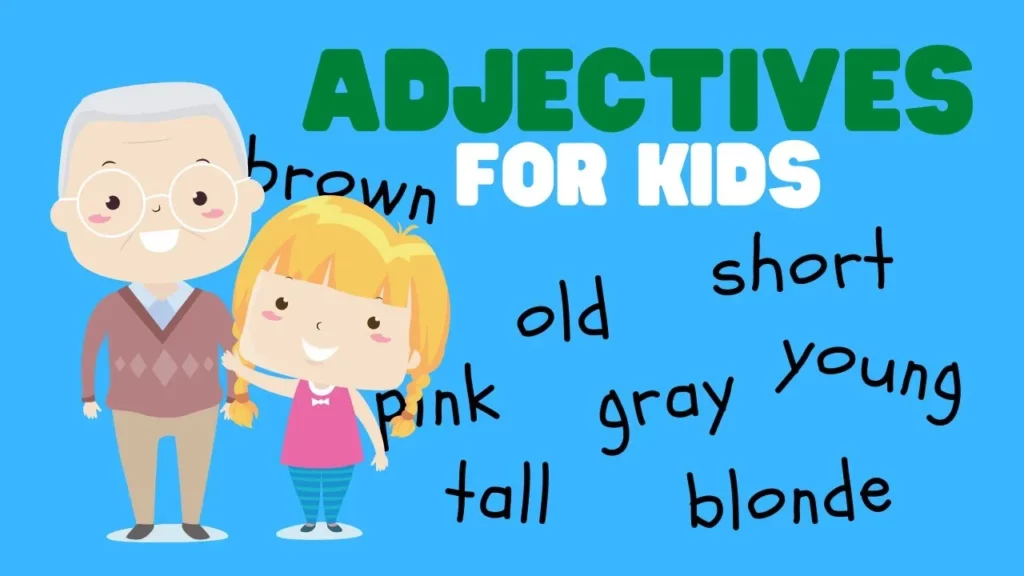
In this lesson, kids learn about adjectives, which are words that describe nouns and add detail to sentences. By using examples like “smart kids” and “tall boy,” the lesson illustrates how adjectives enhance our understanding of people, places, and things, making language more interesting and expressive. The character Addy the Adjective helps reinforce the concept, encouraging children to identify and use adjectives in their own descriptions.
The Four Seasons for Kids | Learn about the four seasons throughout the year
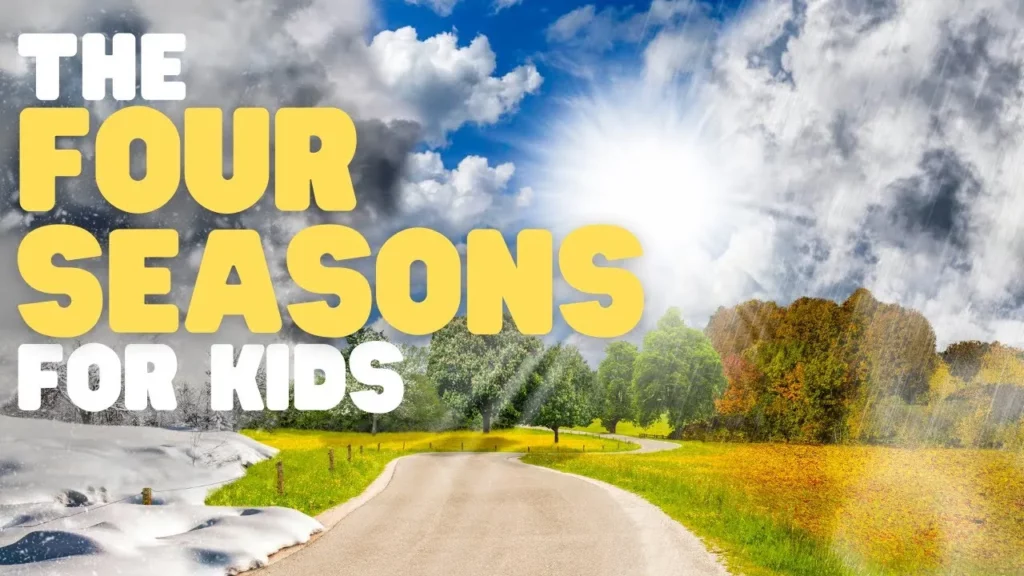
In this lesson, students explore the concept of the four seasons—spring, summer, fall, and winter—and learn how they are influenced by the Earth’s tilt and its orbit around the sun. The lesson highlights the distinct characteristics of each season, the variations in seasonal experiences across different regions, and encourages students to observe seasonal changes in their own environments. Through engaging activities and review questions, learners gain a deeper understanding of how geography affects weather patterns and seasonal experiences.
Statue of Liberty Facts for Kids | Learn all about this famous national monument

The lesson explores the history and significance of the Statue of Liberty, also known as “Lady Liberty,” which was a gift from France to celebrate the end of slavery in the United States. Designed by Frédéric Auguste Bartholdi and completed in 1886, the statue symbolizes freedom and enlightenment, featuring various elements like broken chains and a lit torch that represent liberty. The lesson also highlights interesting facts about its construction, size, and the reasons behind its green color.
Pangea for Kids | Learn all about the supercontinent of long ago!
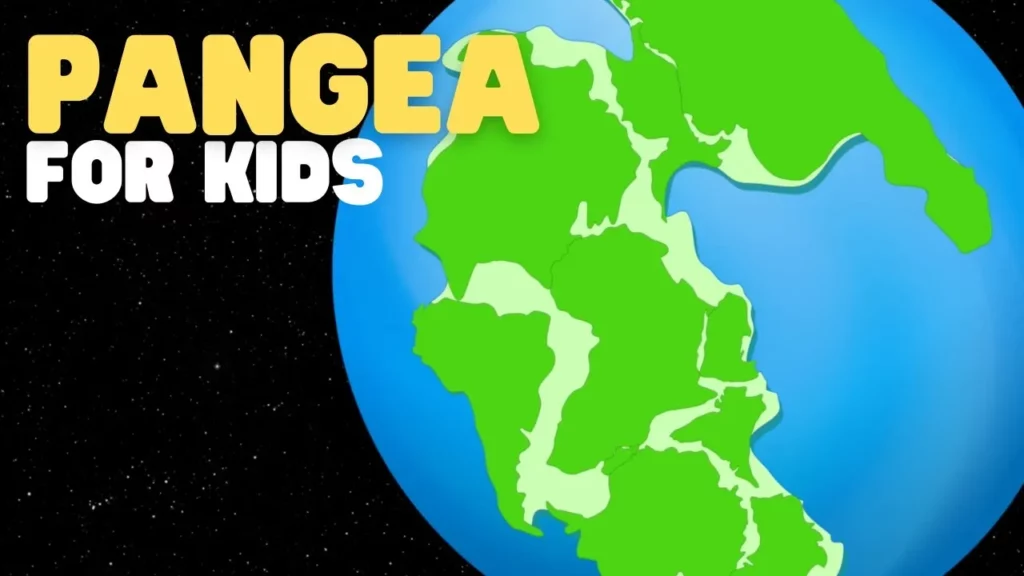
In this lesson, students explore the concept of Pangea, a supercontinent that existed around 280 million years ago, formed by the joining of all Earth’s continents into one massive landmass. The lesson discusses the processes of plate tectonics that led to Pangea’s formation and eventual breakup, as well as how scientists gather evidence about Pangea through the study of rocks and fossils. Ultimately, it emphasizes the interconnectedness of Earth’s continents and the dynamic nature of our planet’s surface.
Food Groups for Kids | Learn about the five food groups and their benefits
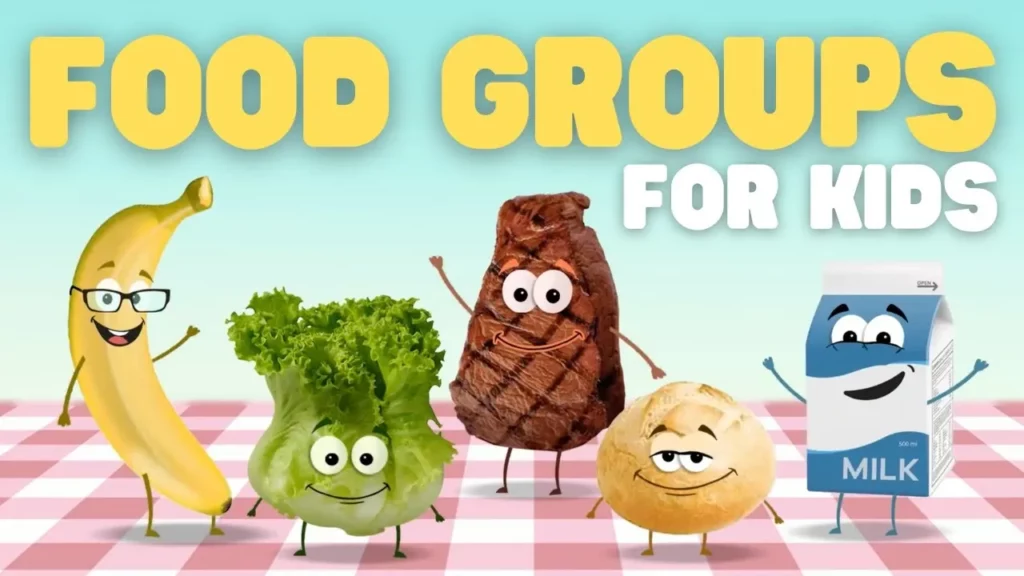
In this lesson, students learn about the importance of food groups as a way to organize their diet for optimal health and nutrition. The five main food groups—fruits, vegetables, grains, proteins, and dairy—each provide essential vitamins and nutrients that support various bodily functions. The lesson emphasizes the need for a balanced diet, encouraging kids to consume a variety of foods from each group while enjoying treats in moderation.
Financial Literacy—Making a Budget | Learn how to create a budget
This lesson introduces the concept of budgeting, explaining its importance in managing money effectively. It outlines the steps to create a budget, including identifying income and expenses, and emphasizes the distinction between fixed and variable expenses. By following the example of Frankie Finance, learners can see how to plan their finances, prepare for unexpected costs, and ultimately save money for their goals.
Magnets for Kids | What is a magnet, and how does it work?
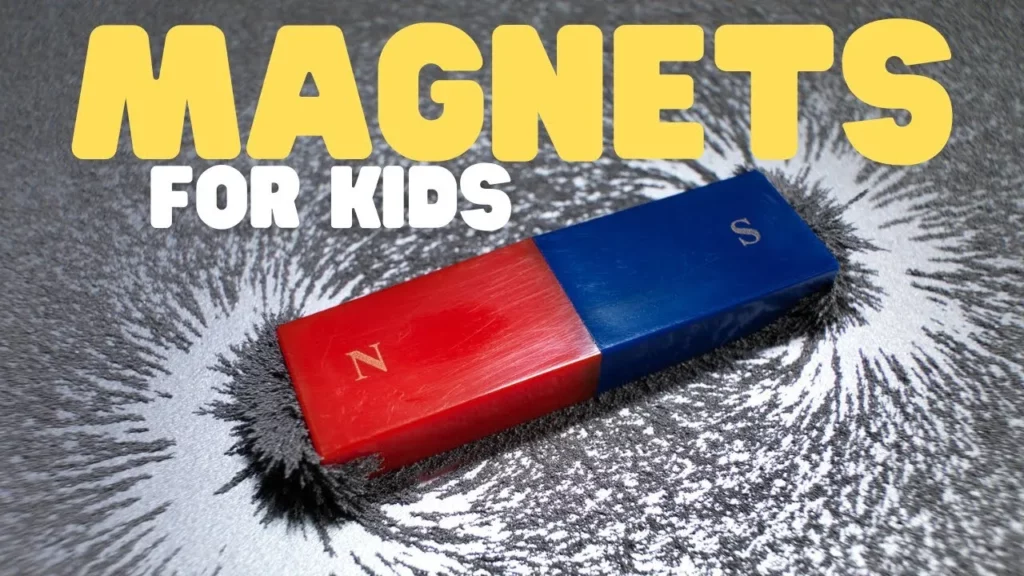
In this lesson, students learn about magnets, which are special pieces of metal that exhibit a pulling force called magnetism, creating a magnetic field around them. The lesson covers the two poles of magnets, the three types of magnets (temporary, permanent, and electromagnets), and their various applications in everyday life, including their role in technology and the Earth’s magnetic field. Students also engage with a quiz to reinforce their understanding of the material.
Financial Literacy—Needs and Wants | Learn about needs, wants, and opportunity costs
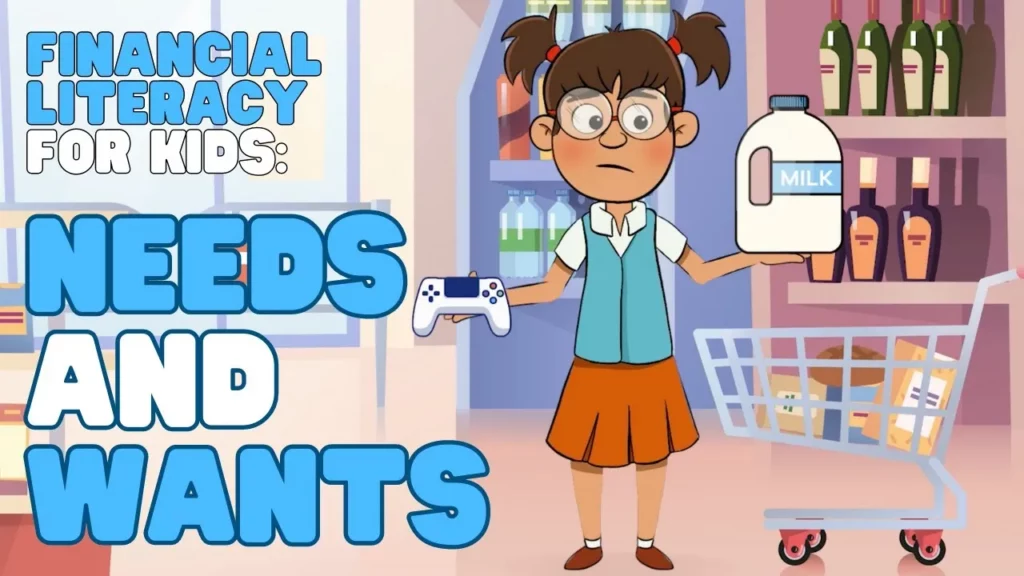
In this lesson, students learn to distinguish between needs and wants, emphasizing the importance of making informed financial choices. Needs are essential for survival, such as food and shelter, while wants are non-essential items that enhance life, like toys or games. The lesson also introduces the concept of opportunity cost, illustrated through a scenario where a character must choose between purchasing rollerblades or attending a movie, highlighting the personal nature of financial decisions and the value of prioritizing one’s desires.