
Earthquakes for Kids STEM | Learn why earthquakes happen and how to measure them
In this lesson, students explore the fascinating world of earthquakes, learning about the Earth’s layers, tectonic plates, and the mechanisms that cause earthquakes, such as subduction, lateral sliding, and spreading. The lesson emphasizes the significance of the Ring of Fire, where most earthquakes occur, and introduces students to the concept of measuring earthquakes using seismographs. To reinforce their understanding, students can create their own seismograph model at home, allowing them to experiment and analyze the effects of simulated earthquakes.
Volcanoes for Kids | A fun and engaging introduction to volcanoes for children
In this lesson, students explore the fascinating world of volcanoes, learning about their structure, types, and the processes involved in eruptions. They discover that volcanoes can be classified as active, dormant, or extinct, and delve into the characteristics of shield, cinder cone, and stratovolcanoes, with examples like those found in Hawaii and Mount St. Helens. The lesson also highlights the significance of the Ring of Fire and introduces famous volcanoes, emphasizing the dynamic nature of Earth’s geology.
How Plants Grow for Kids | Learn about photosynthesis and what plants need to grow strong
In this lesson, students learn about the essential requirements for plant growth, referred to as the “Core Four”: soil, sunlight, air, and water. Each element plays a crucial role in helping plants thrive, from providing nutrients and enabling photosynthesis to facilitating water absorption. Additionally, the lesson highlights the importance of temperature and space for healthy plant development, encouraging students to appreciate and explore the natural world around them.
Oceans of the World for Kids | Learn all about the 5 Oceans of the Earth
The lesson “Discovering the Oceans” explores the vastness and significance of the world’s oceans, highlighting the five major oceans: the Pacific, Atlantic, Indian, Southern, and Arctic. It emphasizes the diverse marine life that inhabits these waters, from the smallest krill to the largest blue whale, and underscores the importance of protecting these ecosystems from pollution and environmental threats. Ultimately, the lesson encourages individuals to take action in preserving the health of our oceans for future generations.
Meteors for Kids | What Is a Meteor? Are Meteors the same as Shooting Stars?
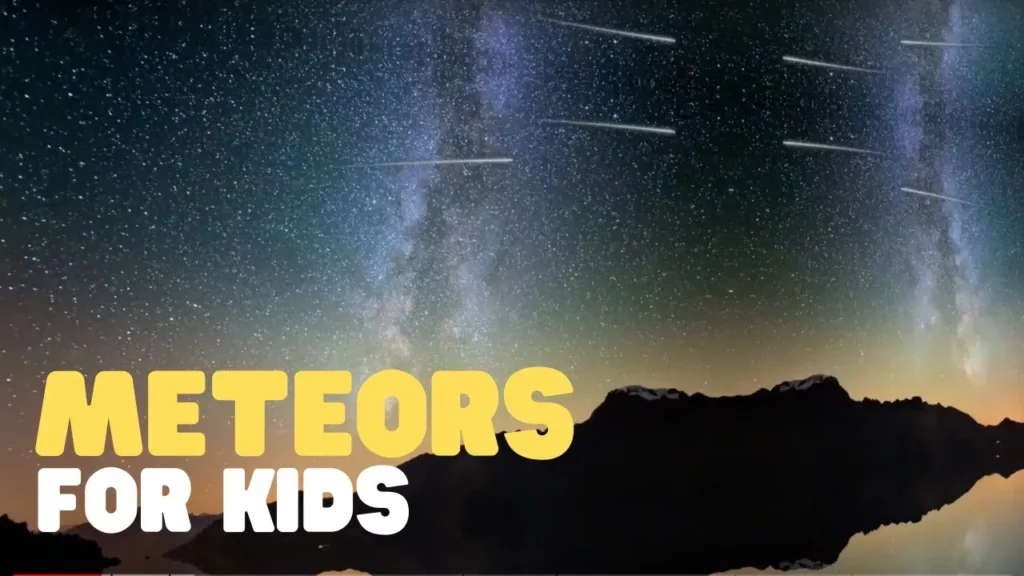
In this lesson, we explored the fascinating world of meteors, which are actually pieces of rock that light up the sky as they fall through Earth’s atmosphere. We learned about the journey from meteoroid to meteor, the reasons behind their glowing appearance, and what happens when they reach the ground as meteorites. Additionally, we discovered famous meteorites, the phenomenon of meteor showers, and enjoyed some fun facts and jokes related to these celestial wonders.
What Is a Volcano? for Kids | Learn all about these unique landforms
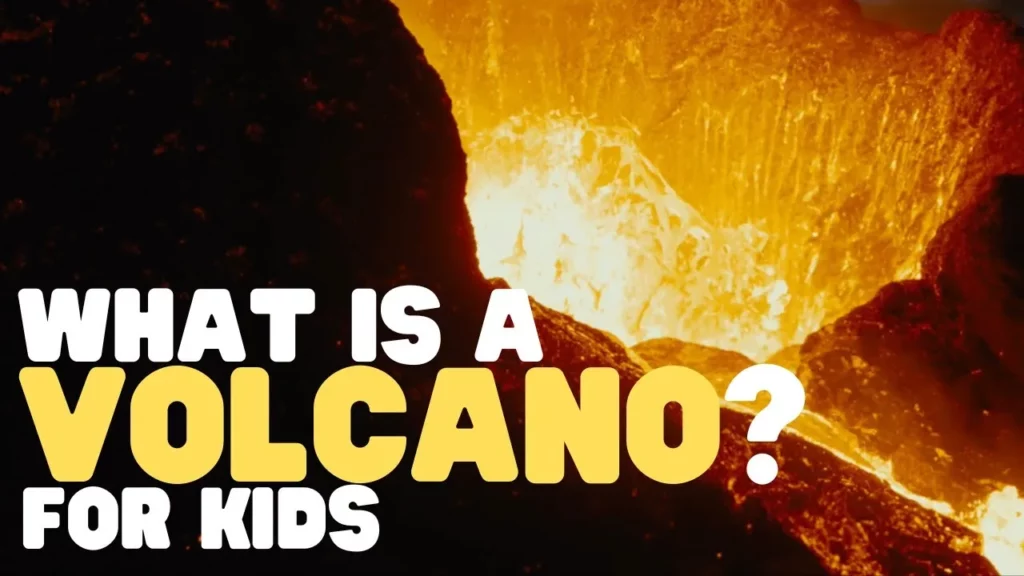
In this lesson, students learn about volcanoes, including their formation, types, and interesting facts, such as the presence of many active volcanoes in the Ring of Fire. The lesson includes a hands-on experiment where students create a model volcano using simple materials to simulate an eruption, encouraging them to observe and discuss their findings. Overall, the lesson combines scientific knowledge with engaging activities to enhance understanding of volcanic activity.
Newton’s First Law of Motion | Newton’s Laws of Motion | Video for Kids
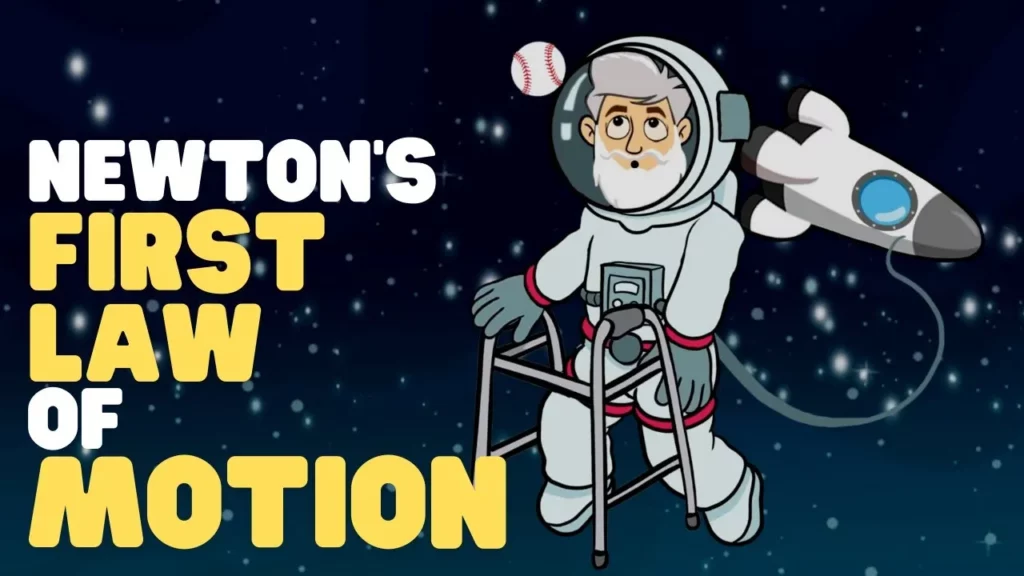
In this lesson, we explored Newton’s First Law of Motion, which states that objects at rest stay at rest, and objects in motion continue moving unless acted upon by an external force. We learned about inertia, the tendency of objects to resist changes in their state of motion, and how forces like friction, gravity, and air resistance can affect both stationary and moving objects. The lesson emphasized that understanding this law helps us make sense of everyday phenomena, from a book on a desk to a ball flying through the air.
The Big Bang Theory for Kids | Learn about this theory for how the universe began
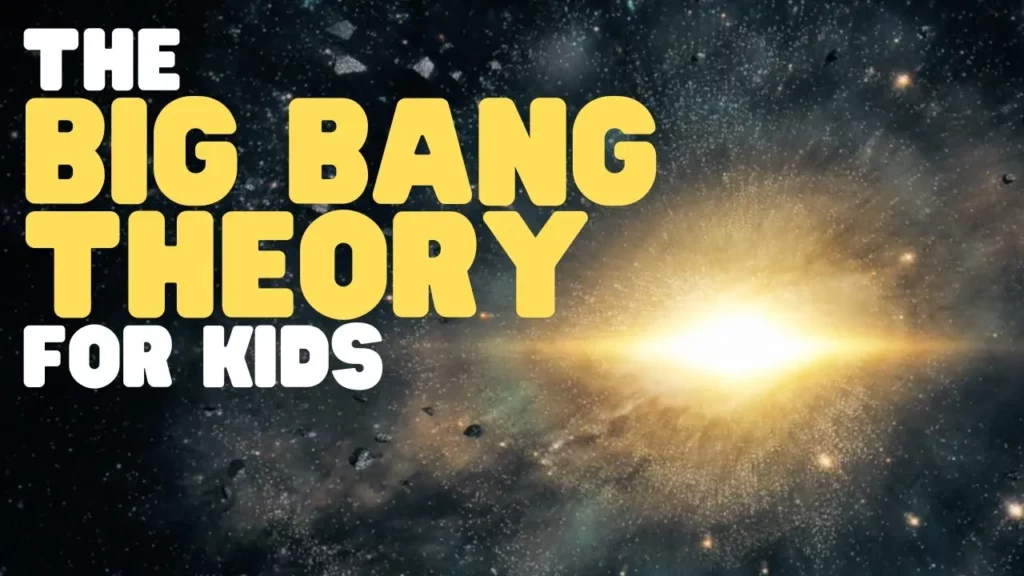
In this lesson, we explored the Big Bang Theory, which explains how the universe began as a tiny point and expanded into the vast cosmos we see today. We learned about key figures like Georges Lemaître, who proposed this theory in 1927, and the ongoing efforts of scientists to study the universe using tools like the Hubble Space Telescope. The lesson emphasized the continuous growth of the universe and the mysteries that still remain, inspiring curiosity about space and the potential for future discoveries.
Extinction for Kids | Learn why some animals and plants no longer exist
The lesson on extinction explores the concept of species disappearing from the Earth, highlighting that extinction occurs when a species can no longer reproduce, often due to environmental changes, predation, or human activities. It emphasizes the importance of protecting endangered species and offers practical ways individuals can contribute to conservation efforts, such as recycling and planting gardens. Understanding extinction helps raise awareness about the fragility of ecosystems and the role humans play in preserving biodiversity.
ASL Simple Machines for Kids
In today’s lesson, we explored the fascinating world of simple machines, which are tools that make work easier by reducing effort and energy. We learned about six types of simple machines: the inclined plane, wheel and axle, lever, wedge, screw, and pulley, each with unique functions and real-world applications. The lesson encouraged students to identify these machines in their surroundings, highlighting their importance in everyday life and technological advancements.