
The Hermetic Principles – Ancient Wisdom for a Better Life – The Alchemist
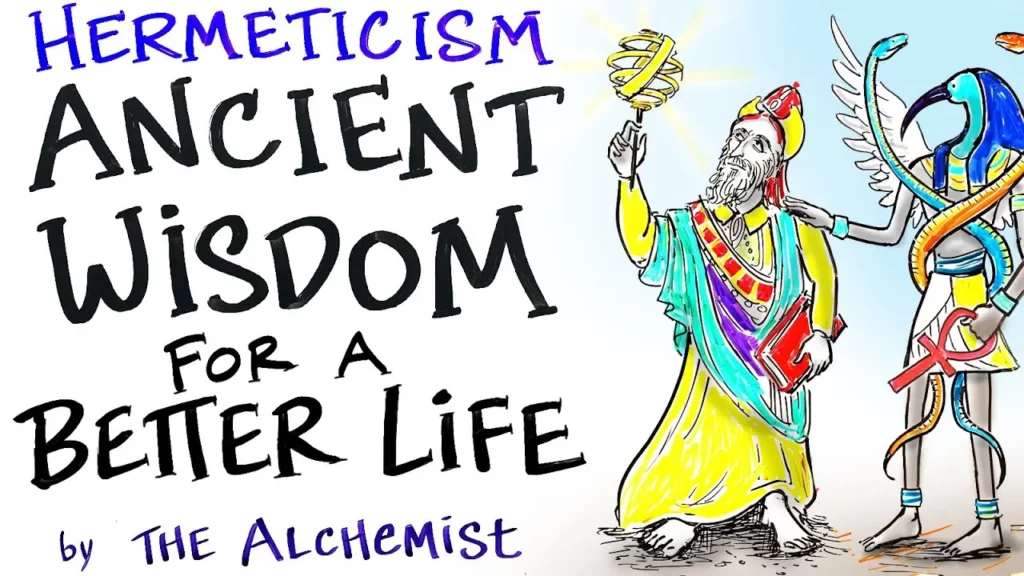
The lesson explores the seven Hermetic principles, which are fundamental laws shaping our reality and are rooted in the teachings attributed to the mythical figure Hermes Trismegistus. Each principle—ranging from the Law of Mentalism to the Law of Gender—offers insights into the interconnectedness of existence and emphasizes the importance of understanding our thoughts, actions, and the natural rhythms of life to enhance personal growth and consciousness. By recognizing these universal truths, individuals can gain a deeper understanding of themselves and the world around them.
Time is Relative – The Twin Baby Experiment

The lesson explores the concept of time and how it may not be as straightforward as it seems, particularly through the lens of Einstein’s theory of relativity, which posits that time is relative and can vary based on speed. It highlights the practical implications of this theory, such as the adjustments needed for GPS systems due to time dilation experienced by satellites. Additionally, the lesson raises intriguing questions about why time feels like it’s moving faster in our lives, suggesting that rapid advancements in technology and knowledge might be linked to the nature of time itself.
The Modern Struggle – Naval Ravikant
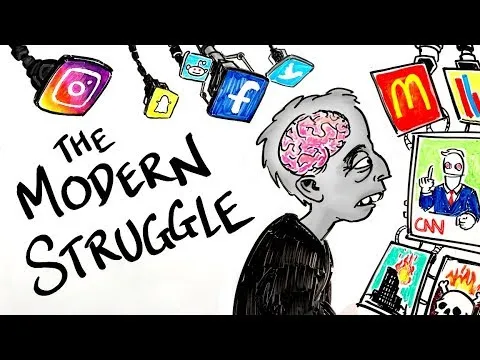
The lesson discusses the challenges of modern life, highlighting how an abundance of information and social media can lead to stress and feelings of isolation. It emphasizes the importance of setting personal boundaries to resist the addictive nature of these platforms, while also recognizing the need for meaningful connections that were once provided by close-knit communities. Ultimately, finding a balance between enjoying technology and maintaining mental well-being is crucial in today’s fast-paced world.
Why Don’t Country Flags Use The Color Purple?
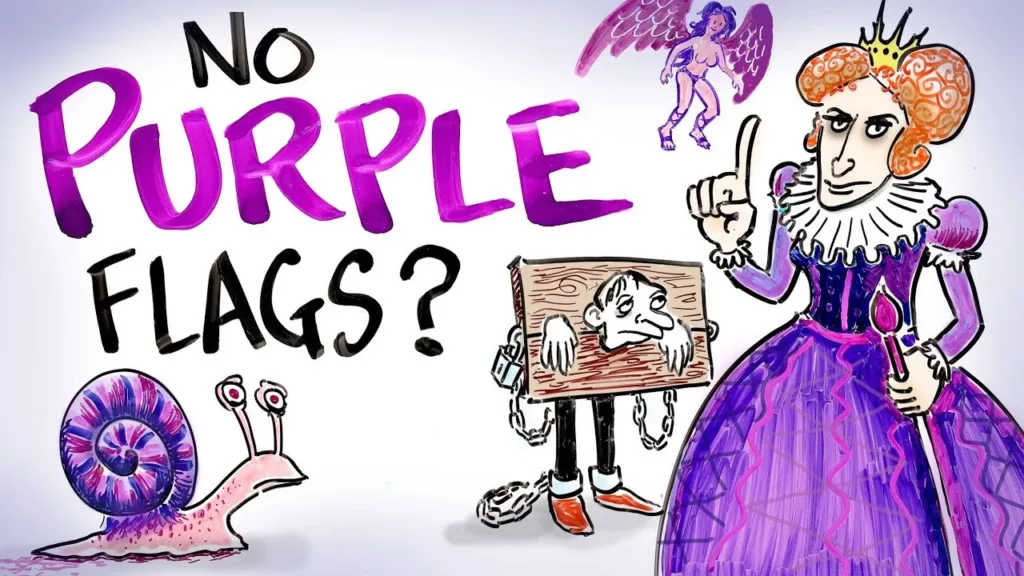
The lesson explains why purple is rarely seen on national flags, tracing its historical significance as a costly color associated with royalty and wealth due to the labor-intensive process of producing purple dye from sea snails. This dye was so expensive that even the richest rulers often could not afford it, leading to its absence in flags. The introduction of synthetic purple dye in the 19th century made the color more accessible, but national flags had already established their designs, resulting in purple remaining a rare choice.
TIMELINE SPLIT – Humans Are Splitting into Different Dimensions – The Alchemist
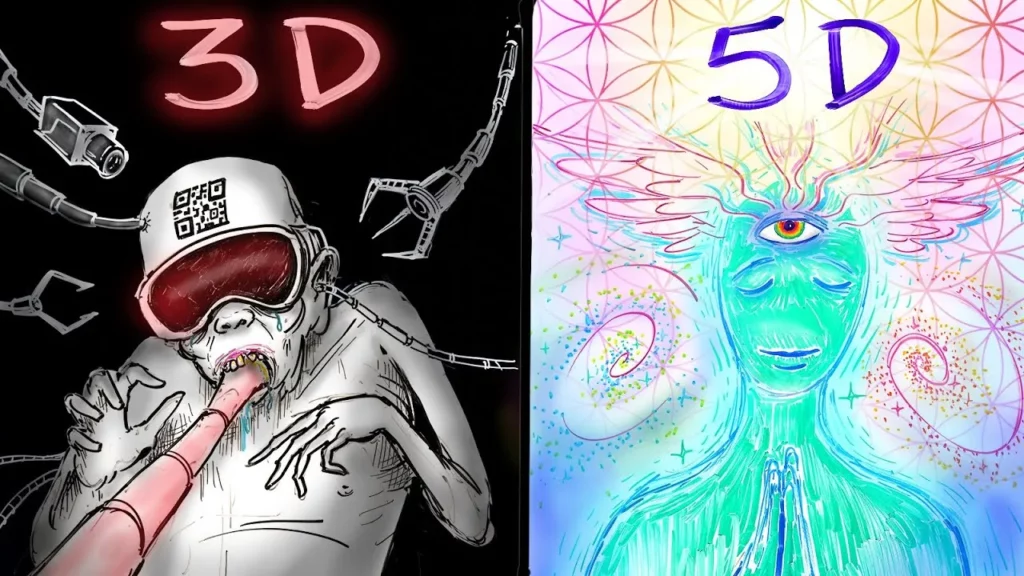
The lesson on timeline splits explores the division between a third-dimensional and a fifth-dimensional version of Earth, characterized by two streams of consciousness: the regenerative stream, which embodies love and personal growth, and the degenerative stream, associated with fear and chaos. This split reflects a choice between evolving consciousness and remaining in a cycle of victimhood, with the dynamics of love versus fear shaping our experiences. Ultimately, the lesson emphasizes the importance of conscious decision-making in navigating these timelines and aligning with higher vibrational realities.
How To REPROGRAM Your Mind – Dr. Bruce Lipton
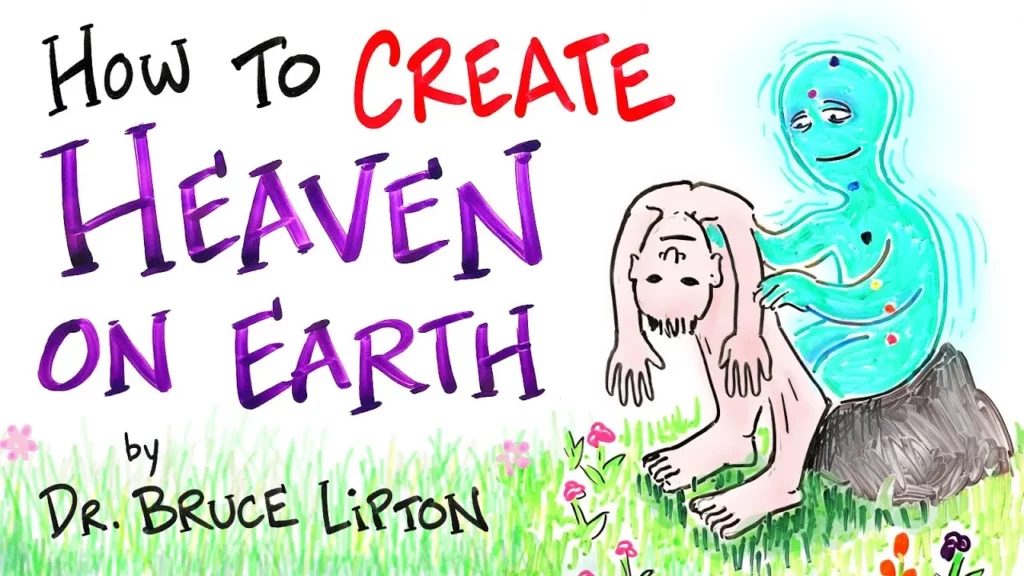
The lesson emphasizes that the concept of heaven is subjective and can be experienced on earth through positive creation rather than waiting for an afterlife reward. It highlights the importance of understanding our existence as energy fields and the role of subconscious programming in shaping our beliefs and behaviors. By reprogramming our subconscious and aligning it with our conscious desires, we can empower ourselves to create a fulfilling and joyful life.
Reject Authority, Trust Yourself – Terence Mckenna
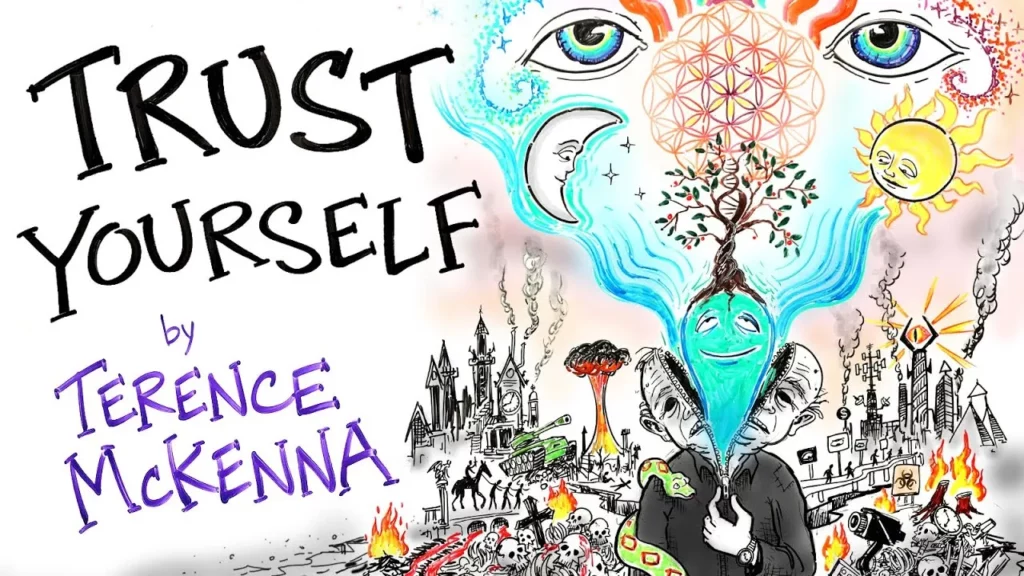
The lesson emphasizes the importance of embracing individual experiences and authenticity, particularly in the context of societal norms that often discourage exploration, such as the use of psychedelics. It argues that true personal growth comes from trusting one’s intuition and challenging institutional control, which often limits individual expression and understanding. By embracing chaos and taking action, individuals can reclaim their identities and foster creativity, ultimately leading to a more enlightened society.
What Happens When You Drink SeaWater?
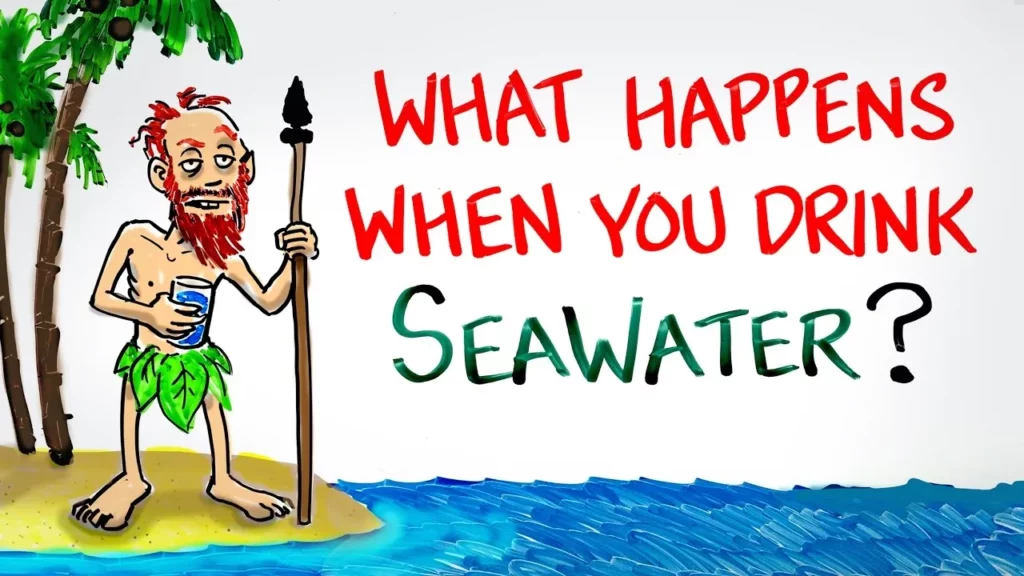
The lesson explains why drinking seawater is harmful due to its high salt content, which leads to dehydration rather than hydration. It discusses the process of osmosis and how consuming seawater disrupts the balance of salt in our cells, causing them to lose water. Additionally, it introduces distillation as a method to convert seawater into drinkable water by separating the salt from the liquid.
We Are NOT Living in a Simulation. Probably. – Dr. David Kipping
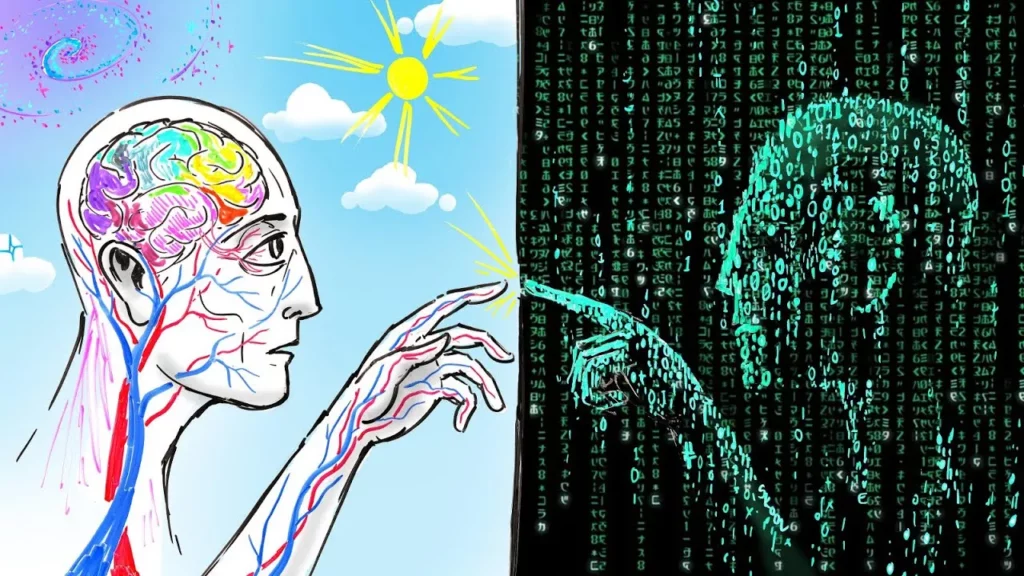
The lesson explores the Simulation Hypothesis, which questions whether our reality is a simulation, using Bayesian statistics to evaluate two main scenarios: one where simulations are impossible and another where they are feasible. If simulations are possible, the likelihood of being in the base reality diminishes as the number of simulated realities increases, leading to a probability slightly greater than 50% that we are not in a simulation. Additionally, physicist Sean Carroll’s “Carroll’s contradiction” introduces a logical challenge by suggesting that if simulations exist, they would eventually reach a level of insufficient computational power, complicating the notion of multiple realities.
It’s Just A Ride – Bill Hicks

The lesson “The World as a Ride” encourages us to view life as a thrilling amusement park ride, where our perceptions shape our reality. It emphasizes the importance of recognizing that while we may feel deeply invested in our experiences, they are ultimately just a ride, and we have the power to choose between fear and love. By choosing love and investing in the well-being of others rather than in fear-driven defenses, we can create a more harmonious and connected world.