
The Strange Secret to Success – Earl Nightingale
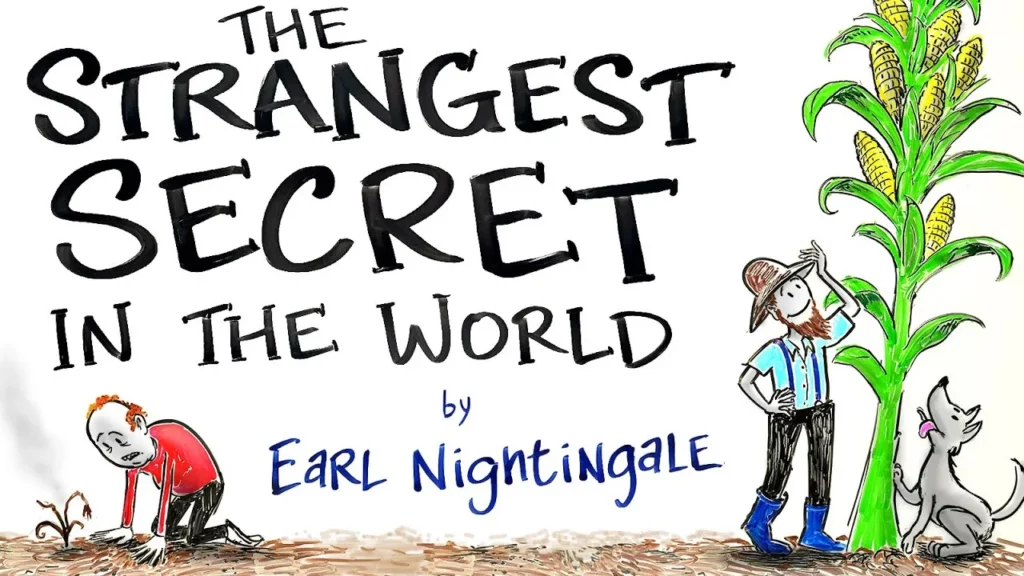
“The Strangest Secret in the World” emphasizes the importance of thinking critically and setting clear goals to achieve success. Dr. Albert Schweitzer’s insight that “men simply don’t think” highlights how conformity and a lack of direction lead many to fail in realizing their aspirations. The lesson underscores that success is the progressive realization of a worthy ideal, and by focusing our thoughts and intentions on specific goals, we can shape our futures positively.
The Ancient Secret to Self-Improvement – Manly P. Hall
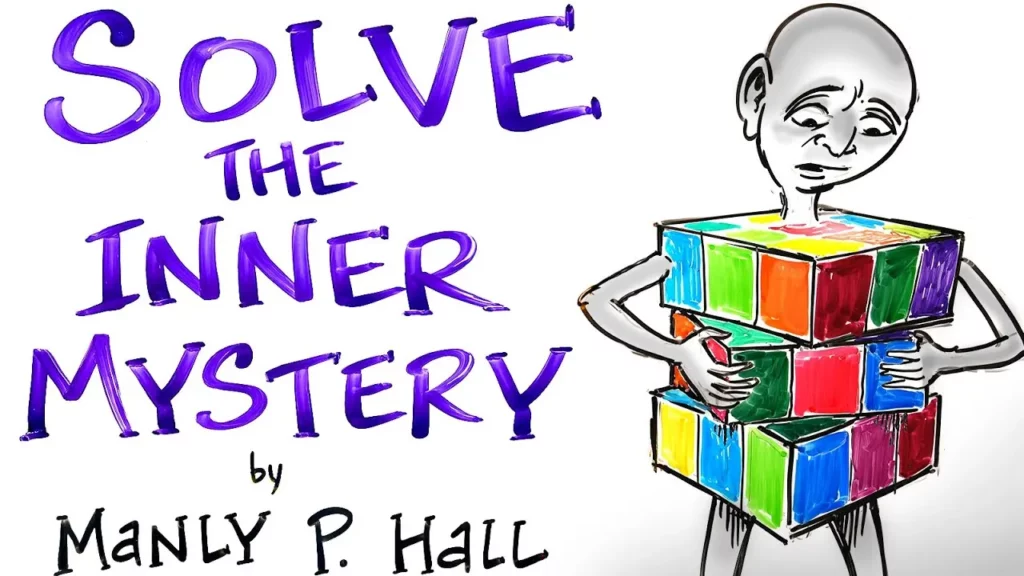
In this lesson on Plato’s philosophy regarding leadership and self-governance, the emphasis is placed on the importance of connecting with our higher selves to guide both personal and societal leadership. It explores the necessity of achieving inner stillness and refining oneself to access intuition and higher consciousness, while also highlighting the significance of personal responsibility and ethical living in overcoming negative patterns and fostering growth. Ultimately, the lesson advocates for a holistic approach to understanding reality, where the mind, emotions, and body work in harmony towards achieving inner peace and true leadership.
Love Your Servitude – Aldous Huxley & George Orwell
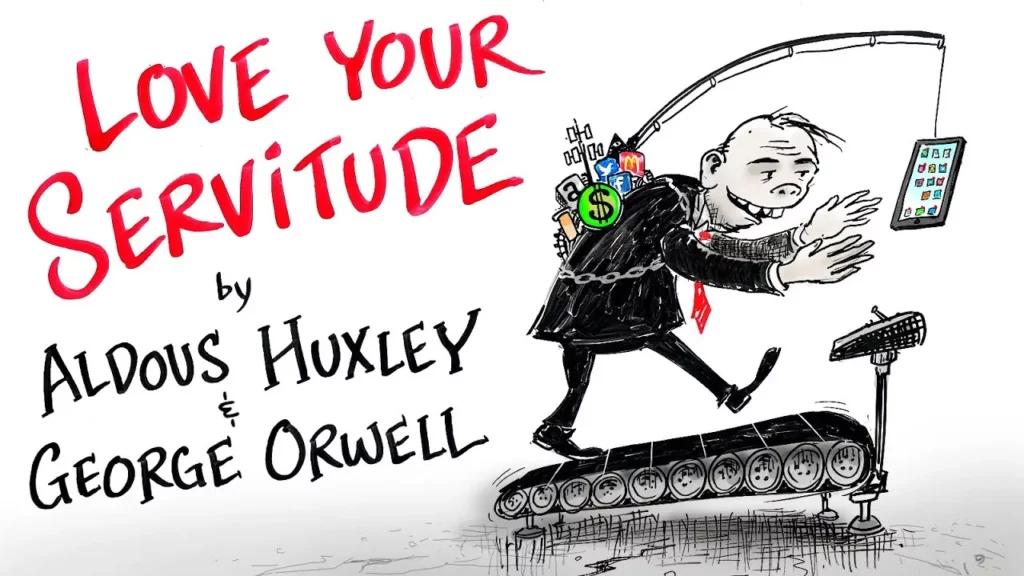
The lesson “The Ultimate Revolution: Understanding Modern Control Techniques” explores how contemporary methods of influence and control have evolved, emphasizing the necessity of consent alongside coercion for sustained power. It highlights advancements in psychological conditioning, the role of suggestibility, and the impact of modern technology in amplifying persuasive techniques, raising concerns about potential abuses of power. Ultimately, the lesson calls for vigilance to prevent the emergence of oppressive systems and to safeguard democratic values.
THOTH’s PROPHECY read from the Hermetic Texts by Graham Hancock
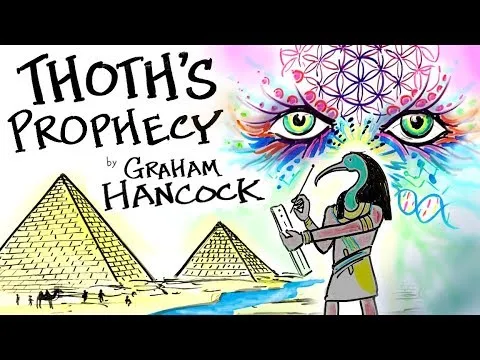
The lesson “Understanding Our Place at the Crossroads” emphasizes the critical moment humanity faces, drawing insights from ancient texts like The Hermetica. Hermes warns of a future where reverence for the divine diminishes, leading to chaos and despair, yet he offers hope for restoration through divine intervention and humanity’s ability to reconnect with its spiritual essence. Ultimately, the lesson encourages individuals to make conscious choices that foster love and positive change, contributing to a collective shift towards a brighter future.
UNLOCK the Creative LIGHT-FORCE Within – Dr. Zach Bush
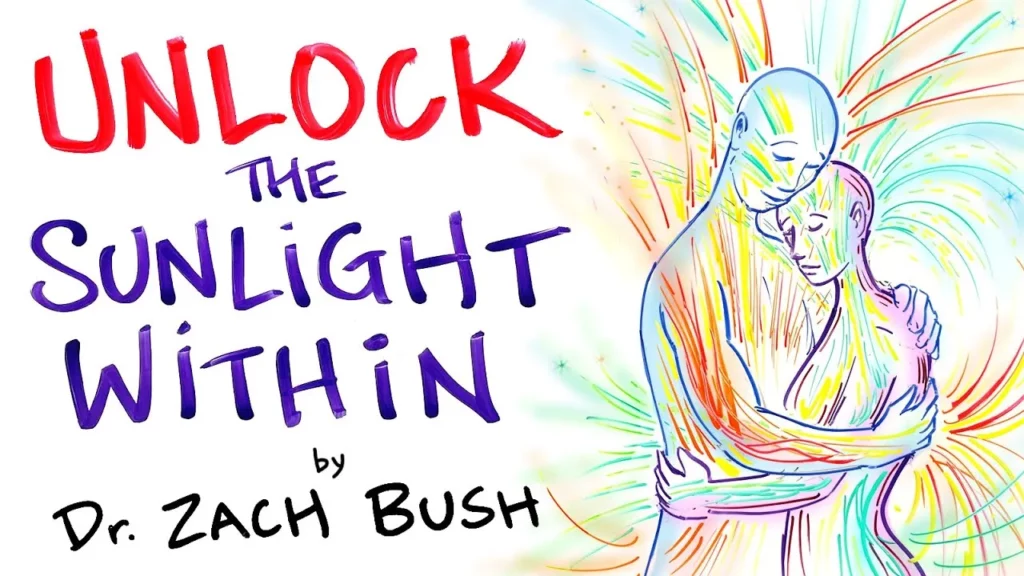
The lesson “Understanding Energy: From the Sun to Our Cells” explores the transformation of solar energy into thermal energy, which is essential for life on Earth, particularly through the process of photosynthesis in plants. It highlights the role of mitochondria in animal cells as powerhouses that convert carbohydrates and fats into ATP, the energy currency of cells, while also emphasizing the interconnectedness of energy production, human emotions, and health. Ultimately, the lesson underscores the importance of connection and love in fostering well-being and innovation in our lives.
The Slow Poison of Endless Fantasy
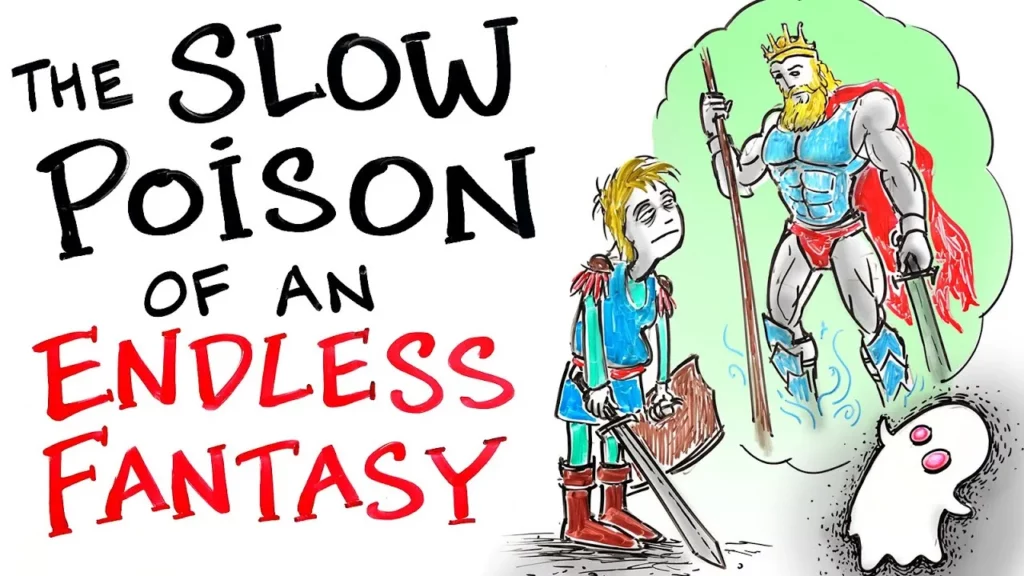
The lesson in “The Tale of Gene and the Spirit of Seeing” emphasizes the importance of maintaining focus on one’s goals and responsibilities, rather than becoming lost in distractions and fantasies. Gene’s initial ambition and potential are undermined by his obsession with the spirit’s illusions, ultimately leading to regret and missed opportunities. The story serves as a reminder that while dreams can inspire us, they must be balanced with real-life actions to achieve true success and make a meaningful impact.
Why Our Society Has School Shooters – Theo Von
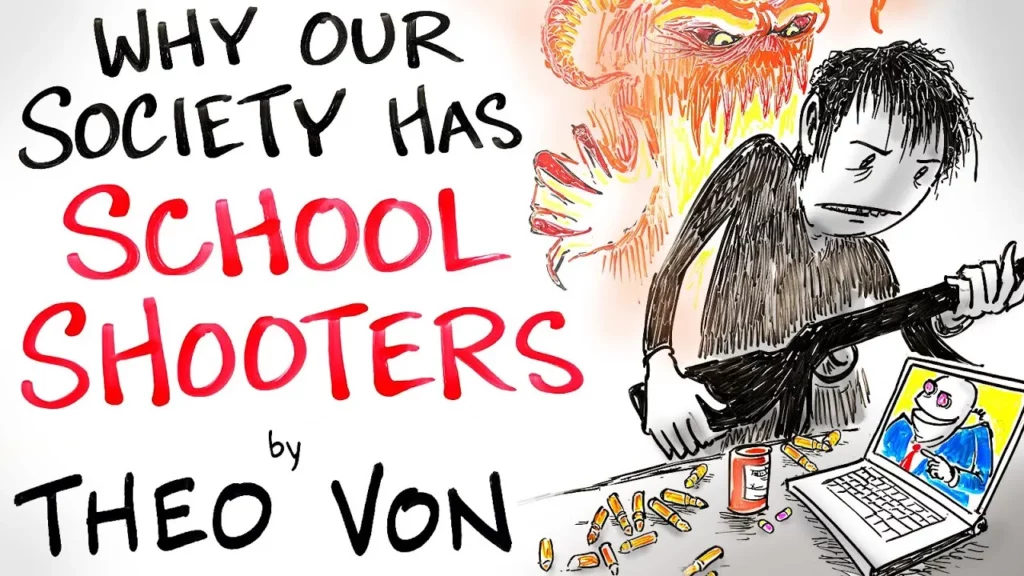
The lesson explores the roots of violence, particularly in the context of societal changes that contribute to individuals feeling a lack of purpose. It highlights how the transformation of the workplace, diminished community ties, and the search for meaning can lead to vulnerability and harmful behaviors. By fostering strong relationships and supportive environments, we can help individuals find fulfillment and reduce the risk of violence.
How Did The Neanderthals Go Extinct?
The lesson explores the fascinating relationship between modern humans and Neanderthals, our closest extinct relatives, who lived in Europe and Asia until about 30,000 years ago. Initially perceived as primitive, recent findings reveal that Neanderthals were skilled toolmakers, cared for their sick, and may have had the capacity for language and art. The lesson also discusses theories surrounding their extinction, including competition with humans and interbreeding, which has left a genetic legacy in modern humans, influencing traits such as social behavior and anxiety.
The Freedom of Being Nobody – Ram Dass
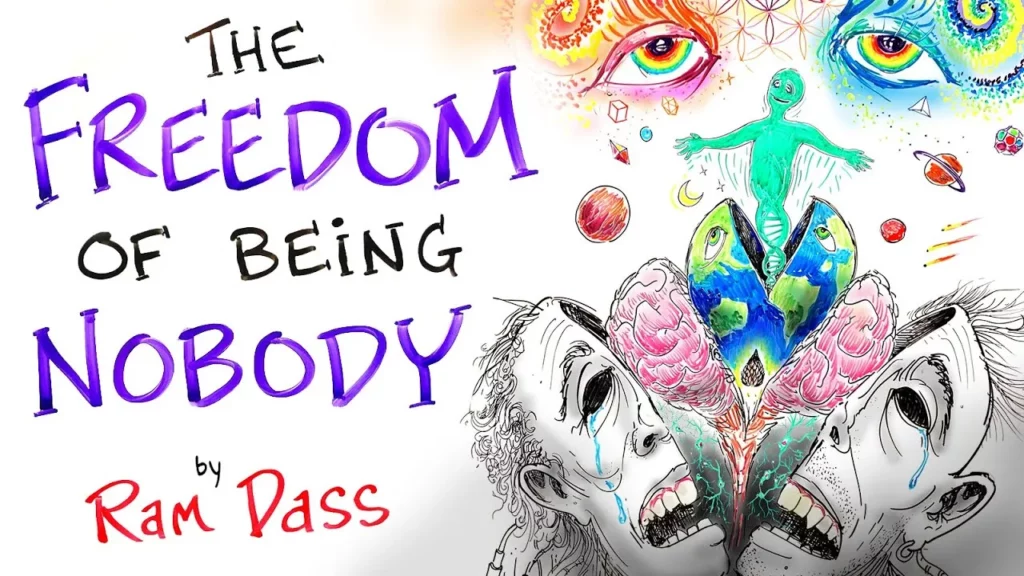
The lesson on “Understanding the Journey of Self-Discovery” emphasizes the importance of exploring various perspectives to uncover one’s true self. By using metaphors of different “channels,” it illustrates how we can perceive ourselves and others through physical, psychological, astrological, and spiritual lenses, ultimately leading to the realization of our interconnectedness and the essence of being. The lesson encourages embracing life’s experiences as opportunities for growth and awakening, inviting reflection on the timeless nature of the soul beyond physical existence.
Can A Human Be Frozen & Brought Back To Life? – Cryonics
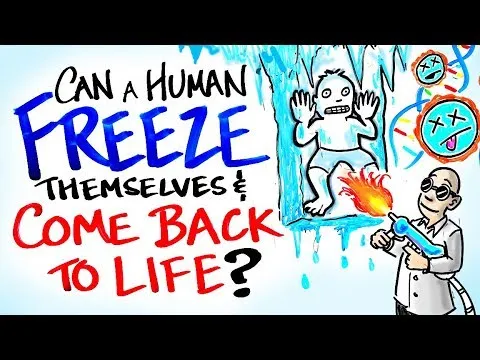
The lesson explores the concept of cryonics, a process that involves preserving humans at extremely low temperatures after they are declared legally dead, with the hope of reviving them in the future when medical advancements can cure their ailments. It discusses the procedure, challenges, and costs associated with cryonics, highlighting that while it may seem exclusive to the wealthy, it is accessible to a broader audience. The lesson also raises questions about the future of cryonics and its ethical implications, inviting readers to consider whether it represents a genuine opportunity for extended life or merely a speculative endeavor.